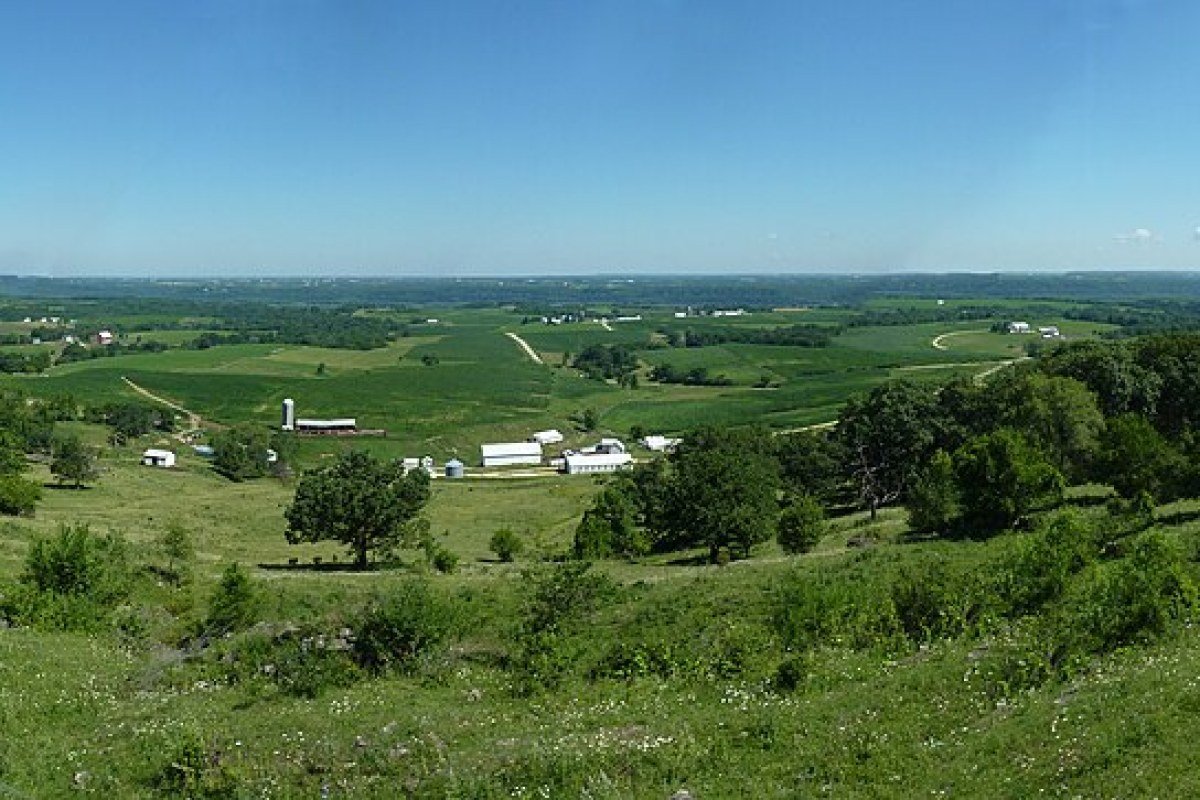
Ontario is Canada’s most visited province, and its busiest one: roughly 16 million of the country’s 41 million residents live here, most of them clustered around Toronto and the western end of Lake Ontario. The province holds a genuine contradiction. At one end sits a world-class city region — the Greater Toronto Area, home to some 7.1 million people — and the agricultural belt that feeds it, from the Niagara fruit lands to the vineyards of Prince Edward County and the black soil of the Holland Marsh. Drive a few hours north and the farmland runs out against the Canadian Shield, where Precambrian granite, thousands of lakes, and the boreal forest of Algonquin and Temagami take over and keep going until they reach the Hudson Bay lowlands. Holding it all together is the culture of Toronto itself, where more than half the residents were born outside Canada — a fact you taste in the food and hear on the street long before any guidebook tells you about it.
Toronto: The Multicultural Metropolis
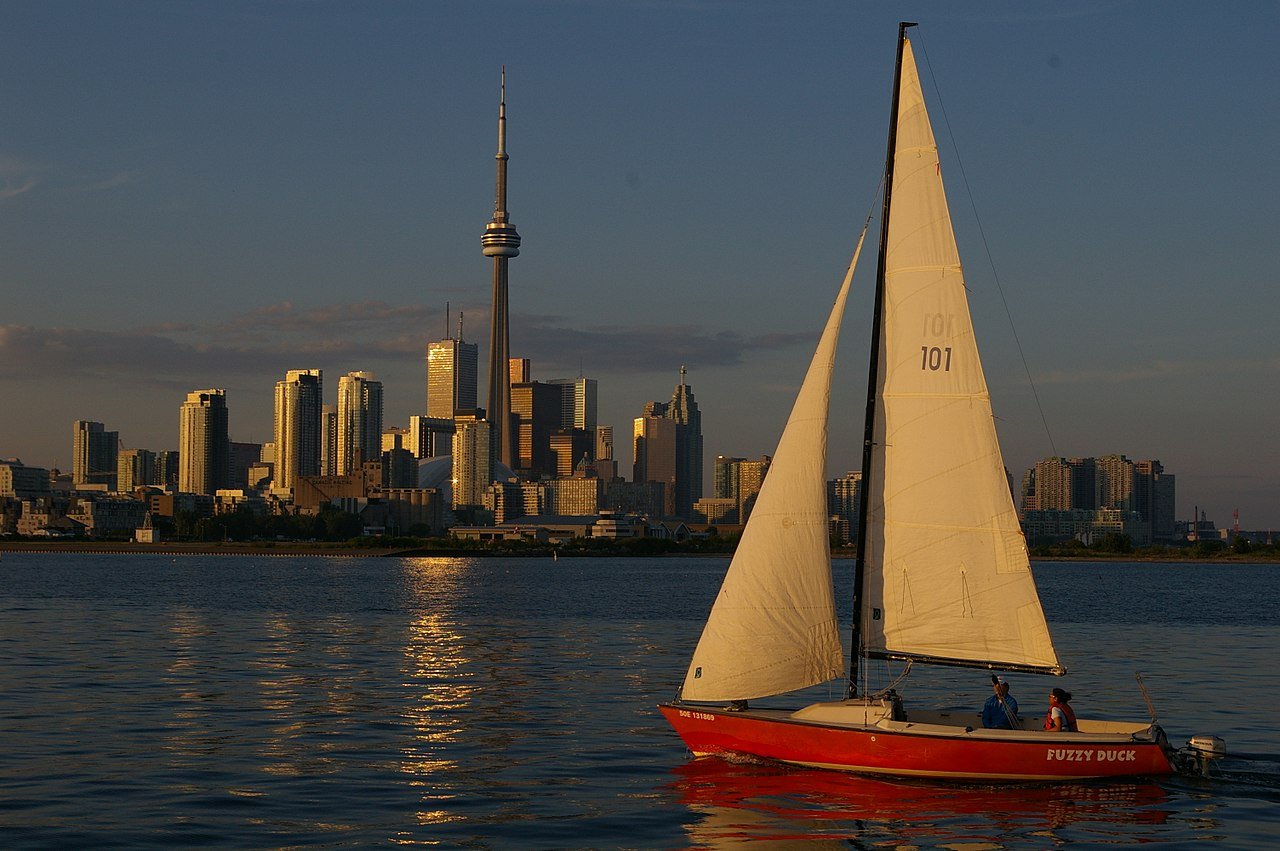
Toronto, Canada’s largest city, reads as a string of distinct neighbourhoods rather than a single downtown. The Distillery District keeps its Victorian industrial bones; Kensington Market trades in vintage clothing and the smell of a dozen cuisines at once; the Danforth is Greek, Chinatown runs up Spadina Avenue, Little Italy holds College Street, and the Annex wraps its leafy Victorian streets around the University of Toronto. What is unusual is how close together they sit — you can walk between most of them, in one of the more pedestrian-friendly cores on the continent. The headline sights are easy to name: the CN Tower, at 553m once the world’s tallest free-standing structure; the Rogers Centre; the Art Gallery of Ontario, one of the largest art museums in the country; the Royal Ontario Museum; and the St Lawrence Market, which National Geographic once ranked the best food market in the world. Cabbagetown’s Victorian rowhouses and the Distillery District’s winter Christmas Market round out the picture.
Toronto Must-Experiences
- CN Tower: The EdgeWalk (hands-free walk on the outside of the tower at 356m) and the glass floor observation deck; the defining Toronto skyline structure
- St Lawrence Market: Saturday farmers’ market; the South Market’s covered vendors (peameal bacon sandwiches, cheese, fresh produce); consistently rated one of the world’s greatest food markets
- Distillery District: Victorian industrial heritage in the largest and best-preserved collection of Victorian-era industrial architecture in North America; galleries, restaurants, and the Christmas Market (November–December)
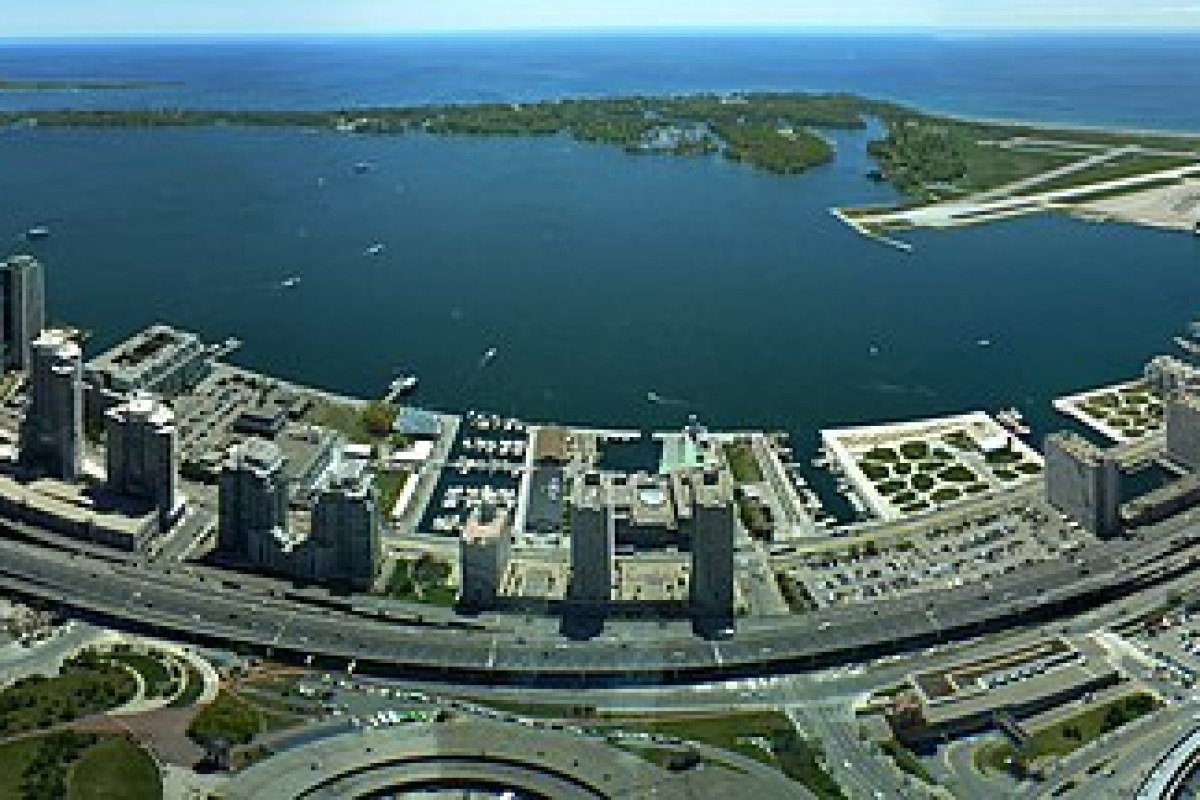
- Toronto Islands: The 15-island archipelago in Lake Ontario, accessible by ferry from the Jack Layton Ferry Terminal; car-free cycling, beaches (Ward’s Island, Centre Island), and the best view of the Toronto skyline
- Kensington Market: The compressed food culture of the city’s most bohemian neighbourhood; international grocers, vintage clothing, independent cafés, and the Sunday pedestrian street party

Niagara Falls and the Wine Country
Niagara Falls sits 130km south of Toronto, an easy day trip that pairs a natural spectacle with a serious wine region. The Canadian Horseshoe Falls — about 670m across its curved crest and 57m high — take roughly 90% of the Niagara River’s flow, and no photograph quite prepares you for the noise and the spray. Two attractions get you closest: Niagara City Cruises (the Hornblower boat), which noses into the basin below, and the Journey Behind the Falls tunnel, which puts you at the back of the curtain of water. Inland, the escarpment around Niagara-on-the-Lake has grown into a wine corridor of more than a hundred producers — Peller Estates, Inniskillin and Château des Charmes among them — turning out Ontario‘s best Pinot Noir and Chardonnay along with the Vidal and Riesling icewines, pressed from grapes left to freeze on the vine, that first earned the region its international name.
.jpg?width=1200)
Algonquin Park: The Canadian Shield Wilderness
Algonquin Provincial Park lies about 300km north of Toronto, and for many Ontarians it is the wilderness — 7,630 square kilometres of Shield country where lakes, rivers and mixed boreal and deciduous forest run to the horizon. Moose, beaver, the common loon and the occasional timber wolf live here in numbers that make a sighting on a first visit genuinely likely. The park’s real draw is the water: around 2,000km of canoe routes link some 2,400 lakes and rivers, and gentler circuits such as those off Smoke Lake make multi-day paddling and backcountry camping manageable for families. Most visitors never leave the Highway 60 Corridor, the strip of road through the park’s south end, and there is no shame in that — it gathers the campgrounds, the Algonquin Art Centre, the visitor centre, and short interpretive walks like the Beaver Pond, Spruce Bog and Lookout trails, where the wildlife viewing is reliably good.
Ottawa: The Capital City
Ottawa, the national capital, sits 450km northeast of Toronto on the Ottawa River, right at the Quebec line, a city of about 1.1 million people. Its appeal is the density of national institutions within a short walk of each other. Parliament Hill anchors the city with its Gothic Revival blocks; the Rideau Canal, a UNESCO World Heritage site, runs through the centre and freezes each winter into the world’s largest outdoor skating rink. The National Gallery of Canada, behind Moshe Safdie’s glass-towered façade, holds the country’s finest art collection, while the ByWard Market — Canada’s oldest continuously operating market — supplies the food and the evening crowds. Across the river in Gatineau, Quebec, the Canadian Museum of History draws more visitors than any museum in the country, and the agricultural museum at the Experimental Farm rounds out a capital that packs an unusual amount into a small footprint.
Prince Edward County and the Eastern Ontario Wine Country
Prince Edward County, a limestone peninsula 200km east of Toronto on the north side of Lake Ontario, has become the province’s most fashionable wine country. Its ancient Ordovician limestone bedrock suits cool-climate grapes, and the Chardonnay, Pinot Noir and Gamay coming off it now rank among the best in Canada. What gives the County its character, though, is the mix around the wineries. Cellar doors like Norman Hardie, Closson Chase and The Grange of Prince Edward share the back roads with cheesemakers, market gardeners and a steady migration of chefs and artists who have turned nineteenth-century farmsteads into studios and restaurants. The result is a place where wine, food and landscape come as a single experience — the comparison locals like to make is with the Yarra Valley or Napa.
Getting the Most Out of Your Visit
A few practical points that will improve any trip to Ontario. Book accommodation and major attractions — particularly national parks, popular hiking trails, and well-known restaurants — as far in advance as possible; the most desirable options can fill weeks or months ahead, especially in peak season. Having a car provides the most flexibility for exploring beyond the main centres, and most of Ontario’s most rewarding experiences are in places not easily reached by public transport. The best local knowledge is often found in regional visitor centres, independent bookshops, and by talking to residents — the most memorable discoveries on any trip are rarely the ones in the guidebooks. Allocate more time than you think you need: Ontario consistently rewards travellers who slow down and explore in depth rather than trying to cover maximum ground in minimum time.
Frequently Asked Questions
What makes Toronto such a compelling city to visit?
Toronto is one of North America’s largest cities and, by most measures, the world’s most multicultural major urban centre — over half the metropolitan population of roughly 7.1 million was born outside Canada, producing a food, arts, and community culture of extraordinary diversity and depth. The city’s neighbourhood identities define the visitor experience: the Distillery District’s Victorian industrial heritage (the largest and best-preserved collection of Victorian-era industrial architecture in North America), Kensington Market’s bohemian food culture, the Danforth’s Greek community restaurants, and Chinatown’s Spadina Avenue are all within walking distance of each other in a core regularly ranked among the continent’s most walkable. The Art Gallery of Ontario (one of the largest art museums in the country), the Royal Ontario Museum, and the St Lawrence Market (named the best food market in the world by National Geographic) anchor the cultural itinerary.
What is Niagara Falls and what does the Ontario side offer?
Niagara Falls, 130km south of Toronto, is one of the world’s best-known natural attractions — the Canadian Horseshoe Falls is about 670m wide across its crest and 57m tall, carrying roughly 90% of the Niagara River’s flow in a curtain of water you can hear before you see it. The Niagara City Cruises boat tour (operated by Hornblower) and the Journey Behind the Falls tunnel approach the falls at a proximity that produces genuine awe. Beyond the falls, the Niagara Escarpment winery corridor (Peller Estates, Inniskillin, Château des Charmes, and 100+ other producers) produces Ontario’s finest Pinot Noir, Chardonnay, and the Vidal and Riesling icewines — a dessert wine style made from naturally frozen grapes — for which the Niagara region has earned international renown. Niagara-on-the-Lake is the prettiest heritage town in the Niagara region.
What is Algonquin Provincial Park and what can you do there?
Algonquin Provincial Park, 300km north of Toronto, is Ontario’s best-loved wilderness destination — 7,630 square kilometres of Canadian Shield lakes, rivers, and mixed boreal forest where moose, beaver, common loon, and timber wolf inhabit the waterways in densities that allow reliable wildlife encounters on a first visit. The park’s roughly 2,000km of interconnected canoe routes through 2,400 lakes and rivers is the defining Ontario paddling experience; the Highway 60 Corridor concentrates the visitor facilities, interpretive infrastructure (the Algonquin Art Centre and visitor centre), and maintained walking trails (Beaver Pond Trail, Spruce Bog Boardwalk, Lookout Trail). Algonquin in autumn — October colours in the maple and birch forest — is among the great seasonal landscape experiences in eastern North America.
What is Ottawa and why should visitors include it in an Ontario trip?
Ottawa, Canada’s capital (a city of about 1.1 million), sits on the Ottawa River at the Quebec border, 450km northeast of Toronto. Parliament Hill’s Gothic Revival complex, the Rideau Canal (a UNESCO World Heritage canal that becomes the world’s largest outdoor skating rink in winter, at 7.8km), and the National Gallery of Canada (Moshe Safdie’s landmark glass tower building housing the country’s greatest art collection) define the capital visitor experience. The Canadian Museum of History across the river in Gatineau, Quebec, is the most visited museum in Canada. The ByWard Market, Canada’s oldest continuously operating market, anchors the downtown food and nightlife scene. The concentration of national institutions within walking distance makes Ottawa one of the most rewarding short-stay cultural destinations in the country.
What is Prince Edward County and what makes it Ontario’s most fashionable wine destination?
Prince Edward County, 200km east of Toronto on Lake Ontario’s north shore, has emerged as Ontario’s most talked-about wine region — a limestone peninsula of Ordovician bedrock producing Chardonnay, Pinot Noir, and Gamay of a quality that has placed it among Canada’s leading cool-climate wine areas. The County’s combination of winery cellar doors (Norman Hardie, Closson Chase, The Grange of Prince Edward), artisan cheese producers (Fifth Town Artisan Cheese), and a creative community of chefs and makers who have converted 19th-century farmsteads into studios and restaurants creates a destination character comparable to the Yarra Valley or Napa Valley in its integration of food, wine, and landscape tourism. The County is typically combined with Kingston (a historic garrison town anchored by Fort Henry National Historic Site) as a 2–3 day east-of-Toronto circuit.