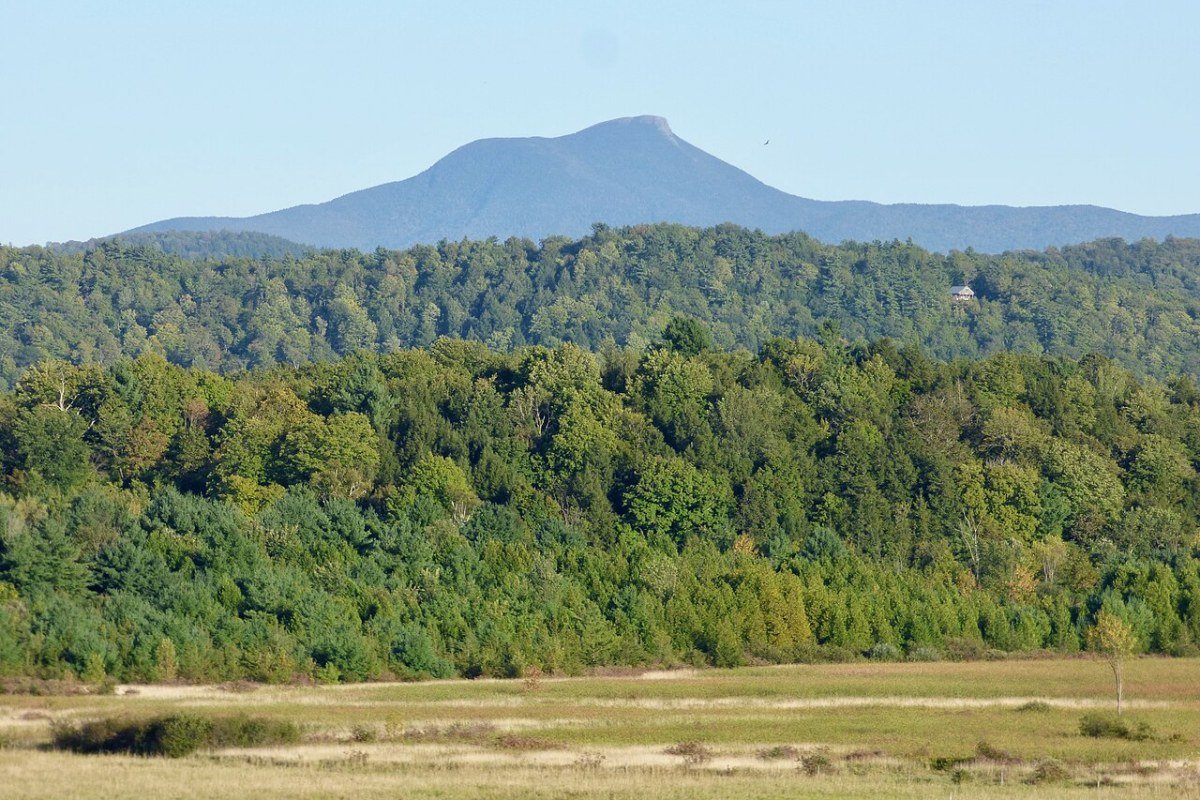
Vermont is the most rural state in New England and arguably its most distinctive to look at — a landscape of rolling green hills, covered bridges, white-steepled village churches, dairy farms, and sugar maples that turn incandescent orange and red every October in the country’s most celebrated fall foliage display. The state’s roughly 647,000 residents occupy a landscape that has resisted the suburban sprawl defining much of the northeastern United States, preserving a character visitors experience as both genuinely historic and deliberately maintained. Burlington, Vermont’s largest city at about 44,000 people, sits on the eastern shore of Lake Champlain with views of the Adirondacks across the water — a university town with an outsized food, music, and arts scene relative to its size. The ski resorts of Stowe, Killington, and Sugarbush anchor the state’s winter economy and draw skiers from Boston, New York, and Montreal who find in Vermont’s Green Mountains the best lift-served skiing in the eastern United States.

Fall Foliage: The Peak Season
Vermont‘s fall foliage season runs from late September through mid-October, moving from north to south as temperatures drop. The Green Mountain spine and the Northeast Kingdom (the remote northeastern corner of the state) typically reach peak color in the first two weeks of October, while the Champlain Valley and southern Vermont peak a week or two later. The display owes itself to Vermont’s unusual combination of sugar maple dominance (sugar maples produce the deepest reds and oranges), cold nights that arrive earlier than in states further south, and a landscape of rolling hills that catches light at the dramatic angles that make foliage photography so rewarding.
Best Foliage Routes
- Route 100: The spine of the Green Mountains from Stamford to Newport — the quintessential Vermont drive, passing through ski towns and villages for 216 miles
- Northeast Kingdom (Route 2/5A): The most remote and dramatic foliage in New England; Lake Willoughby’s cliff-flanked waters surrounded by peak color
- Stowe Village to Smugglers’ Notch: Route 108 (the Mountain Road) climbs through the notch for the most theatrical mountain foliage scenery in Vermont — note that the narrow notch road is unmaintained in winter and closes to through traffic once the first heavy snow arrives, usually in November, so an early-October visit is the safe bet
- Mad River Valley (Route 100): Warren, Waitsfield, and the covered bridges of the Mad River — the most photographed foliage valley in the state
Stowe: Vermont’s Premier Resort Town
Stowe, at the base of Mount Mansfield (Vermont’s highest peak at 4,393 feet), is the best-known ski and resort town in New England — a village of 4,000 permanent residents that swells dramatically during ski season and fall foliage. Stowe Mountain Resort, owned by Vail Resorts and part of the Epic Pass, offers 485 acres of lift-served terrain with a vertical drop of 2,360 feet. The resort’s Cliff House restaurant (reached by gondola) and the Spruce Peak base village anchor a polished resort experience unusual in Vermont’s generally understated lodging landscape. The paved Stowe Recreation Path (5.3 miles, following the West Branch River) is a favorite of cyclists, runners, and walkers.

Killington: The Beast of the East
Killington Resort, in central Vermont, is the largest ski resort in the eastern United States by terrain — 1,509 acres across six interconnected mountain peaks with a 3,050-foot vertical drop (the longest in the East). Its snowmaking operation, among the largest in the East, reliably stretches the season from October into May. Killington’s après-ski and nightlife scene is the liveliest in Vermont, centered on the Access Road’s concentration of bars and restaurants that generate a mountain-town energy unlike anywhere else in New England. The resort sits on US Route 4, with relatively easy access from Boston (about 3 hours) and New York (roughly 4.5 hours).
Burlington: Vermont’s Urban Hub
Burlington, on the eastern shore of Lake Champlain, is the cultural and commercial capital of Vermont — a city of about 44,000 that functions far beyond its size as a food, music, and arts destination. Church Street (the pedestrian marketplace at the city’s heart) packs independent shops, restaurants, and cafes into a four-block stretch that delivers the walkable downtown density Vermont’s other communities lack. The Burlington waterfront, renovated with bike paths, a community boathouse, and a lakeside promenade (the seasonal car ferry to Port Kent, New York, has not run since 2019), gives the city a lakefront and Adirondack views few New England downtowns can match. The University of Vermont (about 14,000 students) and Champlain College supply the academic backbone that sustains the city’s intellectual and creative energy.
Ben & Jerry’s and Vermont Food Culture
Vermont’s food identity carries disproportionate influence for a state of roughly 647,000 — the farm-to-table movement that has since gone national grew out of Vermont’s combination of working dairy farms, direct farmer-consumer relationships, and a counterculture food ethic that predated the current mainstream interest by decades. Ben & Jerry’s (founded in a renovated downtown Burlington gas station in 1978, with its factory tour now in Waterbury) is the state’s most famous food export, but the deeper story is Vermont’s cheesemaking tradition (Cabot Creamery, Jasper Hill Farm, and Vermont Creamery among the finest producers in the country), its maple syrup industry (Vermont makes roughly half of all maple syrup produced in the United States), and its craft brewing scene (The Alchemist in Stowe, Hill Farmstead in Greensboro Bend, and Lawson’s Finest Liquids in Waitsfield rank among the most respected craft breweries in the country).
Vermont’s Northeast Kingdom
The Northeast Kingdom — Essex, Orleans, and Caledonia counties in Vermont’s remote northeastern corner — is the state’s least-visited and most authentically rural region, a landscape of working farms, clear lakes, and boreal forest that delivers the purest version of Vermont’s character without the tourism premium of the ski resorts and foliage corridors. Lake Willoughby, hemmed in by 1,000-foot cliffs, has a fjord-like drama few other New England lakes can claim. East Burke’s Kingdom Trails mountain biking network draws riders from across North America. Jay Peak Resort, just 10 miles from the Canadian border, receives more natural snowfall than any resort in the eastern United States (an average of roughly 359 inches a year, the product of orographic upslope snow rather than lake effect) and runs with a lower-key atmosphere than the better-known southern Vermont resorts. For travelers who find Stowe crowded and Killington too party-focused, the Northeast Kingdom offers the Vermont that Vermont residents actually love.
Frequently Asked Questions
When is Vermont’s fall foliage at peak color and where are the best viewing routes?
Vermont’s fall foliage season runs from late September through mid-October, moving from north to south as temperatures drop — the Green Mountain spine and the Northeast Kingdom typically reach peak color in the first two weeks of October, while the Champlain Valley and southern Vermont peak a week or two later. The color owes itself to Vermont’s combination of sugar maple dominance (the deepest reds and oranges of any species), cold nights that arrive earlier than in states further south, and a rolling hillscape that catches light at dramatic angles. Route 100 — the 216-mile spine of the Green Mountains from Stamford to Newport — is the quintessential Vermont fall drive, passing through ski towns and villages. The Northeast Kingdom (Route 2/5A) offers the most remote and dramatic foliage in New England, with Lake Willoughby’s cliff-flanked waters set amid peak color. The Stowe Village to Smugglers’ Notch road (Route 108) climbs through the notch for the most theatrical mountain foliage scenery in the state, though that narrow notch section is unmaintained in winter and closes to vehicles once heavy snow arrives, typically in November. Vermont’s peak foliage draws large crowds and lodging books months in advance — plan well ahead for the first two weeks of October.
What makes Vermont’s ski resorts the best in the eastern United States?
Vermont’s ski resorts — Stowe, Killington, Sugarbush, Mad River Glen, and Okemo among others — offer the best lift-served skiing in the eastern United States, drawing skiers from Boston, New York, and Montreal who find in the Green Mountains a combination of challenging terrain, reliable snowmaking, and classic New England ski-town character. Stowe Mountain Resort (485 acres, 2,360-foot vertical drop, beneath Mount Mansfield, Vermont’s highest peak at 4,393 feet) is the state’s flagship — the Front Four trails (National, Liftline, Starr, and Goat) rank among the most demanding groomed runs in the East. Killington (1,509 acres, 3,050-foot vertical, 155 trails) is the largest ski area in the eastern US and one of the few to open in October thanks to its aggressive snowmaking. Mad River Glen (single chairlift, cooperative-owned, skiing only) is North America’s most intentionally ungroomed traditional ski mountain, attracting expert skiers who view its commitment to natural conditions as the anti-resort statement. Vermont’s ski season runs November through April at the major resorts, with Killington historically extending into May.
What does Burlington offer as Vermont’s largest city?
Burlington (about 44,000 residents, on the eastern shore of Lake Champlain with Adirondack views across the water) performs far beyond its size as a food, music, and arts destination — a university town shaped by the University of Vermont (about 14,000 students) and St. Michael’s College that sustains an outsized creative and culinary scene. Church Street Marketplace, Burlington’s pedestrianized downtown commercial strip, packs in independent restaurants, boutiques, and the Saturday farmers market. The waterfront (ECHO Science Center, Waterfront Park, and the Burlington Bike Path along Lake Champlain) is the recreational heart of the city. Burlington is where Ben & Jerry’s was founded in a renovated downtown gas station in 1978. The city’s music scene — which produced Phish and helped shape the jam-band tradition — stays active in its clubs and venues. Burlington’s median home price of roughly $450,000 to $600,000 makes it one of Vermont’s pricier housing markets, though competitive with comparable New England university cities.
What is Vermont’s food and farm culture like for visitors?
Vermont’s food culture is among the most genuinely farm-to-table in the United States — a state where local farms, artisan cheesemakers, maple syrup producers, and craft breweries operate at a scale and quality that makes “local” a meaningful rather than performative restaurant claim. Vermont produces more maple syrup than any other state — roughly half of the US total from about 8.4 million taps across the state, with the sugar maple’s sap flowing in the brief late-winter window between freezing nights and warming days (typically late February through mid-April). Vermont cheese production includes Cabot Creamery (cooperative, 1919), Jasper Hill Farm (Cellars at Jasper Hill, aging cave cheeses including Harbison and Bayley Hazen Blue), and hundreds of smaller artisan producers — the state has more cheese producers per capita than any other in the country. Vermont craft beer is led by Hill Farmstead Brewery (consistently ranked among the world’s best by RateBeer and Beer Advocate) in Greensboro Bend and The Alchemist (maker of Heady Topper, one of the most sought-after American double IPAs). The Vermont Fresh Network connects farmers directly with chefs across the state, making the farm-restaurant relationship a defining feature of Vermont dining.
What makes the Northeast Kingdom a special Vermont destination?
Vermont’s Northeast Kingdom — the remote three-county region of Orleans, Essex, and Caledonia in the state’s northeastern corner — is the least developed and most distinctively rural part of Vermont, offering an experience of New England landscape and community character that has grown rare elsewhere in the increasingly gentrified state. Kingdom Trails (Burke Mountain area) is the leading mountain biking network in New England — 100-plus miles of cross-country and trail riding through forests and farms that has made East Burke a destination for cyclists from across the country. Lake Willoughby, flanked by the 1,000-foot cliff faces of Mount Pisgah and Mount Hor dropping directly into its cold waters, is the most dramatically sited lake in New England and a genuine geological marvel. Craftsbury Outdoor Center delivers world-class Nordic skiing on groomed trails and hosts US national team training. Jay Peak Resort, near the Canadian border, receives the highest snowfall of any Vermont ski area (averaging roughly 359 inches a year from orographic upslope storms) and offers the most dependable natural snow conditions in the state.