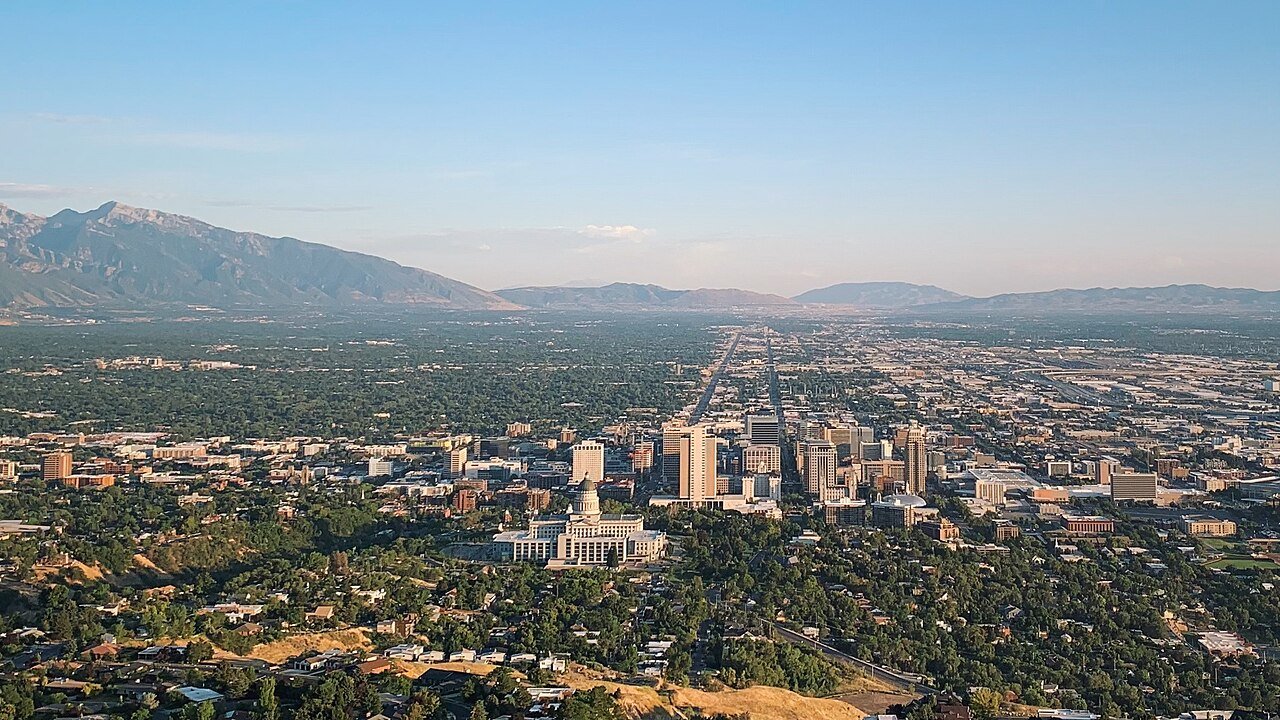
No state packs national parks closer together than Utah. Five sit within roughly 300 miles of each other, joined by two national recreation areas, eight national monuments, and a state park system most other states would envy. The “Mighty Five” — Zion, Bryce Canyon, Capitol Reef, Canyonlands, and Arches — pull in 10 million visitors a year to the red rock, slot canyons, and desert wilderness of the Colorado Plateau across the southern half of the state. Up north, the Wasatch Range above Salt Lake City catches an average of 500 inches of snow a season, the “Greatest Snow on Earth” stamped on Utah license plates with some justification. The city at the foot of those peaks has grown into a real tech and cultural hub since hosting the 2002 Winter Olympics.
Utah’s Mighty Five National Parks
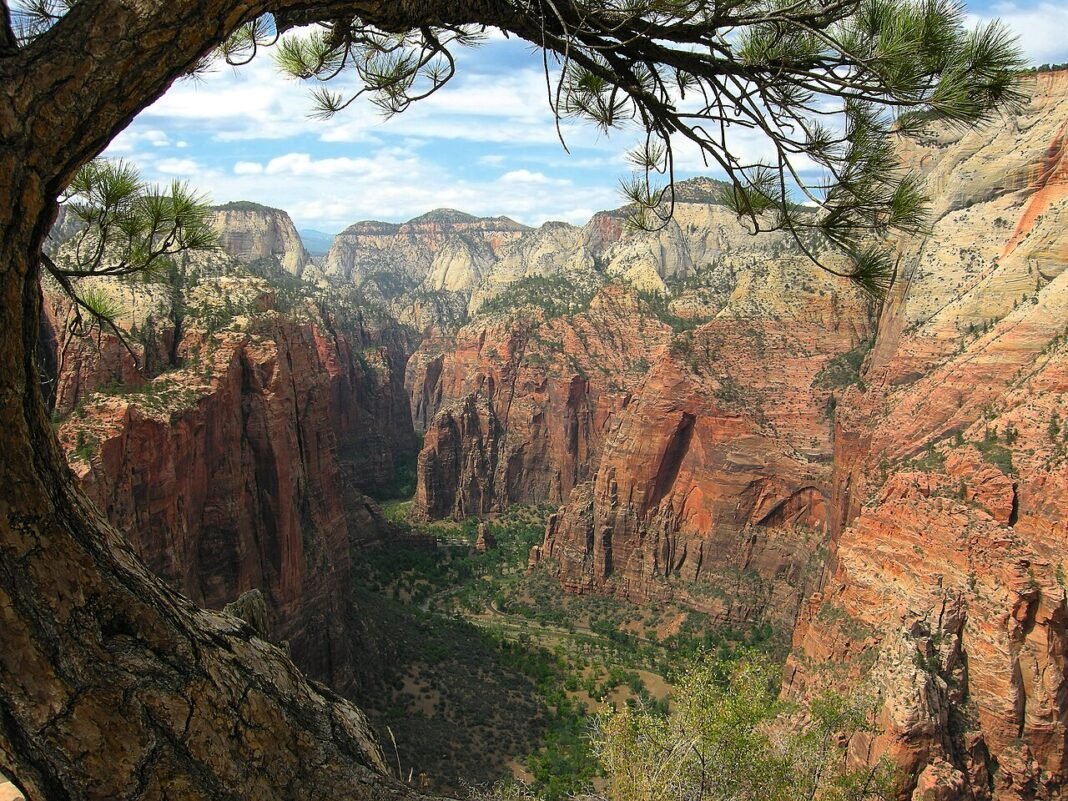
Zion National Park (nearly 5 million visitors a year) is the busiest of the five, known for the Narrows slot canyon hike up the Virgin River between walls that close to 20 feet apart while rising 2,000 feet, Angels Landing (a permit hike with chains bolted along the final exposed half-mile), and the Emerald Pools waterfalls. Bryce Canyon sits at 8,000 to 9,000 feet and bristles with hoodoos — tall, thin rock spires in vivid orange, red, and white — under some of the darkest night skies in the continental United States. Capitol Reef is the most underrated of the five: its Waterpocket Fold, a 100-mile wrinkle in the Earth’s crust, carves the canyon scenery, and Mormon pioneers planted a fruit orchard district here in the 1880s that still bears today.
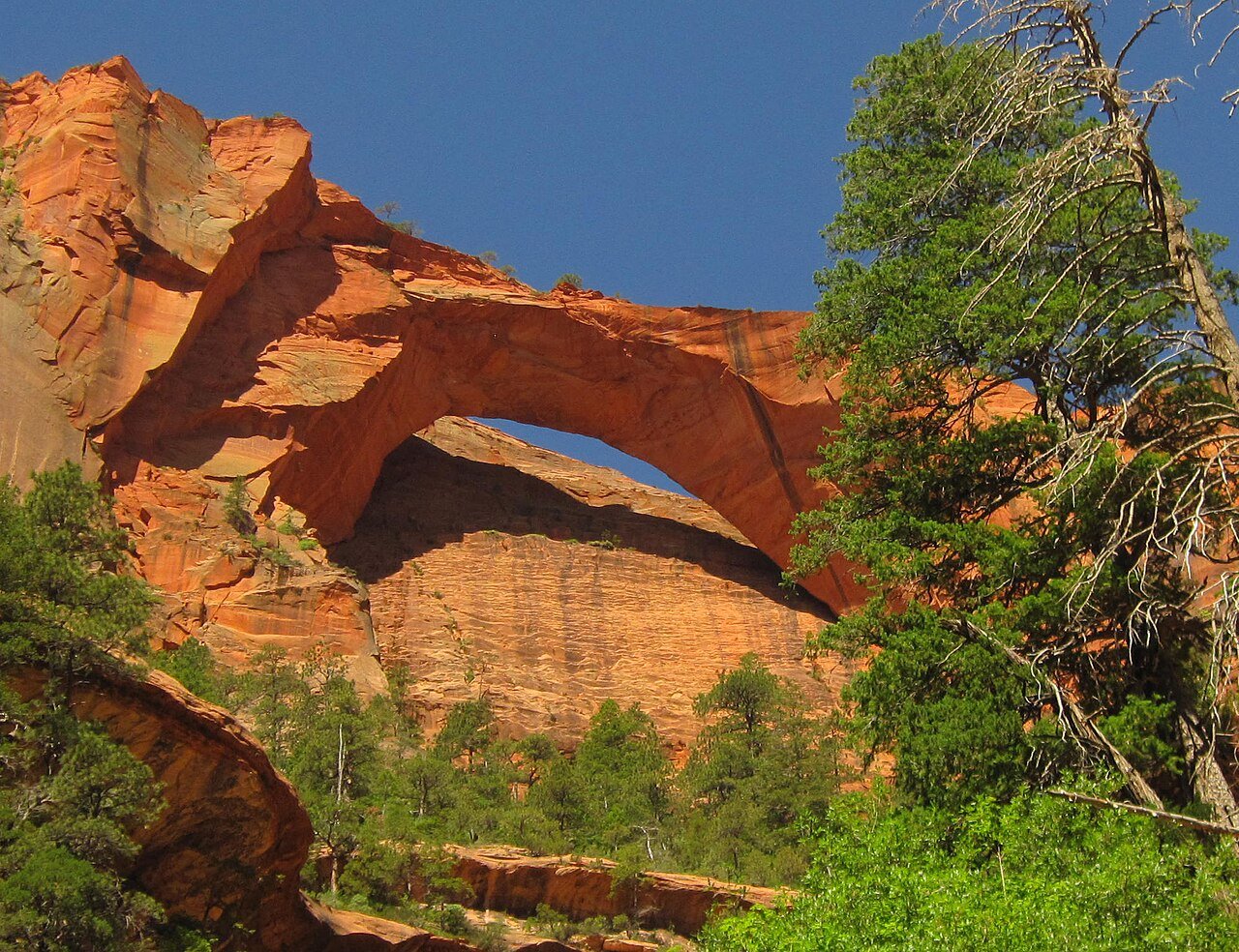
Canyonlands is Utah’s largest and wildest national park — 337,598 acres split by the Green and Colorado Rivers into three districts with no roads connecting them. Island in the Sky offers drive-up mesa-top panoramas that go on for miles; the Needles district holds the finest multi-day backpacking terrain. Arches shelters more than 2,000 natural sandstone arches, including the iconic Delicate Arch — a 52-foot-tall freestanding arch that appears on Utah license plates and ranks as the most photographed feature in the state. Arches dropped its timed-entry reservation system for 2026, so no advance ticket is needed; you still pay the entrance fee at the gate or online, and parking at popular trailheads fills early on weekends.
Zion National Park: Utah’s Crown Jewel
Zion is the busiest park in Utah, and the Narrows alone explains why. The hike wades the Virgin River through knee- to thigh-deep water between walls 2,000 feet tall that pinch to 20 feet wide, and nothing else in the state feels quite like it. Angels Landing demands a permit (a day-use lottery on Recreation.gov) and a grip on the chains bolted along the final half-mile to a summit with stomach-dropping views down the main canyon — one of the great short hikes anywhere in the park system. A free shuttle runs the scenic drive (mandatory May through October), cutting traffic and letting you hop off at any trailhead. For the best mix of fall color and thinner crowds, come late October into early November; spring works too, though the weather is harder to read.
Bryce Canyon: Hoodoos at Altitude
Bryce Canyon’s Navajo Loop and Queen’s Garden trails, linked for a 2.9-mile loop, drop you down among the hoodoos and through the heart of the amphitheater rather than leaving you to peer at it from the rim. The thin air at 8,000 to 9,000 feet pays off after dark: Bryce is an International Dark Sky Park, and the Milky Way shows up on most clear nights. Snow is possible here in any month, and a spring dusting on the orange spires is the kind of scene photographers plan trips around. If you’d rather not hike, Sunrise Point and Sunset Point deliver the classic view straight from the parking lot.
Park City: World-Class Ski Destination
Roughly 35 minutes from Salt Lake City International Airport, Park City may be the easiest big-mountain ski town to reach in North America — a former silver-mining camp turned Olympic venue (2002 Winter Olympics) where two major resorts sit within walking distance of a historic Main Street. Park City Mountain spreads across 7,300 acres, the largest ski resort in the United States; neighboring Deer Valley roughly doubled its terrain to about 4,300 acres in a recent expansion and is still skier-only, known for meticulous grooming and service. The Sundance Film Festival every January keeps the town in the cultural conversation year-round. Once the snow melts (May through October), the draw shifts to mountain biking on the Utah Olympic Park trails and the Wasatch Crest, plus hiking and golf. With the airport that close, Park City works as a day trip from the city or as a base for the northern Utah backcountry.
Moab: Adventure Capital of the Southwest
Moab, the gateway to both Arches and Canyonlands National Parks, calls itself the adventure capital of the American Southwest and has the trail map to back it up. This town of 5,000 has built its whole identity on outdoor recreation: the Slickrock Trail is one of the most famous mountain-bike rides anywhere, the Colorado River churns up Class IV–V whitewater through Cataract Canyon, and the surrounding 4WD network ranks among the finest in the lower 48. It’s about a 4-hour drive from Salt Lake City, or a short flight into Moab from Denver, which makes it an easy long-weekend target from across the West.
Practical Information
Salt Lake City International Airport opened its new terminal in 2020 and has added gates in phases since; it connects to every major US hub. The southern parks (Zion, Bryce, Arches) sit four to five hours away by car, so a rental is essential. Scenic Byway 12 between Bryce Canyon and Capitol Reef earns its All-American Road designation and ranks among the prettiest drives in the country. Cell coverage thins out fast in canyon country, so download offline maps before you leave pavement. High summer (June through August) bakes the desert parks past 100°F but feels perfect up in the mountains; the shoulder seasons (April–May and September–October) bring ideal conditions and the smallest crowds. Don’t write off winter in the south, either — it’s cold but manageable, and you’ll have the trails largely to yourself.
Frequently Asked Questions
What are Utah’s Mighty Five national parks?
Utah’s five national parks sit within roughly 300 miles of each other and together draw 10 million visitors a year to the Colorado Plateau’s red rock landscape: Zion (nearly 5 million visitors a year — famous for the Narrows slot canyon hike, Angels Landing, and the Emerald Pools); Bryce Canyon (8,000–9,000 feet elevation, packed with hoodoos — tall thin rock spires in orange, red, and white — under some of the darkest night skies in the continental US); Capitol Reef (the most underrated of the five — the Waterpocket Fold, a 100-mile wrinkle in the Earth’s crust, plus a historic Mormon pioneer fruit orchard district from the 1880s); Canyonlands (337,598 acres split by the Green and Colorado Rivers into three districts — Island in the Sky for drive-up mesa panoramas, the Needles district for the best multi-day backpacking); and Arches (2,000+ natural sandstone arches including the iconic 52-foot Delicate Arch on Utah license plates). Arches dropped its timed-entry reservation requirement for 2026, so no advance ticket is needed.
What is Zion National Park’s most famous experience?
Zion’s signature experience is the Narrows — a slot canyon walk up the Virgin River between walls that close to 20 feet apart while rising 2,000 feet overhead. Waterproof shoes and trekking poles are essential, since the hike means wading through knee- to thigh-deep water. Angels Landing (a permit hike with chains on the final exposed half-mile to a dizzying summit) is one of the great short hikes in the national park system — entry runs through a day-use lottery on Recreation.gov. The free park shuttle (mandatory May through October) keeps traffic off the scenic drive. Best timing: late October to early November (fall color and manageable crowds) or spring (April–May). Zion does not require a park-wide timed-entry reservation, and Arches dropped its timed-entry system for 2026 — you only need permits for specific hikes like Angels Landing.
What is Park City and why is it considered a world-class ski destination?
Park City sits about 35 minutes from Salt Lake City International Airport, which makes it one of the easiest big-mountain ski towns to reach in North America. It hosted events at the 2002 Winter Olympics and has two major resorts: Park City Mountain (7,300 acres, the largest ski resort in the US) and skier-only Deer Valley (around 4,300 acres after a recent expansion, famous for its grooming and service), both within walking distance of a historic Main Street lined with restaurants and shops. The Wasatch Range averages 500 inches of snow a season — the “Greatest Snow on Earth,” a light, dry powder that is Utah’s most celebrated export. The Sundance Film Festival each January turns the town into a global cinema event. Come summer (May–October), the focus shifts to mountain biking, hiking, and the Utah Olympic Park.
What is Moab and what outdoor activities does it offer?
Moab, gateway to both Arches and Canyonlands National Parks, is the adventure capital of the American Southwest — a small city of 5,000 whose entire identity is built around outdoor recreation. Mountain biking: the Slickrock Trail is one of the most famous rides in the world, with crypto-biotic soil and sandstone slickrock requiring particular technique. Whitewater rafting: the Colorado River through Cataract Canyon provides Class IV–V whitewater in one of the most dramatic canyon settings in North America. 4WD adventure touring: Moab’s canyon country trail system ranks among the finest in the lower 48. About a 4-hour drive from Salt Lake City, or a short flight in from Denver, Moab makes an easy long-weekend trip. Skip the height of summer (temperatures regularly top 100°F); April–May and September–October are ideal.
What is Bryce Canyon National Park known for?
Bryce Canyon National Park sits at 8,000–9,000 feet elevation and is filled with hoodoos — tall thin rock spires formed when frost wedging and erosion sculpt the Claron limestone into extraordinary orange, red, and white formations. The Navajo Loop and Queen’s Garden trails (linked for 2.9 miles) drop into the amphitheater and weave among the spires instead of viewing them from above. Bryce is an International Dark Sky Park with some of the finest stargazing in any national park — the Milky Way shows on most clear nights. A spring dusting of snow on the orange hoodoos makes for spectacular photography. Sunrise Point and Sunset Point deliver the classic hoodoo views with no hiking required. The park is accessible year-round; winter (December–February) offers the most dramatic snow-covered hoodoo landscapes with far smaller crowds.