

Ohio is the most underestimated state in the American travel landscape — a place most travelers pass through without stopping, whose three major cities have undergone genuine cultural renaissances over the past two decades, and whose southeastern Appalachian foothills hold outdoor recreation that competes with better-known destinations in neighboring states. Cleveland’s shift from post-industrial cautionary tale to cultural draw ranks among the more striking urban revivals in the country — the Rock and Roll Hall of Fame, the Cleveland Museum of Art (whose renovation and expansion produced one of the finest museum experiences in the United States), the West Side Market, and a restaurant scene with national recognition all add up to a city that surprises visitors. Columbus, the state capital and home to Ohio State University, has grown into one of the most dynamic mid-sized cities in the country — a tech and startup hub with a food and arts culture that pulls talent from across the region. And Cincinnati, straddling the Ohio River at the state’s southwestern corner, keeps a character all its own, shaped by German immigrant heritage, a hillside geography unlike any other Ohio city, and cultural institutions of real national standing.

Cleveland: The Rock and Roll Capital
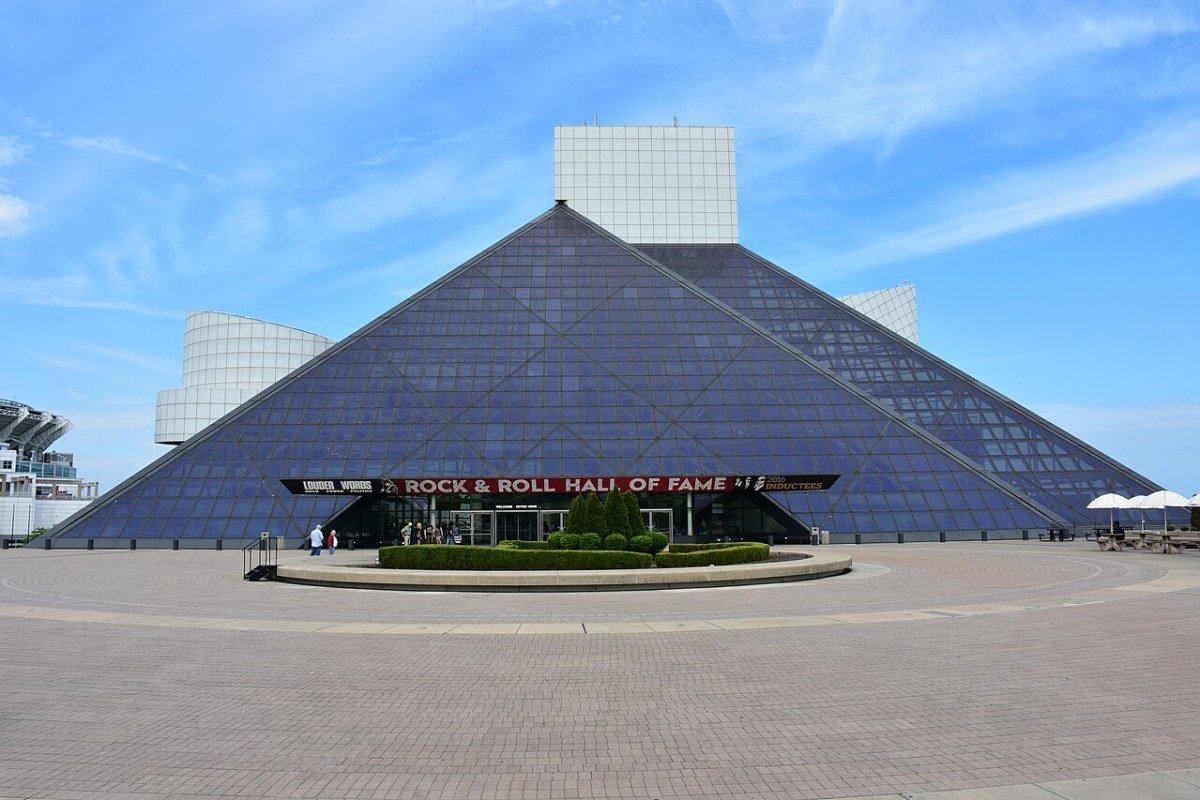
Cleveland’s cultural infrastructure runs deeper than most visitors anticipate. The Rock and Roll Hall of Fame’s permanent collection traces the full history of popular music inside a building whose architectural drama — I.M. Pei’s glass pyramid on the Lake Erie waterfront — matches the ambition of its mission. The Cleveland Museum of Art’s renovation produced a central glass-roofed atrium linking the original neoclassical building with modern wings, and its permanent collection of more than 61,000 works spans Egyptian, Greek, medieval European, and Asian holdings of exceptional quality — all with free general admission. The West Side Market, running since 1912 in a Beaux-Arts terminal building, ranks among the country’s best public markets, with close to 100 vendors selling produce, meat, cheese, and prepared food. The Cleveland Orchestra, based at Severance Music Center, is consistently counted among the world’s leading ensembles. Playhouse Square — the largest performing arts center in the United States outside New York City — hosts Broadway touring productions, opera, and concerts across a cluster of beautifully restored 1920s theaters.
Columbus: The Emerging Capital
Columbus has turned into one of the more surprising cities in the American Midwest — a state capital that has leaned on Ohio State University’s research output, a diversified tech economy, and a young population to build a food and arts culture of real national standing. The Short North Arts District, stretching north from downtown along High Street, lines up galleries, restaurants, and nightlife in a walkable corridor that anchors the city’s reputation as a creative destination. The Columbus Museum of Art, the Wexner Center for the Arts (a contemporary art center on the Ohio State campus designed by Peter Eisenman), and the Franklin Park Conservatory round out the cultural picture. The German Village neighborhood, a restored 19th-century German immigrant community of brick row houses south of downtown, stands as one of the Midwest’s most distinctive residential historic districts. The North Market, the city’s oldest public market, draws a Saturday-morning crowd for local produce, artisan food, and a strong sense of community.
Cincinnati: Hills and Heritage
Cincinnati’s geography is its defining asset — a river city built on hills that create dramatic views, separate neighborhood characters, and a topographic variety unusual in the Midwest flatlands. Eden Park, on one of the city’s highest hills, holds the Cincinnati Art Museum and the Krohn Conservatory, with views over the Ohio River to Kentucky that rank among the region’s best urban vistas. Over-the-Rhine, the historic German immigrant neighborhood north of downtown, has come through a striking rehabilitation — from a long-troubled district to a destination of galleries, restaurants, and bars housed in 19th-century Italianate commercial buildings. The Cincinnati Art Museum’s free admission and broad collection make it one of the most accessible major art museums in the country. The American Sign Museum — a genuinely absorbing chronicle of American commercial and graphic history told through the country’s largest collection of historic signs — is among Cincinnati’s most enjoyable stops.
Hocking Hills and the Appalachian Foothills
Southeast Ohio’s Hocking Hills region holds the state’s most spectacular natural scenery — a landscape of sandstone recess caves, waterfalls, and hemlock-lined gorges that looks nothing like the flat agricultural Ohio of popular imagination. Old Man’s Cave, Ash Cave (the largest recess cave east of the Mississippi at 700 feet wide and 100 feet deep), and Cedar Falls together form one of the Midwest’s best state-park hiking systems. The region also supports a well-regarded wine trail, rural farm stays, and a growing cluster of boutique lodges and tree house rentals that have made it a popular weekend getaway for Ohio’s urban residents. Wayne National Forest, Ohio’s only national forest, adds backcountry camping and extra trail access in the neighboring Wayne and Athens counties.
Practical Information
Ohio’s three major airports (Cleveland Hopkins International, John Glenn Columbus International, Cincinnati/Northern Kentucky International) all take direct flights from major US hubs. Driving between cities is simple — Cleveland to Columbus runs about 2.5 hours, Columbus to Cincinnati about 2 hours, and Cleveland to Cincinnati about 4 hours. A rental car is worth it for the Hocking Hills region and the Lake Erie islands, where public transit thins out. Ohio summers are warm and humid; spring and fall suit outdoor activity well; winter brings lake-effect snow to the northern part of the state (the Cleveland area in particular) but stays generally milder through the central and southern portions.
Getting the Most Out of Your Visit
A few practical points will improve any trip to Ohio. Book lodging and major attractions — state parks, popular hiking trails, and well-known restaurants in particular — as far ahead as you can; the best options fill weeks or months out, especially in peak season. A car gives you the most flexibility for getting beyond the main centers, and many of Ohio’s most rewarding spots sit in places public transit does not reach. Some of the best local knowledge turns up at regional visitor centers, independent bookshops, and in conversation with residents — the discoveries you remember are rarely the ones already in the guidebooks. Give yourself more time than you think you need: Ohio rewards travelers who slow down and dig in rather than racing to cover ground.
Frequently Asked Questions
What makes Cleveland’s cultural infrastructure more impressive than most visitors expect?
Cleveland’s cultural infrastructure regularly surprises visitors who arrive with Rust Belt preconceptions. The Rock and Roll Hall of Fame’s permanent collection traces the full history of popular music inside a building whose architectural drama — I.M. Pei’s glass pyramid on the Lake Erie waterfront — matches the ambition of its curatorial mission. The Cleveland Museum of Art’s renovation produced a central glass-roofed atrium linking the original neoclassical building with modern wings, and its permanent collection of more than 61,000 works covers Egyptian, Greek, medieval European, and Asian holdings of exceptional quality — with free general admission. The West Side Market, running since 1912 in a Beaux-Arts terminal building, ranks among the country’s best public markets, with close to 100 vendors. The Cleveland Orchestra at Severance Music Center is consistently counted among the world’s leading ensembles. Playhouse Square — the largest performing arts center in the United States outside New York City — hosts Broadway touring productions across a cluster of restored 1920s theaters.
What has driven Columbus’s emergence as one of the most dynamic mid-sized cities in the country?
Columbus has turned into one of the more surprising cities in the American Midwest — a state capital that has leaned on Ohio State University’s research output, a diversified tech economy, and a young population to build a food and arts culture of real national standing. The Short North Arts District, stretching north from downtown along High Street, lines up galleries, restaurants, and nightlife in a walkable corridor that anchors the city’s reputation as a creative destination. The Columbus Museum of Art and the Wexner Center for the Arts (a contemporary art center on the Ohio State campus designed by Peter Eisenman) give the city serious cultural institutions. The German Village neighborhood, a restored 19th-century German immigrant community of brick row houses south of downtown, stands as one of the Midwest’s most distinctive residential historic districts. The North Market, the city’s oldest public market, remains a Saturday-morning community anchor. Intel’s semiconductor manufacturing campus near Columbus — first announced in 2022 and now slated to begin production around 2030 after schedule delays — ranks among the largest single investments in American manufacturing history.
What makes Cincinnati’s character distinct from other Ohio cities?
Cincinnati’s geography is its defining asset — a river city built on hills that create dramatic views, separate neighborhood characters, and topographic variety unusual in the Midwest flatlands. Eden Park, on one of the city’s highest hills, holds the Cincinnati Art Museum (free admission, broad collection) and the Krohn Conservatory, with views over the Ohio River to Kentucky that rank among the region’s best urban vistas. Over-the-Rhine, the historic German immigrant neighborhood north of downtown, has come through one of the more striking urban rehabilitations in recent American history — from a long-troubled district to a destination of galleries, restaurants, and bars in 19th-century Italianate commercial buildings. The American Sign Museum chronicles American commercial and graphic history through the country’s largest collection of historic signs. Cincinnati also carries a direct link to antebellum Underground Railroad heritage — its position on the Ohio River made it a crossing point for thousands of freedom seekers entering free territory.
What does the Hocking Hills region offer as Ohio’s most spectacular outdoor destination?
Southeast Ohio’s Hocking Hills region holds the state’s most spectacular natural scenery — a landscape of sandstone recess caves, waterfalls, and hemlock-lined gorges carved from Black Hand sandstone that looks nothing like the flat agricultural Ohio of popular imagination. Old Man’s Cave is the signature attraction, a system of recess caves along Queer Creek where waterfalls and a deep gorge create scenery that holds its own against Appalachian destinations in neighboring states. Ash Cave — a single recess cave 700 feet wide and 100 feet deep — is the largest recess cave east of the Mississippi, reachable by a short level trail. Cedar Falls, the tallest waterfall in the Hocking Hills system, takes a moderate hike. The region also supports a well-regarded wine trail, rural farm stays, and boutique lodges and tree house rentals that have made it Ohio’s most popular weekend getaway. Wayne National Forest, Ohio’s only national forest, adds adjacent backcountry camping in Wayne and Athens counties.
How do Ohio’s three major cities differ in character and what does each offer visitors?
Ohio’s three major cities offer genuinely distinct experiences that reflect their different industrial histories and cultural paths. Cleveland, on Lake Erie in the northeast, has completed one of the more striking post-industrial cultural turnarounds in the United States — the Rock and Roll Hall of Fame, Cleveland Museum of Art, Cleveland Orchestra, and West Side Market together form a cultural cluster that rivals cities several times its size. Columbus, the state capital in the center of the state, is Ohio’s most economically dynamic and youngest-skewing city — a tech and startup hub whose Short North Arts District and German Village deliver urban energy at accessible prices. Cincinnati, in the southwest corner on the Ohio River, is the most historically layered and architecturally distinct of the three — its hillside topography, German immigrant heritage, and Over-the-Rhine rehabilitation create a character unlike any other Midwestern city. Interstate highways connect all three within 2 to 4 hours of driving.