
Western Australia Travel Guide 2026: Perth, Broome, and the Kimberley
Western Australia is Australia’s largest and most isolated state — one-third of the continent’s land area, 2.5 million residents (90% of whom live in Perth), and natural landscapes so extraordinary in their scale and visual drama that they must be experienced rather than described to be properly understood. The Kimberley region in the state’s far north contains gorges, tidal waterfalls, boab trees, and ancient Aboriginal rock art in a wilderness that genuinely rivals the world’s most dramatic tropical landscapes. The Pilbara’s iron ore country surrounds the Karijini National Park, where gorges of banded iron formation rock descend into swimming holes of crystalline water. The Margaret River region in the southwest produces wines of international reputation and beaches of world-class surf. And Perth itself — 2,700km from the nearest Australian city, washed by the Indian Ocean, flanked by the Swan Valley wine region and the Darling Scarp — is the most geographically isolated major city in the world and among the most beautiful.
Perth: The Isolation Premium
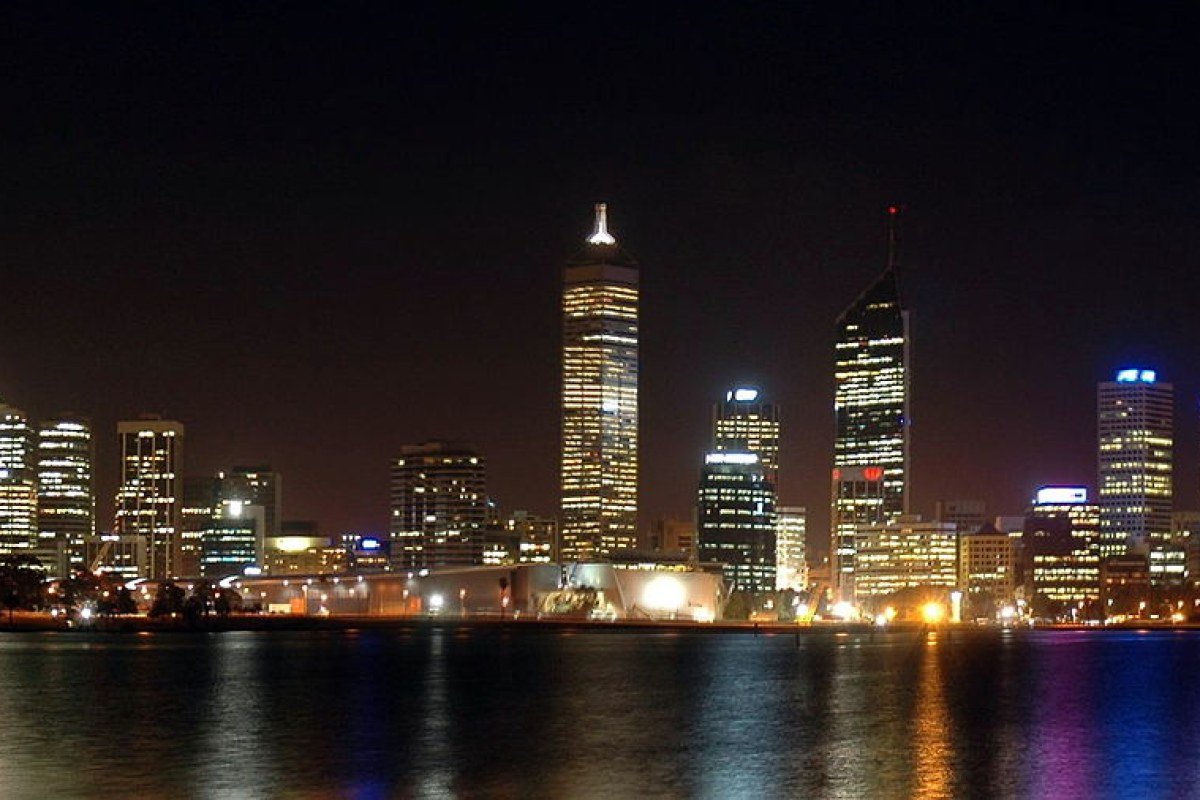
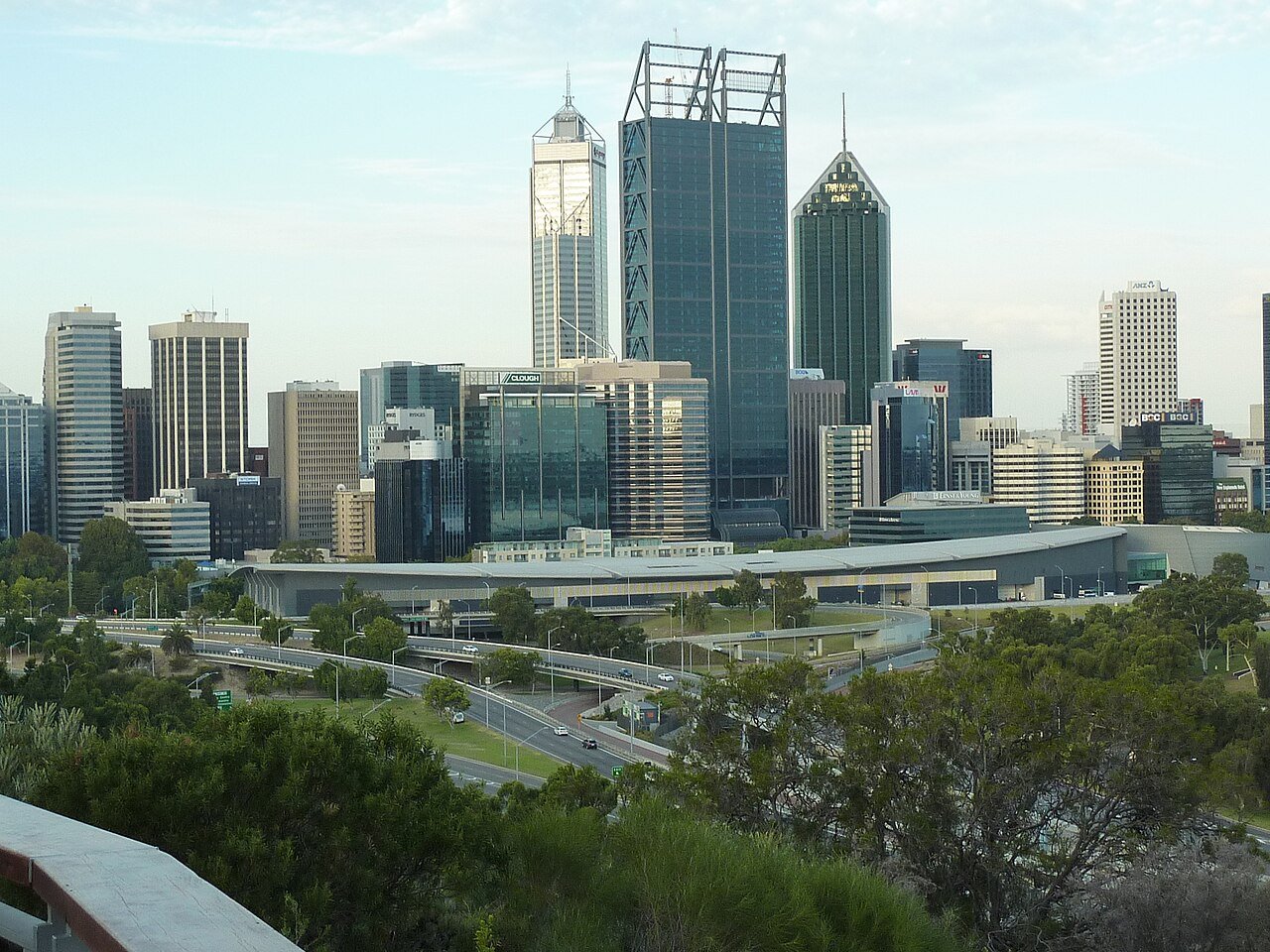
Perth’s character is defined by its isolation — a city of 2.2 million that functions as a self-contained world, where the beach is a daily reality rather than a weekend destination, where the Indian Ocean sunsets are among the most reliably spectacular of any city on Earth, and where the mining wealth of the Pilbara and Kimberley has built civic infrastructure (the Elizabeth Quay development, the Perth Stadium, the Optus precinct) that exceeds what the population size would normally support. The city’s Mediterranean climate (300+ sunshine days, warm dry summers, mild wet winters) is considered the finest of any major Australian city for outdoor living — the Cottesloe Beach Sunday sunset ritual, the South Perth foreshore cycle path above the Swan River, and the Fremantle fishing boat harbour’s afternoon seafood sessions are the defining images of Perth life.
Perth Must-Experiences
- Cottesloe Beach: Perth’s most beloved beach, 12km from the CBD; the Sunday afternoon ritual of sunset swimming and fish and chips on the beach wall is quintessential Perth
- Rottnest Island (Wadjemup): 18km offshore by ferry; home of the quokka (the world’s happiest-looking marsupial); car-free island cycling, snorkelling, and swimming at Basin and Little Salmon Bay
- Fremantle: The heritage port city 19km south of Perth; the Fremantle Markets (Friday–Sunday), the Round House (Western Australia’s oldest building), the Fishing Boat Harbour’s seafood restaurants, and the maritime character of the convict-built port precinct
- Kings Park and Botanic Garden: 400 hectares of native bushland above the Swan River, immediately adjacent to the CBD; the Western Australian Botanic Garden’s wildflower display (August–September) is one of Australia’s finest

Margaret River: Surf, Wine, and Karri Forest
The Margaret River region, 270km south of Perth, combines world-class surfing, internationally acclaimed wine production, and some of Australia’s finest tall-timber forests in a compact region accessible on a weekend road trip from Perth. The region’s Cabernet Sauvignon and Chardonnay have placed it among the world’s premier wine regions (Margaret River produces 3% of Australia’s wine but 20% of its premium wine by value); the surf breaks of Surfers Point, Gracetown, and the remote southern beaches deliver consistent Indian Ocean swells to quality beach and reef breaks. The Boranup Karri forest and the Jewel Cave limestone system complete a landscape of unusual ecological diversity. The Margaret River township’s gallery and restaurant strip and the Voyager Estate, Leeuwin Estate, and Cape Mentelle winery experiences anchor the visitor economy.
Broome: Pearls, Red Pindan, and Cable Beach
Broome, 2,200km north of Perth on the Kimberley coast, is Australia’s most famous remote destination — a town of 16,000 where the red pindan (iron-rich red) cliffs meeting the turquoise Indian Ocean at Gantheaume Point provide one of the most photographed landscapes in Australia, where Cable Beach’s 22km of white sand hosts the iconic camel rides into the sunset, and where the pearling heritage (Broome produces 80% of Australia’s South Sea pearls, the largest and finest pearls in the world) shapes both the economy and the cultural character. The Staircase to the Moon (the reflection of the rising full moon on the mudflats at low tide, April–October) is Broome’s most famous visual spectacle.
The Kimberley: Australia’s Last Frontier
The Kimberley, in Western Australia’s far north, is one of the world’s great wilderness destinations — 421,000 square kilometres of ancient landscape traversed by the Gibb River Road (660km of red dirt track from Derby to Kununurra) connecting gorges, waterfalls, cattle stations, and Aboriginal communities in a journey that requires preparation comparable to an overland Africa expedition. Purnululu National Park’s Bungle Bungles (the beehive-striped sandstone domes visible from the air and accessible on foot through the palm-filled gorges) and the Horizontal Falls (tidal rapids through two narrow gorges on the Kimberley coast) are the region’s signature features.
Planning Your Western Australia Visit
Western Australia’s extraordinary scale — the state is the same size as Western Europe — means that honest itinerary planning is essential. Perth and Margaret River are a self-contained itinerary for 7–10 days that requires no internal flights: drive south from Perth to the Swan Valley and the Darling Range on day one, continue to Margaret River for 3–4 days of wine, caves, and surf, and return via the Geographe Bay towns of Dunsborough and Busselton (the Busselton Jetty, at 1.84km the longest timber-piled jetty in the southern hemisphere, is obligatory). Broome and the Kimberley require separate flights from Perth and a minimum of 4–5 days to justify the transit; the full Gibb River Road is a 7–10 day self-drive requiring a well-equipped 4WD. The optimal travel window is April to October — Western Australia’s dry season delivers clear skies, manageable temperatures, and the best road conditions for the outback itineraries.
Getting the Most Out of Your Visit
A few practical points that will improve any trip to Western Australia. Book accommodation and major attractions — particularly national parks, popular hiking trails, and well-known restaurants — as far in advance as possible; the most desirable options can fill weeks or months ahead, especially in peak season. Having a car provides the most flexibility for exploring beyond the main centers, and most of Western Australia’s most rewarding experiences are in places not easily reached by public transport. The best local knowledge is often found in regional visitor centers, independent bookshops, and by talking to residents — the most memorable discoveries on any trip are rarely the ones in the guidebooks. Allocate more time than you think you need: Western Australia consistently rewards travelers who slow down and explore in depth rather than trying to cover maximum ground in minimum time.