Outdoor Activities in West Virginia 2026: Whitewater, Climbing, and Appalachian Wilderness
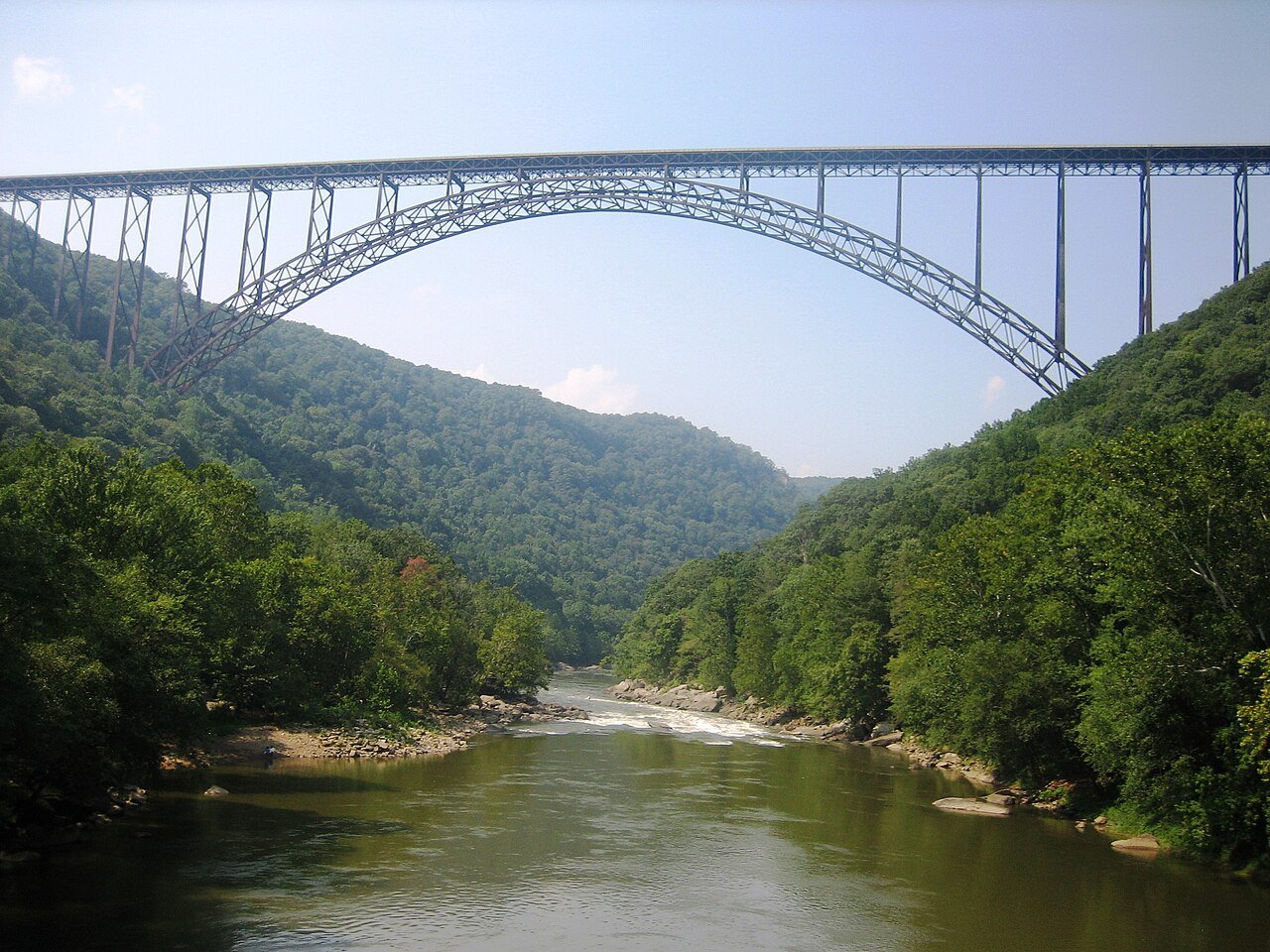
West Virginia is the outdoor recreation state that the eastern United States has been hiding in plain sight — a state where 78% of the land is forested, where Class V whitewater runs through gorges carved 1,000 feet deep, where Appalachian sandstone provides the finest sport climbing on the East Coast, and where the Monongahela National Forest’s 919,000 acres contain more designated wilderness than any national forest in the eastern United States. The New River Gorge National Park (America’s newest, established 2020) formally announced what paddlers, climbers, and hikers have known for decades: West Virginia’s outdoor assets are among the most significant in the country. The state’s rivers — the New, the Gauley, the Cheat, the Potomac — provide whitewater across every difficulty level from Class I flatwater to Class V expert; the climbing from New River Gorge to Seneca Rocks covers beginner sport routes to Grade VI big wall objectives. This is serious outdoor terrain.
Whitewater Rivers: The Paddling Mecca
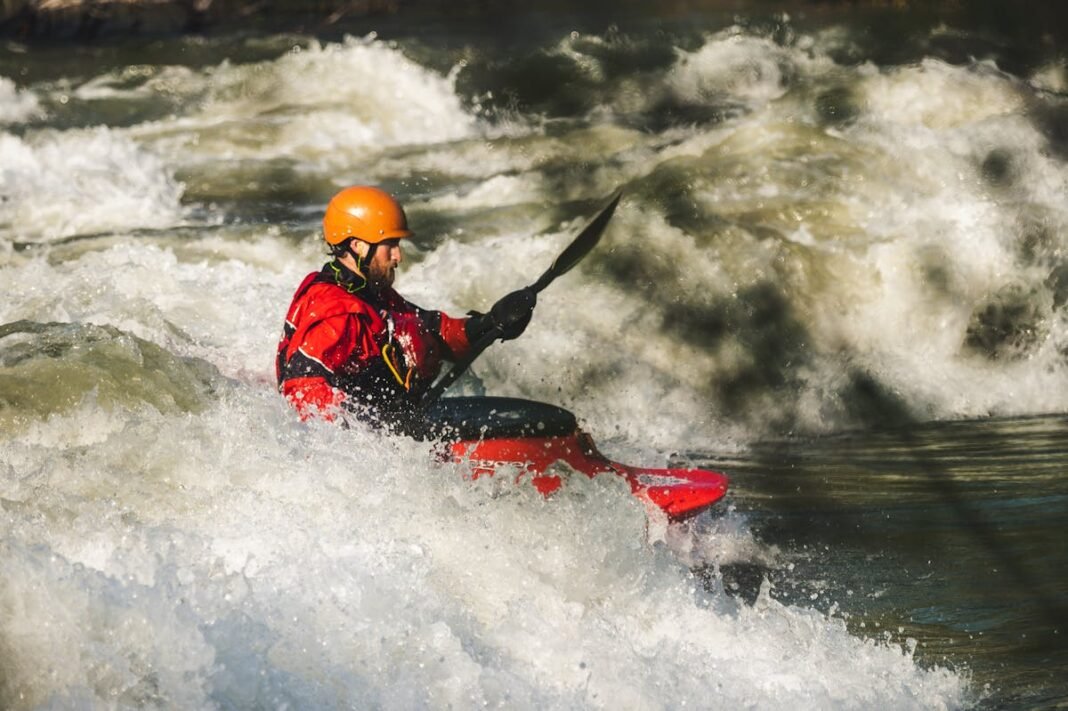
West Virginia’s river system is the finest whitewater concentration in the eastern United States, with multiple major rivers offering distinct paddling experiences:
New River — Lower Gorge (Class IV–V)
- Character: Big water over boulders in a 1,000-foot-deep gorge; Millers Folly, Surprise, and Undercut Rock are the signature rapids
- Access: Commercial raft trips from Fayetteville outfitters; private boats with appropriate experience
- Season: Best April–October; spring runoff provides the highest and most challenging flows
Gauley River (Class IV–V+)
- Character: 26 miles of continuous Class IV–V; Insignificant, Pillow Rock, Lost Paddle, Iron Ring — some of the hardest commercially rafted whitewater in the world
- Gauley Season: September–November when Summersville Dam releases; the most anticipated whitewater event in the eastern US annually
- Commitment: Full-day commitment; not beginner whitewater; commercial trips available with experienced outfitters
Cheat River Canyon (Class III–IV)
- Character: 10.5-mile canyon through the Cheat Canyon with excellent Class III–IV whitewater; more accessible than Gauley but genuinely challenging
- Access: Near Morgantown; put-in at Albright, take-out at Jenkinsburg

Rock Climbing: New River Gorge and Seneca Rocks
West Virginia offers the two most significant climbing destinations in the mid-Atlantic:
- New River Gorge climbing areas: 1,400+ established sport and traditional routes on Nuttall sandstone; Endless Wall (the most popular area with 200+ routes), Diamond Point, Beauty Mountain, and Fern Creek provide routes from 5.4 to 5.14; the sandstone’s texture and the gorge’s access from Fayetteville make this the most visited climbing destination in the eastern US
- Seneca Rocks climbing: Grade III–Grade VI traditional routes on Tuscarora quartzite; the South Peak (an authorized hiking route to the summit) and the climbing routes on the main faces provide objectives from moderate to serious multi-pitch; the USFS climbing rangers provide information at the Seneca Rocks Discovery Center
- Coopers Rock State Forest (near Morgantown): Day-use sport and trad climbing on Pottsville sandstone; accessible from Morgantown; beginner-friendly to intermediate routes
Hiking: Monongahela National Forest
The Monongahela National Forest’s 919,000 acres contain the most significant hiking terrain in West Virginia:
- Spruce Knob (4,863 feet): West Virginia’s highest point; accessible by road to the observation tower; the Spruce Knob Lake Trail and Huckleberry Trail provide day hiking through red spruce forest that feels like northern Canada transported to the mid-Atlantic
- Dolly Sods Wilderness (10,215 acres): A high-altitude plateau at 3,600–4,000 feet with a subalpine character — wind-flagged red spruce, open bogs, blueberry heaths; the most unique ecological hiking experience in the mid-Atlantic; the Rohrbaugh Plains/Red Creek trail system provides 50+ miles of backpacking routes
- Cranberry Glades Botanical Area: Four sphagnum bogs at 3,400 feet; boardwalk trail through the southernmost boreal bog habitat in the East; carnivorous plants (sundew, pitcher plant) are the botanical highlight
- Greenbrier River Trail (77 miles): A rail-trail along the Greenbrier River through the mountain valleys of Pocahontas and Greenbrier Counties; accessible, low-gradient, and scenically exceptional for cycling and hiking
Skiing and Winter Sports
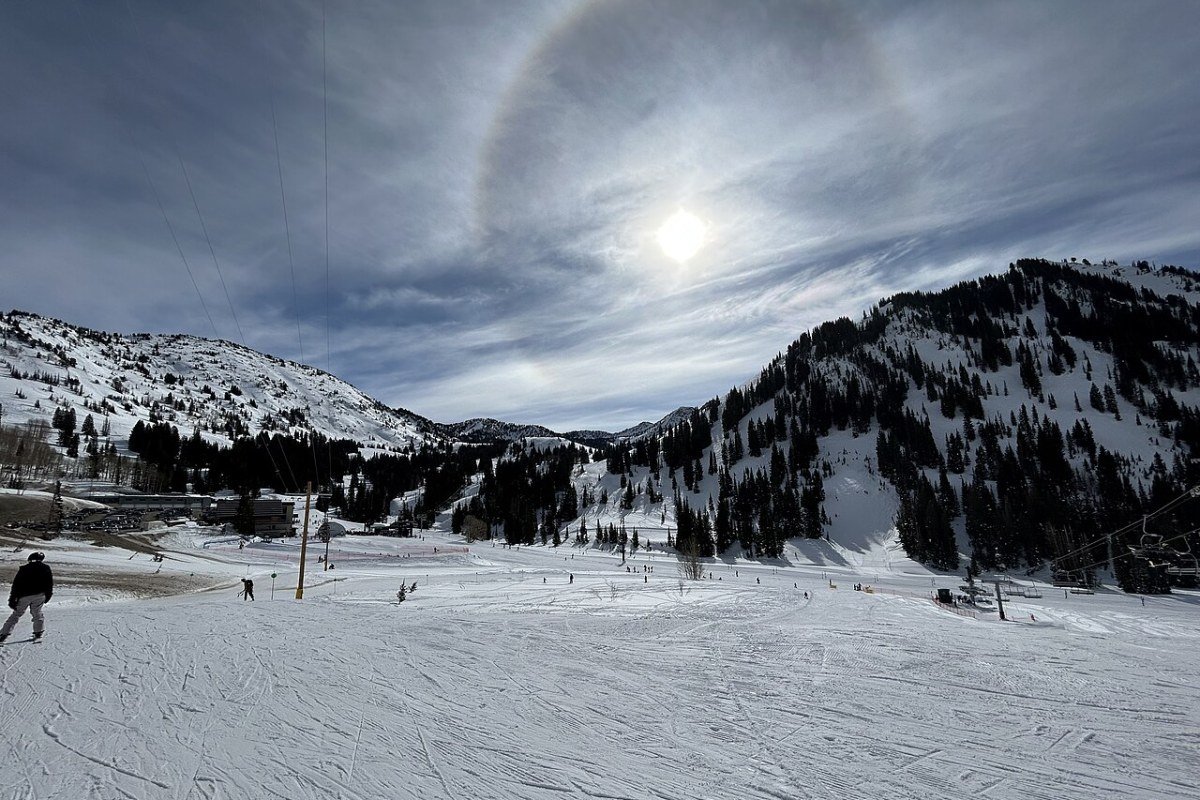
West Virginia’s ski areas are among the closest to the major East Coast population centers, making them accessible weekend destinations for millions of households in Virginia, Maryland, Pennsylvania, and beyond:
- Snowshoe Mountain Resort: West Virginia’s largest ski resort on the Allegheny Plateau at 4,848 feet; 57 trails, 244 acres, 1,500-foot vertical drop; the most complete ski resort in the mid-Atlantic states; the resort village provides ski-in/ski-out lodging and year-round outdoor recreation access
- Canaan Valley Resort State Park: State-operated ski area at 3,200 feet in the Canaan Valley; 47 trails; adjacent to Timberline Mountain for expanded terrain; the Canaan Valley National Wildlife Refuge (the largest freshwater wetland complex in the mid-Atlantic) provides birding and hiking adjacent to the ski area
- Winterplace Ski Resort: Family-oriented resort near Ghent with night skiing and ski school — the most accessible West Virginia ski area from the Interstate 77 corridor
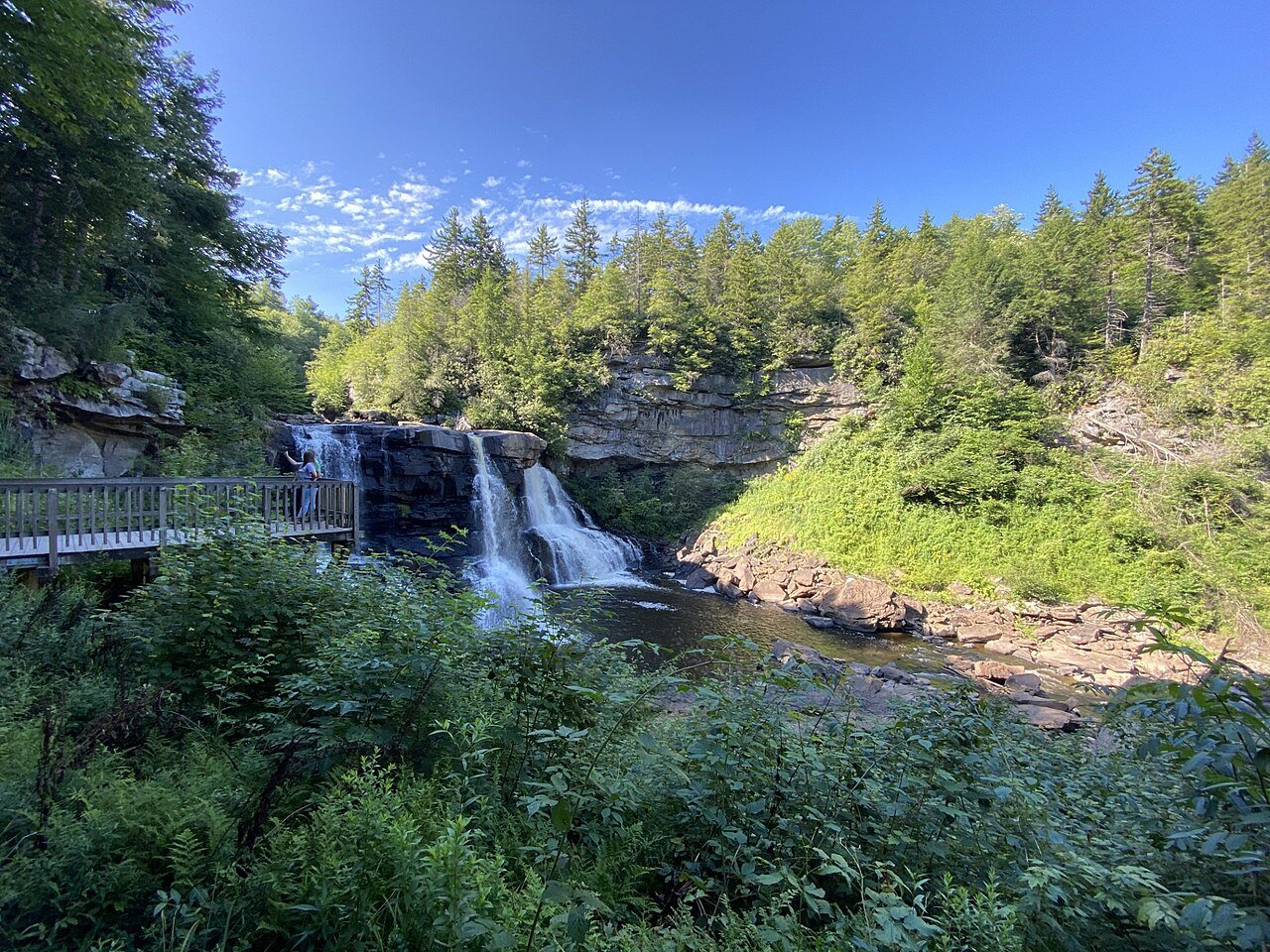
- Blackwater Falls State Park: Cross-country skiing and snowshoeing through the spectacular Blackwater Falls and Lindy Point overlook area in the Tucker County highlands; among the most beautiful winter landscapes in the mid-Atlantic
Planning Your Outdoor Adventure
The outdoor experiences described in this guide reward practical preparation. For wilderness and protected areas, check trail conditions, permit requirements, and seasonal access with the relevant land management authority before departure — trail closures, fire restrictions, and entry quotas can change quickly, and many high-demand parks now require advance reservations that were not needed in previous years. Weather in West Virginia can change rapidly, particularly in mountain terrain and during shoulder seasons; a layered approach with a waterproof outer shell is advisable for most outdoor pursuits regardless of the season. For water-based activities — paddling, snorkeling, diving, surfing — check current conditions with local outfitters who will have the most accurate and up-to-date information. Leave No Trace principles apply throughout: pack out everything you bring in, stay on established trails, give wildlife space, and leave natural features undisturbed for the next visitor.