Outdoor Activities in Manitoba 2026: Churchill Wildlife, Prairie Lakes, and Boreal Adventures
Manitoba’s outdoor recreation spans a greater range of ecological zones than any comparably sized Canadian province — from the Prairie grassland and agriculture of the south to the boreal forest lakes of the Canadian Shield in the east, the Hudson Bay lowlands and subarctic of the north, and the mixed forests and wetlands of the central region. The province’s outdoor identity is defined by three spectacular wildlife experiences: the Churchill polar bear congregation (October–November), the Churchill beluga whale aggregation (July–August), and the Whiteshell’s loon-filled Shield lakes in summer — each representing an encounter with the natural world of a quality that international visitors travel specifically to experience.
Churchill: The Wildlife Capital of Canada
Churchill, on the western shore of Hudson Bay, provides Canada’s most concentrated wildlife viewing calendar — three distinct species-viewing seasons in a subarctic landscape of extraordinary drama:
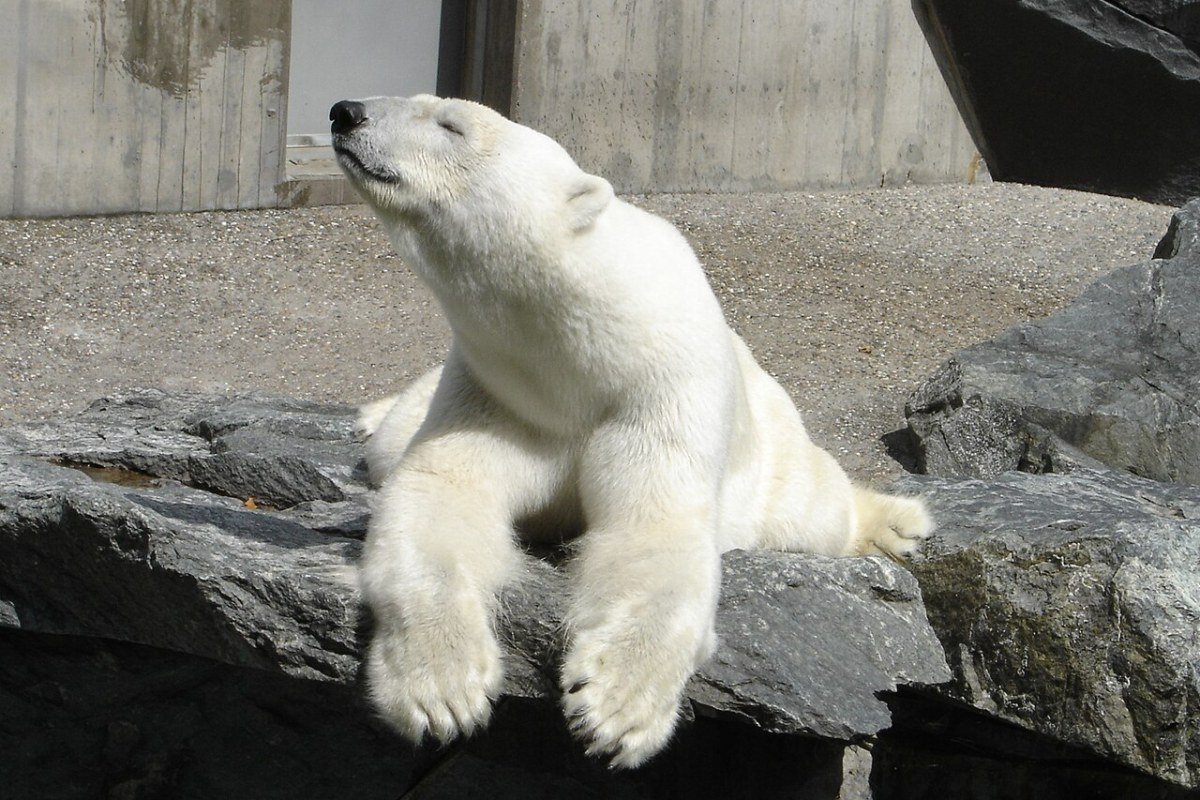
- Polar bear season (October–November): The Hudson Bay polar bears come ashore each summer when the sea ice melts, spending the ice-free months on the tundra conserving energy; as freeze-up approaches in October and November, the bears congregate near Churchill waiting for the sea ice; Tundra Buggy tours (elevated vehicles with observation platforms) provide the most intimate large-mammal wildlife encounter accessible anywhere in the world for non-expedition travellers
- Beluga whale season (July–August): The Churchill River estuary fills with 3,000–4,000 beluga whales annually from mid-July; kayaking among the belugas (the animals are curious and approachable by paddle craft) is among the world’s most extraordinary wildlife experiences; the belugas’ social behaviour — clicking, squealing, and surfacing in groups around kayaks — is unforgettable
- Northern lights season (February–March): Churchill’s subarctic latitude (58°N) and low light pollution place it under the auroral zone for 300+ nights of potential aurora activity; February and March provide the coldest but clearest skies; the combination of aurora photography over frozen Hudson Bay or the boreal forest provides images of extraordinary quality
- Cape Merry and Prince of Wales Fort: The Parks Canada-managed national historic site provides the walking context for Churchill’s subarctic environment — the beluga viewing from the Cape Merry headland at the Churchill River mouth, and the Dene and Cree history of the fur trade at Prince of Wales Fort, provide the cultural context for the wildlife experience
Whiteshell Provincial Park: The Shield Lakes
Whiteshell Provincial Park, 130km east of Winnipeg in the Canadian Shield, provides Manitoba’s most accessible wilderness lake experience — a park of 2,729 square kilometres of Precambrian granite lakes, rivers, and boreal forest where the Caddy Lake tunnel portage (one of the last operational underwater railway tunnels in Canada, now used to float canoes under the Canadian Pacific Railway), the Falcon Lake camping community, and the Seven Sisters hydroelectric falls provide the accessible framing for a genuine wilderness canoe route system:
- Canoe routes: The Whiteshell River system (the Whiteshell River canoe route, 2–5 days) connects a sequence of lakes through boreal forest; portages are generally short and well-marked; the route’s wildlife (osprey, loon, beaver, otter, moose) is reliably encountered on multi-day circuits
- Falcon Lake: The largest developed community within the park; beach swimming, boat rentals, and the Falcon Trails Resort’s cross-country ski network (in winter) and mountain biking trails provide the accessible outdoor recreation anchor
- Petroforms: The Whiteshell’s indigenous Anishinabe rock arrangements (petroforms — shaped stones placed in animal and geometric forms on the granite outcrops) are the most significant sacred Indigenous landscape feature in Manitoba; the Bannock Point and Tie Creek sites are accessible with park guidance
.jpg?width=1200)
Riding Mountain National Park
Riding Mountain National Park’s outdoor activities range from the accessible Clear Lake family experience to the backcountry wilderness of the plateau’s boreal interior:
- Clear Lake sailing and kayaking: The park’s largest lake provides sailing, canoeing, and kayaking from the Wasagaming harbour; rental boats and the sailing school at the Clear Lake Boat Coop provide entry-level access
- Wildlife viewing drives: The Grey Owl Trail and the Lake Audy Bison Enclosure provide accessible wildlife encounters; the park’s managed plains bison herd (descendants of animals saved from near-extinction) and the reliable moose and wolf sign along the park’s wetland corridors provide the wildlife context
- Grey Owl’s cabin trail (Grey Owl Trail, 31km return): The backcountry route to the replica cabin of Archie Belaney (Grey Owl, the fur trapper who became Canada’s first prominent conservationist) on Beaver Lodge Lake provides the park’s most storied multi-day hiking destination
Winter Outdoor Recreation
Manitoba’s winter outdoor culture is Winnipeg-centric but extends province-wide:
- Forks skating trail: The Red River and Assiniboine skating trail network (maintained by the City of Winnipeg and The Forks) extends up to 9.6km through the river system; the trail is lit at night; the Warming Hut coffee stalls and the Forks Market provide the après-skate culture
- Ski Assiniboine (Birds Hill): The Birds Hill Provincial Park ski hill (small vertical, good for beginners) and the Nordic ski trail system (50km groomed) provide Winnipeg’s ski alternatives within 30 minutes of downtown
- Groomed cross-country (Sandilands Provincial Forest): The Sandilands Nordic trail network in the southeastern Manitoba Jack Pine forest provides the province’s finest cross-country skiing outside the Shield lakes parks
Planning Your Outdoor Adventure
The outdoor experiences described in this guide reward practical preparation. For wilderness and protected areas, check trail conditions, permit requirements, and seasonal access with the relevant land management authority before departure — trail closures, fire restrictions, and entry quotas can change quickly, and many high-demand parks now require advance reservations that were not needed in previous years. Weather in Manitoba can change rapidly, particularly in mountain terrain and during shoulder seasons; a layered approach with a waterproof outer shell is advisable for most outdoor pursuits regardless of the season. For water-based activities — paddling, snorkeling, diving, surfing — check current conditions with local outfitters who will have the most accurate and up-to-date information. Leave No Trace principles apply throughout: pack out everything you bring in, stay on established trails, give wildlife space, and leave natural features undisturbed for the next visitor.