Outdoor Activities in Alberta 2026: Banff, Jasper, and the Rocky Mountain Playground
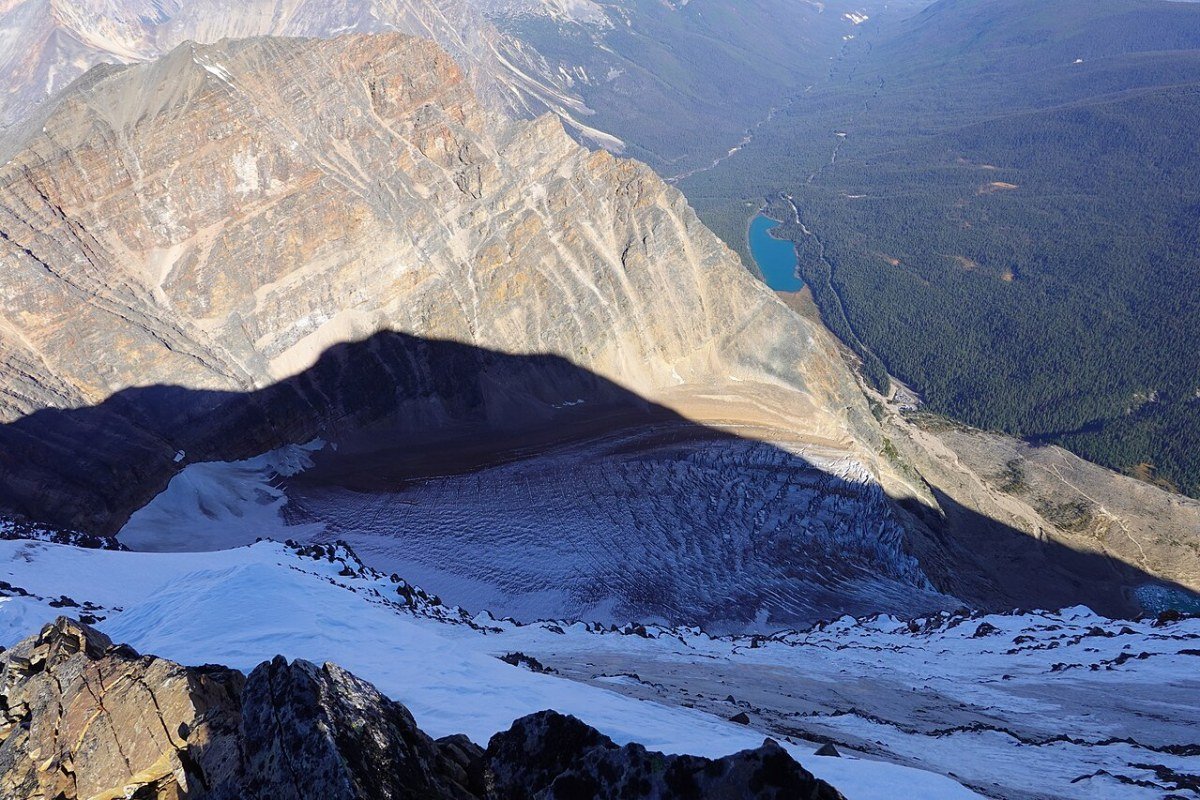
Alberta’s outdoor recreation is defined by the Canadian Rockies — the UNESCO World Heritage mountain parks system (Banff, Jasper, Kootenay, Yoho, and the adjacent Waterton Lakes) that begins at Calgary’s western doorstep and extends to the British Columbia border in a sequence of glaciated peaks, turquoise lakes, and wilderness that constitutes one of the world’s great outdoor recreation landscapes. For Calgary and Edmonton residents, the Rockies are not a once-in-a-lifetime destination but a weekend reality — the Banff townsite is 90 minutes from Calgary; the Icefields Parkway is a Sunday drive; Jasper’s dark sky preserve is a three-hour winter overnight. This proximity gives Albertans an outdoor recreation dividend that residents of any other major Canadian city must travel to access: reliable powder skiing at world-class resorts, summer hiking and cycling in the most dramatic mountain landscapes in North America, and wildlife encounters (grizzly bears, wolves, elk, bighorn sheep, mountain goats) that occur on day hikes from the trailhead parking lot.
Skiing and Winter Recreation
Alberta’s ski resorts are among the finest in Canada — the combination of the Rocky Mountain snowpack, the dry Alberta powder (lower humidity than BC produces lighter, less consolidated snow), and the resort infrastructure produces a skiing product that rivals anything in British Columbia:
- Lake Louise Ski Resort: 4,200 acres across four mountain faces; the back bowl of the mountain provides some of the most extensive above-treeline powder skiing in Canada; the Chateau Lake Louise provides the most spectacular base lodge view of any ski resort on Earth; 90 minutes from Calgary
- Sunshine Village: 3,307 acres at 2,730m altitude — the highest ski resort base in Canada; the high elevation produces the driest powder in the Banff area and an extended ski season (November to late May); accessible from Banff townsite by gondola from the valley floor parking lot; the Delirium Dive terrain (expert-only, route-finding required) is Alberta’s most challenging in-bounds skiing
- Mount Norquay: Banff townsite’s local hill; 190 acres; the via ferrata summer climbing route (fixed cables on the cliff face above the resort) provides the mountain’s shoulder-season activity
- Jasper’s Marmot Basin: 91 trails, 1,720 acres; Jasper’s ski resort provides the province’s most remote ski experience — 19km from the Jasper townsite — with excellent terrain and a fraction of Banff’s crowds
- Nakiska (Kananaskis Country): The 1988 Winter Olympics alpine venue, 90 minutes from Calgary; a family-friendly mountain that provides Calgary’s closest ski alternative at a price point below the Banff resorts
Summer Hiking: Banff and Jasper
The Banff and Jasper hiking trail networks are among the most extensive and scenically concentrated in North America — thousands of kilometres of maintained trails through landscapes of glaciers, alpine meadows, and turquoise lakes:
- Plain of Six Glaciers (Banff): 14km return from Lake Louise; the trail follows the lateral moraine above Lake Louise to the tea house below the Victoria Glacier and the views of the six glaciers on the Continental Divide; one of the most scenically concentrated hikes in the Canadian Rockies
- Larch Valley and Sentinel Pass (Banff): 11.7km return from Moraine Lake; the September larch season (three weeks of golden colour when the alpine larches turn) makes this the most photographed and sought-after hike in Alberta; advance parking or shuttle reservations essential
- Skyline Trail (Jasper): 44km, 2–3 days; the most celebrated multi-day trail in the Canadian Rockies; 27km above the treeline through high alpine terrain with panoramic views of the Columbia Icefield massif; Parks Canada reservation required
- Berg Lake Trail (Mount Robson Provincial Park, BC border): 19km to Berg Lake; Mount Robson (3,954m, the highest peak in the Canadian Rockies) views and the calving iceberg lake provide the most dramatic single destination accessible on a 2-day hike from the Rockies road system

Wildlife Viewing in the Mountain Parks
The Banff-Jasper wildlife viewing is the most accessible large mammal encounter in North America — the park’s protected status and the habituation of animals to vehicles produces sightings that wildlife photographers travel internationally to access:
- Elk (Wapiti): The Banff townsite elk are the most famous — large bulls during the September rut bugling in the town’s residential streets; the Cave and Basin meadows and the Bow Valley Parkway (Highway 1A) provide reliable elk sightings year-round
- Grizzly and black bears: The Bow Valley Parkway and the Icefields Parkway have reliable spring (May–June) and fall (September–October) grizzly bear viewing, particularly on the roadside slopes above the highway where bears dig for ground squirrels and eat avalanche-deposited vegetation; black bears are seen at lower elevations throughout summer
- Mountain goats and bighorn sheep: The Highwood Pass in Kananaskis Country (the highest paved road pass in Canada) provides reliable mountain goat sightings on the cliff faces above the road; the bighorn sheep colony at the Disaster Point Wildlife Viewing Area on the Icefields Parkway has been a traffic-stopping attraction for decades
- Wolves: The Bow Valley wolf packs are monitored by the Cascade Carnivore Project; winter conditions (snow tracking) and the Bow Valley Parkway’s lower traffic provide the best wolf viewing probability; sightings are never guaranteed but occur regularly for patient observers
Cycling and Kananaskis Country
Alberta’s cycling landscape includes both the mountain resort trails and the provincial park systems adjacent to the national parks:
- Kananaskis Country: The provincial parks and recreation area west of Calgary (Highway 40 south of Canmore) provides mountain hiking, mountain biking, and road cycling at no entry fee — an alternative to the national parks’ busy visitor volumes; the Highwood Pass road cycling (closing to vehicles for cyclist-only access on Sunday mornings in summer) and the Ribbon Creek trail network provide accessible alternatives to the Banff crowds
- Bow Valley Parkway cycling: The 1A highway from Banff to Lake Louise is closed to vehicle traffic from 8pm to 8am in summer, creating a 55km quiet cycling corridor through the Bow Valley wildlife habitat; the greatest cycling route in Alberta
- Canmore Nordic Centre trail network: 65km of maintained trails (shared by mountain bikes in summer and cross-country skiers in winter) on the mountains above the Canmore townsite; directly accessible from the residential streets