
Moving to Wisconsin in 2026: Complete Relocation Guide
Moving to Wisconsin is a practical, well-trodden path for households relocating within the Midwest or moving from coastal states seeking affordability without abandoning urban amenity — the state’s administrative relocation process is efficient, its DMV (Wisconsin Department of Transportation, Division of Motor Vehicles) operates reasonable service centers statewide, and the cultural adjustment from most departure points is modest compared to states with more dramatic regional character differences. The practical preparation involves understanding Wisconsin’s winter (which is more significant than many arrivals expect — Madison averages 49 inches of annual snowfall; Milwaukee 47 inches; Eau Claire 54 inches), the property tax burden that surprises households from lower property-tax states, and the income tax rates that are higher than Midwest neighbors Indiana and Iowa but competitive with Illinois and Minnesota.
Driver’s License and Vehicle Registration
- License deadline: 60 days after establishing Wisconsin residency
- DMV locations: Wisconsin DOT Driver License Service Centers located throughout the state; appointment recommended for Milwaukee and Madison locations
- Required documents: Proof of identity (one primary document: passport, birth certificate, or permanent resident card), Social Security card or proof of SSN, proof of Wisconsin residency (two documents: utility bill, bank statement, lease), out-of-state license
- Knowledge test: Not required for transfers from all US states; Wisconsin reciprocity waives the written test for most out-of-state license holders; vision test required
- Vehicle registration: Complete within 60 days; fees based on vehicle weight and type
- Emissions testing: Required in Southeastern Wisconsin (Milwaukee, Waukesha, Kenosha, and Racine Counties)
Winter Preparation: The Wisconsin Reality
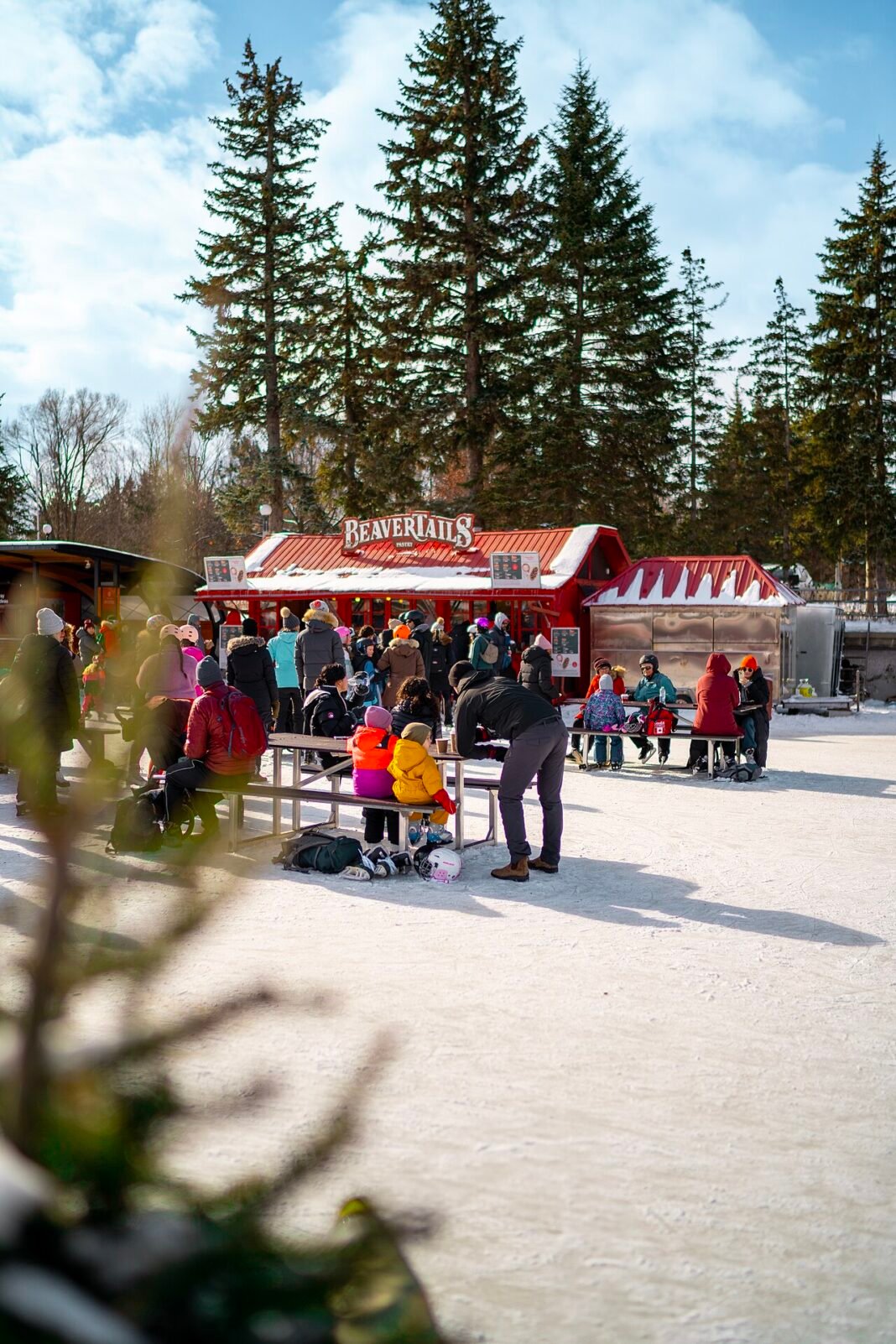
Wisconsin winters require practical preparation that exceeds what most states demand of residents — the combination of lake-effect snow (particularly in areas downwind of Lake Michigan and Lake Superior), cold temperatures that regularly reach -10°F to -20°F in January, and road conditions that last from November through March creates a winter infrastructure requirement:
- Winter tires: Not legally required but practically essential; all-season tires are inadequate for Wisconsin winters; budget $600–$1,200 for a winter tire set on a second set of steel wheels
- Heating systems: Natural gas is the dominant heating fuel in Wisconsin’s urban areas; northern Wisconsin and rural areas use propane; wood burning is common in rural areas; a well-insulated home with modern furnace is essential — heating bills of $150–$300/month November–March are normal
- Snow removal: Budget for snow blower or plowing contract; municipal sidewalk requirements vary by city — most Wisconsin cities require property owners to clear sidewalks within 24 hours of snowfall
- Clothing and gear: Real winter gear (insulated boots, wool or synthetic layers, quality parka) is a genuine purchase requirement, not an optional upgrade
.jpg?width=1200)
Wisconsin’s Outdoor Recreation Culture
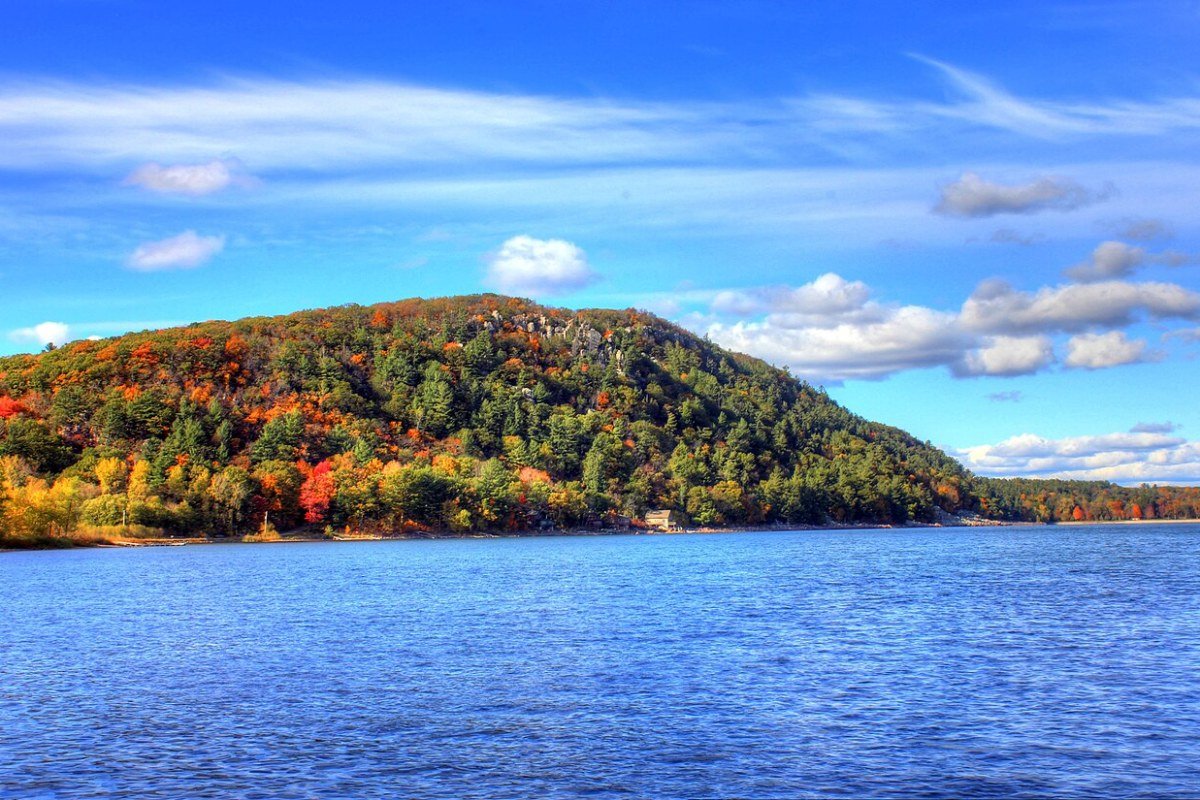
Wisconsin’s outdoor recreation culture is a genuine quality-of-life asset for new residents — the state’s 15,000+ lakes, 84,000 miles of streams and rivers, and extensive public forest land create an outdoor access environment that may be the finest in the Midwest:
- Fishing licenses: Wisconsin DNR fishing licenses are required for residents and non-residents; annual resident license approximately $20; the combination fishing license covers inland waters, Great Lakes trout/salmon, and most species
- Hunting: Wisconsin’s gun deer season (November, typically the Saturday before Thanksgiving as opening day) is among the most culturally significant events in the state — 600,000+ licensed deer hunters annually; license applications available through the Wisconsin DNR online system
- State park system: Wisconsin’s 66 state parks and forests are among the finest in the Midwest; annual vehicle sticker ($28 residents) provides access to all; camping reservations through the Wisconsin DNR reservation system open in January for the coming season
Healthcare and Schools
Wisconsin’s healthcare system is anchored by UW Health (affiliated with the University of Wisconsin-Madison, the state’s flagship academic medical center and most comprehensive care system), Froedtert Health in Milwaukee (the academic medical center for the Medical College of Wisconsin), and Aurora Health Care (the state’s largest health system by facility count, now merged with Advocate Health). The state’s public school system performs above national average consistently in standardized assessments; the University of Wisconsin system (Madison’s flagship plus 12 additional campuses) provides accessible higher education across the state. Wisconsin’s in-state tuition at UW-Madison ($11,000/year for residents) is a genuine financial benefit for households with college-age children considering a Wisconsin relocation.
Professional Licensing and Employment
Wisconsin’s employment landscape reflects its Midwestern manufacturing and services foundation. Major employers include Aurora Health Care, Epic Systems (the healthcare software company headquartered in Verona near Madison is one of the largest private employers in the state and a significant draw for technology professionals), American Family Insurance (Madison), and the manufacturing sector concentrated in the Racine/Kenosha/Milwaukee corridor. Professional licensing reciprocity is available for most regulated professions — nursing (Wisconsin is a Nurse Licensure Compact state, so compact license holders can practice immediately), real estate, and teaching all have established reciprocity pathways. The Wisconsin Department of Safety and Professional Services handles licensing for most regulated professions and provides a streamlined online reciprocity application process. For physicians and attorneys, Wisconsin requires its own licensing examination but processes applications within standard national timelines of 60–90 days for complete applications.
Preparing for Your Move
The logistical side of relocating to Wisconsin follows a familiar sequence regardless of where you are coming from: secure housing before or immediately after arrival, transfer any professional licenses if your occupation requires it, register your vehicle and update your driver’s licence within the timeframe required by local law (typically 30 to 90 days for new residents), and register to vote at your new address. Connecting with community organizations, sports clubs, neighborhood associations, or professional networks early in the process can dramatically accelerate the sense of belonging. In many parts of Wisconsin that have grown rapidly over the past decade, a significant proportion of the population has relocated from elsewhere, which means that being new to the area is genuinely normal — and that the infrastructure for meeting people and building a life from scratch is well established.