
Hawaii Outdoor Activities 2026: The Complete Guide to Adventures Across the Islands
Hawaii’s outdoor recreation is the primary reason 10 million visitors travel to the islands each year — and the reason residents who pay the state’s extraordinary cost of living consider the trade-off rational. The archipelago’s geological youth, geographic isolation, and climate create outdoor conditions that exist nowhere else in the United States: active volcanoes accessible on foot, coral reefs among the world’s healthiest within swimming distance of beaches, open-ocean whale watching in waters where humpbacks breed in some of the world’s highest concentrations, and hiking terrain that spans tropical rainforest to arctic alpine desert within a single mountain’s vertical rise. This guide covers what to do, where to do it, and what to know before you go.
Hiking: From Sea Level to Summit
Hawaii’s hiking ranges from the 1.6-mile paved Diamond Head summit trail near Waikiki — accessible to anyone who can climb stairs — to the 22-mile Kalalau Trail on Kauai’s Na Pali Coast, which requires a permit, serious physical preparation, and a tolerance for exposure on clifftop paths above the Pacific. The archipelago’s compressed geography means that extraordinary hiking destinations are rarely more than an hour’s drive from any populated area.
Kalalau Trail (Kauai): The 11-mile one-way trail — 22 miles round trip, or reached by boat for those camping at Kalalau Valley — is the most visually dramatic hike in the Hawaiian Islands and one of the most spectacular in the United States. The trail crosses the Na Pali Coast’s fluted sea cliffs, passing through five valleys, crossing streams, traversing narrow clifftop sections with exposure above 1,000-foot drops, and ultimately descending into Kalalau Valley, a remote paradise accessible to hikers only with a state camping permit. Day hikers may proceed as far as Hanakapi’ai Beach (2 miles each way) without a permit — this alone delivers Na Pali scenery that justifies the trip to Kauai. Beyond Hanakapi’ai, a permit from the Hawaii DLNR’s online reservation system is mandatory and fills months in advance.
Haleakala Summit (Maui): The 10,023-foot summit of Haleakala dominates Maui’s landscape and its outdoor recreation. The summit crater — described by Mark Twain as “the sublimest spectacle I ever witnessed” — is a 7.4-mile-wide, 2,600-foot-deep volcanic depression that resembles a moonscape more than any earthly environment. The Sliding Sands Trail descends from the summit into the crater, passing cinder cones of red, orange, and black volcanic rock, occasionally crossing lava fields still sharp enough to shred footwear. The sunrise at Haleakala summit is one of Hawaii’s most celebrated experiences, but requires an advance timed entry reservation — sunset offers the same views with fewer crowds and no alarm clock.
Diamond Head (Oahu): The 1.6-mile round-trip summit hike inside Diamond Head State Monument is Oahu’s most visited trail and — given its accessibility, historical interest, and reward — one of the most efficiently satisfying hikes in the state. The trail passes through a tunnel in the crater wall (built during the 1910s for military fortifications) and climbs to the summit rim with panoramic views of Waikiki, Honolulu, Koko Head, and on clear days, Molokai and Maui on the horizon. Morning visits before 8 a.m. avoid the worst crowds. An advance online reservation is now required for parking or walk-in entry.

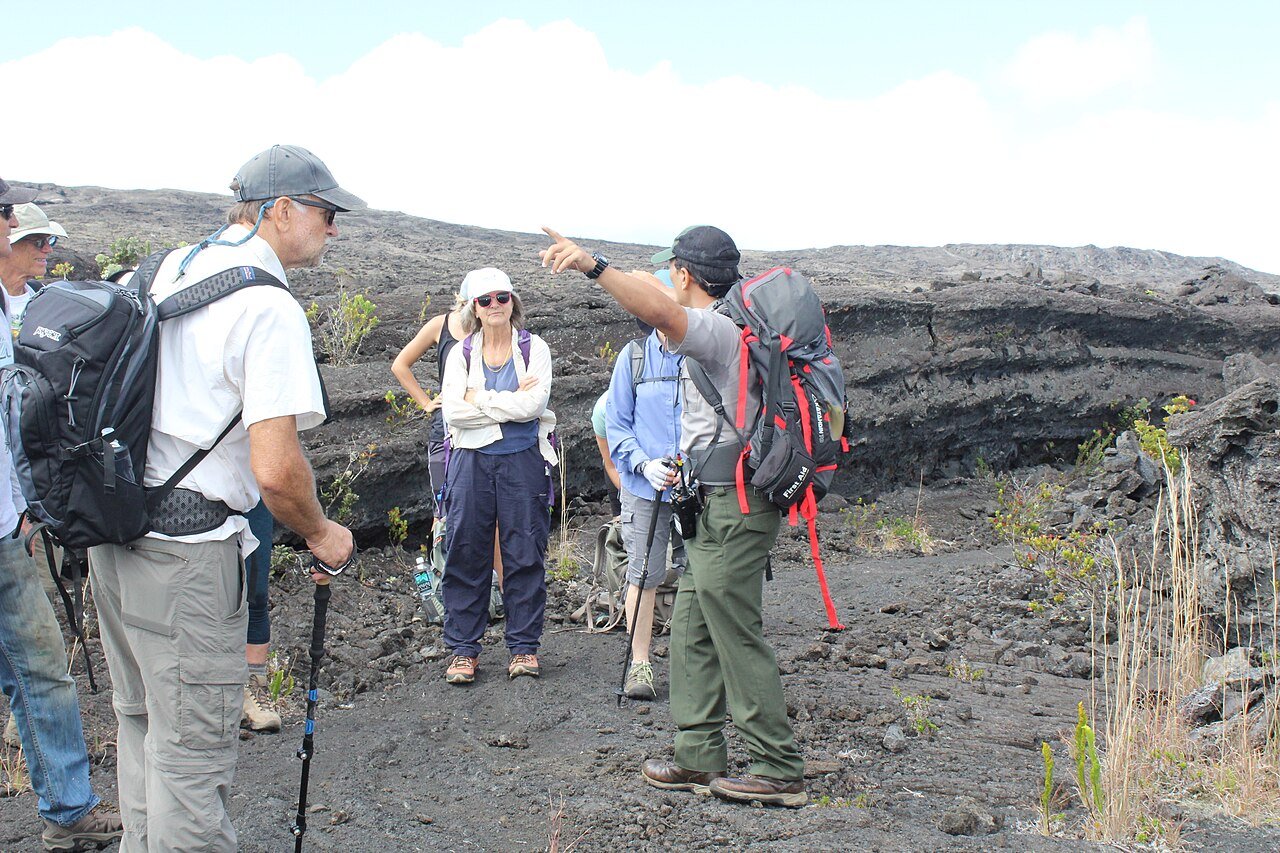
Hawaii Volcanoes National Park (Big Island): The park’s trail system descends into and around some of the most active volcanic terrain on Earth. The Kilauea Iki Trail (4-mile loop) descends from the rainforest rim into the solidified lava lake of the 1959 eruption — crossing a black, crackling crust above still-cooling magma chambers — and crosses the crater floor before climbing back through tree ferns and ohi’a forest. The Thurston Lava Tube (Nahuku), a 500-foot illuminated tunnel through a historic lava tube, gives a visceral sense of how the volcanic landscape was built from inside. Trail conditions depend on current eruption activity; the park’s website tracks active lava viewing access in real time.
Water: Snorkeling, Diving, and Surfing
Hawaii’s marine environment — shaped by the convergence of warm, clear Pacific water, healthy coral reef systems, and extraordinary biodiversity — provides water recreation that is among the finest in the world. The specific activities and locations vary significantly by island and season.
Hanauma Bay (Oahu): The collapsed volcanic cone on Oahu’s southeastern coast shelters a reef system where green sea turtles, Hawaiian reef fish, and occasional spinner dolphins interact within easy swimming distance of the shore. Hanauma Bay is the most visited snorkeling site in Hawaii — and requires advance online reservation (limited to 720 visitors per day) with a mandatory reef education program before entry. The conservation results are visible: the reef at Hanauma has recovered substantially from decades of overuse, and fish populations are healthy and approachable.
Molokini Crater (Maui): The partially submerged volcanic crater 2.5 miles off Maui’s southwestern coast provides some of the clearest water in Hawaii — visibility regularly exceeding 100 feet — and a protected crescent-shaped reef that shelters over 250 fish species. Molokini is accessible only by boat; half-day snorkel and dive tours depart daily from Maalaea Harbor. The back wall of Molokini, accessible to scuba divers, drops 300 feet and hosts pelagic species including occasional hammerhead sharks at the deepest sections.
Manta Ray Night Dive (Big Island): The manta ray night dive off Kona’s coast — where plankton attracted to underwater lights brings oceanic manta rays with wingspans of 8–16 feet directly to snorkelers and divers — is considered one of the top ten dive experiences in the world. The mantas feed within arm’s reach, their white undersides luminous in the dive lights, in an interaction that is both intimate and genuinely awe-inspiring. Multiple operators run the dive nightly from Keauhou Bay; the experience is accessible to beginner snorkelers as well as certified divers.

Surfing: Hawaii is where modern surfing was born — the sport’s Hawaiian roots trace back centuries, and the North Shore of Oahu remains its defining proving ground. Banzai Pipeline, Sunset Beach, and Waimea Bay produce November–February swells of 20–30 feet that define professional competitive surfing. Beginner surfing is best learned at Waikiki (gentle, consistent waves, dozens of surf schools, a strong instructor-to-student ratio tradition) or Lahaina on Maui. The North Shore in summer — when massive swells subside — becomes calm enough for intermediate surfers to experience the famous breaks at manageable scale.
Whale Watching: Peak Season Experience
From November through April, approximately 10,000 North Pacific humpback whales migrate to Hawaiian waters to breed, calve, and nurse their young — one of the world’s largest concentrations of humpback whales in their breeding grounds. Maui’s Auau Channel (between Maui, Lanai, and Molokai) is the primary breeding ground, and whale activity there during peak season (January–March) is among the most reliable and dramatic in the Pacific. Whale breaches, tail slaps, and the singing of breeding males (audible underwater to snorkelers without any equipment) are regular occurrences. The Pacific Whale Foundation operates naturalist-led tours from Maalaea Harbor; the Hawaii Whale Research Foundation uses similar tours for ongoing scientific data collection.
Stargazing: Mauna Kea Summit
The summit of Mauna Kea on the Big Island, at 13,796 feet above sea level (and more than 33,000 feet above the ocean floor that is its true base — making it Earth’s tallest mountain by this measure), supports thirteen active astronomical research telescopes operated by eleven countries. The combination of altitude, minimal light pollution, and the stable atmospheric conditions above the Pacific inversion layer creates seeing conditions recognized as the best in the Northern Hemisphere for ground-based astronomy. The Visitor Information Station at 9,200 feet operates free public stargazing programs on most nights, with telescopes allowing views of objects impossible to observe from lower altitudes. The drive to the summit requires a 4WD vehicle; several operators run guided summit tours that include acclimatization stops and equipment.
.jpg?width=1200)
Zip-Lining, ATV Tours, and Mountain Biking
Maui’s upcountry and the Big Island’s Kohala Coast have developed zip-line networks that cross valleys, lava fields, and rainforest canopy — experiences that compress substantial landscape into guided adventure tours accessible to non-hikers. Skyline Eco-Adventures on Maui operates one of the original Hawaiian zip-line courses above the clouds on Haleakala’s slopes; the views across the isthmus to Kahului Bay and the Central Valley are among the best available without hiking to a summit. The Big Island’s Kohala Zipline traverses the gulches of North Kohala’s plantation-era ranchland with lines reaching 1,000 feet in length.
The Haleakala bike descent — a 23-mile downhill cruise from the 10,000-foot summit to sea level, guided by operators who truck participants to the top and lead groups down the winding Haleakala Highway — is one of Maui’s signature activities, combining the visual reward of the summit with a physically accessible format. The sunrise-to-descent format (beginning at the summit for sunrise, then descending through cloud forest and sugarcane country to the coast) is the classic version, though operators also run midday and afternoon descents.
Kayaking and Paddleboarding
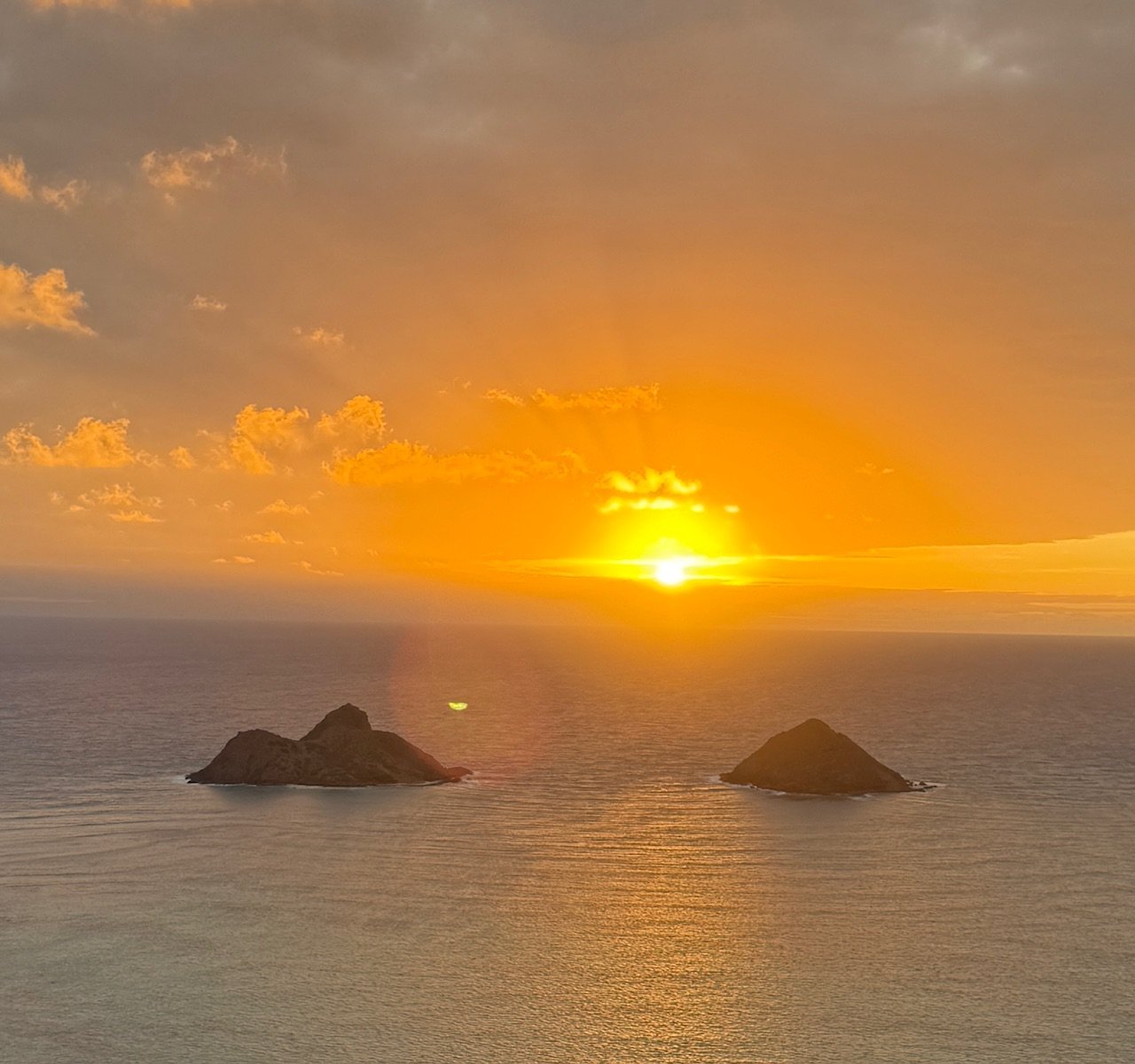
The Na Pali Coast on Kauai is accessible by sea kayak during the summer months (May–September), when the north-facing coast’s winter swells subside enough for guided expeditions to navigate the 17-mile coastal stretch from Ke’e Beach to Polihale State Park. This route — passing sea caves, sea arches, and the mouths of the inaccessible valleys on the Na Pali — is one of the premier multi-day kayaking routes in the Pacific. Outfitters in Hanalei provide guided tours with camping permits for the extended version. Kailua Bay on Oahu, with consistent trade winds and access to the offshore Mokulua Islands, is the state’s best flat-water paddling venue for standup paddleboard and kayak exploration.
Hawaii’s outdoor recreation is not supplemental to a Hawaii visit or residence — it is the reason Hawaii exists as a destination at all. The combination of accessible difficulty (snorkeling at Hanauma Bay requires no experience; the Kalalau Trail demands serious fitness and preparation) means that virtually any outdoor interest level can find experiences here that are better than anywhere else in the United States. That range, concentrated in one of the most visually extraordinary places on Earth, is what no other state can replicate.