

Georgia Outdoors: Mountains, Coast, and Everything Between
Georgia’s outdoor recreation spans a range that is remarkable for a Southern state: the southern Appalachian Mountains in the far north, where the Appalachian Trail begins at Springer Mountain; barrier island wilderness on the Atlantic coast; whitewater rivers that have produced multiple Olympic kayaking champions; vast National Forest lands in the northern and eastern parts of the state; and urban parks and greenways in Atlanta that rival the best city outdoor systems in the country. The state’s geographic diversity — running from sea level to over 4,700 feet elevation — supports ecosystems and outdoor experiences that most visitors associate with states hundreds of miles away.
North Georgia Mountains: Hiking and Waterfalls
The Blue Ridge Mountains of north Georgia are the southernmost significant Appalachian terrain, and they contain hiking, waterfall, and mountain scenery that is genuinely extraordinary for the latitude. The southern Appalachians in Georgia receive some of the highest rainfall of any region in the eastern United States (rivaling the Pacific Northwest in some areas), which drives extraordinary plant diversity and feeds hundreds of waterfalls that are easily accessible from the highway network.
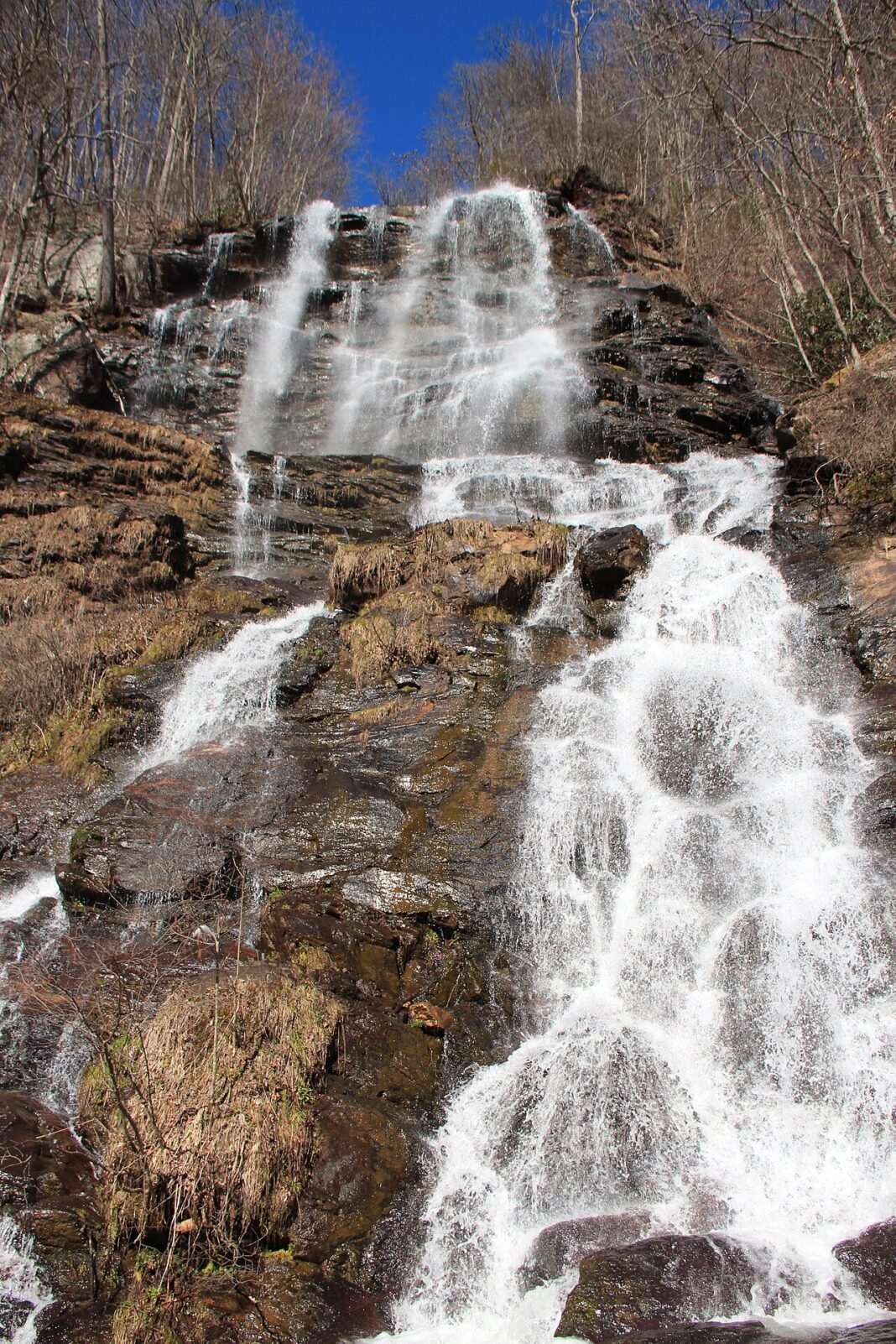
Amicalola Falls State Park: The 729-foot Amicalola Falls is the tallest cascading waterfall east of the Mississippi and the southern approach to the Appalachian Trail at Springer Mountain (8 miles by trail from the park). The falls are accessible via a 0.4-mile strenuous trail, and the park provides the most significant starting point for AT through-hikers departing from the approach trail each spring. The park’s lodge and cottages sit on the ridge above the falls with views into the Etowah River Valley.
Tallulah Gorge State Park: Tallulah Gorge — 1,000 feet deep over 2 miles of length — is the most dramatic geological formation in Georgia, carved by the Tallulah River through quartzite rock into a series of waterfalls and pools. The park’s rim trail provides views into the gorge; a limited-permit floor trail descends to the base of several falls and requires crossing the river on suspension bridges. In the 1890s, Tallulah Gorge was a major tourist destination — “the Niagara of the South” in contemporary descriptions.

Raven Cliff Falls and Smithgall Woods: The White County area near Cleveland contains some of Georgia’s finest mountain hiking. Raven Cliff Falls drops in four stages over 100 feet through a slot canyon accessed by a 5-mile round-trip trail. Smithgall Woods State Park protects one of the finest sections of the Chattahoochee River and provides exclusive single-angler access to world-class trout fishing in its designated fly-fishing-only corridor.
Appalachian Trail in Georgia
The Appalachian Trail begins (or ends, depending on direction of travel) at Springer Mountain in the Chattahoochee-Oconee National Forest. The 78.6-mile Georgia section of the AT is the most hiked section of the trail — tens of thousands of through-hikers begin their northbound journeys from Springer Mountain each year between February and April, making the Georgia AT one of the most active and social sections of the entire 2,190-mile trail.
The trail in Georgia passes through Blood Mountain (4,458 feet, the highest point on the Georgia AT and the location of the oldest standing shelter on the trail) and a series of peaks and gaps that provide consistently beautiful mountain scenery and the kind of ridge-walking experience that the Appalachians at their southern end deliver at their most accessible. Blood Mountain is accessible as a day hike (4.2 miles round trip from the Vogel State Park approach) without the long approach required to reach Springer Mountain.
Paddling: Chattooga Wild and Scenic River
The Chattooga River, which forms the Georgia-South Carolina border for most of its length in the Chattahoochee National Forest, is one of the premier whitewater rivers in the eastern United States. Designated as a National Wild and Scenic River, the Chattooga flows through pristine mountain gorge terrain with Class I-V whitewater across its four sections. Section IV — Bull Sluice to Lake Tugalo — contains the most technical whitewater, including Woodall Shoals (one of the most dangerous rapids in the Southeast) and Seven Foot Falls. The Chattooga gained national notoriety as the filming location for “Deliverance” (1972), though its actual character — wild, beautiful, and genuinely challenging — differs considerably from the film’s portrayal.

Georgia Coast: Cumberland Island and Beyond
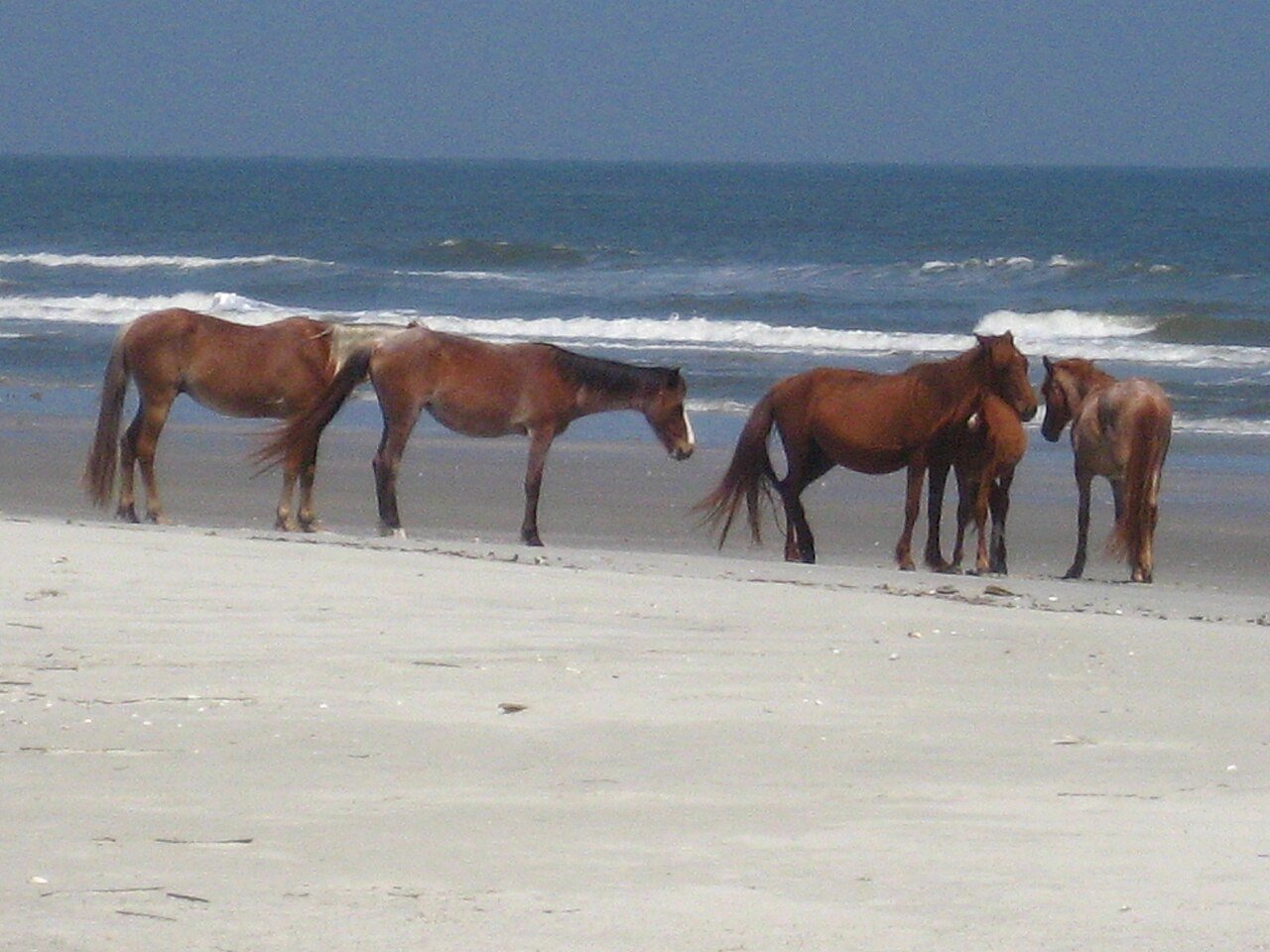
Georgia’s barrier island coast is the most ecologically intact of any Atlantic coast state. The combination of private ownership, federal protection at Cumberland Island National Seashore, and the Georgia state park system at Jekyll and Little St. Simons islands has preserved over 100 miles of relatively undeveloped barrier island coast that supports nesting loggerhead sea turtles (Georgia’s beaches host the second-largest loggerhead nesting population in the eastern United States), manatees in the warmer months, right whales in winter, and extraordinary shorebird and wading bird populations year-round.
Little St. Simons Island is accessible only by boat and accommodates a maximum of 32 guests at a time, making it one of the most exclusive and intimate island experiences on the entire East Coast. The island’s pristine beach, exceptional birding (250+ species recorded), and guided nature programs make it a destination of genuine distinction for nature-oriented travelers willing to pay the premium for exclusivity.
Atlanta BeltLine: Urban Outdoor Recreation
The Atlanta BeltLine — a 22-mile loop of repurposed railroad corridors surrounding the city’s urban core — is one of the most significant urban park and trail projects in the United States. The Eastside Trail, the most developed and most heavily used section, connects the Old Fourth Ward through Ponce City Market to Piedmont Park and connects dozens of restaurants, shops, and cultural venues along a continuous multi-use trail. The BeltLine’s ongoing development — additional trail sections, parks, affordable housing, and transit — is reshaping Atlanta’s intown neighborhoods in ways that are making the city significantly more walkable, bikeable, and livable than at any previous point in its development.
Georgia’s outdoor recreation reflects the state’s geographic diversity: the outdoor experiences available within Georgia span four or five states’ worth of terrain, from Appalachian mountain wilderness to pristine barrier islands to suburban urban trail systems, all within a day’s drive of each other. For outdoor enthusiasts, that range of options in a single state is genuinely exceptional.