
Cost of Living in Victoria 2026: Melbourne’s Property Market and Regional Alternatives
Victoria’s cost of living is dominated by Melbourne’s property market — one of the three most expensive housing markets in Australia (alongside Sydney and the Sunshine Coast), where median dwelling prices have reached AUD $780,000–$950,000 despite a post-pandemic correction that reduced prices from their 2022 peaks. The state’s overall cost structure is similar to New South Wales but with Melbourne’s slightly lower median housing cost providing a modest advantage; the trade-off is Victoria’s higher overall cost of living in categories like utilities (Victoria’s electricity market has been among the most expensive in the country) and transport (Melbourne’s congestion-prone freeway network and premium CBD parking). Regional Victoria offers genuine affordability: Ballarat, Bendigo, Geelong, and the regional centres along the Hume and Calder corridors provide housing at AUD $450,000–$650,000 with rail connections to Melbourne that make part-time commuting viable.
Victoria Cost at a Glance 2026
- Melbourne metro median dwelling price: AUD $780,000–$950,000
- Inner Melbourne (3–8km from CBD) median: AUD $1.2M–$2.5M+ (houses)
- Geelong median: AUD $590,000–$680,000
- Ballarat median: AUD $430,000–$520,000
- Bendigo median: AUD $440,000–$530,000
- Alpine resorts (Mt Buller, Falls Creek): AUD $400,000–$800,000 (resort properties)
- Stamp duty: Victoria charges land transfer duty; significant first home buyer concessions available
Melbourne’s Inner Suburbs: The Premium
Melbourne’s most desirable residential precincts — the inner eastern suburbs of Fitzroy, Collingwood, Richmond, and Hawthorn; the inner northern suburbs of Brunswick, Northcote, and Preston; the bay-side suburbs of St Kilda, Elwood, and Brighton; and the inner west of Footscray and Yarraville — have developed price premiums that reflect their combination of character, café culture, independent retail, and proximity to the CBD and inner city employment. Fitzroy’s Victorian terraces (AUD $1.5M–$2.5M), Richmond’s worker’s cottages (AUD $1.2M–$2M), and Brighton’s beach boxes (stand-alone bathing boxes selling for AUD $300,000+ as standalone assets) represent the Melbourne property market’s most distinctive features.
.jpg?width=1200)
Geelong: Melbourne’s Affordable Bay Side
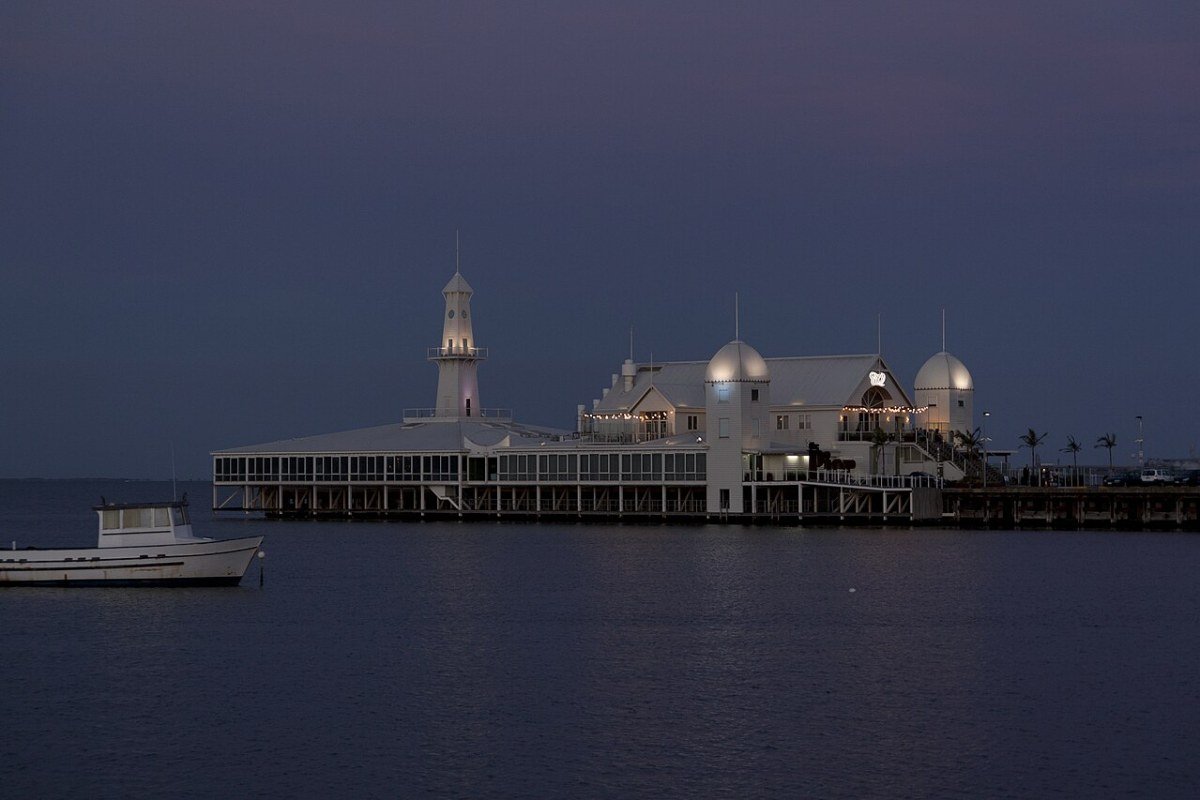
Geelong, 75km southwest of Melbourne on Corio Bay, is Victoria’s second-largest city (260,000 residents) and the state’s most compelling Melbourne alternative for households prioritising the bay lifestyle — the Geelong waterfront’s promenade (the Cunningham Pier, the Steampacket Gardens, the Baywalk Bollards public art), the Eastern Park and the You Yangs granite hills for outdoor recreation, and the surf coast beaches of Torquay and Bells Beach within 30 minutes. Geelong’s median of AUD $590,000–$680,000 represents approximately 25–35% below Melbourne equivalents with direct V/Line train access to the Melbourne CBD in 1 hour and 10 minutes. The Deakin University campus (27,000+ students) provides the academic anchor; the CBD’s Little Malop Street food and hospitality precinct has developed into one of Victoria’s finest regional dining destinations.
Ballarat and Bendigo: Victorian Goldfields Value
The goldfields cities of Ballarat (100,000 residents, 1.5 hours from Melbourne) and Bendigo (120,000 residents, 1.5 hours from Melbourne) provide Victoria’s strongest regional value proposition — cities large enough to support full services (hospitals, universities, cultural institutions) at housing prices 45–55% below Melbourne:
- Ballarat: The Eureka Centre and Sovereign Hill (the finest living goldfields museum in the world) anchor tourism; the Art Gallery of Ballarat (the oldest regional gallery in Australia) and the Ballarat Botanical Gardens provide cultural depth; AUD $430,000–$520,000 median
- Bendigo: The Bendigo Art Gallery (one of Australia’s most significant regional galleries, famous for its blockbuster fashion and design exhibitions), the Bendigo Pottery, and the Tramways Museum provide cultural infrastructure; Federation University campus; AUD $440,000–$530,000 median
- Commuter reality: Both cities have V/Line train connections to Melbourne Southern Cross Station (approximately 1.5 hours); two-day/week hybrid work arrangements make Ballarat and Bendigo viable for Melbourne-employed households
Melbourne Rental Market and Daily Costs
Melbourne’s rental market has tightened significantly in 2024–2026, with vacancy rates falling to historic lows as the post-pandemic population recovery and international student return have absorbed available stock. Inner-city one-bedroom apartments average AUD $2,000–$2,600/month; two-bedroom units in desirable inner suburbs run AUD $2,800–$3,800/month. Geelong and the regional cities offer dramatically more accessible rental rates at AUD $1,400–$1,900 for two-bedroom properties. Victoria’s electricity costs are among the highest in Australia — typical household annual bills run AUD $2,200–$3,500, significantly above the national average. The Victorian Default Offer (VDO) price provides a reference point, but competitive market retailers often offer better deals; energy comparison services (Victorian Energy Compare) are worth using annually. Grocery costs in Melbourne are consistent with national averages at the major supermarket chains, with Melbourne’s exceptional food market culture (Queen Victoria Market, South Melbourne Market, the Prahran Market) providing premium fresh food alternatives.
Who Victoria Makes Financial Sense For
Victoria’s financial case is strongest for households whose employment or lifestyle is anchored to Melbourne — Australia’s most culturally dynamic major city, with a food scene, arts calendar, and sports culture that justify the cost premium for those who value what Melbourne uniquely provides. For remote workers and retirees, the regional Victorian option (Geelong, Ballarat, Bendigo) provides the state’s landscape and cultural access at dramatically lower cost. The honest summary: Melbourne costs what great cities cost; regional Victoria costs what great regions cost; and neither disappoints households who choose thoughtfully.
Victoria’s stamp duty concessions for first home buyers — including no stamp duty on new builds under AUD $800,000 and significant concessions to AUD $1,000,000 — provide a meaningful reduction to the upfront cost of entering the market for eligible buyers.Budgeting Practically for Victoria
Understanding the cost of living in Victoria is the foundation — the next step is knowing which costs are fixed and which can be optimized for your specific lifestyle. Housing is the largest variable in almost every budget, and choosing the right neighborhood within Victoria can produce dramatically different monthly costs while still keeping you close to the places and amenities you value most. Utilities, transport, and food costs compound over time, so even small differences per month become significant over a year. The cost advantages of Victoria relative to high-cost cities like New York, San Francisco, or Sydney are real and measurable — many people who relocate report significant improvements in their financial position alongside a better overall quality of life. Use these figures as a starting framework and verify current rental and property prices for your specific target area, since local markets can shift faster than annual cost-of-living studies.