Cost of Living in South Australia 2026: Adelaide’s Affordable Advantage
South Australia’s cost of living represents Australia’s clearest example of capital city affordability — Adelaide consistently ranks as the most affordable of Australia’s major capital cities, with median dwelling prices approximately 40–50% below Sydney and 30–40% below Melbourne, a strong public school system that reduces private education costs for families choosing government schools, and a food and dining culture built on exceptional regional produce that delivers dining value superior to more expensive cities. The honest qualification is that South Australia’s economy has historically lagged the national average in private sector employment growth — the state’s public sector (government, health, education) and its defence industry have been the dominant employment anchors, with less of the private sector tech and finance employment that drives wages in Sydney and Melbourne. For households with transferable income (remote workers, retirees, Defence employees, healthcare and university professionals), South Australia’s combination of affordability, lifestyle quality, and cultural depth is among the most compelling in Australia.
South Australia Cost at a Glance 2026
- Adelaide metro median dwelling price: AUD $660,000–$780,000
- Inner Adelaide (3–6km from CBD) median: AUD $900,000–$1.5M (houses)
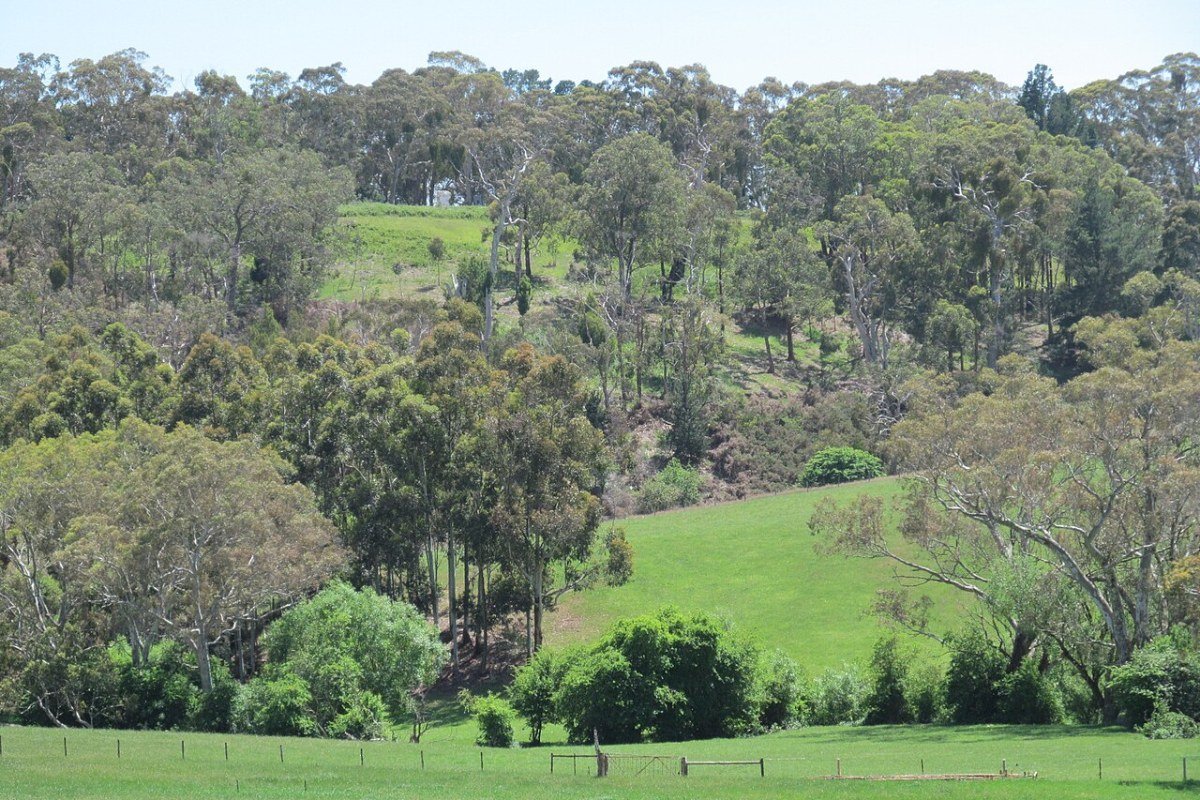
- Adelaide Hills median: AUD $600,000–$800,000
- Barossa Valley median: AUD $500,000–$650,000
- Whyalla/Port Augusta median: AUD $200,000–$300,000
- Electricity costs: South Australia has historically had among the highest electricity costs in Australia, though renewable energy integration has moderated the peaks
Adelaide: Value That Surprises
Adelaide’s housing affordability is genuinely extraordinary relative to its quality of life — a city with world-class arts festivals, Australia’s finest food market, excellent university hospitals, and an 8-minute drive from the beach provides housing at AUD $660,000–$780,000 median that is approximately half of what equivalent quality housing would cost in Sydney. The inner suburbs tell the story most clearly: Norwood and Kensington (the East End’s café and restaurant strip, Federation architecture, 3km from the CBD) median around AUD $1.1M — premium by South Australian standards, yet 40–50% of the equivalent inner-Sydney suburb. Prospect (vibrant commercial strip, good café culture, 4km from the CBD) has crossed AUD $900,000 as its profile has risen; the western suburbs (Hindmarsh, Thebarton, Brompton) provide the most affordable inner-city access at AUD $700,000–$850,000 for renovated workers’ cottages.

Electricity: South Australia’s Energy Transition
South Australia has the most ambitious renewable energy transition of any Australian state — the grid is sometimes 100% renewable during high-wind and high-solar periods, and the state was first in the world to deploy grid-scale battery storage (Hornsdale Power Reserve, 2017). The transition has had cost implications:
- Historical high prices: South Australia experienced some of Australia’s highest electricity costs during the 2016–2018 grid instability period; significant investment has moderated prices
- 2026 context: Residential electricity costs are approximately AUD $1,800–$2,800/year for average households; solar PV with battery storage (the state’s strong irradiance makes the economics compelling) can reduce or eliminate net electricity costs
- Virtual Power Plant: SA Power Networks’ virtual power plant program aggregates residential battery storage for grid stability; participants receive bill credits; the program reduces household net electricity costs significantly
South Australia’s Defence Economy
The AUKUS submarine agreement and the broader defence industry expansion has transformed South Australia’s employment landscape — the AUKUS nuclear-powered submarine program (building submarines at the Australian Submarine Agency’s Osborne Naval Shipyard north of Adelaide) represents the largest defence acquisition in Australian history and will employ thousands of highly skilled tradespeople and engineers over a 20–30 year program:
- Direct employment: 4,000–6,000 direct shipbuilding and submarine maintenance jobs over the program’s life
- Supply chain: 10,000+ jobs in the defence supply chain (components, engineering, professional services)
- Wage premium: Defence industry salaries in Adelaide are significantly above the general South Australian labour market, with specialist tradespeople (boilermakers, welders, electricians) commanding wages competitive with mining boom rates
- Housing impact: The defence employment expansion is expected to sustain Adelaide housing demand through the decade; northern suburbs near Osborne are positioned to benefit most directly
Stamp Duty and Transaction Costs
South Australia charges stamp duty (land transfer duty) on property purchases — a significant upfront cost that affects homebuyer financial planning:
- On a AUD $700,000 purchase: Approximately AUD $28,830 in stamp duty
- On a AUD $1,000,000 purchase: Approximately AUD $41,330
- First Home Owner Grant: SA provides a AUD $15,000 First Home Owner Grant for new builds; stamp duty concessions for eligible first home buyers on properties under AUD $650,000
Daily Costs and Groceries
Adelaide’s grocery costs are slightly below the national average, reflecting competitive supermarket presence (Woolworths, Coles, ALDI, and the independent Foodland chain) and the proximity to SA’s extraordinary food-producing regions. The Adelaide Central Market, operating since 1869, provides the finest concentration of fresh produce, cheese, and gourmet goods in the state at competitive market prices — particularly for South Australian seafood (King George whiting, blue swimmer crabs, oysters from Coffin Bay and Smoky Bay), stone fruit from the Riverland, and Barossa Valley smallgoods. Annual grocery spending for a typical Adelaide household is approximately 3–5% below the national capital city average, reflecting the state’s agricultural production advantage and the competitive retail environment.
The Adelaide Central Market’s twice-weekly trading schedule (Tuesday, Thursday, Friday, and Saturday) and the proximity of the Barossa Valley, McLaren Vale, and the Fleurieu Peninsula’s produce networks mean that South Australian households have access to the finest regional food supply chain of any Australian capital city, with prices that reflect genuine agricultural proximity rather than premium retail markup.Budgeting Practically for South Australia
Understanding the cost of living in South Australia is the foundation — the next step is knowing which costs are fixed and which can be optimized for your specific lifestyle. Housing is the largest variable in almost every budget, and choosing the right neighborhood within South Australia can produce dramatically different monthly costs while still keeping you close to the places and amenities you value most. Utilities, transport, and food costs compound over time, so even small differences per month become significant over a year. The cost advantages of South Australia relative to high-cost cities like New York, San Francisco, or Sydney are real and measurable — many people who relocate report significant improvements in their financial position alongside a better overall quality of life. Use these figures as a starting framework and verify current rental and property prices for your specific target area, since local markets can shift faster than annual cost-of-living studies.