Cost of Living in British Columbia 2026: Vancouver’s Premium and the Province’s Alternatives
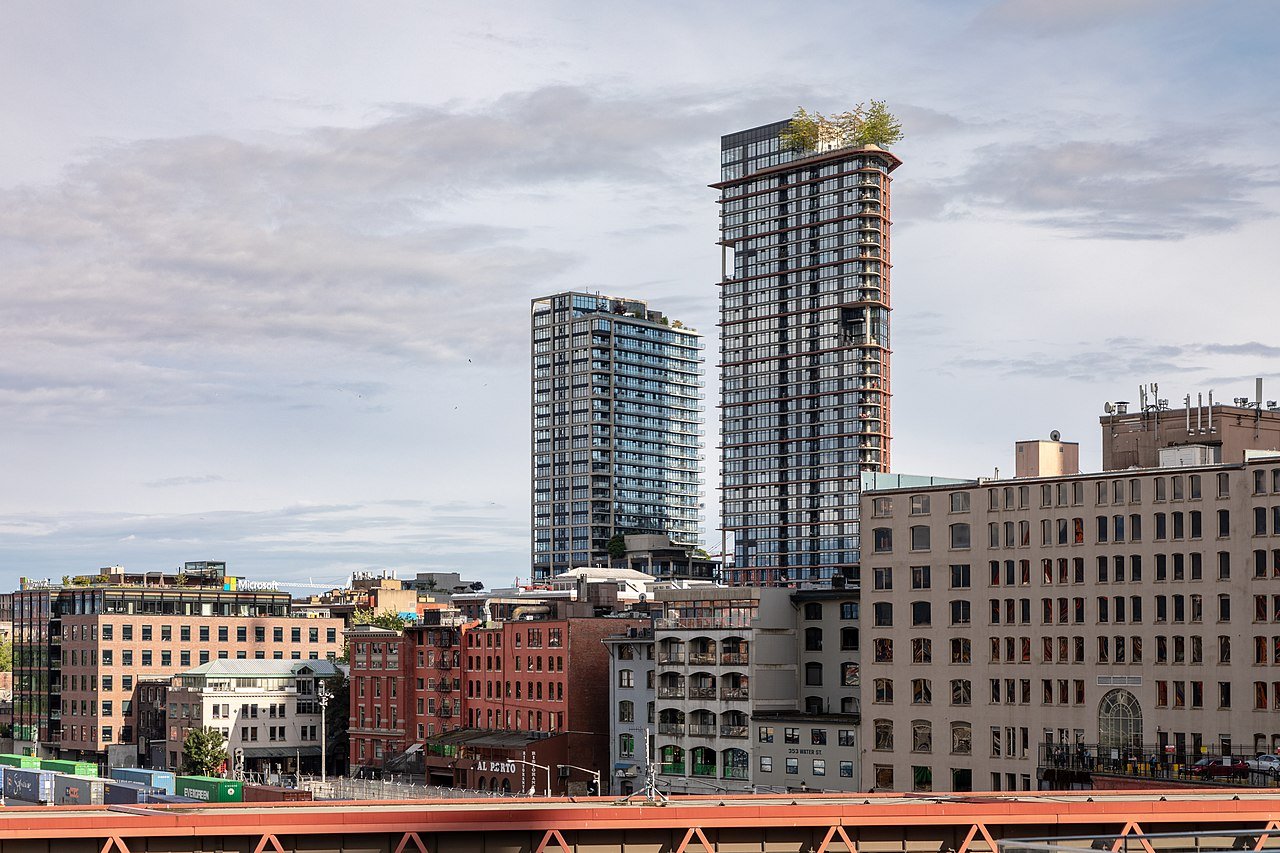
British Columbia’s cost of living is anchored by Vancouver’s housing market — one of the most expensive in North America on a price-to-income ratio, driven by the combination of geographic constraints (mountains to the north, the US border to the south, and the Pacific to the west), exceptional lifestyle desirability, and sustained international demand that has made Vancouver’s residential market a global investment asset class as well as a housing market. The honest assessment for 2026 is that Vancouver proper is genuinely difficult for first-time buyers without substantial family equity or high professional incomes — average detached house prices in the Greater Vancouver area exceed CAD $1.8M, and condo prices average CAD $750,000–$900,000. The provincial picture outside Vancouver is dramatically more affordable: Victoria at CAD $900,000–$1.1M, Kelowna at CAD $700,000–$900,000, and the Interior cities at CAD $400,000–$600,000. For households with transferable income and a willingness to live outside the Vancouver metropolitan area, British Columbia offers a combination of natural environment, outdoor lifestyle, and quality public services that competes with any jurisdiction in North America.
BC Cost at a Glance 2026
- Greater Vancouver average house price (detached): CAD $1.8M–$2.5M
- Vancouver condo average: CAD $750,000–$950,000
- North Vancouver and West Vancouver: CAD $1.5M–$3.0M+ (detached)
- Burnaby and New Westminster: CAD $1.2M–$1.6M (detached); CAD $600,000–$800,000 (condos)
- Surrey and Langley: CAD $900,000–$1.3M (detached)
- Victoria (CRD) average: CAD $950,000–$1.2M (houses)
- Kelowna (Okanagan): CAD $700,000–$900,000
- Prince George and Kamloops: CAD $400,000–$550,000
- BC Hydro electricity: CAD $1,200–$1,900/year average residential (below the national average; BC Hydro’s hydroelectric generation provides competitively priced electricity)
- Provincial income tax: BC’s progressive provincial income tax (7.7% to 20.5%) combines with the federal tax; no provincial sales tax on basic groceries, prescription drugs, and children’s clothing
Vancouver: The Premium and Why People Pay It
Vancouver’s housing premium is real and substantial — but so are the reasons that residents consider it justified. The city’s combination of Pacific Ocean beach access (Wreck Beach, Jericho Beach, Spanish Banks — all within 20 minutes of downtown), North Shore Mountain skiing (Grouse Mountain, Cypress, Mount Seymour — ski-in, ski-out via the gondola from North Vancouver), the Pacific Rim food culture (the finest Chinese food outside of China, the best Japanese cuisine in North America outside of New York, the Pacific Northwest seafood tradition), and a mild Pacific climate (snow is unusual in the city proper; winter temperatures average 6°C) creates a lifestyle that a significant proportion of residents consider worth the significant cost premium:
- East Vancouver (Commercial Drive, Mount Pleasant, Main Street): Vancouver’s most affordable inner-city neighbourhoods; the Drive’s Italian-heritage café culture (the Caffe Calabria, Joe’s Café — unchanged institutions), the Mount Pleasant brewery district, and the Main Street vintage and design strip provide the city’s most diverse and creative residential precincts; detached houses CAD $1.3M–$1.8M; condos CAD $600,000–$800,000
- West Side (Kitsilano, Point Grey, Kerrisdale): Vancouver’s prestige residential area south of False Creek; Kitsilano Beach (the West Side’s most celebrated public space), the 4th Avenue retail strip, and the Point Grey campus of UBC drive demand; detached CAD $2.5M–$5.0M+; condos CAD $800,000–$1.2M
- Burnaby (Metrotown, Brentwood): The SkyTrain corridor’s most mature condo market; Metrotown’s regional shopping centre and the Brentwood redevelopment (a transit-oriented mixed-use precinct replacing the former mall) provide urban amenity at prices 20–30% below Vancouver proper; condos CAD $600,000–$800,000

Victoria: The Island Alternative
Victoria, the provincial capital on Vancouver Island, provides the most complete alternative to Vancouver within BC’s cultural orbit — a city of 400,000 with the Inner Harbour lifestyle, the Butchart Gardens day trip, the cycling culture of the Galloping Goose Trail, and housing prices (CAD $950,000–$1.2M average for houses) that are 40–50% below comparable Vancouver addresses. The BC Ferries service from Tsawwassen provides a 95-minute crossing; the Victoria International Airport connects to the mainland without the ferry; and the city’s combination of established neighbourhoods (James Bay, Fairfield, Oak Bay) with coastal access and a mild island climate (Victoria has the least snowfall of any Canadian city) make it the destination of choice for Vancouver-area households seeking lower costs without losing Pacific Northwest lifestyle quality.
Daily Costs Beyond Housing
- Transit: Metro Vancouver’s TransLink system (SkyTrain, SeaBus, buses) is the most extensive rapid transit network in Western Canada; the U-Pass program for post-secondary students provides significant savings; daily commuters using the SkyTrain Compass card pay CAD $100–$160/month for zone-based passes
- Groceries: Vancouver’s competitive grocery market (Save-On-Foods, Superstore, Costco, T&T Supermarket) moderates costs; produce from the Fraser Valley and Okanagan orchards provides seasonal savings on fresh food
- Parking: Downtown Vancouver’s parking costs (CAD $25–$40/day at public lots) are among the highest in Canada; transit orientation is effectively required for daily commuters to the downtown core
- Ski passes: Whistler Blackcomb’s Epic Pass and IKON Pass provide multi-resort season passes that Vancouver residents use heavily; early-bird season pass prices provide significant savings over daily lift tickets
Who BC Makes Financial Sense For
British Columbia’s financial case is strongest for households whose careers or lifestyle priorities are anchored to Vancouver’s technology, film production, and professional services economy — industries where BC’s salaries are competitive with Toronto and often with San Francisco. For remote workers and retirees, the Interior BC cities (Kelowna, Kamloops, Nelson) offer a combination of natural environment quality, four-season outdoor access, and housing costs that represent among the best value in Canada. The province’s carbon tax, while adding to fuel and heating costs, funds rebates that offset the impact for low and middle-income households. BC remains the province where Canada’s outdoor lifestyle ambitions find their fullest expression — at a price that rewards those who choose their community deliberately.