Cairns is the gateway to two of the world’s greatest natural wonders — the Great Barrier Reef and the Daintree Rainforest — which alone would make it one of the most strategically positioned tourist destinations in Australia. But Cairns is also genuinely enjoyable in its own right: a relaxed, tropical city with a superb Esplanade Lagoon free swimming pool, a well-developed food scene anchored by fresh seafood, and easy access to a remarkable variety of outdoor adventures. First-time visitors to the tropics often underestimate how much is on offer; those who give it three days or more rarely wish they’d spent the time elsewhere.
Getting to and Around Cairns
Cairns Airport has direct flights from Sydney, Melbourne, Brisbane, Adelaide, Darwin, and Singapore — Qantas, Virgin Australia, and Jetstar all serve the route regularly, and competition keeps prices reasonable when booked in advance. Getting around the broader Cairns region requires independent transport for most of the major attractions. A rental car is strongly recommended for anyone planning to visit Cape Tribulation, the Atherton Tablelands, or Port Douglas independently — day tours are available for all three, but they’re significantly more enjoyable at your own pace. In Cairns itself, the waterfront Esplanade, Night Markets, and central restaurants are all walkable.
The Great Barrier Reef from Cairns
The outer reef is about 90 minutes from Cairns by fast catamaran. Operators range from large budget boats (60+ passengers, lower cost, Sunlover Cruises and Reef Magic are reliable) to premium small-group vessels (12–25 passengers, more exclusive reef locations, higher cost). For snorkelers, the difference between a budget and premium operator matters more than most travelers expect — smaller boats access less-trafficked sites where coral health is better and the experience more intimate. For certified divers, Tusa Dive and Calypso Reef Cruises are consistently well-regarded. The key choice: introductory dive (no certification required, under constant instructor supervision, AUD $80–150 additional cost) or snorkel only. For non-divers, an introductory dive is widely considered the single best way to experience the reef properly — the difference in what you see at depth versus the surface is significant.
Port Douglas, 70km north of Cairns, is generally considered a better base for the outer reef — less reef traffic, smaller operators, and the beautiful Low Isles (a coral cay with sheltered snorkeling reachable in 30 minutes) as an excellent alternative for families or those wanting a gentler day. Wavelength and Poseidon are both well-regarded Port Douglas operators.
The Daintree Rainforest and Cape Tribulation
The Daintree is 1.5 hours north of Cairns via the Captain Cook Highway — one of Australia’s most scenic coastal drives, passing through Port Douglas and Mossman before reaching the Daintree River crossing. A small vehicle ferry (every 10 minutes, no advance booking required) takes you across the river — there is no bridge, which is part of what keeps this area genuinely wild. North of the river, the road narrows and the ancient rainforest closes in. Cape Tribulation is where two World Heritage Sites meet: the Daintree Rainforest descends directly onto the beach, making this one of the most unusual coastal landscapes on earth.
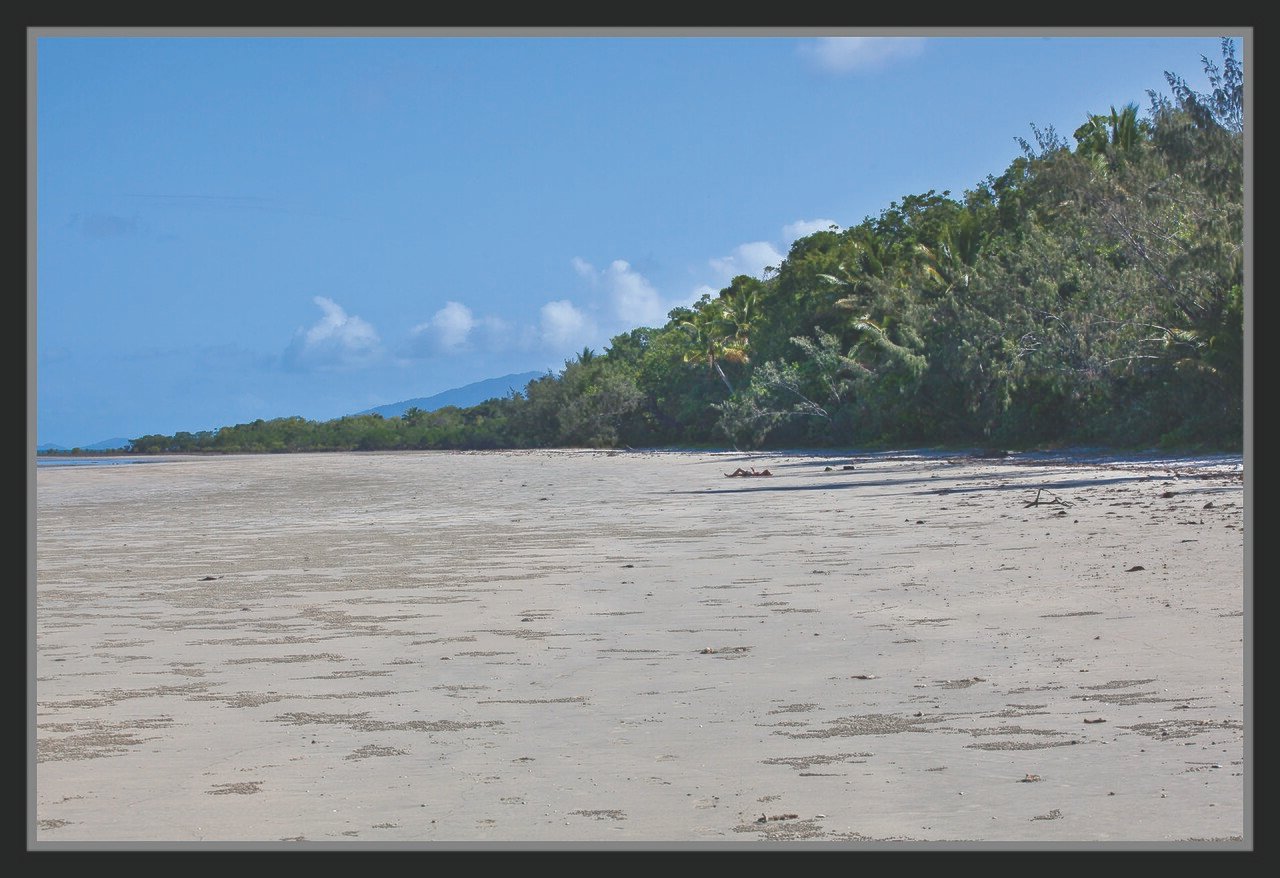
Wildlife is extraordinary — Southern cassowaries (large, endangered flightless birds) are regularly seen on the roadsides; saltwater crocodiles inhabit the river and estuaries (do not swim in the Daintree River or any estuaries north of Cairns without checking conditions). The Marrdja Botanical Walk (1.5km loop through the rainforest near Cape Tribulation) and the Dubuji Boardwalk (mangrove ecosystem walk) are both excellent free walks. The Daintree Rainforest Lodge or Cape Trib Beach House are outstanding overnight options for those who want to experience the forest after dark, when the wildlife becomes even more active.
The Atherton Tablelands
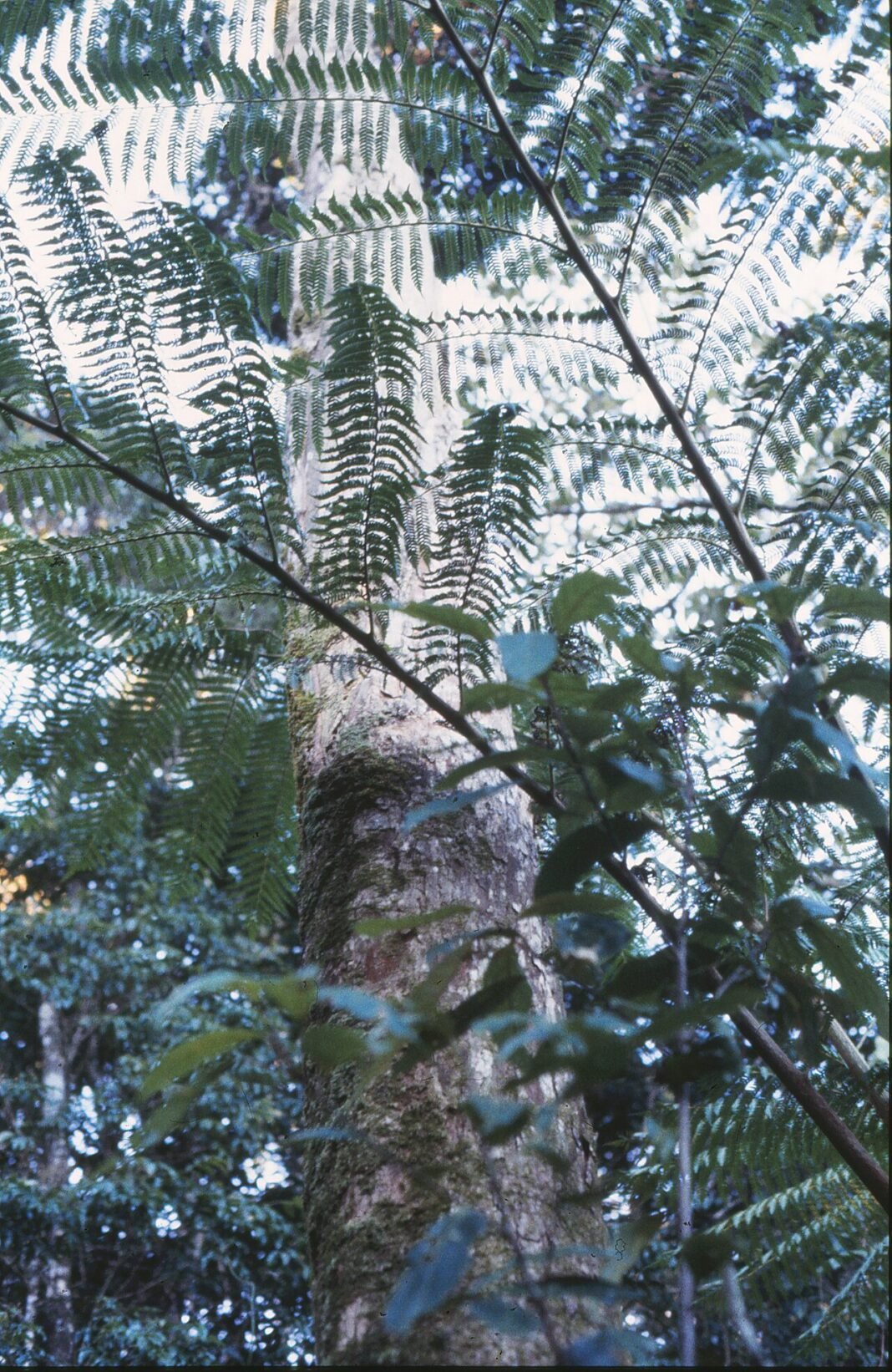
The Atherton Tablelands — a volcanic plateau 90 minutes southwest of Cairns — are completely different from the coast: cooler, lush, and filled with remarkable natural features. Lake Eacham and Lake Barrine are twin volcanic crater lakes of extraordinary clarity, both with short walking circuits through the surrounding rainforest and good swimming — the clear, tea-colored water is strikingly beautiful. The Millaa Millaa Falls, Zillie Falls, and Ellinjaa Falls form a short 20km waterfall circuit through dairy farming country — Millaa Millaa is the most photogenic, a classic wide-face falls dropping into a circular pool.

The Yungaburra township has excellent platypus viewing at Peterson Creek’s Platypus Rock — one of the most accessible and reliable wild platypus sightings in Australia, best at dawn and dusk. The Curtain Fig Tree near Yungaburra is one of the most extraordinary individual trees in Australia — a strangler fig that has engulfed the original host tree and produced a curtain of aerial roots over 15 meters tall. Malanda, Ravenshoe, and Herberton are quieter Tablelands towns worth a stop for coffee, historical context, and the slower pace of the high country.
Cairns City: What to Do and Where to Eat
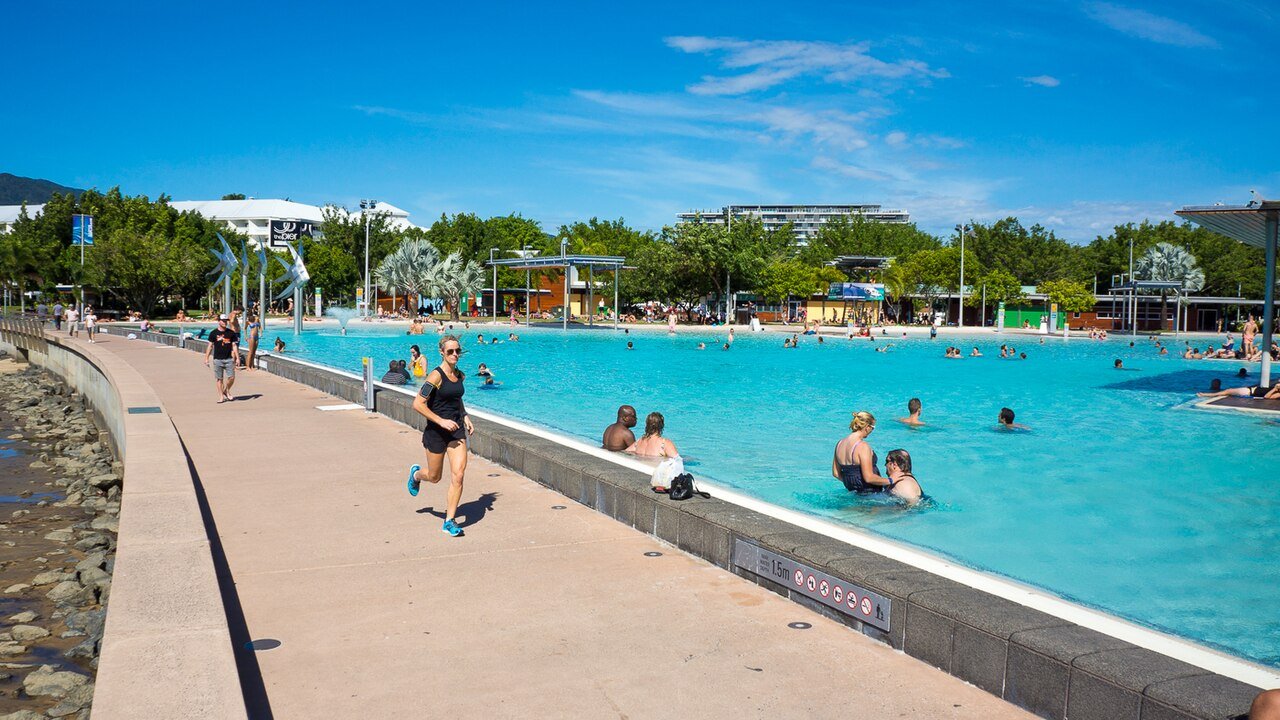
The Esplanade Lagoon is one of the finest urban swimming facilities in Australia — a 4,800 square meter free public saltwater swimming pool on the Cairns waterfront, open from early morning, with views across Trinity Inlet to the green rainforest ranges. The Cairns Night Markets on the Esplanade run nightly (6pm–midnight) with Asian food stalls, local crafts, and a good introduction to the multicultural food scene of Tropical North Queensland. For serious dining, Ochre Restaurant (Australian native ingredients, consistently one of Cairns’ best), Cactus Jack’s (Mexican, reliably fun), and the Salt House (waterfront, good seafood) are all worth seeking out.
Practical Tips: Seasons, Safety, and Costs
The dry season (May–October) is universally recommended as the best time to visit Cairns — lower humidity, minimal rain, no cyclone risk, clear water for reef diving, and generally excellent conditions for all outdoor activity. The wet season (November–April) brings intense tropical rains, high humidity, and the stinger (jellyfish) season in coastal waters — box jellyfish and Irukandji jellyfish make ocean swimming outside patrolled stinger nets genuinely dangerous. During wet season, stinger suits are essential for reef trips and swimming in open ocean. Crocodile safety is year-round: always obey warning signs, never swim in estuaries, rivers, or ocean beaches without local advice, and keep well back from water’s edge when fishing near mangroves. Cairns accommodation ranges from excellent budget hostels (YHA Cairns, AUD $30–40 per dorm bed) to luxury resorts at the Palm Cove strip 25km north of the city.