Australia has a well-earned reputation as an expensive destination — accommodation in Sydney and Melbourne rivals London and New York, and the cost of living generally reflects high wages and geographic isolation. But Australia is also a country with extraordinary free outdoor experiences, one of the world’s best hostel and campervan cultures, and a food scene where excellent eating at very reasonable prices is available if you know where to look. With the right strategy, an Australian trip can be far more affordable than most travelers expect — and the experiences available on a tight budget are genuinely world-class.
Free and Low-Cost Outdoor Experiences
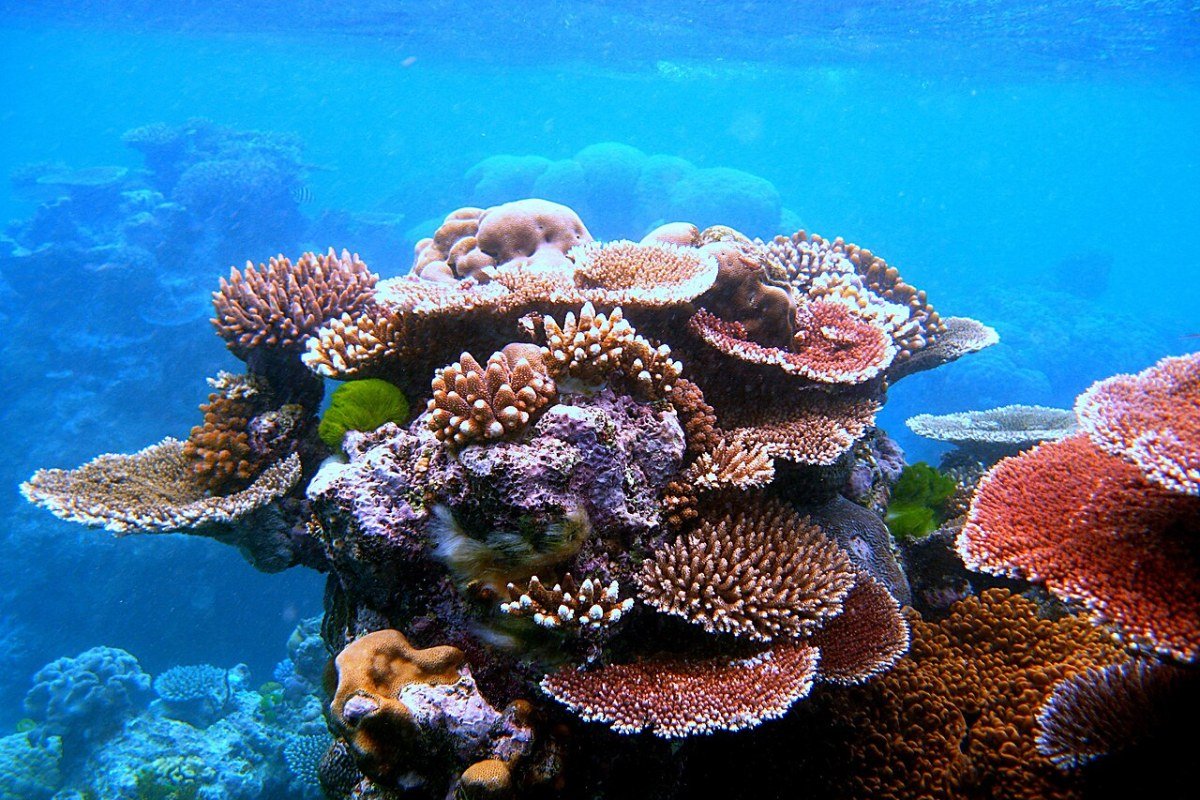
Australia’s greatest attraction — its extraordinary outdoor environment — is largely free. Bondi Beach, Manly Beach, Whitehaven Beach, the Great Ocean Road (no toll to drive), the Bondi to Coogee Coastal Walk, the Blue Mountains walks from Katoomba, the Overland Track in Tasmania, the Freycinet Peninsula Circuit — all cost nothing beyond transport to get there. National park entry fees are charged in some states (typically $8–15 per vehicle per day in Queensland parks, and $8 for NSW national parks with the All Parks Pass at $65/year), but many of Australia’s most extraordinary landscapes (Kakadu, Uluru-Kata Tjuta, Great Barrier Reef Marine Park) are managed at the Commonwealth level with different fee structures. Swimming in the ocean is free everywhere in Australia — and the ocean is one of the country’s greatest assets, with beach access public by law along the entire coastline.
Most state and national galleries and many national museums have free entry: the National Gallery of Victoria (both buildings, Melbourne), the Art Gallery of NSW (Sydney), the National Gallery of Australia (Canberra), the Queensland Museum (Brisbane), the Australian Museum (Sydney — periodic free days), the South Australian Museum (Adelaide), and the Western Australian Museum (Perth) are all free for permanent collections. The Australian War Memorial (Canberra) — one of the finest war museums in the world — is also free.
Accommodation: Hostels, Camping, and Campervans
Australia has an excellent hostel network, particularly along the east coast “backpacker highway” between Brisbane and Melbourne (via the Gold Coast, Byron Bay, Sydney, and Canberra). YHA Australia, Nomads, and Base Backpackers are the main networks — dorm beds typically cost AUD $35–55 per night in major cities, AUD $25–40 in regional centers. The YHA Annual Pass (AUD $40) gives member discounts at all affiliated hostels. Private rooms in hostels (AUD $80–130 for a double) can be excellent value compared to hotels in the same location.
Camping is outstanding value throughout Australia. Caravan parks offer powered and unpowered sites from AUD $25–45 per night with excellent facilities (kitchens, bathrooms, laundries). National park campgrounds are typically AUD $6–18 per person per night — some of the finest settings in the country (Freycinet, Wilson’s Promontory, the Whitsundays). Free camping on Crown Land and in State Forests is possible in many areas — the WikiCamps Australia app (AUD $5) is the essential guide to finding free and cheap campsites across the country.
Campervans represent one of the best budget strategies for extended Australian travel — the combination of transport and accommodation in one vehicle can be very cost-effective over 3–4 weeks. Jucy, Mighty, Apollo, and Hippie Camper are the main budget rental companies; their oldest vans (with authentic patina) are the cheapest option. One-way rentals between Sydney and Melbourne, or between Cairns and Sydney, are often available at reduced rates because companies need vehicles repositioned.
Eating Well on a Budget
Supermarkets (Coles, Woolworths, Aldi) make self-catering straightforward — a week’s groceries for AUD $80–120 per person for simple, healthy cooking. Aldi is noticeably cheaper than the major chains. Farmers’ markets in every major city offer excellent fresh produce: Sydney’s Carriageworks Farmers Market (Saturday), Melbourne’s Queen Victoria Market (open daily, best on weekends), Brisbane’s Jan Powers Markets (Powerhouse and New Farm), and Adelaide’s Central Market (Tuesday–Saturday) are all excellent.
Food courts in Asian shopping centres provide outstanding value in cities with large Asian communities: Chinese mall food courts in Melbourne’s Box Hill or Boxhill South, in Sydney’s Cabramatta, or in Brisbane’s Sunnybank offer Vietnamese, Chinese, and Korean meals for AUD $12–18. Food trucks at lunchtime near CBD offices in all major cities typically offer good meals for AUD $12–16. Fish and chips from a coastal takeaway — AUD $12–18 for a fresh meal — remains one of Australia’s great budget pleasures. For something special: a dozen Sydney rock oysters from a good fish market typically costs AUD $18–25 and is a genuinely luxurious experience at budget price.

Transport: Getting Around Australia Cheaply
Budget airlines: Jetstar connects most Australian capitals at prices that can beat the bus on many routes if booked 4–8 weeks ahead. Sydney–Melbourne from AUD $59, Melbourne–Brisbane from AUD $79, and Sydney–Cairns from AUD $99 are achievable with advance booking. Rex Airlines offers cheaper regional connections in some areas.
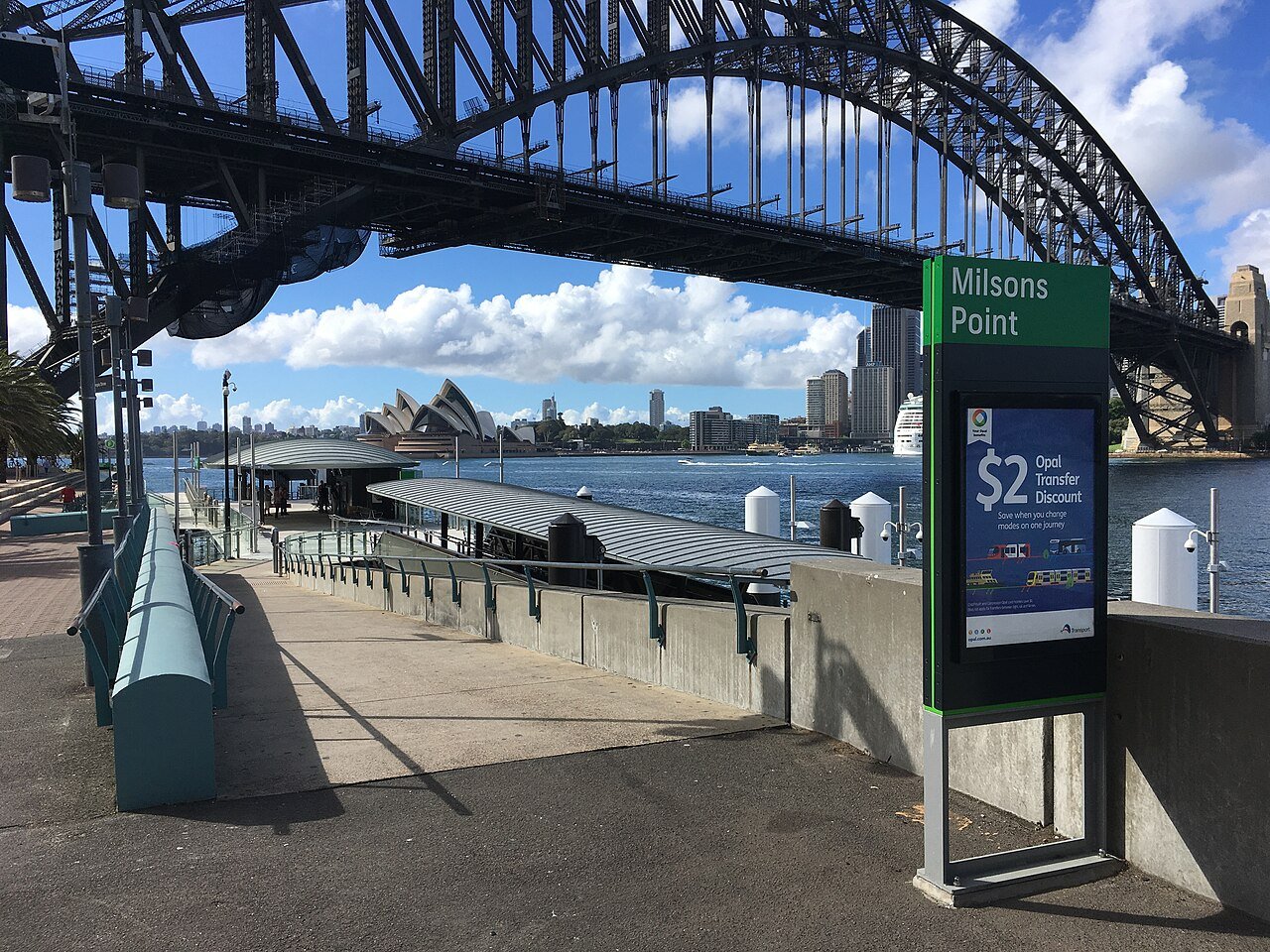
The Greyhound Australia Pass (hop-on, hop-off coach travel along the east coast from Brisbane to Melbourne via Byron Bay, Sydney, and Canberra) is one of the best values in Australian budget travel for the backpacker route. Multi-day passes covering the full route cost AUD $250–400 and allow flexible stop-and-start travel at your own pace. The total journey (Brisbane to Melbourne) is available in 3 days non-stop or spread over 2–4 weeks with multiple stops. Urban transit: Melbourne’s free city zone trams, Sydney’s Opal card (capped daily spend), Brisbane’s Go Card, and Perth’s free CAT bus service in the city center all make getting around Australia’s major cities affordable.
Working Holiday Visa: The Budget Traveler’s Secret Weapon
Australia’s Working Holiday Visa (WHV) — available to citizens of 45 countries aged 18–30 (35 for some nationalities) — allows up to 12 months of work and travel, with the option of extending to a second or third year by completing regional work (fruit picking, farm work, hospitality in regional areas). The WHV is one of the best ways to fund extended travel in Australia: full-time work at Australia’s high minimum wage (AUD $23.23 per hour in 2024) generates enough income to fund ongoing travel when not working. Many backpackers alternate periods of work (typically in hostels, farms, or hospitality) with travel periods, making a year or more of Australian travel self-funding. Apply before departure through the Australian Department of Home Affairs — the visa costs AUD $635 and takes days to process online.