

California: The World’s Greatest Travel Destination in One State
California is an argument about geography. The state stretches 770 miles from its Oregon border to its Mexican frontier, encompassing climates that range from subarctic alpine to subtropical coastal to bone-dry desert. It contains the highest point in the contiguous United States (Mount Whitney, 14,505 feet) and the lowest (Badwater Basin in Death Valley, 282 feet below sea level), and the two are separated by just 84 miles of horizontal distance. The Redwood Coast has trees that are among the oldest and tallest living organisms on Earth. The Central Valley is the most productive agricultural region in North America. Los Angeles is the entertainment capital of the world, San Francisco is the innovation capital of the global technology industry, and the wine country of Napa and Sonoma has earned international recognition that competes with Bordeaux and Burgundy.
No single trip encompasses California. The state rewards repeat visits, extended stays, and the discipline to focus on one region at a time rather than racing through a greatest-hits itinerary. Here are the experiences that define each of California’s remarkable regions.
San Francisco and the Bay Area
San Francisco is one of the world’s great cities — a dense, walkable urban environment on a dramatic peninsula where the Pacific fog rolls through the Golden Gate and the city’s famous hills offer views that have been inspiring artists and writers for 150 years. The city’s neighborhoods each have distinct characters: the Victorian painted ladies of Alamo Square and the Castro, the Mission District’s extraordinary Mexican murals and taquerias, the modernist Ferry Building with its Saturday farmers’ market, Chinatown (the oldest in North America), and the Haight-Ashbury, where the Summer of Love began in 1967 and the psychedelic history is still palpable in the Victorian storefronts and record shops.
The Golden Gate Bridge is the most photographed structure in California and rightly so — the 1.7-mile span connecting San Francisco to Marin County is a work of both engineering and aesthetic achievement. Walking or cycling across it (free for pedestrians and cyclists) provides views of the bay, Alcatraz Island, and the Marin Headlands that rank among the best urban perspectives in the world. Alcatraz Island itself — served by ferries from Fisherman’s Wharf — offers one of the most atmospheric and historically rich tours in the United States, with audio commentary narrated by former guards and inmates.

Napa and Sonoma valleys — an hour north of San Francisco — constitute one of the world’s great wine regions, producing Cabernet Sauvignon, Chardonnay, Pinot Noir, and Zinfandel at levels of quality that command international prices and win global competitions. The experience of tasting in a cave carved into hillside volcanic rock, or on a terrace above vine rows that turn golden in autumn, is one of California’s most refined pleasures. Sonoma generally offers more accessible and less crowded tasting experiences than the more commercially developed Napa Valley.
Los Angeles: More Than the Movies
Los Angeles is the most stereotyped and least understood major American city. The car culture, the sprawl, the entertainment industry obsession — these are real characteristics, but they overlay a city of extraordinary diversity, genuine cultural depth, and natural beauty that most visitors don’t encounter because they stay on the tourist-information-pamphlet circuit.
The Getty Center, perched on a Brentwood hillside with gardens designed by Robert Irwin and a travertine pavilion collection that includes van Gogh’s “Irises,” Rembrandt’s “An Old Man in Military Costume,” and a photography collection of international importance — is free to enter (parking is $20) and represents one of the great art museum experiences on the West Coast. The Los Angeles County Museum of Art (LACMA) has undergone years of transformation and houses the largest encyclopedic art collection in the western United States. The Broad, in downtown LA, showcases contemporary art from the Broad Collection with works by Jeff Koons, Cindy Sherman, and Kara Walker.
The Santa Monica Mountains, rising directly from the Pacific Coast between Malibu and the San Fernando Valley, contain 70,000 acres of parkland that is the largest urban national recreation area in the United States. The Backbone Trail crosses 67 miles of mountain terrain accessible from dozens of trailheads within 30 minutes of downtown LA.
Yosemite National Park
Yosemite Valley is the cathedral of the American West — a glacially carved valley with vertical granite walls rising 3,000 feet above the valley floor, El Capitan (the largest granite monolith in North America), Half Dome (an instantly recognizable geological icon), and Yosemite Falls (the tallest waterfall in North America at 2,425 feet total drop). The valley floor is only 7 miles long and 1 mile wide, meaning all of this grandeur is compressed into a landscape that you can traverse in a single day’s walk.

Beyond the valley, Yosemite extends into the high Sierra Nevada. Tuolumne Meadows, at 8,600 feet elevation, is the gateway to subalpine wilderness that contains over 800 miles of trails and the kind of mountain scenery — glaciated domes, alpine lakes, meadows filled with wildflowers in late June and July — that rivals the Alps in visual quality and surpasses them in solitude. Sequoia and Kings Canyon national parks, south of Yosemite, protect the world’s largest trees by volume: the General Sherman Tree is the largest single living organism on Earth by mass.
The California Coast: Highway 1 and Beyond
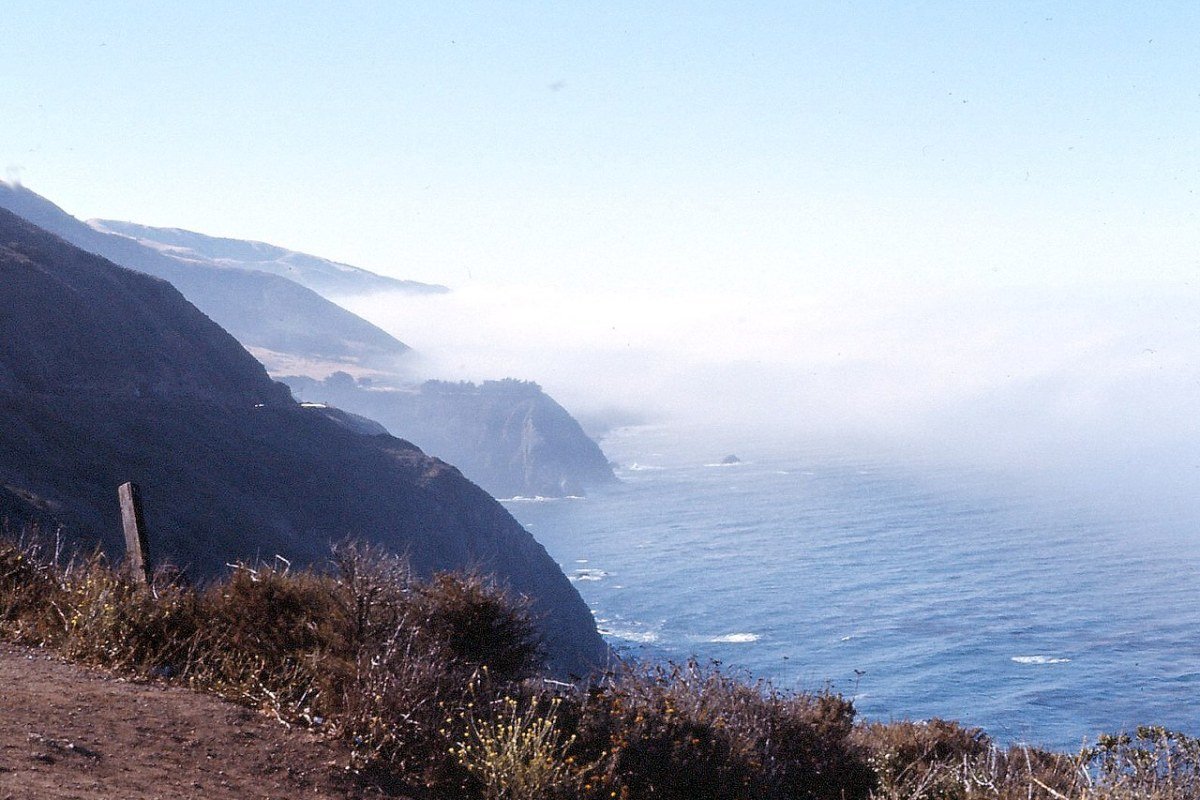
California’s Pacific Coast is one of the great scenic drives in the world. Highway 1, which hugs the coastline through Big Sur, Carmel, and Marin County, passes through landscapes of dramatic coastal bluffs, redwood canyons, sea stacks, and beaches of remarkable variety over its 656-mile length. Big Sur — the 90-mile stretch of coast between San Simeon and Carmel where the Santa Lucia Mountains fall directly into the Pacific — is the most celebrated section: the Bixby Creek Bridge, McWay Falls, and the rocky headlands of Andrew Molera and Garrapata state parks deliver scenery that belongs among the best in the world.
Death Valley National Park
Death Valley is the most extreme landscape in the United States — the hottest, driest, and lowest point in North America contained within a national park that is, paradoxically, extraordinarily beautiful. The Badlands of Zabriskie Point, the salt flats of Badwater Basin, the sand dunes of Mesquite Flat, the volcanic craters of Ubehebe, and the cascading colors of the Artist’s Palette make Death Valley a destination of genuine visual power when visited in the appropriate season (October–April; summer temperatures routinely exceed 120°F and have been recorded as high as 134°F).
California’s travel diversity — from the sophistication of San Francisco to the wilderness of the Eastern Sierra to the bizarre otherworldly landscape of Death Valley to the surf culture of San Diego — puts it in a category by itself among American states, and indeed among the world’s travel destinations. The challenge is not finding things to do; it’s accepting that any single trip can only cover a fraction of what California offers.