Best Places to Live in Utah 2026: Salt Lake City, Park City, and Silicon Slopes
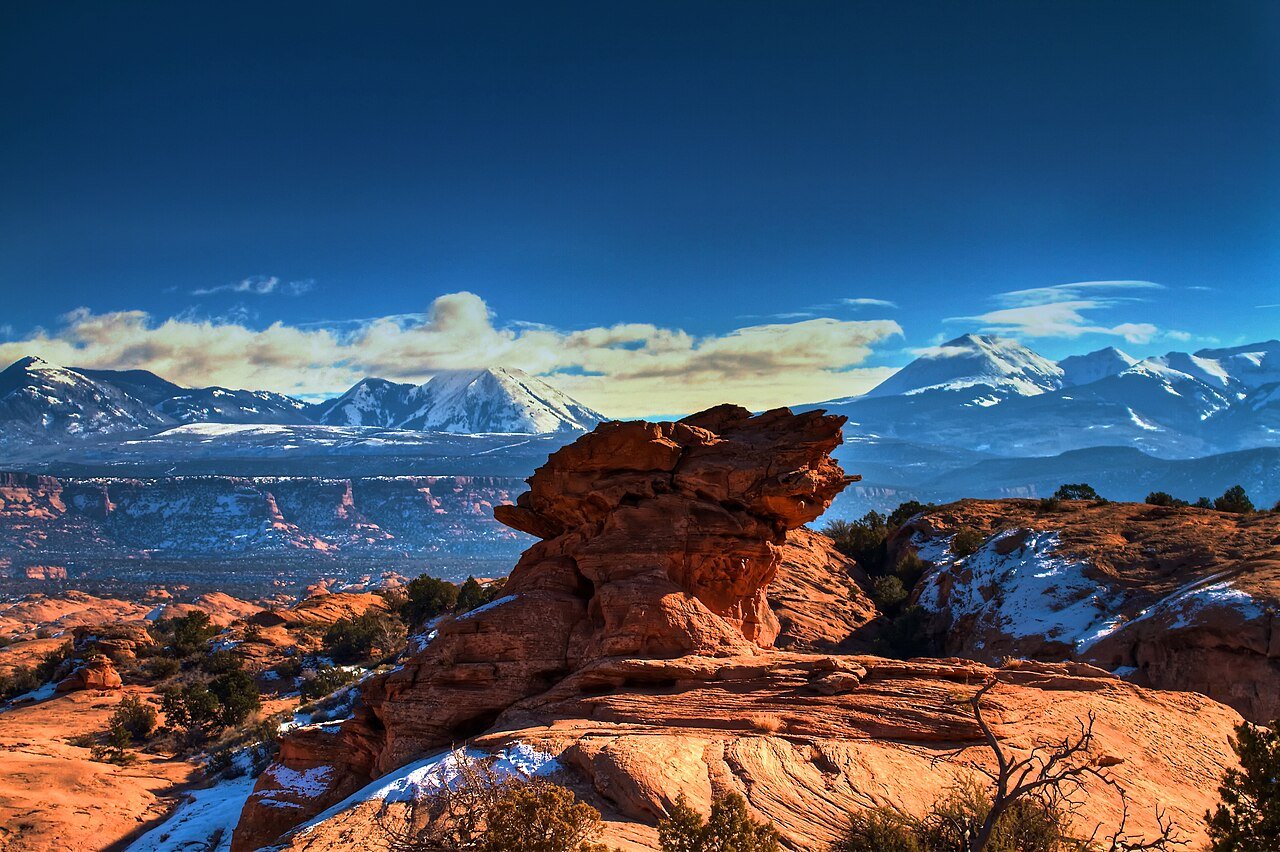
Utah’s residential landscape is defined by the Wasatch Front’s dramatic geography — a line of cities from Ogden in the north through Salt Lake City to Provo in the south, compressed between the Wasatch Mountains to the east and the Great Salt Lake to the west, all within a 100-mile corridor that contains 80% of the state’s 3.3 million residents. Beyond the Wasatch Front, St. George in the southwest and Moab in the southeast provide distinct lifestyle options for households seeking the desert landscape that defines southern Utah. The state’s outdoor access — ski resorts, national parks, trail networks — is genuinely integrated into daily life rather than a tourist feature, and choosing where in Utah to live involves matching the specific outdoor access you want with the employment situation you need.
1. Sugar House / 9th and 9th, Salt Lake City — Urban SLC
Salt Lake City’s most vibrant residential neighborhoods — Sugar House (a historic suburb annexed into the city, with a walkable commercial district and the largest urban park in Salt Lake) and the 9th and 9th neighborhood (a compact pocket of independent restaurants and galleries that distills the city’s creative character into three blocks) — provide the most complete urban experience in Utah. Sugar House’s Liberty Park (80 acres with a lake, tennis courts, and performance venues) and the Sugarhouse Park (110 acres overlooking the Salt Lake Valley) provide greenspace at a scale unusual in dense urban neighborhoods. Housing runs $550,000–$800,000 for the Victorian and craftsman homes in the established blocks, with condos and newer townhomes available from $450,000. The neighborhood’s walkability, independent dining scene, and access to TRAX light rail make it Salt Lake’s most convenient urban address.
2. Park City: Mountain Town Premium
Park City is Utah’s most aspirational residential community — a mountain town at 7,000 feet with two ski areas (Park City Mountain and Deer Valley) within walking distance of the historic Main Street, summer mountain biking and trail running on world-class terrain, and the Sundance Film Festival each January that brings the global film industry to a town of 8,000 permanent residents. The trade-off is substantial cost: Park City’s housing market reflects its status as both a resort town and a Salt Lake suburb, with single-family home medians running $2M–$3M+ in the most desirable ski-in/ski-out locations and condos starting at $700,000. The outer communities of Snyderville Basin, Silver Summit, and Jeremy Ranch provide more accessible entry points at $850,000–$1.5M. For households earning tech-industry salaries who prioritize ski access and mountain lifestyle, Park City remains compelling despite its premium pricing.
3. Provo/Orem: Silicon Slopes Hub
Provo and Orem, anchored by Brigham Young University’s 35,000 students and the Silicon Slopes tech corridor, provide Utah’s most concentrated employment growth market outside Salt Lake City. The tech presence (Qualtrics was founded here; Domo, Podium, and dozens of venture-backed startups have their headquarters in the area) creates a young, educated workforce and a restaurant and arts scene that has developed rapidly over the past decade. BYU’s cultural influence is significant — Provo has a notably different social character from Salt Lake City, with a more family-oriented and religiously homogeneous community that some households find appealing and others find constraining. Housing runs $450,000–$550,000 median; rental availability has improved with significant new construction. Access to both Sundance ski resort (20 minutes) and the Wasatch Front resorts (1 hour) is a significant lifestyle advantage.
4. Ogden: The Affordable Wasatch Alternative
Ogden, at the northern end of the Wasatch Front, is Utah’s best housing value among the larger cities — a former railroad hub with a revitalized downtown (25th Street’s restaurant and entertainment corridor has genuine character), direct access to three ski resorts (Snowbasin, Powder Mountain, Nordic Valley), mountain biking trails from the city limits, and housing prices 20–30% below Salt Lake City equivalents. The median of $370,000–$410,000 provides significant purchasing power relative to the outdoor access and urban amenity available. Ogden’s revitalization has been sustained but slower than Salt Lake City’s, providing opportunity for households seeking value at the leading edge of an appreciating market. Weber State University provides educational and cultural anchoring.
5. St. George: Warm Weather Desert Lifestyle
St. George is the fastest-growing city in Utah and one of the fastest in the country — a desert city of 100,000 residents (metro area 200,000+) at the confluence of the Virgin River, just minutes from Zion National Park and Snow Canyon State Park. The appeal is obvious: 300+ sunny days annually, mild winters (January average high 52°F), direct access to some of the finest desert hiking in the Southwest, and housing prices significantly below the Wasatch Front. The trade-off involves summer heat (July averages 100°F+), distance from major employment centers, and a social culture dominated by retirement-age residents and young religious families. For remote workers, retirees, and outdoor-focused households, St. George offers a quality-of-life package that is difficult to replicate at comparable cost anywhere in the West.
6. The Avenues and Capitol Hill, Salt Lake City — Historic Character
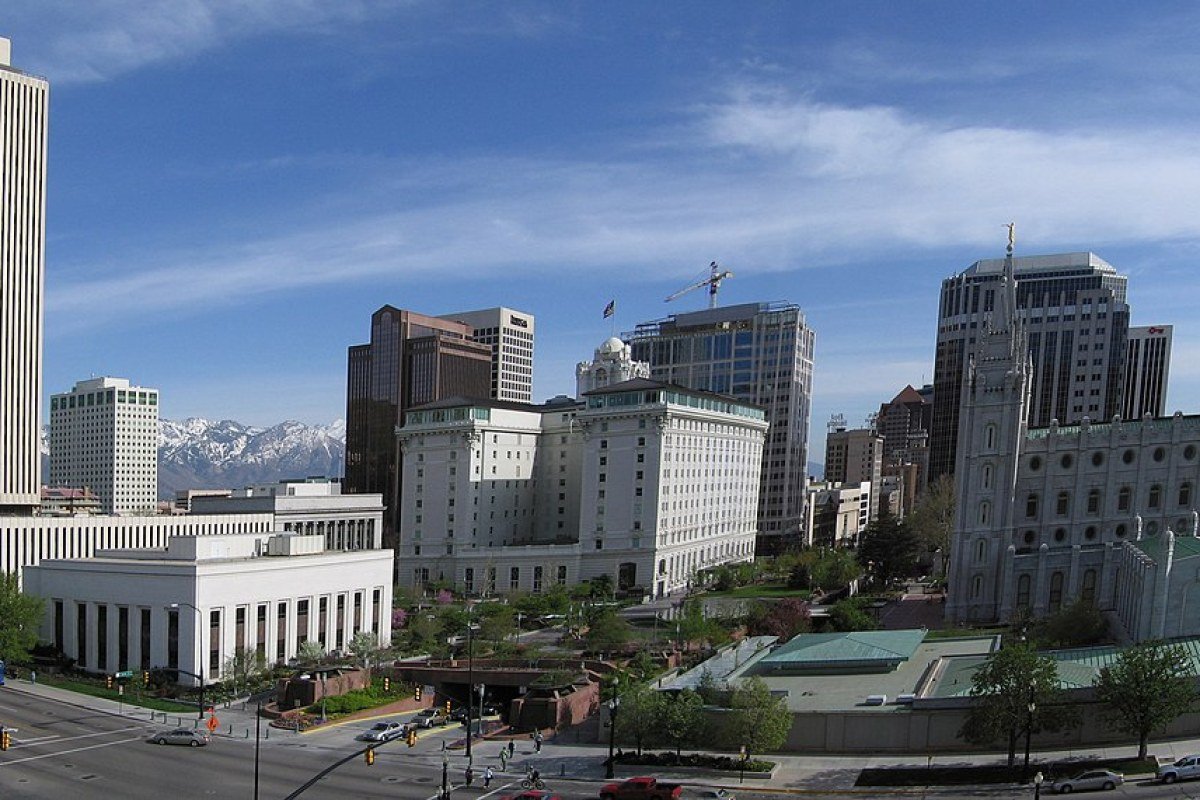
The Avenues, Salt Lake City’s oldest residential neighborhood immediately north of downtown, provides the most architecturally varied and historically significant housing stock in the state — a grid of late-Victorian and early-20th-century homes on hillside streets with views over downtown and the western valley. The neighborhood’s walkability (steps from Temple Square, the state capitol, and downtown dining), access to City Creek Canyon’s hiking trails, and proximity to the University of Utah medical campus make it one of Salt Lake’s most consistently desirable addresses. Median prices run $550,000–$750,000 for single-family homes, with older condos and renovated flats available from $350,000 in the lower Avenues blocks.
Making Your Decision
Choosing where to live in Utah comes down to honestly matching your priorities with what each city and community genuinely delivers. Budget, career opportunities, access to outdoor recreation, climate preferences, and community character all weigh differently depending on your life stage and values — and no ranking can substitute for that personal assessment. The cities and towns profiled in this guide represent the strongest overall options, but Utah has smaller communities that offer compelling alternatives for those willing to trade urban convenience for affordability, quieter living, or closer access to natural landscapes. If possible, spend at least a long weekend in your shortlisted communities before committing — the practical factors matter enormously, but so does the less quantifiable sense of whether a place simply feels right for where you are in life.