.jpg?width=1200)
Best Places to Live in Ohio 2026: Columbus, Cleveland, Cincinnati, and Beyond
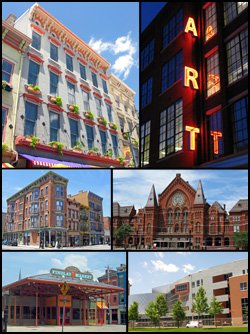
Ohio’s residential landscape has been transformed in the past decade by the renaissance of its three major cities, each of which has developed distinct urban neighborhoods that compete with comparable destinations in much more expensive metropolitan areas. The Short North in Columbus, Ohio City and Tremont in Cleveland, and Over-the-Rhine in Cincinnati collectively represent some of the finest urban neighborhood rehabilitation in the American Midwest — communities that have attracted young professionals, artists, and families seeking walkable urban living at prices that remain well below coastal equivalents. Beyond the urban cores, Ohio’s suburban communities offer strong school districts, large lots, and family-oriented infrastructure at prices that consistently attract households priced out of northeastern and West Coast markets.
1. Short North / German Village, Columbus — The Creative Capital
The Short North Arts District and the adjacent German Village neighborhood form Columbus’s most desirable urban community — a walkable corridor of galleries, restaurants, bars, and independent retail that has anchored the city’s reputation as a creative destination. The Short North runs along High Street from downtown to the Ohio State campus, providing the density and variety of a much larger city in a small-city setting. German Village, just south of downtown, is a National Historic Landmark of 19th-century brick row houses on tree-lined streets where renovated homes maintain the character of the original German immigrant neighborhood. Housing costs in both areas have risen substantially with demand — expect $350,000–$500,000 for renovated German Village bungalows and $400,000+ for Short North-adjacent Victorian Village homes. The neighborhood’s walkability, independent dining scene, and proximity to downtown employment make it Columbus’s most consistently in-demand address.
2. Ohio City / Tremont, Cleveland — The Culinary Neighborhoods
Ohio City and Tremont, on the near west side of Cleveland across the Cuyahoga River from downtown, are the city’s most vibrant urban neighborhoods — communities that have developed distinctive food cultures while maintaining affordability that makes them accessible to a range of households. Ohio City is home to the West Side Market and one of the highest concentrations of acclaimed restaurants in Ohio; Tremont is an arts neighborhood with galleries and restaurants in renovated Craftsman homes. Median home prices in both neighborhoods run $200,000–$300,000, with renovated historic homes topping $350,000 — extraordinary value by any comparison to equivalent neighborhoods in Chicago, Boston, or New York. The commute to downtown Cleveland is a 10-minute drive or a pleasant walk across the Main Avenue Bridge.
3. Hyde Park / Mount Lookout, Cincinnati — The Hilltop Neighborhoods
Cincinnati’s hilltop neighborhoods of Hyde Park and Mount Lookout provide the city’s most complete urban-suburban combination — walkable commercial districts (Hyde Park Square has long been Cincinnati’s most refined neighborhood commercial area), large homes on generous lots, tree-lined streets, and the dramatic topographic views that make Cincinnati’s geography its most distinctive asset. Hyde Park and Mount Lookout attract the city’s professional class, particularly families with school-age children, at median prices of $350,000–$500,000 for the large colonial and Tudor-style homes that define the neighborhood character. The Cincinnati Art Museum and Eden Park are within walking distance of Hyde Park’s residential streets.
4. Dublin / Upper Arlington — Columbus’s Premier Suburbs
Dublin and Upper Arlington, northwestern and western Columbus suburbs respectively, represent the state’s most consistently sought-after family communities — school districts with outstanding reputations (Upper Arlington’s schools are among the top-rated in Ohio), established neighborhood character, and proximity to the Ohio State campus and Columbus’s growing tech and healthcare employment corridor. Median home prices run $350,000–$500,000, with the premium school district access and established neighborhood character commanding prices that reflect sustained demand over decades. Dublin has emerged as a genuine mixed-use destination in its own right, with the Bridge Street development corridor providing walkable retail, dining, and entertainment in a suburban setting.
5. Shaker Heights / Cleveland Heights — Cleveland’s Historic Eastern Suburbs
Shaker Heights and Cleveland Heights, inner eastern suburbs of Cleveland, offer some of the most architecturally significant residential housing stock in the Midwest — large Tudor, colonial, and English cottage-style homes on tree-lined streets designed in the 1920s as model planned communities — at prices that represent extraordinary value: $200,000–$350,000 buys homes that would cost $800,000–$1,200,000 in comparable Boston or Philadelphia neighborhoods. Both communities have maintained diverse, walkable neighborhood commercial districts (Coventry Village in Cleveland Heights; the Van Aken District in Shaker Heights, recently renovated into a regional destination) and strong public school reputations that make them competitive with suburban alternatives at significantly lower cost.
6. Dayton / Oakwood — Ohio’s Hidden Urban Value
Dayton, Ohio’s fourth-largest city, offers an urban living option that remains significantly undervalued compared to the state’s better-known metros. The Oregon District (Dayton’s vibrant entertainment and residential neighborhood) combines 19th-century commercial architecture with a lively restaurant and bar scene that punches above its weight. Oakwood, Dayton’s premier suburb, consistently ranks among the most affordable communities in the United States with top-rated school districts — median home prices of $200,000–$280,000 for large, well-maintained homes in a walkable suburban setting. Wright-Patterson Air Force Base provides stable employment and economic diversification. For households prioritizing school quality and residential value over urban amenities, Dayton’s metro offers compelling options at prices that make Columbus and Cleveland look expensive by comparison.
Ohio’s combination of geographic diversity, genuine major-city amenities in Columbus and Cleveland, and housing costs that remain among the lowest for any major Midwest metro makes it one of the most compelling value propositions for households evaluating the interior US. The state’s improving urban quality — Columbus’s Short North arts district, Cleveland’s revitalized Tremont neighborhood, Cincinnati’s Over-the-Rhine brewery and restaurant scene — provides a cultural return on the financial investment that is increasingly recognized by households relocating from higher-cost markets.
Making Your Decision
Choosing where to live in Ohio comes down to honestly matching your priorities with what each city and community genuinely delivers. Budget, career opportunities, access to outdoor recreation, climate preferences, and community character all weigh differently depending on your life stage and values — and no ranking can substitute for that personal assessment. The cities and towns profiled in this guide represent the strongest overall options, but Ohio has smaller communities that offer compelling alternatives for those willing to trade urban convenience for affordability, quieter living, or closer access to natural landscapes. If possible, spend at least a long weekend in your shortlisted communities before committing — the practical factors matter enormously, but so does the less quantifiable sense of whether a place simply feels right for where you are in life.