British food has spent decades being the butt of jokes — the bland roast, the mysterious pie, the wilted salad. Here’s the honest truth: some of those jokes were earned. But the Britain you’ll eat your way through today is a completely different country. London has more Michelin-starred restaurants than almost any city on earth. Regional British cooking — from the fish and chip shops of the Yorkshire coast to the Cornish pasties of the far southwest — is deeply satisfying when done properly. And Britain’s multicultural heritage has given it one of the world’s most genuinely diverse food cultures, with Bangladeshi curry houses in Birmingham that would embarrass most restaurants in Dhaka. Here’s what you should actually eat.
The Non-Negotiable Classics
Fish and Chips
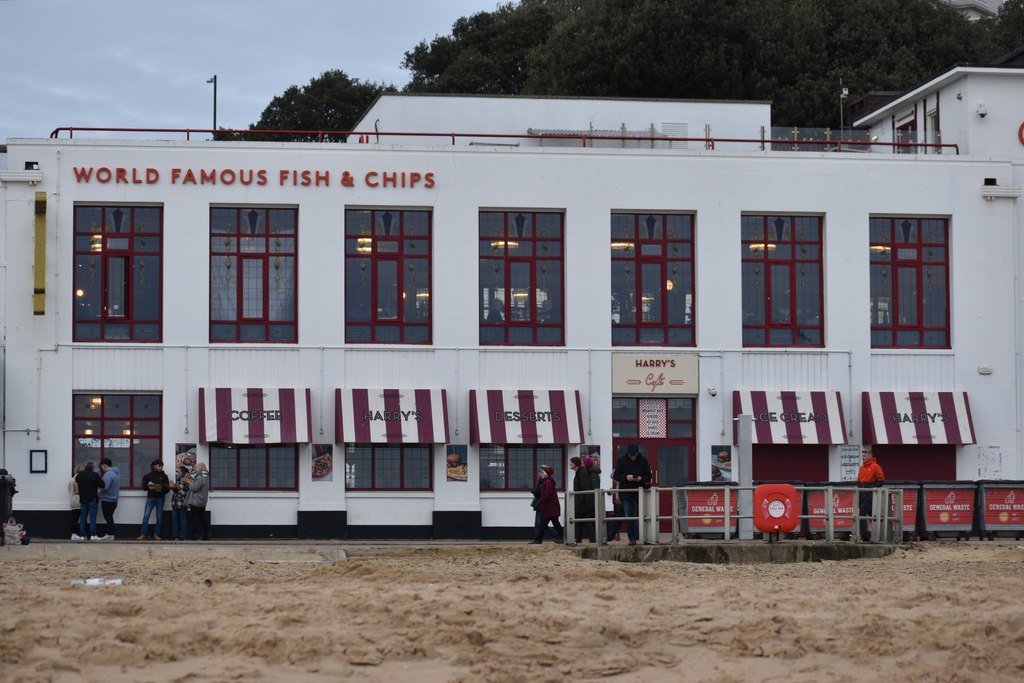
A proper fish and chip supper from a traditional chippie is one of Britain’s greatest culinary pleasures — and one of its most underestimated. Fresh haddock or cod, battered in a light crispy coating and fried until golden, served with thick-cut chips, mushy peas, tartare sauce, and malt vinegar — eaten ideally from paper wrapping at the seaside, with cold wind off the North Sea. The Yorkshire coast (Whitby, Scarborough, Filey) is the spiritual home of fish and chips; Cornwall and Northumberland are also strong contenders. The Magpie Café in Whitby, Colmans in South Shields, and Quayside in Whitby have queues that tell you everything you need to know. In London, The Golden Hind in Marylebone (open since 1914) is the standard-bearer. One rule: never get fish and chips from anywhere that uses frozen fish.
The Sunday Roast
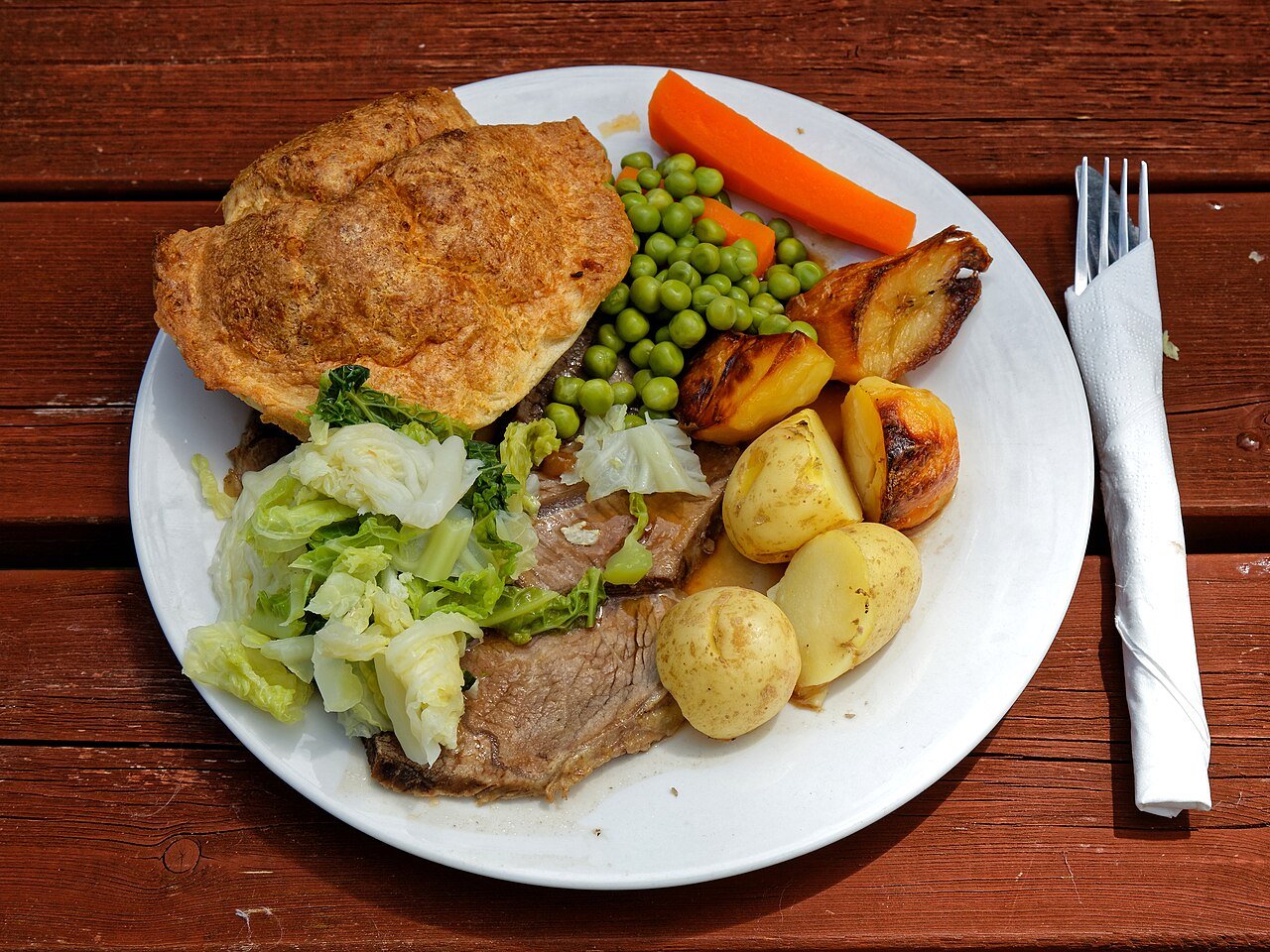
Sunday lunch in a British pub is a national institution that genuinely cannot be replicated anywhere else on earth. Roast beef (ideally aged and pink in the center) or roast lamb with Yorkshire pudding — a batter pudding cooked in meat drippings that emerges crispy, golden, and slightly miraculous — plus roast potatoes, seasonal vegetables, and proper gravy made from the pan juices. The quality of a Sunday roast reveals the character of a pub more reliably than any other dish. The best are served by traditional country pubs in the home counties, Yorkshire, and the West Country, using quality local meat from named farms. London has some excellent Sunday roasts — The Harwood Arms in Fulham (Michelin-starred but relaxed), the Magdalen in Bermondsey, and the Great Queen Street in Covent Garden are among the finest.
Afternoon Tea
Afternoon tea — finger sandwiches (cucumber, smoked salmon, egg and cress), freshly baked scones with Devonshire clotted cream and strawberry jam, a selection of small cakes and pastries, all accompanied by proper loose-leaf tea served in a pot — is a ritual that the British have elevated to a form of art. The great London hotel teas (Claridge’s, The Ritz, The Savoy, The Dorchester) cost £60–£90 per person but are genuinely wonderful special-occasion experiences. Betty’s Tea Rooms in York and Harrogate are more accessible alternatives with the same commitment to quality. The correct order of operations for a scone is fiercely contested: cream first, then jam (Cornish method) or jam first, then cream (Devon method). Both sides are convinced the other is committing a culinary crime.
A Proper Pub Lunch
A traditional British pub at lunchtime — a pint of cask-conditioned real ale, a ploughman’s lunch (good cheese, crusty bread, Branston pickle, cold meat, a pickled onion), or a bowl of homemade soup — is an experience worth planning a trip around. The best pubs in Britain are genuinely extraordinary: 400-year-old buildings with low oak beams, open fireplaces, hand-pulled ales from local breweries, and food made from ingredients sourced from the surrounding countryside. The Campaign for Real Ale (CAMRA) Good Beer Guide lists the finest pubs in the country; any pub displaying a CAMRA recommended sign is worth entering. The growth of “gastropubs” since the 1990s has raised the quality ceiling dramatically — some Michelin-starred gastropubs (The Hand and Flowers in Marlow, The Star Inn at Harome in Yorkshire) are among the best restaurants in England in any category.
Regional British Food: What to Seek Out Where
- Cornish pasty (Cornwall): A shortcrust pastry case filled with beef skirt, waxy potato, swede, and onion — originally made for Cornish tin miners. A proper Cornish pasty has Protected Geographical Indication (PGI) status and must be made in Cornwall. The Chough Bakery in Padstow and Ann’s Pasties in Porthleven are among the best.
- Scotch pie (Scotland): A double-crust minced mutton pie in a hot water pastry case — the taste of Scottish football grounds, Saturday markets, and early winter mornings. Buy from a traditional Scottish bakery (Greggs does not count).
- Welsh rarebit (Wales): Seasoned cheese sauce with mustard, Worcestershire sauce, and sometimes beer, poured over toast and grilled. It sounds simple. When made properly, it’s one of the most satisfying things you can eat in Britain.
- Melton Mowbray pork pie (East Midlands): A cold-eat pie of seasoned uncured pork in a hand-raised hot water crust — PGI protected. Best eaten at room temperature with English mustard and pickled cucumber. The Ye Olde Pork Pie Shoppe in Melton Mowbray has been making them since 1851.
- Haggis (Scotland): Sheep’s offal mixed with oatmeal, onions, suet, and spices — it sounds alarming and tastes deeply, satisfyingly savory. Burns Night (January 25th) is the traditional time to eat it, with neeps and tatties (turnip and potato) and a generous dram of Scotch whisky.
- Steak and kidney pie (national): Slow-braised beef and kidney in a rich gravy, topped with shortcrust or puff pastry — the archetypal British comfort food, done at its best by quality butchers and traditional restaurants.
Britain’s Curry Culture: An Unexpected Food Destination
One of the most genuinely surprising food experiences in Britain is its Indian and Bangladeshi restaurant scene — genuinely world-class in a way that few visitors anticipate. Birmingham’s Balti Triangle (around Sparkhill and Moseley) created the Balti curry in the 1970s and still makes it better than anywhere else on earth. London’s Brick Lane in East London is the most famous curry corridor in the country, though the best Indian restaurants are increasingly scattered across the city — Dishoom (multiple locations) has queues around the block for good reason, and the Indian restaurant culture of Tooting in south London rivals anything Birmingham or Bradford can offer. Chicken tikka masala — a British invention, whatever the origin myths claim — remains the most ordered dish in British restaurants. Yorkshire’s Bradford has a claim to being the curry capital of England that Birmingham would dispute vigorously.
Modern British Restaurants: The Case for Going Upmarket
London’s restaurant scene is genuinely one of the world’s finest, and it would be a shame to visit without experiencing at least one exceptional meal. The modern British cooking movement — pioneered by Fergus Henderson at St John (nose-to-tail eating, simple presentation, extraordinary quality), developed further by restaurants like The River Café, Chez Bruce, and Rochelle Canteen — has produced a style of cooking that is confident, ingredient-led, and unmistakably British. Beyond London, restaurants like Moor Hall in Lancashire (two Michelin stars), L’Enclume in Cumbria (three stars), and Yorke Arms in Yorkshire serve cooking that would hold its own against anything in Paris or Copenhagen. Booking well in advance is essential for the most lauded places; but the quality of casual dining across Britain has improved dramatically in the past decade, and a well-chosen neighborhood restaurant in any of Britain’s major cities can provide an excellent dinner for £30–£50 per person.
What to Drink: Beer, Whisky, and Gin
British real ale — cask-conditioned, served at cellar temperature (not ice cold), and tasted properly through a full pint glass — is one of the world’s great beverages when pulled correctly. CAMRA’s Great British Beer Festival celebrates the extraordinary variety of British ale: from the bitter hops of a Yorkshire pale ale to the dark malt complexity of a London porter. Scottish single malt whisky needs no introduction, but the visitor who takes time to visit a distillery in Speyside (Glenfarclas, Glenfiddich, The Balvenie), Islay (Laphroaig, Ardbeg, Bruichladdich), or the Highlands (Glenmorangie, Dalmore) will return home with an entirely different relationship to the liquid. British gin has undergone a revolution since 2010 — London-distilled gins (Sipsmith, Beefeater 24, Hayman’s) and regional craft gins from Scotland and Wales are now world-class. Order a proper G&T with tonic water, a large measure, and plenty of ice.