Ask someone what American food is and they’ll probably say burgers, hot dogs, or pizza — and that answer reveals a fundamental misunderstanding of one of the world’s most fascinating culinary landscapes. American food is extraordinarily diverse, regionally specific, and deeply shaped by centuries of immigration, indigenous traditions, and geography. From the Creole kitchens of New Orleans to the sushi counters of Los Angeles, from the pit masters of Central Texas to the farm-to-table restaurants of the Hudson Valley, eating your way across America is one of the great culinary adventures available to any traveler.
The American South: Where Soul and Technique Meet
Southern food is perhaps the most distinctive regional cuisine in the country — shaped by African, Native American, and European traditions and built around ingredients like corn, pork, sweet potatoes, okra, and leafy greens. Fried chicken is the cornerstone: the proper Southern version involves marinating in seasoned buttermilk overnight, dredging in well-spiced flour, and frying in cast iron until the crust shatters. In Nashville, you encounter hot chicken — fried chicken coated in a paste of cayenne and spices that ranges from warmly spiced to genuinely incendiary, served on white bread with pickles. Prince’s Hot Chicken Shack, the originator, is the benchmark.
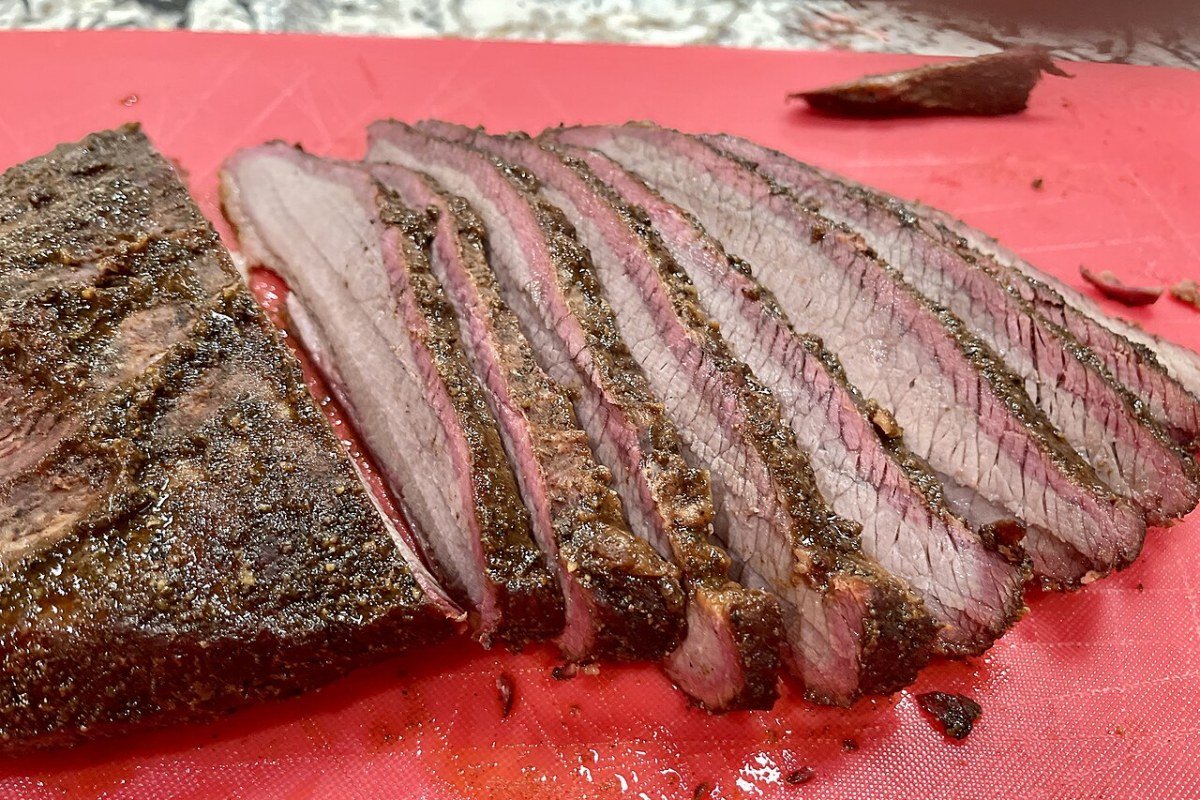
BBQ in the South is a religion with distinct regional denominations. In Texas, BBQ means beef brisket smoked low and slow over post oak wood for 12–18 hours — Franklin Barbecue in Austin, where people line up at dawn for the 11 AM opening, is regularly named the best in the country. In the Carolinas, BBQ means whole hog pork — eastern North Carolina dresses it with vinegar-and-pepper sauce while western NC and South Carolina use a mustard-based sauce. In Kansas City, BBQ means ribs with a sweet, tomato-based sauce. Memphis favors dry-rubbed ribs with no sauce at all. Each school of thought is convinced it represents the true path.
New England: The Cold Atlantic on a Plate
New England food is defined by the cold Atlantic — clam chowder (thick, cream-based, and non-negotiably not the Manhattan tomato version), lobster rolls, oysters, steamers, and fish chowder are the pillars of a cuisine that has been refined over centuries. The Maine lobster roll — cold, mayo-dressed lobster meat in a toasted split-top bun — is one of the great sandwiches in the world. The hot Connecticut-style roll (warm, butter-dressed) is equally valid, a matter of passionate preference. New England maple syrup from Vermont is among the finest in the world; the apple orchards of Massachusetts and Connecticut produce extraordinary cider in the fall.

California and the Pacific Coast: The Farm-to-Table Revolution
California cuisine, pioneered at Chez Panisse in Berkeley by Alice Waters in the 1970s, fundamentally changed how Americans think about food — it shifted the focus from technique and tradition to the quality and provenance of ingredients. California’s extraordinary agricultural diversity (artichokes, avocados, wine grapes, stone fruits, almonds, pistachios, lettuce) means the state’s chefs always have access to remarkable raw materials. The result is a cooking style that emphasizes freshness, simplicity, and seasonality over complexity and richness.
The Pacific Coast also reflects the deep influence of Japanese, Korean, Vietnamese, Filipino, and Chinese immigrant communities: the Bay Area’s ramen is world-class, with Nojo and Mensho consistently rated among the best in the country; Los Angeles has a Korean BBQ scene (centered on Koreatown’s endless KBBQ restaurants) and a Japanese food culture that rivals Tokyo neighborhoods for quality; Seattle’s Pike Place Market has been supplying the city’s Japanese-influenced seafood culture for over a century.
The Midwest: Honest Food, Underrated Depth
The Midwest is consistently underestimated as a food destination, which means its best restaurants remain less crowded and better value than equivalent places on the coasts. Chicago’s dining scene is extraordinary — Alinea is one of the most innovative restaurants in the world; the West Loop restaurant row has a density of serious cooking that rivals New York’s best neighborhoods; the city’s deep dish pizza and Chicago-style hot dog have an almost fanatical local following. Cincinnati has its distinctive Cincinnati chili (served over spaghetti with shredded cheddar, a uniquely regional creation that confounds outsiders but has its own fervent adherents). Kansas City’s BBQ culture is nationally recognized; Minneapolis has a food scene that would surprise most people who’ve never visited.
Texas and the Southwest: Bold Flavors and Big Portions
Texas BBQ has already been discussed, but Texas food culture extends well beyond the pit. Tex-Mex — the fusion of Texas and northern Mexican culinary traditions that developed along the border — is its own distinct cuisine with dishes that don’t exist in Mexico itself: enchiladas smothered in chili gravy, fajitas on a sizzling skillet, queso (processed cheese dip) with chips, and breakfast tacos that San Antonio residents consider non-negotiable before 10 AM. The Mexican border cities of El Paso and Laredo have some of the most authentic and underappreciated Mexican food in the country.
In New Mexico, the signature ingredient is Hatch green chile — a pepper grown in the Hatch Valley that has a flavor profile found nowhere else, used in everything from green chile cheeseburgers to green chile stew. The New Mexican Food Trail (Albuquerque to Santa Fe) is a genuine culinary itinerary worth planning around.

The Pacific Northwest: Salmon, Coffee, and the Craft Revolution
Portland, Oregon, has arguably the best food truck (or “food cart”) culture in the country — more than 500 carts organized into pods throughout the city, run by trained chefs who prefer the lower overhead to the risk of brick-and-mortar restaurants. The level of cooking is serious: Vietnamese bánh mì, Thai curries, Japanese gyoza, Peruvian ceviche, and Korean bibimbap all coexist at cart-park prices. Seattle’s Pike Place Market is both tourist attraction and working market, supplying the city’s best restaurants with Dungeness crab, fresh Pacific salmon, and the kind of produce that benefits from the mild, wet Pacific climate.
The craft beer revolution arguably started in the Pacific Northwest — Portland and Seattle each have more breweries per capita than any other region in the country, and the hop-growing Yakima Valley in Washington State supplies a large percentage of the world’s hops. The craft cocktail scene in both cities is equally serious, with bars like Herb & Bitter Public House (Portland) and Canon (Seattle) developing nationally recognized programs.
Top Food Cities for the Culinary Traveler
- New Orleans: Arguably the most soulful and distinctive food city in America. Nothing here tastes like anywhere else.
- San Francisco: The birthplace of California cuisine, with an exceptional restaurant density and the finest farmers markets in the country.
- Chicago: From Alinea’s avant-garde tasting menus to a $3 Chicago-style hot dog from a street cart — the range and quality are extraordinary.
- Los Angeles: The most diverse food city in the country, with world-class Mexican, Korean, Japanese, Ethiopian, and Persian cooking available within a few square miles.
- Charleston, South Carolina: A small city with a disproportionately strong restaurant scene — lowcountry cuisine (shrimp and grits, she-crab soup, frogmore stew) at its refined best.
- Portland, Oregon: Innovative, ingredient-driven, unpretentious, and reasonably priced by major-city standards. The food cart culture alone justifies the trip.
Practical Tips for Food-Focused Travel in the USA
American restaurants don’t typically require reservations for lunch but do for weekend dinners at popular spots — book through OpenTable or Resy 2–4 weeks in advance for serious restaurants. Tipping 18–22% on the pre-tax total is standard and genuinely expected (servers earn below minimum wage in most states and rely on tips for most of their income). Food tours — available in virtually every major American city — are an excellent way to understand a neighborhood’s culinary culture quickly; companies like Urban Food Tours (many cities) and Sidewalk Food Tours offer guided experiences that cost $60–$90 per person and include 5–8 tastings.