Kentucky is a state of deep character — a border state that was both Union and Confederate in spirit during the Civil War, where thoroughbred horses have been bred on bluegrass farms since before the Revolution, where bourbon whiskey was perfected and is still made better than almost anywhere on Earth, and where the longest cave system in the world runs beneath rolling limestone hills that surface into some of the most beautiful pastoral countryside in the southeastern United States. Kentucky’s tourism rewards are specific and substantial: Mammoth Cave is a genuine world natural wonder; the Horse Country around Lexington rivals any agricultural landscape in the country; and the bourbon distillery trail has become one of America’s most sophisticated food and beverage tourism destinations.
Mammoth Cave National Park: The World Below Kentucky
Mammoth Cave National Park, in south-central Kentucky near Bowling Green, protects the world’s longest known cave system — over 426 miles of surveyed passages beneath the Highland Rim limestone plateau, and explorers keep finding and mapping new sections. The cave system developed over millions of years as slightly acidic groundwater dissolved the limestone bedrock along fracture zones and bedding planes, carving passages that range from crevices barely large enough to squeeze through to Mammoth Dome, a 192-foot-high vertical shaft of extraordinary geological grandeur.
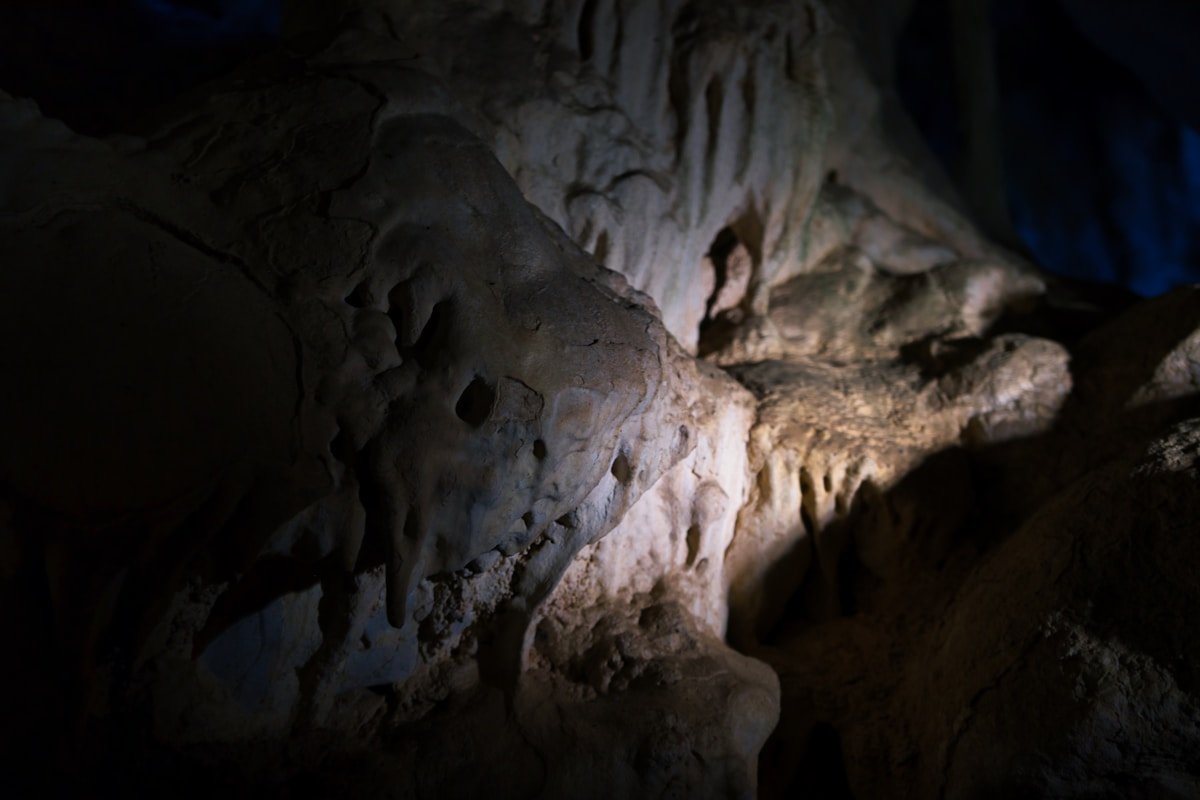
The National Park Service runs an extensive program of guided tours, from the Historic Tour (2 miles, 2 hours, tracing the original 19th-century tourist route with kerosene lanterns and the story of cave saltpeter mining during the War of 1812) to the Wild Cave Tour (a six-hour crawl-and-climb through undeveloped passages that requires no experience but tests claustrophobia thresholds thoroughly). The Frozen Niagara Tour focuses on the cave’s spectacular flowstone and stalactite formations. Underground, the temperature stays at a constant 54°F year-round — worth remembering when you dress, regardless of the weather on the surface.
Lexington and the Bluegrass Horse Country
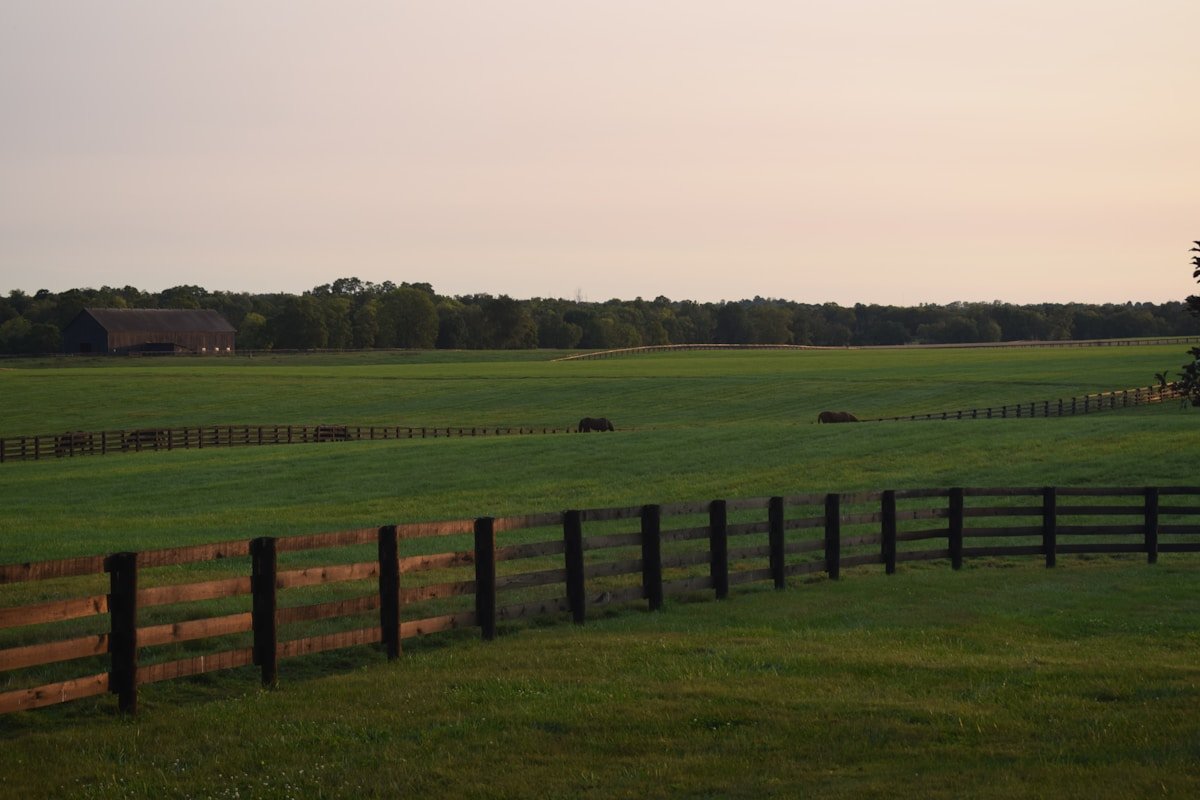
Lexington, the second-largest city in Kentucky, sits at the center of the Bluegrass region — a landscape of rolling limestone-based farmland where calcium-rich soil grows the deep-rooted blue-green grass that gives the area its name and feeds the exceptional mineral nutrition behind two centuries of dominant Kentucky thoroughbreds. The farms surrounding Lexington — Calumet, Claiborne, Ashford, and dozens of others — carry an agricultural tradition of extraordinary depth: horses bred and trained in the Bluegrass have won more Kentucky Derbies and Breeders’ Cups than those of any other region.

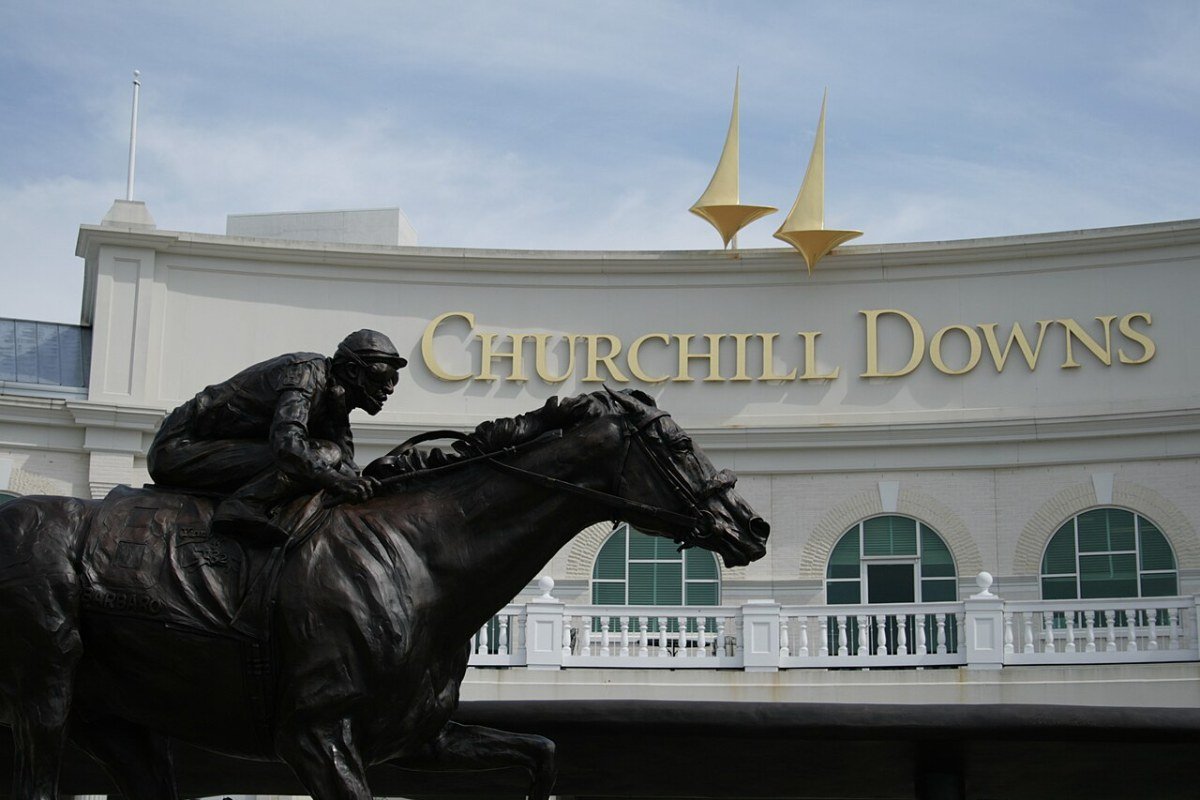
The Kentucky Horse Park, north of Lexington, blends a working horse farm, a museum, and an equestrian competition venue into one site. Its International Museum of the Horse houses the most comprehensive collection of equine history and breed exhibits in the world. Watching the park’s farrier demonstrations, carriage driving, and Parade of Breeds, even visitors who know nothing about horses come away with an appreciation for the animals that define Kentucky’s identity. The Kentucky Derby Museum at Churchill Downs in Louisville supplies the racing-history complement — its 360-degree film and the walk of the track itself are the most visceral introductions to thoroughbred racing available to anyone who has never been to the races.
The Kentucky Bourbon Trail
Kentucky produces 95% of the world’s bourbon whiskey — both a legal designation (straight bourbon must be distilled in the US, aged in new charred oak containers, and meet specific proof and grain-content requirements) and a cultural product rooted in the state’s heritage of corn surpluses and limestone-filtered water, which gives Kentucky’s springs and streams a character distillers credit as essential to bourbon’s flavor. The Kentucky Bourbon Trail coordinates visits to the state’s major distilleries, from the vast Jim Beam and Heaven Hill operations to artisanal craft producers launched in the past decade.
Buffalo Trace Distillery in Frankfort, one of the oldest continuously operating distilleries in the United States (it ran through Prohibition on a “medicinal whiskey” license), produces some of the most coveted bourbons in the world — Pappy Van Winkle, the Buffalo Trace Antique Collection, and E.H. Taylor releases are allocated in quantities that collectors chase with the fervor normally reserved for rare wine. Free public tours, 19th-century stone warehouse architecture, and the sheer volume of barrels aging in the rickhouses make the visit substantive even for travelers who don’t normally drink bourbon.
Red River Gorge and Natural Bridge
The Red River Gorge Geological Area, in the Daniel Boone National Forest of east-central Kentucky, holds one of the densest collections of natural stone arches in the eastern United States — over 100 arches within a 29,000-acre stretch of sandstone cliff country. The Sheltowee Trace National Recreation Trail (343 miles in all, with its most dramatic sections cutting through the Gorge) crosses canyon country where hemlock forests, rock shelters with prehistoric petroglyphs, and cliff-edge vistas add up to an outdoor experience that is distinctly Appalachian in character. Natural Bridge State Resort Park opens access to the area’s most famous formation — a sandstone arch 65 feet high and 78 feet long, reachable on foot or by the aerial sky lift that climbs from the state park below.
Kentucky’s travel highlights — the cave system, the horse country, the bourbon distilleries, the sandstone gorges — add up to a state whose pleasures are unique in the United States. No other state offers anything like Mammoth Cave’s scale, or the Bluegrass horse culture’s depth, or the bourbon heritage’s craft concentration. That specificity is Kentucky’s greatest travel asset, and it rewards the visitor who comes seeking the distinctive rather than the generic.
Getting the Most Out of Your Visit
A few practical points will improve any trip to Kentucky. Book accommodation and major attractions — particularly national parks, popular hiking trails, and well-known restaurants — as far in advance as you can; the best options fill weeks or months ahead, especially in peak season. A car gives you the most flexibility for exploring beyond the main centers, and many of Kentucky’s most rewarding experiences sit in places that public transport simply doesn’t reach. Local knowledge tends to turn up in regional visitor centers, independent bookshops, and conversations with residents — the discoveries you remember are rarely the ones in the guidebooks. Allow more time than you think you need: the state pays back travelers who slow down and explore in depth far more than those who race to cover maximum ground.
Frequently Asked Questions
What is Mammoth Cave National Park and what makes it unique?
Mammoth Cave National Park, in south-central Kentucky near Bowling Green, protects the world’s longest known cave system — over 426 miles of surveyed passages beneath the Highland Rim limestone plateau, with explorers continuing to map new sections. The cave developed over millions of years as slightly acidic groundwater dissolved limestone bedrock, carving passages that range from crevices barely large enough to squeeze through to Mammoth Dome, a 192-foot-high vertical shaft. The National Park Service offers guided tours from the Historic Tour (2 miles, 2 hours, tracing the 19th-century tourist route) to the Wild Cave Tour (a six-hour crawl-and-climb through undeveloped passages). The cave holds a constant 54°F year-round.
What is Kentucky’s Bluegrass horse country and why is it famous?
The Bluegrass region around Lexington is a landscape of rolling limestone-based farmland where calcium-rich soil grows the grass that provides exceptional mineral nutrition, making Kentucky thoroughbreds the dominant force in American horse racing for two centuries. The farms surrounding Lexington — Calumet, Claiborne, Ashford, and dozens of others — have produced more Kentucky Derby and Breeders’ Cup winners than those of any other region. The Kentucky Horse Park north of Lexington combines a working horse farm, the International Museum of the Horse (the most comprehensive horse history and breed exhibition in the world), and equestrian competition venues. The Kentucky Derby Museum at Churchill Downs in Louisville rounds out the racing history, with a 360-degree film and a walk of the track.
What is the Kentucky Bourbon Trail?
Kentucky produces 95% of the world’s bourbon whiskey — a legal designation requiring distillation in the US, aging in new charred oak containers, and specific proof and grain-content requirements. The Kentucky Bourbon Trail coordinates visits to the state’s major distilleries, from the vast Jim Beam and Heaven Hill operations to artisanal craft producers. Buffalo Trace Distillery in Frankfort is one of the oldest continuously operating distilleries in the United States (it ran through Prohibition on a “medicinal whiskey” license) and produces some of the world’s most coveted bourbons, including Pappy Van Winkle and the Buffalo Trace Antique Collection. Free public tours, 19th-century stone warehouse architecture, and extensive rickhouses make it a substantive visit even for non-bourbon drinkers.
What is Red River Gorge and what outdoor activities does it offer?
The Red River Gorge Geological Area, in the Daniel Boone National Forest of east-central Kentucky, holds one of the densest collections of natural stone arches in the eastern United States — over 100 arches within a 29,000-acre stretch of sandstone cliff country. The Sheltowee Trace National Recreation Trail runs 343 miles, with its most dramatic sections cutting through the Gorge past hemlock forests, rock shelters with prehistoric petroglyphs, and cliff-edge vistas. Natural Bridge State Resort Park opens access to the area’s most famous formation — a sandstone arch 65 feet high and 78 feet long, reachable on foot or by aerial sky lift. Rock climbing at Red River Gorge ranks among the best sport climbing in the eastern United States.
What are Kentucky’s practical travel tips?
Kentucky favors visitors who slow down and explore in depth instead of racing between highlights. The best season for horse country and bourbon distilleries is April through October; Mammoth Cave tours run year-round, but summer weekends book far ahead. The Kentucky Derby falls on the first Saturday in May at Churchill Downs in Louisville — one of the world’s great sporting events, with tickets bought months or years in advance. A rental car is essential; Kentucky’s most rewarding experiences are largely beyond the reach of public transport. Budgets stretch well here — hotel rates, restaurant prices, and attraction costs average 20–30% below national figures. Lexington, Louisville, and the cave country form a logical road-trip circuit of two to three days at minimum to do the state’s core attractions justice.