

Florida Outdoors: Beaches, Reefs, Wilderness, and Year-Round Sunshine
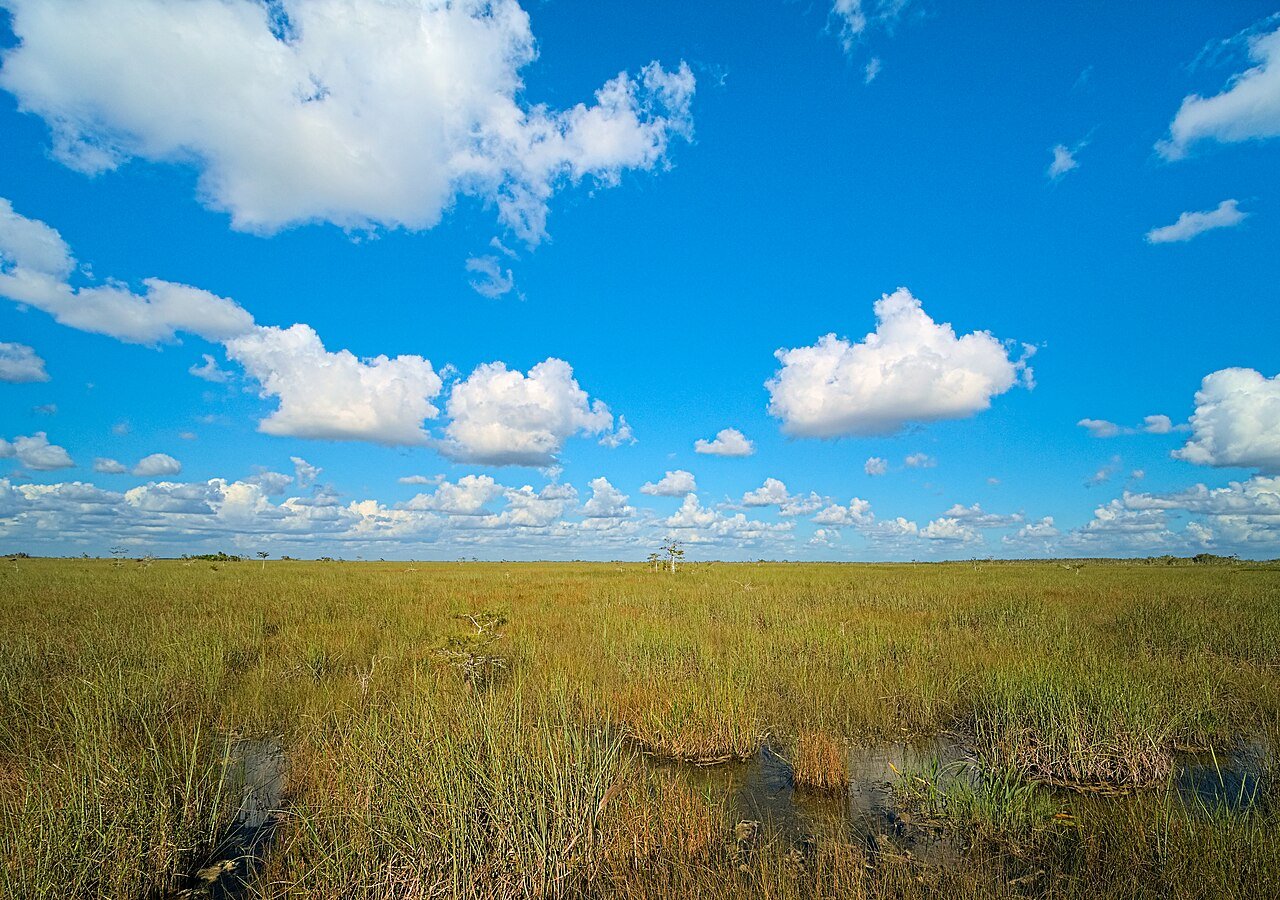
Florida‘s outdoor recreation landscape is defined by water in all its forms — the Atlantic Ocean on the east, the Gulf of Mexico on the west, 11,000 miles of rivers and streams, 7,800 lakes, and the vast wetland systems of the Everglades and Big Cypress. The state’s subtropical climate means that outdoor activities are possible year-round with appropriate adjustments for the summer heat and the mid-summer rainy season. For outdoor enthusiasts who prioritize aquatic recreation — snorkeling, diving, kayaking, fishing, and paddleboarding — Florida is virtually unmatched in the continental United States.
Beaches: The Gulf vs. The Atlantic
Florida’s two coastlines offer fundamentally different beach experiences, and understanding the difference helps set appropriate expectations.

The Gulf Coast (Tampa Bay south through Fort Myers, Sanibel Island, and Naples) is characterized by warm, calm water (typically 85°F or more in summer), powdery white sand beaches, and exceptional shelling. Gulf beaches are typically calmer with smaller waves, making them the preferred choice for families with young children and for swimming. Siesta Key Beach near Sarasota (quartz sand rated the finest in the US), Clearwater Beach, Fort Myers Beach, and the Lee Island Coast are among the most celebrated Gulf destinations.
The Atlantic Coast (Daytona Beach north to Amelia Island, and Miami Beach south through Palm Beach) offers slightly cooler water, more wave action (better for surfing, particularly near Cocoa Beach and Sebastian Inlet), and the Art Deco glamour of Miami’s South Beach. The Atlantic side also has more accessible beaches from major eastern US population centers — it’s 2 hours shorter by car from Atlanta or Charlotte to Jacksonville than to Tampa.

Scuba Diving and Snorkeling
Florida’s underwater world is one of the most diverse and accessible of any US state. The Florida Reef Tract — the third-largest coral barrier reef system in the world, stretching 360 miles along the southeast coast and through the Keys — provides snorkeling and diving of genuine world-class quality accessible by day boat from multiple Keys ports.

John Pennekamp Coral Reef State Park (Key Largo): The first undersea state park in the United States protects 70 square nautical miles of coral reef, including the famous Christ of the Abyss bronze statue visible to snorkelers in 25 feet of clear water. Glass-bottom boat tours, snorkel trips, and dive charters are available from the park’s marina.
Looe Key National Marine Sanctuary (Big Pine Key): One of the most pristine sections of the Florida Reef, Looe Key is beloved by divers for its exceptional coral diversity and the clarity of its water. Brain corals, staghorn, and elkhorn coral are present at depths accessible to recreational divers.
Florida Springs: Inland Florida contains over 700 natural springs — the largest concentration of freshwater springs in the world — many of which maintain a constant 68°F temperature year-round and offer extraordinary snorkeling and diving in crystal-clear water. Ginnie Springs, Blue Grotto, and Peacock Springs attract serious cave divers, while Ichetucknee Springs and Rainbow Springs State Park offer family-friendly tubing and snorkeling.
Kayaking and Paddling: The Ten Thousand Islands
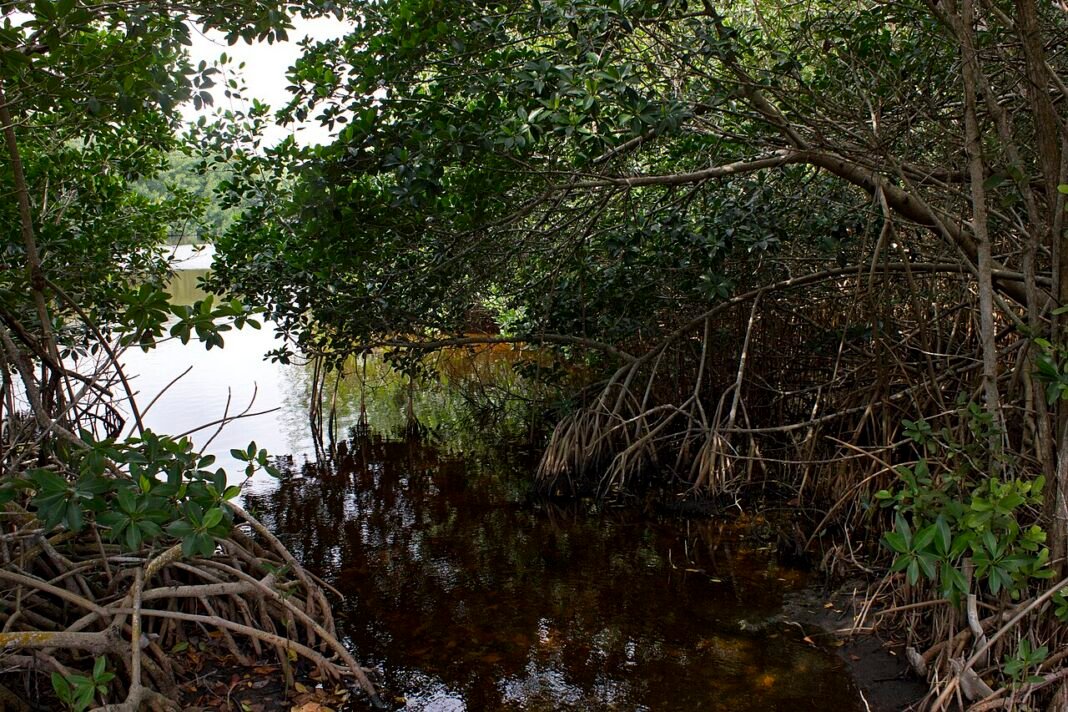
The Ten Thousand Islands — a maze of mangrove islands, tidal channels, and bays along Southwest Florida’s Gulf coast in and around Everglades National Park — is one of the premier kayaking destinations in North America. The 99-mile Wilderness Waterway through the Everglades backcountry is a designated National Recreation Trail that can be paddled in 7–10 days, with primitive camping on elevated chickee platforms over the water at designated sites accessible only by paddlecraft.

Wekiva Springs State Park near Orlando, the Ichetucknee River, and the lower Suwannee River offer freshwater kayaking through tropical hardwood hammock and spring-fed rivers that contrast completely with the coastal mangrove experience. The variety of Florida’s paddling environments — from saltwater mangrove mazes to freshwater spring-fed rivers to open bay — is genuinely extraordinary.
Birding: Florida’s Extraordinary Species Richness
Florida is the most species-rich birding state east of the Mississippi River, with over 500 species recorded. The combination of tropical, subtropical, and temperate habitats compressed into the state’s geography — along with its position as a land bridge for Caribbean bird species and a funnel for migratory species — creates a birding environment that is genuinely exceptional.
The Dry Tortugas National Park (accessible only by ferry from Key West, 70 miles away, or by seaplane) is the most celebrated spring migration birding destination in the eastern United States — an isolated island 70 miles from the nearest land that concentrates exhausted migrant songbirds in spring in densities that can number in the thousands on good days. The park also hosts nesting colonies of magnificent frigatebirds and sooty terns in numbers found nowhere else accessible from the continental United States.
Corkscrew Swamp Sanctuary near Naples protects a 2.5-mile boardwalk through the largest old-growth bald cypress forest in North America. The sanctuary is the primary nesting site of the largest wood stork colony in the United States, and its wading bird diversity — great blue herons, great egrets, snowy egrets, little blue herons, tricolored herons, roseate spoonbills — visible at close range from the boardwalk makes it the finest accessible wading bird viewing in the southeastern United States.
Fishing: World Class in Multiple Environments
Florida’s fisheries are among the most diverse in the United States, supporting world-class fishing for saltwater and freshwater species across the state’s 8,000+ lakes, 11,000+ miles of rivers, and extensive coastal and offshore waters. The Florida Keys’ flats fishing for bonefish, permit, and tarpon — “the Grand Slam” of saltwater fly fishing — is a global destination for serious fly fishers. Offshore fishing along the Gulf Stream for marlin, sailfish, mahi-mahi, and tuna is accessible year-round from Miami, Fort Lauderdale, and the Keys. Lake Okeechobee — the second-largest freshwater lake in the continental United States — produces largemouth bass in numbers and sizes that have attracted professional bass fishing tournaments for decades.
Florida’s outdoor recreation is dominated by water in virtually every form — ocean, spring, river, lake, bay, and swamp — and this aquatic abundance is both the state’s most distinctive outdoor attribute and its most compelling argument for year-round engagement with nature at a scale and variety that few other US states can match.
Frequently Asked Questions
What is the difference between Florida’s Gulf Coast and Atlantic Coast beaches?
Florida’s two coastlines offer fundamentally different beach experiences. The Gulf Coast (Tampa Bay south through Fort Myers, Sanibel Island, and Naples) is characterized by warm, calm water (typically 85°F or more in summer), powdery white quartz sand, and exceptional shelling — the preferred choice for families with young children. Siesta Key Beach near Sarasota, with its fine quartz sand rated the finest in the United States, and Clearwater Beach are the most celebrated. The Atlantic Coast (Miami Beach through Palm Beach north to Amelia Island) offers slightly cooler water, more wave action suited to surfing (Cocoa Beach and Sebastian Inlet are Florida’s best surf spots), and the Art Deco glamour of Miami’s South Beach. The Atlantic side is also 2 hours shorter by car from Atlanta or Charlotte to Jacksonville than to Tampa.
What makes Florida’s underwater world exceptional for diving and snorkeling?
The Florida Reef Tract is the third-largest coral barrier reef system in the world — stretching 360 miles along the southeast coast and through the Keys — providing snorkeling and diving of genuine world-class quality. John Pennekamp Coral Reef State Park in Key Largo was designated in 1963 as the first undersea state park in the United States; it protects 70 square nautical miles of reef and is home to the famous Christ of the Abyss bronze statue visible to snorkelers at 25 feet. Florida also contains over 700 natural freshwater springs — the largest concentration of freshwater springs in the world — maintaining a constant 68°F year-round. Ginnie Springs, Blue Grotto, and Peacock Springs attract serious cave divers; Ichetucknee Springs and Rainbow Springs State Park offer family-friendly snorkeling and tubing in crystal-clear spring-run water.
What is the Ten Thousand Islands and why is it a premier kayaking destination?
The Ten Thousand Islands — a maze of mangrove islands, tidal channels, and bays along Southwest Florida’s Gulf coast within and around Everglades National Park — is one of the premier kayaking destinations in North America. The 99-mile Wilderness Waterway through the Everglades backcountry is a designated National Recreation Trail paddled in 7–10 days, with primitive camping on elevated chickee platforms built over the water at sites accessible only by paddlecraft. The variety of Florida’s paddling extends beyond the coast: Wekiva Springs State Park near Orlando, the Ichetucknee River, and the lower Suwannee River offer freshwater kayaking through tropical hardwood hammock and spring-fed rivers that contrast completely with the coastal mangrove experience.
Why is Florida one of the best birding states in the US?
Florida is the most species-rich birding state east of the Mississippi River, with over 500 species recorded. The Dry Tortugas National Park — accessible only by ferry from Key West (70 miles away, 2.5-hour crossing) or by seaplane — is the most celebrated spring migration birding destination in the eastern United States: an isolated island that concentrates exhausted migrant songbirds in spring in densities that can reach thousands on exceptional days. The park also hosts nesting colonies of magnificent frigatebirds and sooty terns. Corkscrew Swamp Sanctuary near Naples has a 2.5-mile boardwalk through the largest old-growth bald cypress forest in North America, featuring the largest wood stork colony in the United States and exceptional wading bird viewing at close range.
What fishing opportunities does Florida offer and what makes the Keys unique?
Florida’s fisheries are among the most diverse in the United States, spanning world-class saltwater and freshwater fishing. The Florida Keys’ flats fishing for bonefish, permit, and tarpon — called the “Grand Slam” of saltwater fly fishing — is a global destination for serious anglers. Offshore fishing along the Gulf Stream for marlin, sailfish, mahi-mahi, and tuna is accessible year-round from Miami, Fort Lauderdale, and Keys ports. Lake Okeechobee — the second-largest freshwater lake in the continental United States — produces largemouth bass in sizes and numbers that have attracted professional bass fishing tournaments for decades. Backcountry redfish and snook fishing in the mangrove estuaries of Tampa Bay and Charlotte Harbor rounds out an exceptionally comprehensive fishing state.