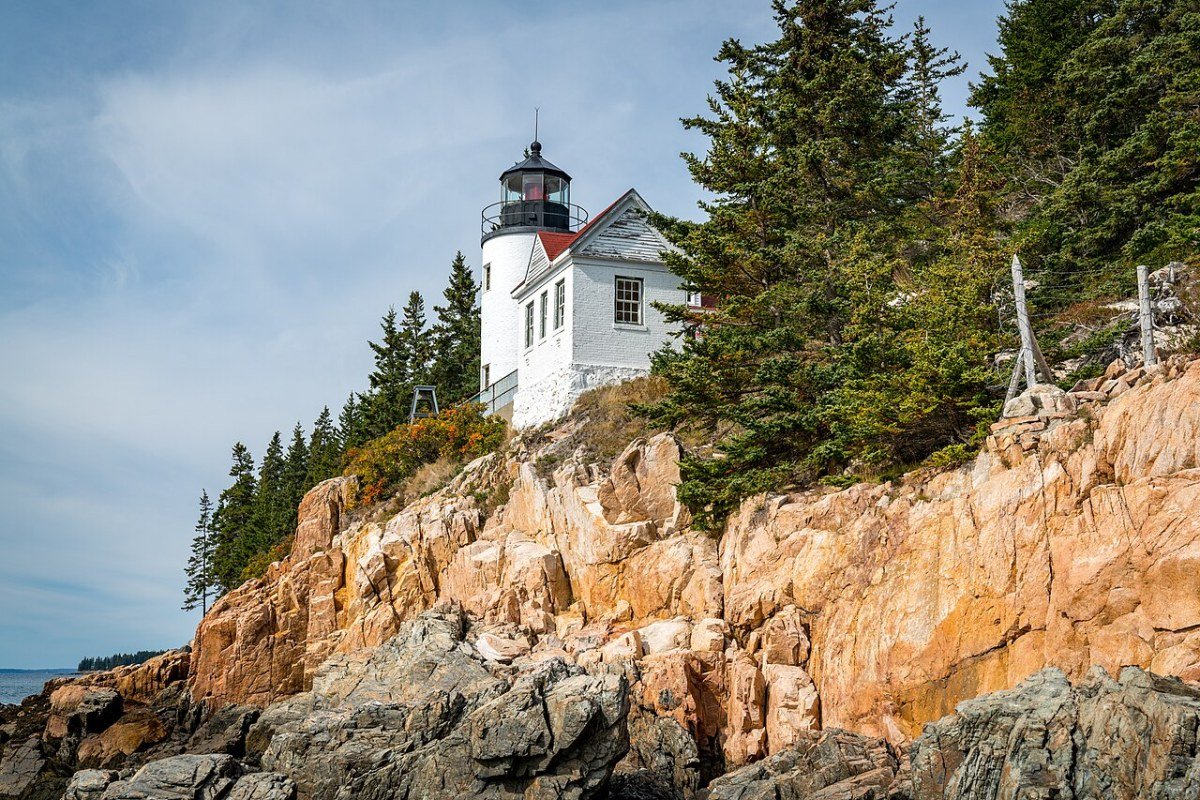
Nova Scotia — Latin for “New Scotland” — juts into the Atlantic Ocean like a lobster claw on the eastern edge of Canada, shaped by centuries of fishing, farming, and the remarkable cultural heritage of its Mi’kmaq, Acadian, and Highland Scottish settlers. The coastline is extraordinary by any measure — over 7,500 kilometres of it, with rocky coves, long sandy beaches, working fishing wharves, and a succession of red and white striped lighthouses that seem to mark a route through maritime history. The seafood is some of the finest in North America. The Celtic music brought by Scottish Highland emigrants, who arrived during the Clearances of the 18th and 19th centuries, still fills fiddle sessions and ceilidhs across Cape Breton. And the warmth of welcome that Nova Scotians extend to visitors is among the most genuine in Canada. This is a province worth slowing down in.
Halifax: Where History and Energy Coexist
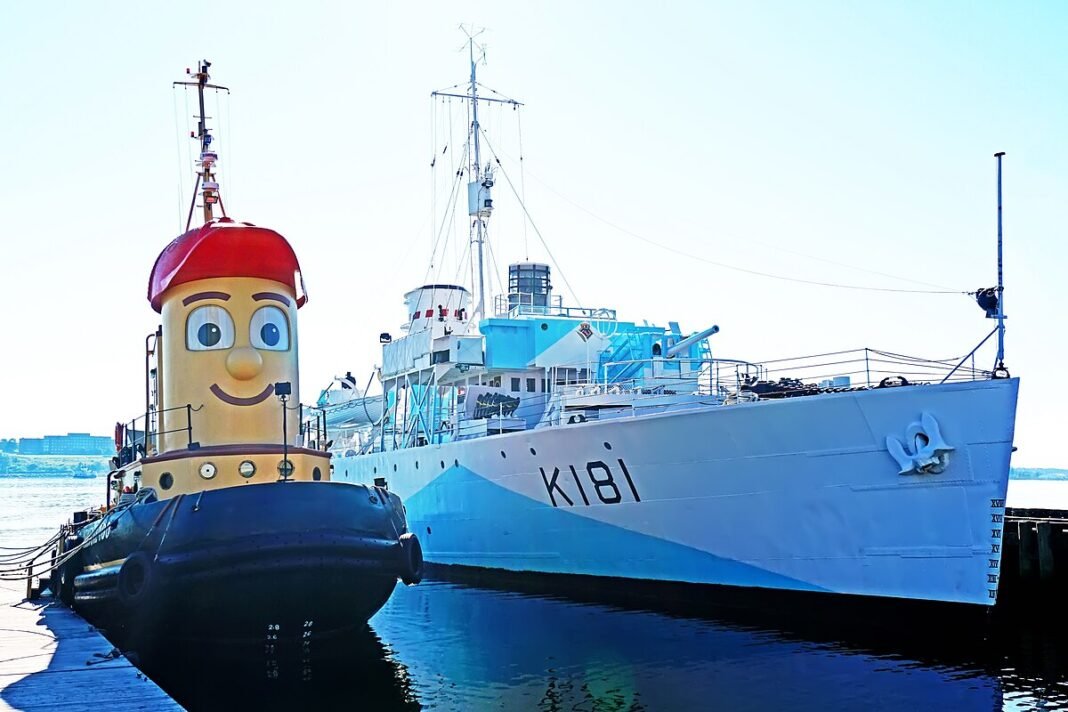
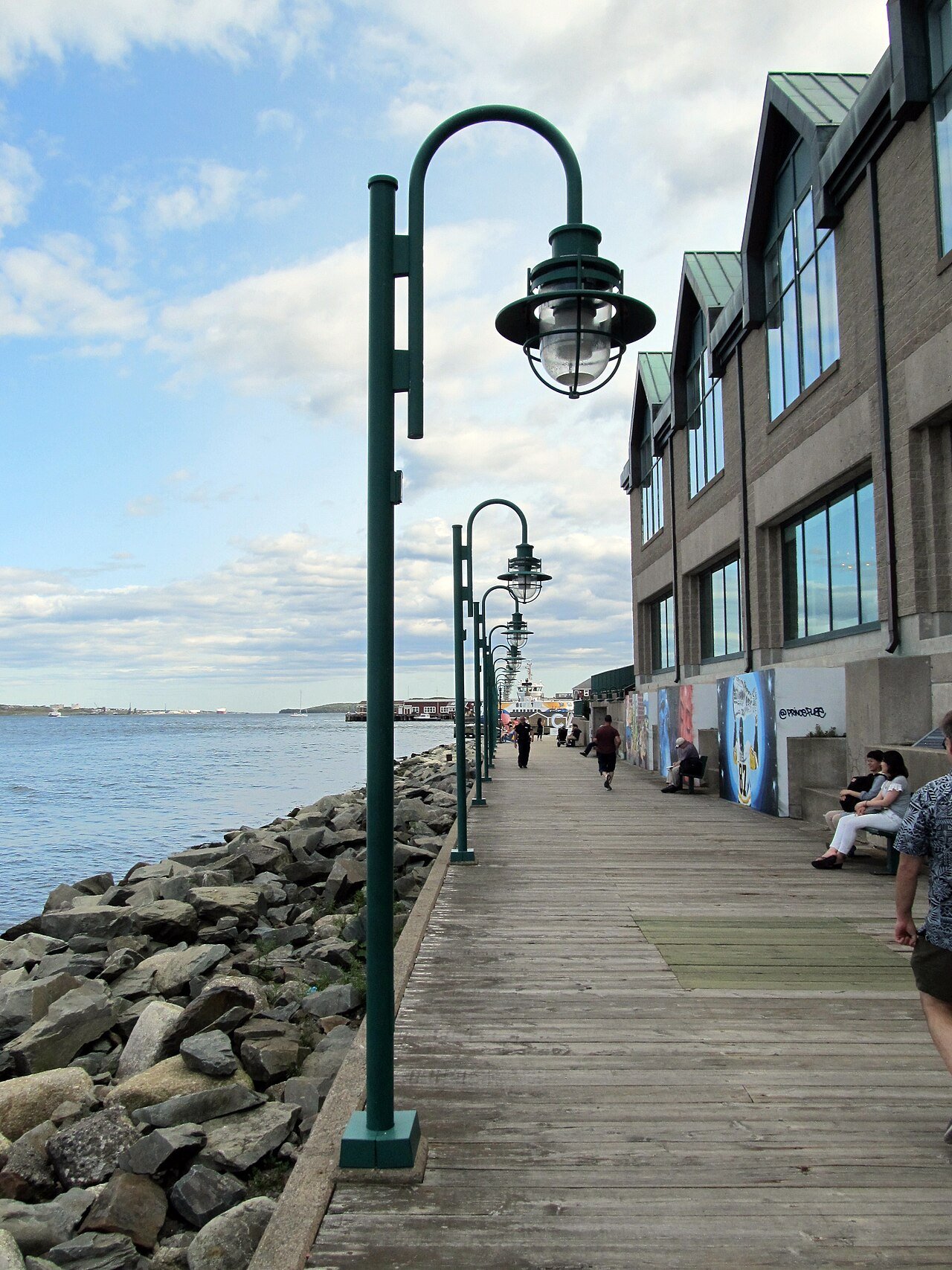
Halifax is the capital and the most dynamic city in Atlantic Canada — a university town (five universities, including Dalhousie and King’s) with a lively waterfront, a serious food scene, and a history shaped by its role as the strategic naval and military centre of British North America. The Halifax Citadel National Historic Site overlooks the harbour from its star-shaped earthwork fortification, with costumed interpreters recreating life in the 1869 British garrison and a well-curated museum on the city’s military history. The Maritime Museum of the Atlantic is the standout — holding Titanic artefacts (Halifax sent out the cable ships that recovered victims from the ocean, and more Titanic dead are buried here than anywhere else), exhibits on the 1917 Halifax Explosion (one of the largest human-made non-nuclear explosions in history, which killed roughly 2,000 people and devastated the city’s North End), and a collection of small wooden boats that traces the history of Atlantic Canadian maritime culture. The waterfront boardwalk, anchored by the Historic Properties (19th-century stone and timber warehouses), is lined with restaurants and casual bars. The North End of Halifax — the Hydrostone district, rebuilt after the 1917 explosion in its distinctive English garden suburb style — holds the city’s best independent restaurants, bakeries, and cafés along Agricola Street and Gottingen Street.
The Cabot Trail: One of the World’s Great Drives
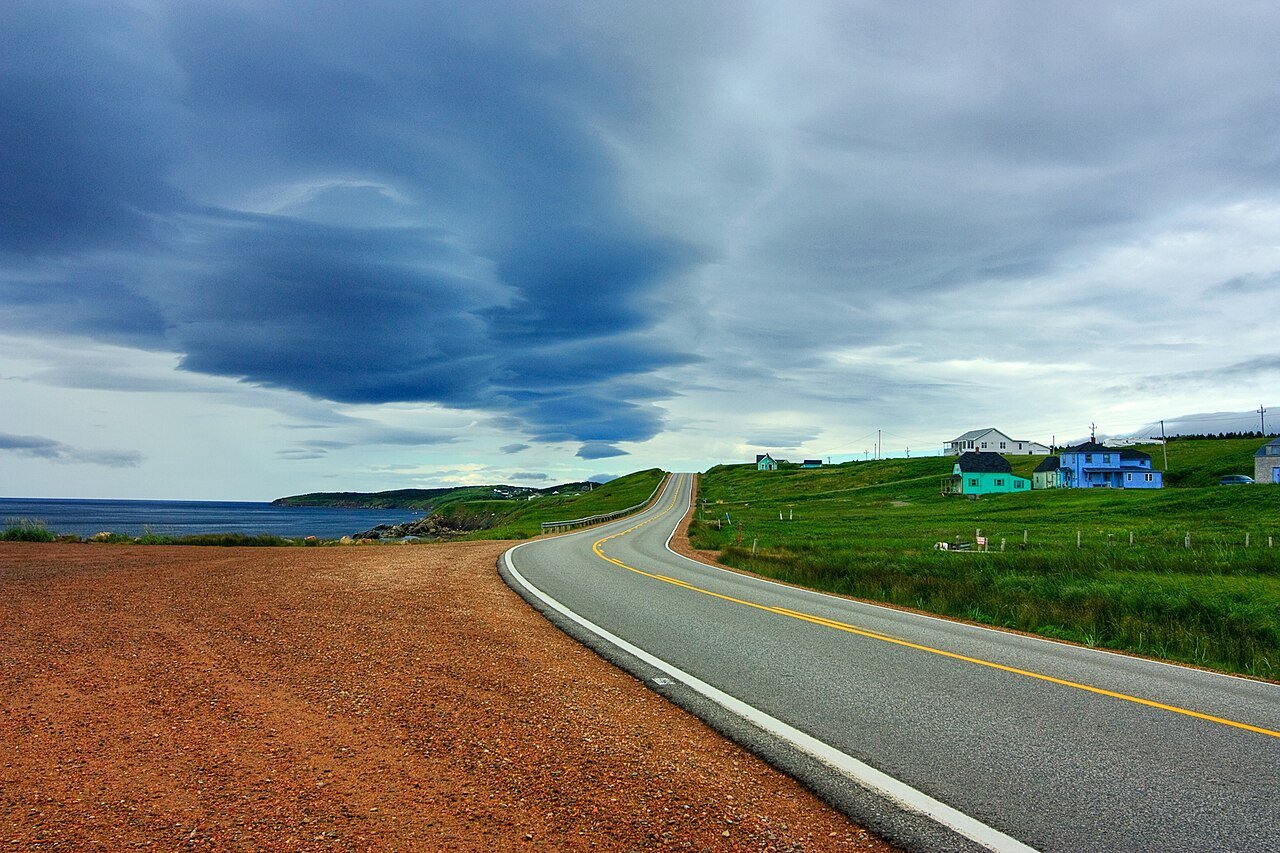
The Cabot Trail on Cape Breton Island is consistently ranked as one of the most scenic drives in the world — a 298-kilometre loop around the rugged northern highlands of the island, with dramatic views of the Gulf of St Lawrence on the western side and the Atlantic on the east, spectacular fall foliage from mid-September through mid-October, and a Celtic culture so strong it expresses itself in Gaelic language classes, traditional square dances, and fiddle music sessions in village bars. The road is genuinely dramatic — climbing to over 400 metres above sea level on the western side, with steep switchbacks and sheer drops on the mountain stretches. The Cape Breton Highlands National Park in the centre of the trail has first-rate hiking: the Skyline Trail (9km return, wheelchair-accessible in parts) follows a cliff top above the Gulf of St Lawrence, with resident populations of moose and bald eagles and, in season, minke and pilot whales visible offshore. The Cabot Trail’s Celtic heartland centres on Inverness, Mabou, and Chéticamp — visit a local ceilidh (a traditional Gaelic social gathering with music and dancing) if one is happening during your visit.
The South Shore: Lunenburg, Mahone Bay, and the Lighthouse Route
Nova Scotia’s South Shore, stretching from Halifax to Yarmouth, is a succession of fishing towns, sheltered coves, and long sandy beaches along the province’s Atlantic coast. Lunenburg, 100 km southwest of Halifax, is one of the best-preserved colonial townscapes in North America — a UNESCO World Heritage Site (designated 1995) with a working waterfront and blocks of brightly painted wooden buildings in the “Lunenburg style” (a distinctive architectural form with projecting dormers known as “Lunenburg bumps”). The waterfront is the home port of the Bluenose II, the sailing replica of the famous racing and fishing schooner whose image appears on the Canadian dime. The Fisheries Museum of the Atlantic on the wharf tells the full story of Atlantic Canadian fishing culture, including the Grand Banks fishery and the devastating cod collapse of the early 1990s. Mahone Bay, about 10 km northeast of Lunenburg along the coast, is perhaps the most photographed village in Nova Scotia — three 19th-century churches on the harbour front reflected in the calm water of the bay, surrounded by wooden houses and excellent artisan shops. Peggy’s Cove, 40 km southwest of Halifax, has the most photographed lighthouse in Canada — a red-and-white octagonal lighthouse on a wave-swept granite headland, surrounded by a tiny fishing village. Arrive before 9am or after 5pm to see it without the tour buses.
The Seafood: Why Nova Scotia is Worth the Trip
Few places in the world eat better off the sea than Nova Scotia, and anyone visiting for the food alone would leave happy. Lobster is the province’s most valuable fishery — available fresh in season at roadside lobster pounds where you pick your lobster from the tank and eat it boiled with butter at a picnic table for around C$25–C$35, or in upscale Halifax kitchens where it becomes bisques, pasta, and chowders. The lobster roll — freshly picked meat with a light dressing on a toasted bun — is as good here as anywhere in Atlantic Canada. Digby scallops deserve their own mention: the fishery based in Digby lands some of the sweetest sea scallops anywhere, and a freshly seared one with local butter needs nothing more. Clearwater Seafood (headquartered in Bedford, just outside Halifax) sources and ships cold-water shrimp, crab, sea urchin, and lobster from Atlantic Canada — its retail counter is ideal for assembling a seafood picnic. Nova Scotia oysters — particularly those from the Bras d’Or Lakes in Cape Breton — are crisp and briny.
Getting There and Practical Information
Halifax Stanfield International Airport has direct connections from Toronto (1.5 hours), Montreal, Ottawa, and direct flights to New York, London (Air Canada), and other international destinations. The Trans-Canada Highway runs through the province from Amherst on the New Brunswick border. VIA Rail’s Ocean train connects Montreal to Halifax in approximately 22 hours (a scenic overnight journey through the Maritime provinces and Chignecto Isthmus) — one of the last overnight trains in Canada. The best time to visit Nova Scotia is July–October: July and August for warmest ocean swimming and all facilities open; September–October for fall foliage on the Cabot Trail, less crowded beaches, and lower accommodation prices. The province is large enough (55,000 sq km) that a car is essential for anything beyond Halifax.
Frequently Asked Questions
What makes Halifax worth visiting and what are the top attractions?
Halifax is the capital and most dynamic city in Atlantic Canada — a university town with a lively waterfront, a serious food scene, and history shaped by its role as the strategic naval centre of British North America. The Halifax Citadel National Historic Site overlooks the harbour from its star-shaped earthwork fortification, with costumed interpreters recreating 1869 British garrison life and a well-curated military history museum. The Maritime Museum of the Atlantic is the standout: it holds Titanic artefacts (Halifax dispatched the cable ships that recovered victims, and more Titanic dead are buried here than anywhere else), exhibits on the 1917 Halifax Explosion (one of the largest human-made non-nuclear explosions in history, which killed roughly 2,000 people and devastated the city’s North End), and a collection of small wooden boats telling Atlantic Canadian maritime history. The waterfront boardwalk and Historic Properties (19th-century stone and timber warehouses) anchor the restaurants and bars at the water’s edge. The North End’s Agricola Street and Gottingen Street have the city’s best independent restaurants and cafés.
What is the Cabot Trail and why is it considered one of the world’s great drives?
The Cabot Trail on Cape Breton Island is consistently ranked as one of the most scenic drives in the world — a 298-kilometre loop around the rugged northern highlands of the island, with dramatic views of the Gulf of St Lawrence on the western side and the Atlantic on the east. The road is genuinely dramatic: climbing to over 400 metres above sea level on the western side, with steep switchbacks and sheer drops on the mountain stretches. Cape Breton Highlands National Park in the centre has excellent hiking — the Skyline Trail (9km return, partly wheelchair-accessible) follows a clifftop above the Gulf of St Lawrence, with resident moose and bald eagles and, in season, minke and pilot whales visible offshore. The fall foliage from mid-September through mid-October is spectacular. The Celtic heartland centres on Inverness, Mabou, and Chéticamp — a ceilidh (traditional Gaelic music and dance gathering) at one of these villages is one of the most authentic cultural experiences in Atlantic Canada.
What should visitors see on Nova Scotia’s South Shore?
Lunenburg (100 km southwest of Halifax) is one of the best-preserved colonial townscapes in North America — a UNESCO World Heritage Site (designated 1995) with a working waterfront and brightly painted wooden buildings in the distinctive “Lunenburg style” (projecting dormers called “Lunenburg bumps”). The waterfront is the home port of the Bluenose II, the sailing replica of the famous racing schooner whose image appears on the Canadian dime. The Fisheries Museum of the Atlantic tells the full story of Atlantic Canadian fishing, including the devastating early-1990s cod collapse. Mahone Bay (about 10 km up the coast from Lunenburg) is perhaps the most photographed village in Nova Scotia — three 19th-century churches on the harbour reflected in calm water. Peggy’s Cove (40 km southwest of Halifax) has the most photographed lighthouse in Canada — a red-and-white octagonal structure on a wave-swept granite headland beside a tiny fishing village. Arrive before 9am or after 5pm to avoid tour buses.
What seafood experiences does Nova Scotia offer?
Few places in the world eat better off the sea than Nova Scotia. Lobster is the province’s most valuable fishery — available fresh in season at roadside lobster pounds where you pick your lobster from the tank and eat it boiled with butter at a picnic table for around C$25–C$35. The lobster roll (freshly picked meat with a light dressing on a toasted bun) is as good here as anywhere in Atlantic Canada. Digby scallops deserve their own mention: the fishery based in Digby lands some of the sweetest sea scallops anywhere, and a freshly seared one with local butter needs nothing more. Nova Scotia oysters — particularly those from the Bras d’Or Lakes in Cape Breton — are crisp and briny. Clearwater Seafood (headquartered in Bedford, just outside Halifax) runs one of the province’s best retail seafood counters.
How do you plan a Nova Scotia coastal tour?
A car is essential — the province is large (55,000 sq km) and public transport does not connect most of the coastal destinations. The most practical approach is a circuit from Halifax: southwest along the South Shore (Peggy’s Cove, Lunenburg, Mahone Bay), then north through the Annapolis Valley and across the Canso Causeway to Cape Breton, driving the full Cabot Trail loop before returning to Halifax via the eastern shore. This takes a minimum of 7–10 days done properly. Halifax Stanfield International Airport has direct connections from Toronto (1.5 hours), Montreal, Ottawa, and London (Air Canada direct). VIA Rail’s Ocean train connects Montreal to Halifax in approximately 22 hours — one of the last overnight trains in Canada and a scenic Maritime journey in its own right. Best time to visit: July–October. July–August for warmest weather and all facilities open; September–October for fall foliage, less crowded beaches, and lower accommodation prices.