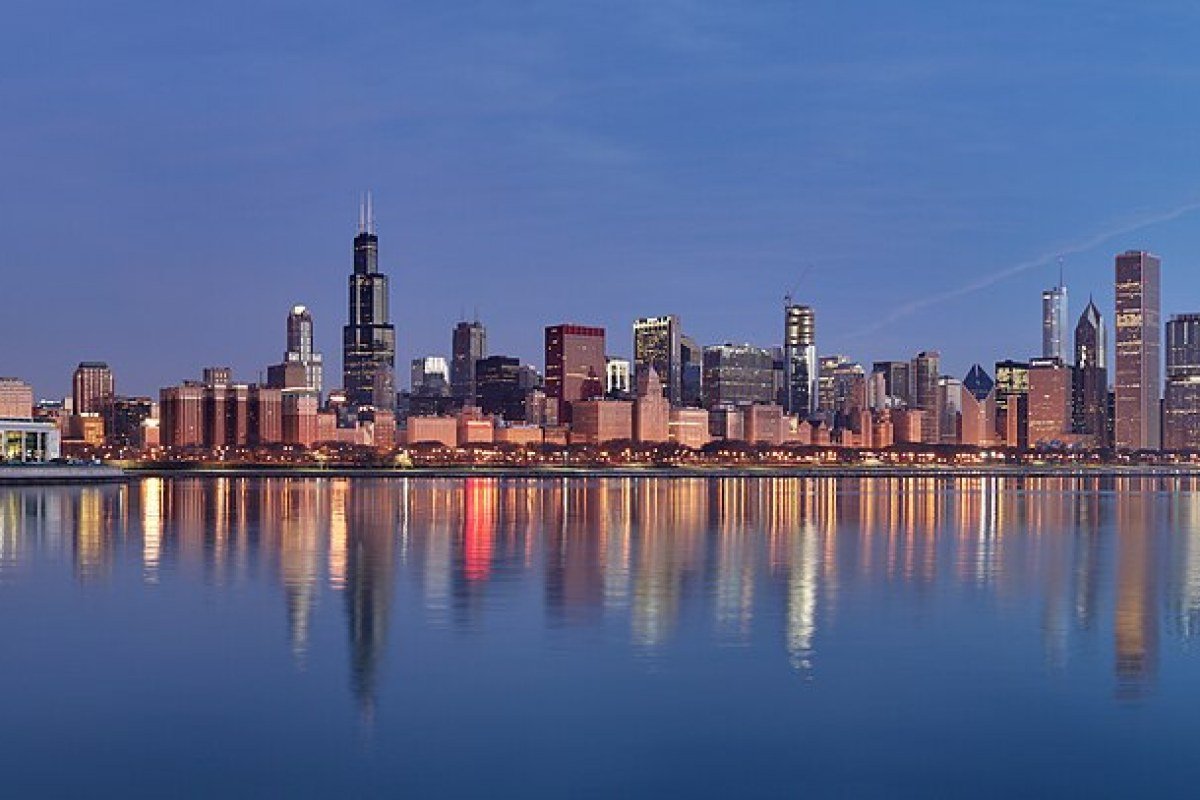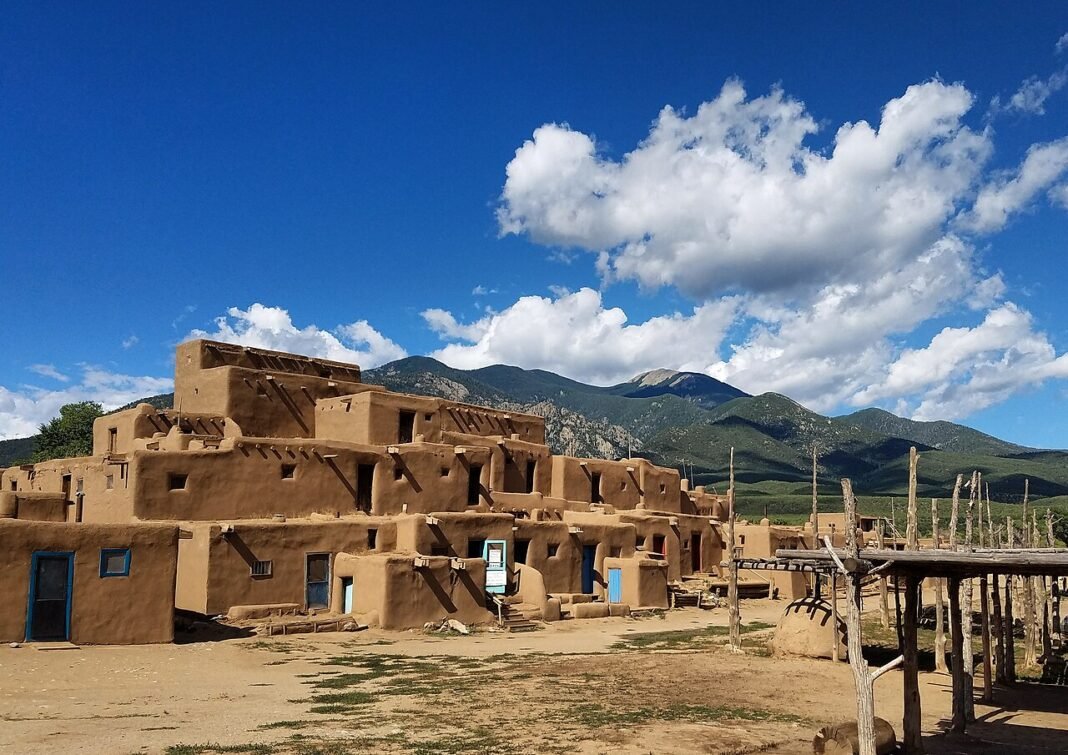
The American Southwest is one of the greatest road trip destinations on earth. The landscape — vast, dramatic, and unlike anywhere else — was carved by wind and water over millions of years, producing scenery that seems almost impossible: natural arches, slot canyons, red rock mesas, ancient cliff dwellings, and salt flats stretching to the horizon. Two weeks behind the wheel here will mark you for good.
The Route
This 14-day itinerary starts in Las Vegas, Nevada, and ends in Albuquerque, New Mexico, covering roughly 1,800 miles. You can run it in either direction, but starting in Vegas takes advantage of cheap flights and builds natural momentum as the landscapes turn wilder and more remote.
Days 1–2: Las Vegas
Vegas is the perfect decompression chamber before heading into the wilderness — or the perfect reward at the end. Stay on the Strip for the full spectacle (the Bellagio fountains, the High Roller Ferris wheel, the Mob Museum downtown are all worth seeing), but don’t sleep on the city’s food scene. Vegas has accumulated some of the best restaurants in the world: Joel Robuchon, é by José Andrés, and Jean-Georges Steakhouse among them. The day trips are excellent too — Red Rock Canyon is 20 minutes west and flat-out gorgeous.
Day 3: Zion National Park
Drive two and a half hours east from Las Vegas to Zion. This should be your longest hiking day: tackle Angels Landing in the morning (the chains section is genuinely thrilling, but you need to pre-book a permit), then walk the Riverside Walk to the start of the Narrows in the afternoon. The bottom-up day hike into the Narrows needs no permit — you can simply wade upstream as far as Big Spring, and threading the Virgin River between towering slot-canyon walls ranks among the great walks of the Southwest.
Days 4–5: Bryce Canyon
Bryce Canyon is only 80 miles from Zion but feels completely different. Instead of red rock canyons, Bryce has hoodoos — irregular spires of pink, orange, and white limestone shaped like ancient figures frozen in place. Sunrise at Bryce Point is one of the finest light shows in nature. Hike down on the Navajo Loop and Queen’s Garden trails to see them properly — the hoodoos look like another planet entirely from the canyon floor than they do from the rim.
Day 6: Monument Valley
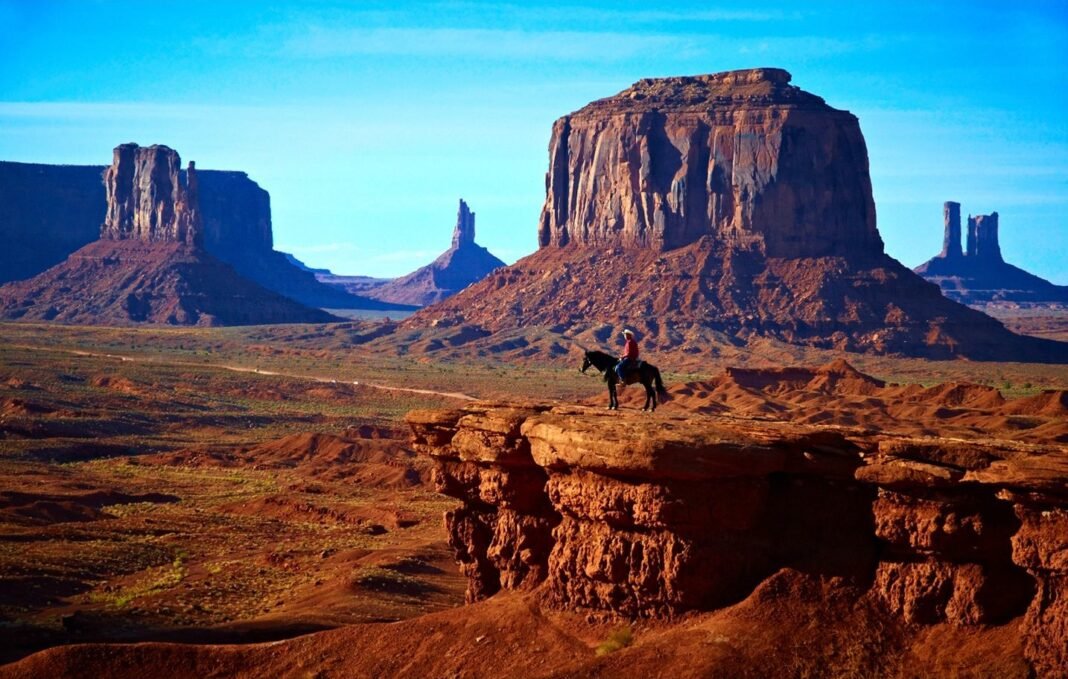
Monument Valley sits within the Navajo Nation — it’s privately administered and feels different from the national parks. The Mittens and Merrick Butte rank among the most photographed rock formations in North America. You can drive the 17-mile Valley Drive yourself, but hiring a Navajo guide opens up areas of the park that are otherwise off-limits and adds context about Navajo history and culture that makes the visit far richer.
Day 7: Canyon de Chelly
Canyon de Chelly (pronounced “de shay”) is one of the most underrated stops in the Southwest. This deep sandstone canyon in the heart of the Navajo Nation holds hundreds of ancient Ancestral Puebloan cliff dwellings — including White House Ruin, reached via a 2.5-mile round-trip hike — and is still home to Navajo families who farm and herd sheep on the canyon floor. The view from Spider Rock Overlook, looking down at the 750-foot sandstone spire rising from the floor, is one you won’t shake.
Days 8–9: The Grand Canyon
No road trip through the Southwest is complete without the Grand Canyon. Arrive in time for sunset at the South Rim — the colors are extraordinary. The next morning, rise before dawn for sunrise from Mather Point. Hike at least partway down the Bright Angel Trail to feel the scale (even an hour’s walk down resets your sense of the place entirely), but remember the golden rule: the climb out is twice as hard as the way in. If you want to reach the Colorado River and return, plan it as an overnight trip with a permit.
Day 10: Petrified Forest and Painted Desert
The Petrified Forest National Park preserves one of the world’s largest and most colorful collections of petrified wood — trees that were buried in sediment 225 million years ago and slowly replaced by quartz crystals over the eons. The Blue Mesa Trail is the most striking of the short hikes. Adjacent to the park is the Painted Desert, a 93,000-acre badlands of pastel colors — purples, pinks, and oranges — that glow most vividly at sunrise and sunset.
Days 11–12: Sedona
Allow yourself two full days in Sedona — you’ll want them. Hike the Cathedral Rock Trail for the postcard red rock view, explore the Chapel of the Holy Cross (a chapel built directly into the red rock), and take a Pink Jeep Tour for off-road access to viewpoints you can’t reach on foot. The town has excellent farm-to-table restaurants and a few memorable wine bars — Arizona‘s wine country in the Verde Valley is far better than its size suggests. Stay for sunset if you can — the red rocks ignite in shades of amber and crimson.

Days 13–14: Albuquerque and Santa Fe
End your trip in New Mexico, one of the most culturally distinctive states in the country. Santa Fe (an easy 60-mile detour from Albuquerque) is the oldest state capital in the United States, with a beautiful historic district of adobe architecture around the Plaza, first-rate galleries, and some of the best New Mexican cuisine in the world. Green or red chile? That’s not a question — “Christmas” (both) is the correct answer. Albuquerque’s Old Town is charming, the International Balloon Fiesta (if you’re there in early October) is a sight, and the Sandia Mountains east of the city offer great hiking and tram rides.
Practical Planning Notes
- Book in advance: National park permits (Angels Landing, The Narrows, Grand Canyon rim-to-river) sell out months ahead.
- Rent a high-clearance vehicle: Some of the best viewpoints (including Monument Valley) require unpaved roads.
- Carry plenty of water: Dehydration is a genuine danger in the desert. Carry at least 2 liters per person per day of hiking.
- Respect Navajo Nation rules: Photography restrictions and permit requirements apply in many areas. Always ask before photographing people.
- Best season: Spring (March–May) and fall (September–November) offer the best weather. Summer is brutally hot in canyon country; winter can bring snow and road closures.
Frequently Asked Questions
What is the best route for an American Southwest road trip?
The classic Southwest circuit starts in Las Vegas and ends in Albuquerque (or Santa Fe), covering approximately 1,800 miles in 14 days: Las Vegas (2 days) → Zion National Park (2 days, including Angels Landing and the Narrows) → Bryce Canyon (2 days, sunrise at Bryce Point plus canyon hiking) → Monument Valley (1 day, Navajo Nation) → Canyon de Chelly (1 day, White House Ruin hike) → Grand Canyon South Rim (2 days, sunset + sunrise + Bright Angel Trail descent) → Petrified Forest and Painted Desert (1 day, Blue Mesa Trail) → Sedona (2 days, Cathedral Rock, jeep tours, wine country) → Santa Fe and Albuquerque (2 days). The route can be done in either direction; starting in Vegas takes advantage of cheap flights.
What are the best hikes in Zion National Park?
Angels Landing (5.4 miles round trip, 1,500 ft elevation gain) is one of the most exhilarating hikes in North America — the final half-mile involves holding steel chain handrails while navigating a narrow ridge with 1,000-foot drops on both sides. A permit is required and available via lottery (recreation.gov). The Narrows is an entirely different experience: hikers wade through the Virgin River between slot canyon walls up to 1,500 feet high and as narrow as 20 feet wide — one of the defining Southwest experiences. The Canyon Overlook Trail (1 mile round trip) provides spectacular canyon views with minimal effort and no permit requirement. Kolob Canyons (northwest section) offers solitude compared to the main canyon.
What makes Bryce Canyon and Monument Valley worth visiting?
Bryce Canyon’s hoodoos — thousands of irregular limestone spires colored in shades of pink, orange, and white — create a landscape that looks like nothing else on Earth. Sunrise at Bryce Point produces one of the finest light shows in nature as the first rays hit the hoodoos. The Navajo Loop and Queen’s Garden trails (combined, 2.9 miles) descend into the canyon for the view you can’t get from the rim — the hoodoos look entirely different from the canyon floor. Monument Valley is part of the Navajo Nation (not a national park) and administered by the Navajo Tribe — the 17-mile self-drive Valley Drive provides views of the famous Mittens and Merrick Butte formations, while Navajo guides provide access to areas otherwise closed to visitors.
What should visitors know about the Grand Canyon and Sedona?
The Grand Canyon South Rim (the most accessible rim) deserves at least two days — the first sunset and following sunrise are non-negotiable. Bright Angel Trail provides the safest and best-signed descent to the Colorado River (9.5 miles each way); even hiking 1.5 miles down to the 1.5-Mile Resthouse delivers a view impossible from the rim. Permits are required for overnight camping at Phantom Ranch (at the canyon bottom). Sedona, 2 hours south, offers Cathedral Rock (moderate hike, approximately 1.2 miles round trip, the most photographed red rock formation), Pink Jeep Tours for off-road access to viewpoints you can’t reach on foot, and the Verde Valley wine country — Arizona’s wine region is surprisingly accomplished, centered on Cottonwood and Jerome.
What practical tips make a Southwest road trip successful?
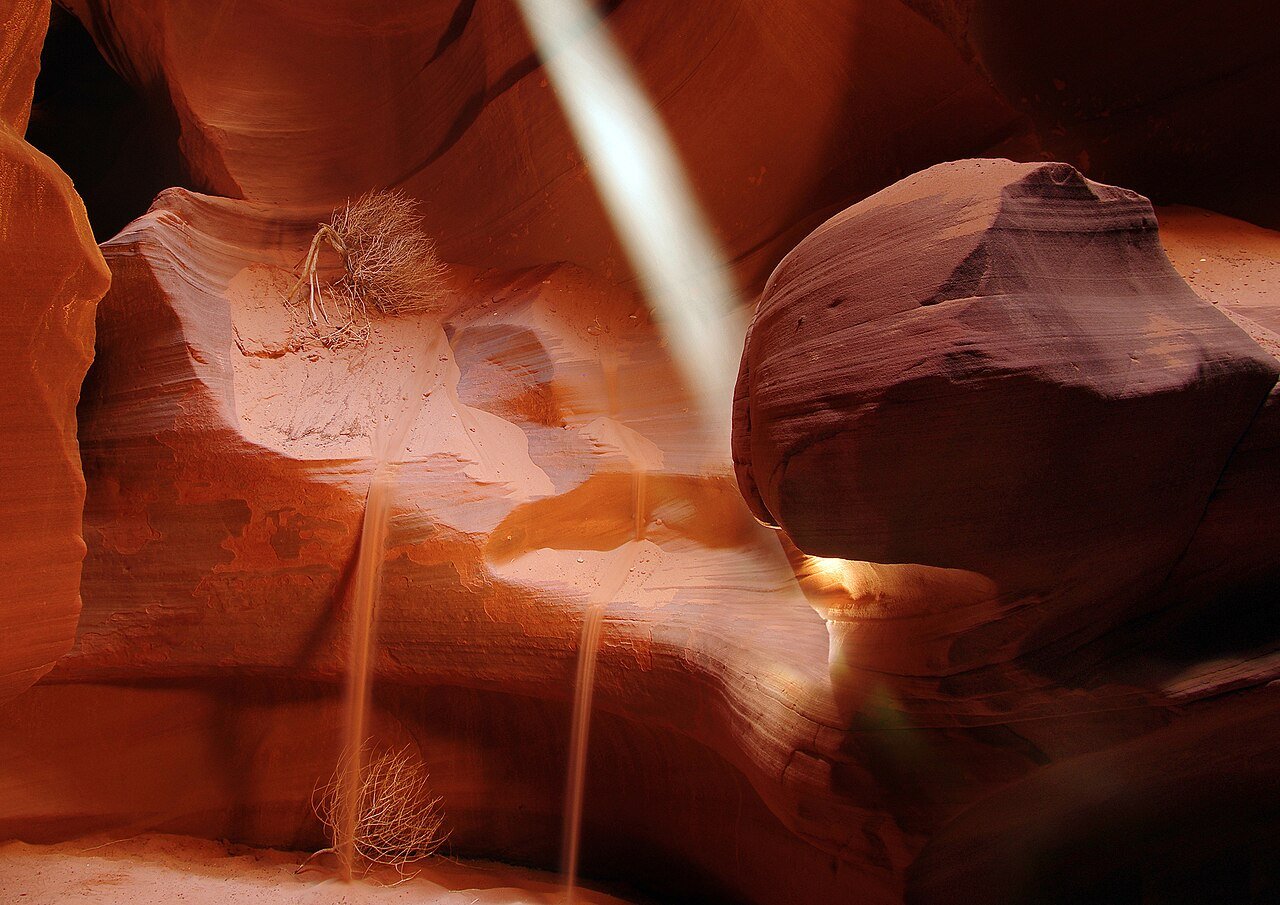
Book permits and reservations well in advance: Angels Landing requires a lottery permit (recreation.gov); Grand Canyon Phantom Ranch fills up a year ahead; Antelope Canyon (near Page, AZ) requires a Navajo guide and advance booking. The America the Beautiful Annual Pass ($80) covers entrance fees at all national parks and federal lands on the route — essential value for a trip hitting 4+ parks. Summer heat in the Grand Canyon and Monument Valley is extreme (110°F+ in July) — the South Rim’s Bright Angel Trail inner canyon heat has caused fatalities; hike only in the early morning and carry 1 liter of water per hour. Cell coverage is limited throughout much of the route; download offline maps (Google Maps, Maps.me) before leaving each major town.