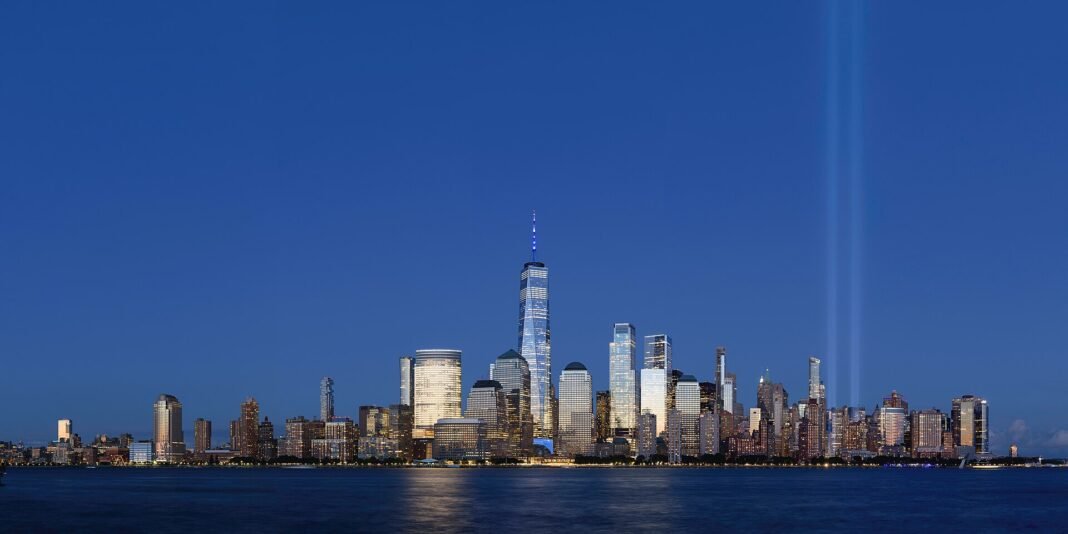
New York City is one of those destinations that needs no introduction — but it benefits enormously from preparation. The city is massive, overwhelming, and endlessly exciting, and first-time visitors can easily spend a week there and still feel like they’ve barely scratched the surface. This guide will help you make sense of the city, prioritize the right experiences, and avoid the most common mistakes.
Getting to New York City
New York is served by three major airports: John F. Kennedy International (JFK), LaGuardia (LGA), and Newark Liberty International (EWR) in New Jersey. JFK is the largest and handles most international flights. The AirTrain from JFK connects to the subway and the Long Island Rail Road, making it the cheapest option into Manhattan ($8.75 AirTrain plus subway fare). From Newark, the Newark Airport Express bus or NJ Transit train are the best options. LaGuardia has no direct rail link — taxis, rideshares, and the new Q70 Select Bus Service are your choices.
Getting Around the City
New York’s subway is the backbone of the city — it runs 24 hours a day, 7 days a week, and reaches nearly every neighborhood worth visiting. A single ride costs $3.00, but the $34 weekly fare cap with OMNY contactless payment is a far better deal if you’re staying more than three or four days: once OMNY counts $34 in subway and local-bus rides within a calendar week on the same card or phone, every additional ride is free. Download the MTA app or use Google Maps for real-time train information. Taxis and rideshares (Uber, Lyft) are convenient for late nights or when you have lots of luggage, but traffic in Manhattan can be brutal. If you’re tempted to drive into the core, factor in the $9 congestion toll for entering Manhattan below 60th Street, in effect since January 2025. Walking is genuinely the finest way to explore neighborhoods — the city’s grid system makes it hard to get seriously lost.
Where to Stay
Manhattan is the center of the action but also the most expensive place to stay. Midtown (around Times Square) is convenient but touristy and overpriced. Better alternatives for most visitors include the Lower East Side (strong food and nightlife), Greenwich Village (charming and central), and the Upper West Side (quieter, near Central Park and the Museum of Natural History). Brooklyn neighborhoods like Williamsburg, DUMBO, and Park Slope offer plenty of character at lower prices, with easy subway access to Manhattan.
Must-See Attractions
Central Park
843 acres of green space in the heart of Manhattan — Central Park ranks among the finest urban parks in the world. The Bethesda Fountain and Terrace are the iconic centerpiece, but the park has far more to offer: the Ramble (a 36-acre woodland area), the Great Lawn, Strawberry Fields (a memorial to John Lennon), the Conservatory Garden, and Belvedere Castle. Rent a bike, take a rowboat out on the Lake, or simply find a bench and watch the city happen around you.
The High Line
The High Line is a 1.45-mile elevated park built on an abandoned freight rail line running through Chelsea and Hell’s Kitchen. It’s beautifully designed, with native plantings, public art installations, and wide-open views of the Hudson River and the city skyline. The best time to visit is early morning or on a weekday — it gets very crowded on summer weekends.
The Metropolitan Museum of Art
The Met is one of the foremost art museums on the planet, with a collection of over two million objects spanning 5,000 years of human history. You could spend a week here and not see everything. Highlights include the Egyptian Temple of Dendur, the American Wing, the Greek and Roman galleries, and the Roof Garden with its seasonal contemporary art installations and skyline views. Admission is pay-what-you-wish for New York State residents and NY, NJ, and CT students; everyone else pays a fixed $30 for adults (a flat ticket, not a suggestion).
Brooklyn Bridge and DUMBO
Walking across the Brooklyn Bridge is a quintessential New York experience. The views of the Manhattan skyline from the bridge and from the Brooklyn side are the finest in the city. After crossing, explore DUMBO (Down Under the Manhattan Bridge Overpass) — a neighborhood of converted warehouses, art galleries, boutiques, and first-rate restaurants with views of both bridges and the Manhattan skyline.

The Statue of Liberty and Ellis Island
Lady Liberty is one of the most recognizable monuments in the world. Book tickets well in advance (especially for crown access, which sells out months ahead). The Ellis Island Immigration Museum is arguably more interesting than the statue itself — the stories of the millions who passed through this gateway to America are deeply moving. The free Staten Island Ferry offers views of the statue at no cost if you’re on a budget.

Where to Eat
New York is the ultimate food city. A few essential experiences: a bagel with lox from a classic deli (Russ & Daughters on the Lower East Side is legendary), a slice of pizza at a corner pizzeria (Di Fara in Brooklyn and Joe’s Pizza in the Village are frequently debated as the best), a meal at one of the city’s many excellent ethnic restaurants in neighborhoods like Flushing (Chinese), Jackson Heights (South Asian and Latin American), or Little Italy in the Bronx (not the tourist trap in Manhattan). For something more upscale, the dining scene in the West Village is exceptional.
Practical Tips
- Book in advance: Popular restaurants, Broadway shows, and attractions like the 9/11 Memorial sell out quickly.
- Avoid Times Square restaurants: They’re overpriced and mediocre. The neon lights are worth seeing once, but eat anywhere else.
- Wear comfortable shoes: You will walk more in New York than almost anywhere else on earth.
- Use the subway, not taxis: Traffic in Manhattan can turn a 10-minute subway ride into a 45-minute cab ride.
- Visit museums on their free or pay-what-you-wish nights: MoMA is free on Friday evenings (5:30–8:30 p.m.) for New York State residents with a reservation; the Met is pay-what-you-wish for NY State residents and regional students year-round.
- The most rewarding neighborhoods are outside Manhattan: Brooklyn, Queens, and the Bronx have their own distinct characters and are often more authentic than the tourist-heavy parts of Manhattan.
Best Time to Visit
Spring (April–June) and fall (September–November) are the best times to visit New York. The weather is mild, the city is energetic, and the parks are at their most beautiful. Summer is hot, humid, and extremely crowded but also full of free outdoor events. Winter is cold but magical, especially around the Christmas holidays when the city is decorated beautifully. January and February are the coldest and least crowded months — also the best time to score deals on hotels.
Frequently Asked Questions
What are the best neighborhoods to stay in New York City?
Midtown (around Times Square) is convenient but touristy and overpriced — most experienced travelers avoid it. Better alternatives include the Lower East Side (great food and nightlife), Greenwich Village (charming, central, walkable), and the Upper West Side (quieter, near Central Park and the Museum of Natural History). Brooklyn neighborhoods like Williamsburg (trendy, excellent restaurants), DUMBO (converted warehouses, postcard bridge views), and Park Slope (leafy, families) offer rich character at lower prices with easy subway access to Manhattan. For first-time visitors who want to walk everywhere, the West Village and Chelsea offer the best combination of character, safety, and central location.
What are the must-see attractions in New York City?
Central Park (843 acres, the Bethesda Fountain, Strawberry Fields, the Ramble, Belvedere Castle) is the city’s greatest free attraction — rent a bike or row a boat on the Lake. The High Line (1.45-mile elevated park built on an abandoned freight rail line through Chelsea) offers skyline views and public art. The Metropolitan Museum of Art (2 million+ objects spanning 5,000 years, including the Egyptian Temple of Dendur) is one of the world’s great museums. Walking the Brooklyn Bridge and exploring DUMBO provides the best Manhattan skyline views in the city. The Statue of Liberty and Ellis Island Immigration Museum are essential for understanding American history; book crown tickets months in advance or use the free Staten Island Ferry for statue views.
How do you get around New York City?
The NYC subway runs 24 hours, 7 days a week, and reaches nearly every neighborhood worth visiting — a single ride is $3.00, and the $34 weekly fare cap with OMNY contactless payment is outstanding value for stays of 4+ days (once you hit $34 in a calendar week on one card, the rest of the week rides free). The MTA app and Google Maps provide real-time train information. Walking is the best way to explore individual neighborhoods — the city’s grid system makes navigation intuitive. Taxis and rideshares (Uber, Lyft) are useful for late nights and heavy luggage, but traffic in Manhattan can be severe. Citi Bike (the city’s bike-share system) is excellent for flat stretches like Central Park, the Hudson River Greenway, and neighborhoods in Brooklyn. John F. Kennedy International Airport (JFK) connects to the subway via AirTrain ($8.75 plus subway fare) — the cheapest airport transit option.
What is the New York City food scene like and where should visitors eat?
New York is the ultimate food city. Essential experiences: a bagel with lox from a classic Lower East Side deli (Russ & Daughters is the definitive choice); a New York slice of pizza at a corner pizzeria (Joe’s Pizza in the West Village and Di Fara in Brooklyn are frequently debated as the best); a meal in one of the city’s world-class ethnic restaurant neighborhoods — Flushing in Queens (Michelin-starred Chinese restaurants), Jackson Heights (South Asian, Ecuadorian, Colombian), or the authentic Italian Belmont neighborhood in the Bronx. For fine dining, the West Village, Tribeca, and the Flatiron District have the highest concentration of acclaimed restaurants. Chelsea Market provides an excellent food hall experience with vendors spanning every cuisine.
What practical tips should visitors know before arriving in New York City?
Book major attractions in advance: Statue of Liberty crown access sells out months ahead; the Metropolitan Museum of Art and the Museum of Modern Art (MoMA) benefit from timed entry booking. The city is safe to walk at all hours in most neighborhoods, but the subway is the practical transport for crossing boroughs. Weather: summers (June–August) are hot and humid (85–90°F) and the city is busiest with tourists; spring (April–May) and fall (September–October) provide the best weather and reasonable crowds. The city’s hotel prices are among the highest in the world — booking 6–8 weeks ahead and considering Brooklyn accommodations consistently delivers better value. New York’s 8.875% sales tax applies to restaurants and hotels but not to clothing under $110 per item.