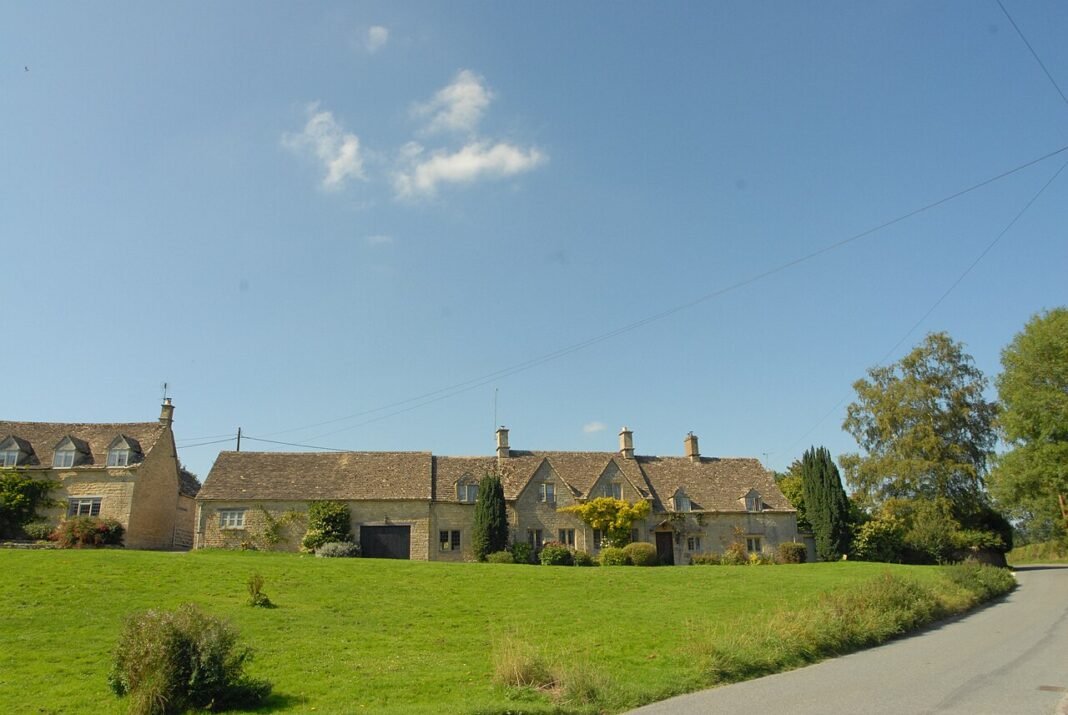
England‘s cost of living swings more sharply within its own borders than in almost any comparable European country — the gap between London’s housing market and that of the north of England or the Midlands is wider than the gap between London and many continental capitals. Read the regional variation first and the rest falls into place: a professional earning £45,000/year in Manchester lives far more comfortably than the same professional on £45,000/year in London, where that salary counts as moderate income and rent swallows a disproportionate share. England in 2026 is expensive by European standards. High housing costs (particularly in London and the South East), elevated food and energy prices in the wake of the 2022–2024 inflation period, and the lingering effect of Brexit on food import costs leave household budgets stretched more tightly than at any point since the early 1980s. The counterweight is England’s deep stock of free public culture — the British Museum, the National Gallery, the Tate Modern, the V&A, the Natural History Museum — quality-of-life value that never shows up in a spreadsheet.
Housing Costs: London vs the Regions
Housing is England’s largest and most regionally variable cost — the factor that shapes most decisions about where professionals live and what quality of life their income can sustain.
- London: A one-bedroom flat in inner London (Zone 1-2) rents for £1,800–£2,800/month; in outer London (Zone 3-5), £1,300–£1,800/month. Buying: a one-bedroom flat in Zone 2-3 costs £400,000–£600,000; a two-bedroom flat £550,000–£900,000; a family home in Zone 3 £700,000–£1.2m+. Average London property prices are approximately 10x the average household income — one of the highest ratios in the developed world
- Manchester: A one-bedroom city centre flat rents for £1,100–£1,600/month; buying costs £180,000–£280,000 for a one-bedroom. The Northern Quarter and Ancoats (Manchester’s most desirable urban neighbourhoods) command premiums; Salford, Stockport, and the outer suburbs come in well below that
- Birmingham: City centre one-bedroom flats rent for £900–£1,400/month; buying starts around £150,000–£220,000 for a one-bedroom. The Jewellery Quarter and Moseley are Birmingham’s most fashionable addresses; the wider West Midlands commuter belt provides family housing for much less
- Leeds: One-bedroom city centre rents run £800–£1,200/month; buying costs £140,000–£200,000 for a one-bedroom. Leeds has one of England’s fastest-appreciating housing markets as the northern cities grow
- Bristol: One of England’s most expensive cities outside London: one-bedroom city centre rents £1,200–£1,700/month; buying £220,000–£320,000. Bristol’s mix of cultural pull, proximity to the Cotswolds and Wales, and a strong tech-employment base has pushed prices well above the northern equivalents

Food and Grocery Costs
- Supermarket prices: England’s major supermarket chains (Tesco, Sainsbury’s, ASDA, Morrisons, Waitrose) offer competitive grocery pricing for staples. A weekly shop for two people runs £60–£100 at a mid-market supermarket (Tesco or Sainsbury’s) and £80–£130 at Waitrose. Aldi and Lidl (the budget German chains) offer prices 20–30% below the UK majors and have become the dominant budget shopping option for cost-conscious households
- London premium: Central London convenience stores and smaller supermarkets charge premiums of 10–20% over the large out-of-town supermarkets. The Marks and Spencer Food Hall sits at the premium end — pricier, but reliably high quality
- Eating out: A pub meal (the English standard dining experience) costs £12–£20 per person outside London and £15–£28 in London; a mid-range restaurant dinner for two costs £60–£100 with wine outside London and £80–£140 in London. Fish and chips (the English national dish, best in coastal towns and chip shops) costs £8–£14 for a full portion; a full English breakfast costs £8–£14 at a café
Transport Costs
- London public transport: The London Underground, Overground, Elizabeth line, buses, and DLR form the world’s most comprehensive urban public transport system. A daily Oyster cap in Zone 1-2 runs £8.90; a monthly Zone 1-2 Travelcard costs £171.70. The congestion charge for driving in central London adds £18/day (raised from £15 in January 2026)
- Regional rail: England’s intercity rail network (run by multiple private operators under DfT franchise) is expensive by European standards. A standard off-peak return from Manchester to London costs £60–£120; an advance booking can reduce this to £20–£50. Annual season tickets for commuting routes run high — a London-Brighton annual season ticket costs roughly £5,600
- Driving: Petrol costs approximately £1.50–£1.65/litre (2026). English car insurance premiums are among Europe’s highest; a young driver’s first insurance can cost £1,500–£3,000/year in some regions. Road tax runs £0–£580/year depending on vehicle emissions
Salaries and Wages
- National Living Wage: £12.71/hour from April 2026 (for workers aged 21+); this legal minimum puts a full-time minimum-wage worker at roughly £24,800/year before tax. The Real Living Wage (the Living Wage Foundation’s estimate of what it actually costs to live) is higher: £13.45/hour outside London and £14.80/hour in London
- Graduate and professional salaries: A London graduate starting salary in finance, law, or tech runs £35,000–£65,000; outside London, £25,000–£45,000. Mid-career professional salaries in London: £55,000–£100,000 in financial services; £45,000–£80,000 in tech; £40,000–£70,000 in professional services. NHS salaries are nationally determined: a newly qualified nurse (Band 5) earns around £31,000; a consultant physician earns £110,000–£145,000
- Tax: Income tax rates: 20% on £12,571–£50,270; 40% on £50,271–£125,140; 45% above £125,140. National Insurance contributions add 8% on earnings between £12,570 and £50,270. The effective marginal tax rate for a professional earning £60,000/year is approximately 42% (combining income tax and NI)
Healthcare and Education
England’s NHS provides universal free healthcare at the point of use — GP consultations, hospital treatment, and emergency care are free for UK residents, funded from general taxation. That is a real financial advantage over countries with private healthcare systems; the insurance premiums American or Australian households pay for equivalent coverage have no equivalent line in an English working family’s budget. State education is free from ages 4–18; university tuition fees for domestic students are capped at £9,535/year for 2025/26, rising to £9,790 from September 2026, with an income-contingent loan that graduates repay only once they earn above the threshold. These structural benefits form a real part of England’s cost of living that simple price comparisons tend to leave out.
Budgeting Practically for England
Once you know the numbers, the next step is separating the costs you can’t move from the ones you can. Housing is the biggest lever in almost every budget: the right neighbourhood can swing your monthly outgoings by hundreds of pounds while keeping you close to the places you actually use. Utilities, transport, and food look small month to month but compound over a year. England also tends to undercut high-cost cities such as New York, San Francisco, or Sydney — relocators from those places often find their money goes further here. For the tax side of any move, the official GOV.UK income tax rates are the authoritative reference. Treat the figures here as a starting framework and check current rents and property prices for your target area, since local markets move faster than annual cost-of-living surveys.
Frequently Asked Questions
How much cheaper is Manchester than London to live in?
Significantly cheaper across every cost category. In Manchester, a 1-bedroom city centre flat rents for £1,100–£1,600/month vs. £1,800–£2,800/month in London Zone 1-2. Buying a 1-bedroom in Manchester costs £180,000–£280,000 vs. £400,000–£600,000 in London Zone 2-3. A pub meal in Manchester runs £12–£20 vs. £15–£28 in London. A professional earning £45,000/year lives far more comfortably in Manchester than in London, where that salary counts as moderate income and rent eats a disproportionate share. Bristol (£1,200–£1,700/month rent) is the most expensive city outside London; Leeds (£800–£1,200/month) and Birmingham (£900–£1,400/month) are the most affordable of the major northern and midland cities.
What are England’s income tax rates in 2026?
England uses a progressive system: the personal allowance is £12,570 (no tax below this); the basic rate of 20% applies on income between £12,571 and £50,270; the higher rate of 40% applies on £50,271–£125,140; and the additional rate of 45% applies above £125,140. National Insurance contributions add 8% on earnings between £12,570 and £50,270. The effective marginal rate for a professional earning £60,000/year is approximately 42% combining income tax and NI. The National Living Wage is £12.71/hour from April 2026 (21+); the Real Living Wage (the Living Wage Foundation’s actual-cost calculation) is £13.45/hour outside London and £14.80/hour in London.
What free public services does England provide?
England’s NHS provides universal free healthcare at the point of use — GP consultations, hospital treatment, and emergency care are free for UK residents, funded from general taxation. State education is free from ages 4–18. University tuition for domestic students is capped at £9,535/year for 2025/26 (rising to £9,790 from September 2026), with income-contingent loans repaid only when earning above the threshold (graduates earning below ~£25,000/year make no repayments). England’s national museums — the British Museum, National Gallery, Tate Modern, Victoria and Albert Museum, Natural History Museum — all have free permanent collection entry. These structural benefits represent real quality-of-life value offset against England’s elevated cost structure.
How expensive is grocery shopping in England?
Reasonable by western European standards — a weekly shop for two runs £60–£100 at mid-market supermarkets (Tesco, Sainsbury’s, Morrisons) and £80–£130 at Waitrose. Aldi and Lidl (German budget chains now dominant in the UK) offer prices 20–30% below the UK major supermarkets and have become the default budget shopping option for cost-conscious households. Central London convenience stores charge 10–20% premiums over large out-of-town supermarkets. Following the UK inflation period of 2022–2024, food prices have stabilised but remain elevated relative to the 2019 baseline — a significant contributor to stretched household budgets across all income levels.
Is the north of England significantly cheaper than London?
Yes, sharply so. Leeds 1-bedroom city centre rents run £800–£1,200/month and Birmingham £900–£1,400/month — roughly half London prices for comparable quality. Buying in Leeds starts at £140,000–£200,000 for a 1-bedroom; in Birmingham £150,000–£220,000. The gap widens further in rural and semi-rural areas — house prices in County Durham, rural Lincolnshire, or the former industrial towns of the north can be £80,000–£150,000 for a 3-bedroom terrace. For remote workers whose income is tied to London or international employers rather than the local market, the north of England delivers a level of purchasing power that is hard to match anywhere in the South.