Moving to New South Wales — whether from another Australian state or from overseas — is the relocation choice that provides access to Australia’s largest and most diverse economy, its most internationally connected city, and its widest range of lifestyle options, from renowned surf beaches to Alpine snowfields. The practical relocation process within Australia is straightforward (no internal border controls, shared Medicare system, transferable professional licences in most fields), with the primary adjustments being the NSW-specific vehicle registration and licensing requirements and the stamp duty system that represents a sizeable property transaction cost. For international migrants, Sydney’s status as Australia’s primary migration destination means the infrastructure for visa processing, settlement services, and multicultural community integration is more developed than in any other Australian city.
Driver’s Licence and Vehicle Registration
- Interstate transfers: Drivers from other Australian states must transfer to a NSW licence within 3 months of establishing residency; bring interstate licence, proof of identity (passport or birth certificate), and proof of NSW address (see Service NSW for current requirements)
- International licence holders: Can drive on a valid foreign licence for 3 months; must obtain a NSW licence thereafter (knowledge and driving tests required unless eligible for direct transfer)
- Service NSW: Licence and registration transactions are conducted at Service NSW centres; the Service NSW app and website handle many transactions online
- Vehicle registration transfer: Interstate vehicles must be registered in NSW within 3 months; a safety inspection (pink slip) is required at an authorised inspection station before registration
- CTP insurance: Compulsory Third Party personal injury insurance is bundled with NSW registration; included in the registration fee payment to Service NSW
Medicare and Healthcare
Medicare, Australia’s universal health insurance scheme, is available to all Australian citizens, permanent residents, and citizens of countries with reciprocal healthcare agreements (including the United Kingdom, Ireland, New Zealand, Italy, and others). For Australian residents, enrolment is straightforward:
- Enrolment: Service NSW / Services Australia offices; online via myGov; present your Medicare card from the previous state (the card is national and continues; update address details only)
- Private health insurance: Not required but widely held; the Private Health Insurance Incentive (government rebate) and the Lifetime Health Cover loading (2% premium increase per year of delay after age 30) create financial incentives for earlier take-up
- Bulk-billing GPs: General practitioners who bulk-bill charge Medicare directly without a patient gap; availability in Sydney has decreased in recent years; expect to pay out-of-pocket costs at many suburban practices
- Sydney hospitals: Royal Prince Alfred (Camperdown), St Vincent’s (Darlinghurst), Prince of Wales (Randwick), and Westmead (Western Sydney) are the major public hospitals; the Northern Beaches Hospital, Nepean, and Liverpool hospitals anchor the outer suburban networks
Schools and Education
New South Wales operates the largest state education system in Australia, managed by the NSW Department of Education:
- Enrolment: Contact the local government school (identified by address via the NSW Department of Education website) directly; government school enrolment requires proof of address and the child’s birth certificate
- HSC (Higher School Certificate): NSW’s Year 12 credential is among the most rigorous in Australia; the ATAR (Australian Tertiary Admission Rank) derived from HSC results is the primary university entry mechanism
- Selective schools: NSW operates 17 fully selective and 26 partially selective high schools accessible by competitive examination; the Opportunity Class placement test (Year 4, for entry to Year 5) and Selective High School Placement Test (Year 6, for entry to Year 7) are significant family decisions in NSW’s education landscape
- Independent and Catholic schools: NSW has a large non-government school sector; fees range from AUD $5,000/year (lower-fee Catholic) to AUD $35,000+/year (elite independent); demand for sought-after schools requires early registration (some schools have waiting lists from birth)
Cost of Moving to Sydney: Setting the Budget
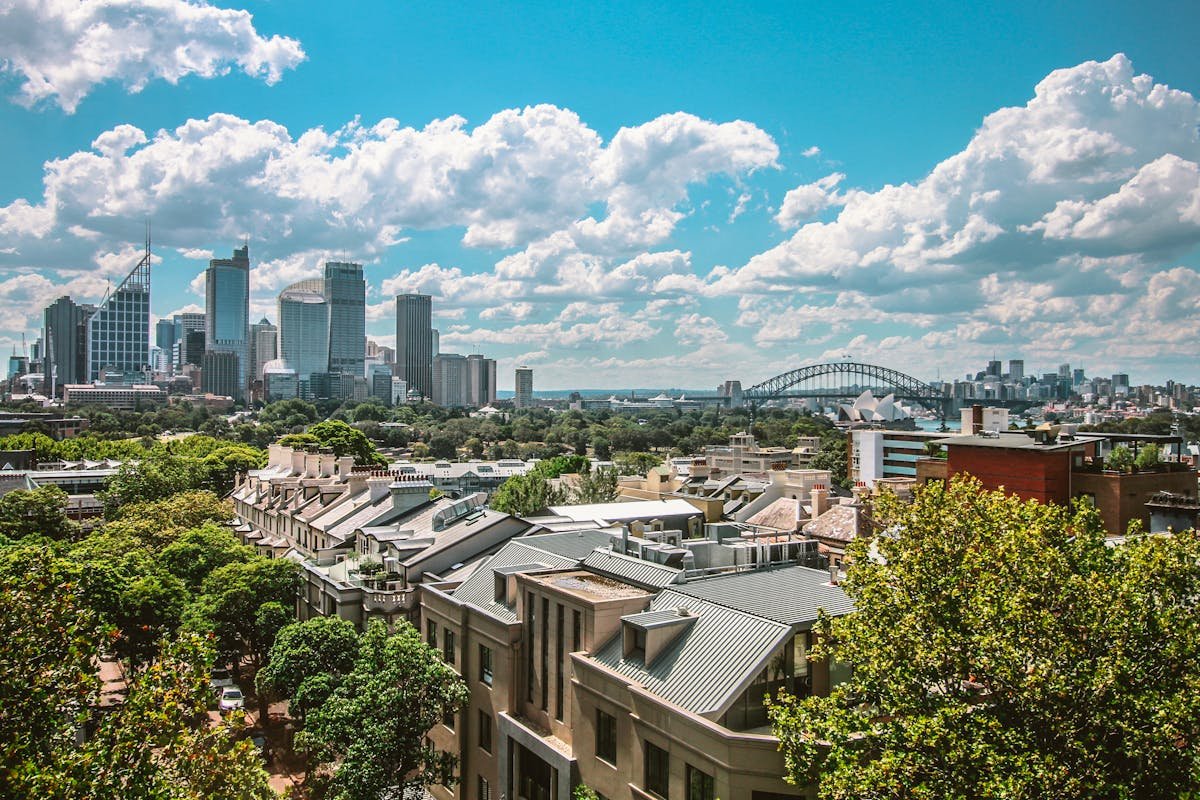
Moving to Sydney requires financial preparation beyond the standard relocation costs:
- Rental bonds: NSW landlords require bonds of up to 4 weeks’ rent, lodged with NSW Fair Trading; for a AUD $650/week apartment, that’s AUD $2,600 upfront plus first month’s rent
- Rental market competitiveness: Sydney’s vacancy rate sits below 1% in most suburbs; expect to attend multiple inspections, provide comprehensive applications, and potentially offer above-asking rent in contested areas
- Short-term accommodation: Budget AUD $150–$300/night for self-contained apartments in Sydney during the housing search; this can represent AUD $4,000–$8,000 before a lease is secured
- Transport costs: Sydney’s Opal card system provides integrated public transport; a monthly transport budget for inner-city residents (bus, train, ferry) of AUD $150–$250 is typical; outer suburban residents driving to work pay tolls of AUD $300–$600/month on Sydney’s extensive toll road network
Neighbourhoods to Research Before Moving
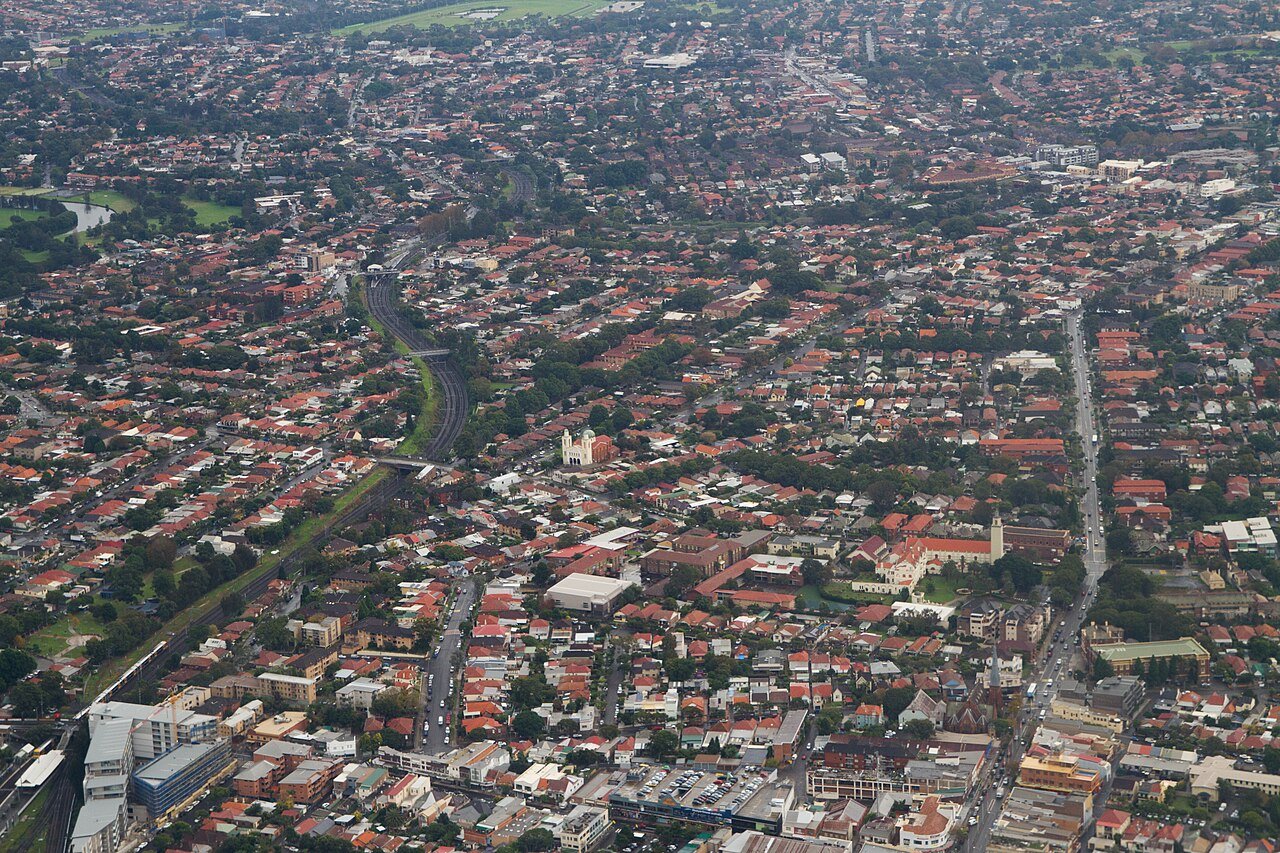
NSW’s enormous geographic diversity means that where you live within the state defines your daily experience as much as the state itself. Sydney’s inner western suburbs (Newtown, Glebe, Marrickville, Petersham) offer the most walkable urban character, with café and cultural density; the Northern Beaches (Manly, Dee Why, Narrabeen) provide beach access with a community character that differs from the Southern Suburbs (Cronulla, Sutherland) and the North Shore (Mosman, Lane Cove, Willoughby). Outside Sydney, the Hunter Valley towns of Cessnock and Maitland deliver the cheapest housing in the Greater Hunter region with easy access to Newcastle employment. The Illawarra coast (Wollongong, Kiama, Berry) offers the fullest coastal community alternative to Sydney within 90 minutes by train. Do thorough research on commute times, school zones, and neighbourhood character before committing — NSW’s housing market is too significant financially to choose based on incomplete information.
Preparing for Your Move
The logistical side of relocating to New South Wales follows a familiar sequence regardless of where you are coming from: secure housing before or immediately after arrival, transfer any professional licences if your occupation requires it, register your vehicle and update your driver’s licence within the timeframe required by local law (typically 30 to 90 days for new residents), and register to vote at your new address. Connecting with community organisations, sports clubs, neighbourhood associations, or professional networks early in the process can dramatically accelerate the sense of belonging. In many parts of New South Wales that have grown rapidly over the past decade, a sizeable proportion of the population has relocated from elsewhere, which means that being new to the area is genuinely normal — and that the infrastructure for meeting people and building a life from scratch is well established.
Frequently Asked Questions
What are the driver’s licence and vehicle registration requirements when moving to New South Wales?
Interstate transfers: drivers from other Australian states must transfer to a NSW licence within 3 months of establishing NSW residency. Bring your interstate licence, proof of identity (passport or birth certificate), and proof of NSW address. International licence holders can drive in NSW on a valid foreign licence for 3 months; a NSW licence with knowledge and driving tests is required thereafter unless eligible for direct transfer from a recognised country. All licence and registration transactions are handled at Service NSW centres; many transactions can be completed online through the Service NSW app or website. Vehicle registration: interstate vehicles must be registered in NSW within 3 months; a pink slip (safety inspection) from an authorised inspection station is required before registration. Compulsory Third Party (CTP) personal injury insurance is bundled with NSW registration fees — it is included in the payment to Service NSW.
How does Medicare and healthcare enrolment work for new NSW residents?
Medicare, Australia’s universal health insurance scheme, is available to all Australian citizens, permanent residents, and citizens of countries with reciprocal agreements (including the UK, Ireland, New Zealand, and Italy). Your Medicare card is a national card — if you already have one from another Australian state, simply update your address through myGov or a Services Australia office; no re-enrolment is required. Private health insurance carries a Lifetime Health Cover loading that increases premiums by 2% for every year you delay taking out hospital cover after age 30 — a financial incentive to enrol early after arriving in NSW. Bulk-billing availability (where GPs charge Medicare directly without a patient gap payment) has declined significantly in Sydney in recent years; expect out-of-pocket costs at many suburban practices. Major public hospitals: Royal Prince Alfred (Camperdown), St Vincent’s (Darlinghurst), Prince of Wales (Randwick), and Westmead Hospital serve as major referral centres across the metro.
How do NSW’s selective schools and private school system work?
NSW operates the most competitive selective school system in Australia — 17 fully selective and 26 partially selective high schools are accessible by competitive examination. The Opportunity Class placement test (taken in Year 4 for entry to Year 5) and the Selective High School Placement Test (taken in Year 6 for entry to Year 7) are significant decisions for families moving to NSW with school-age children. Preparation for these tests has created a substantial private tutoring industry in NSW. Government school enrolment is zone-based — identify your local school using the NSW Department of Education address lookup before committing to a rental or purchase address if a specific school is a priority. Non-government schools (independent and Catholic): fees range from approximately AUD $5,000 per year at lower-fee Catholic schools to AUD $35,000+ per year at elite independent schools; demand for sought-after schools requires early registration — some have waiting lists from birth.
What rental and moving costs should new Sydney residents budget for?
Sydney’s rental market operates below 1% vacancy in most suburbs — expect to attend multiple inspections, prepare comprehensive rental applications with references and financial documentation, and potentially offer above-asking rent in high-demand areas. NSW landlords require rental bonds of up to 4 weeks’ rent, lodged with NSW Fair Trading: for a AUD $650/week apartment, that’s AUD $2,600 in bond plus rent in advance at signing. Budget AUD $150–$300 per night for self-contained short-term accommodation during your housing search — this can represent AUD $4,000–$8,000 before a lease is secured in a competitive market. Transport costs: Sydney’s Opal card covers all buses, trains, and ferries; monthly transport for inner-city residents typically runs AUD $150–$250. Outer suburban residents driving to work on Sydney’s extensive toll road network should budget AUD $300–$600 per month in tolls.
What geographic diversity within NSW should new residents understand?
NSW’s enormous size means where you live within the state defines your daily experience as much as the state itself. Sydney’s inner western suburbs (Newtown, Glebe, Marrickville, Petersham) offer the most walkable urban character. The Northern Beaches (Manly, Dee Why, Narrabeen) provide beach-oriented community life. The Hunter Valley towns (Cessnock, Maitland) provide the most affordable housing in the Greater Hunter region with Newcastle employment access. The Illawarra coast (Wollongong, Kiama, Berry) offers a complete coastal community alternative to Sydney within 90 minutes by train — increasingly popular with remote workers who want coastal lifestyle at lower cost. Research commute times, school zones, and neighbourhood character thoroughly before committing to any address — NSW’s property market is too significant financially to choose based on incomplete information.