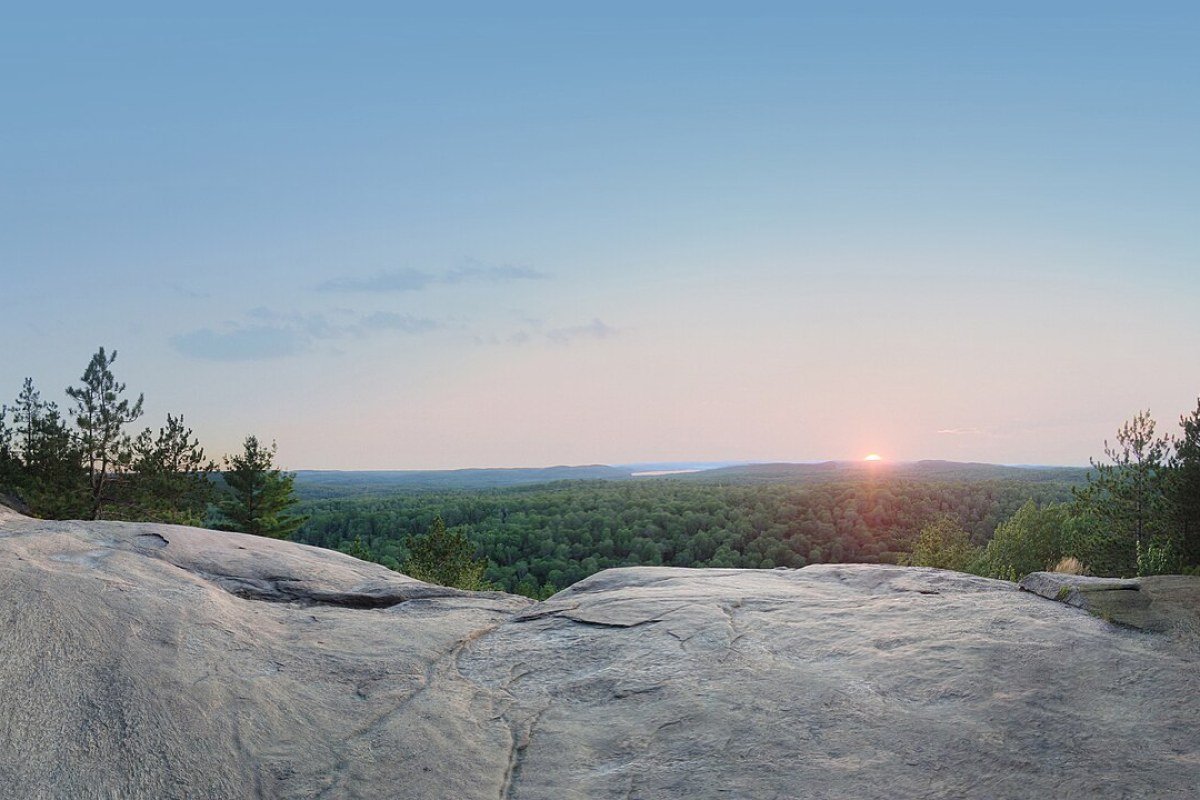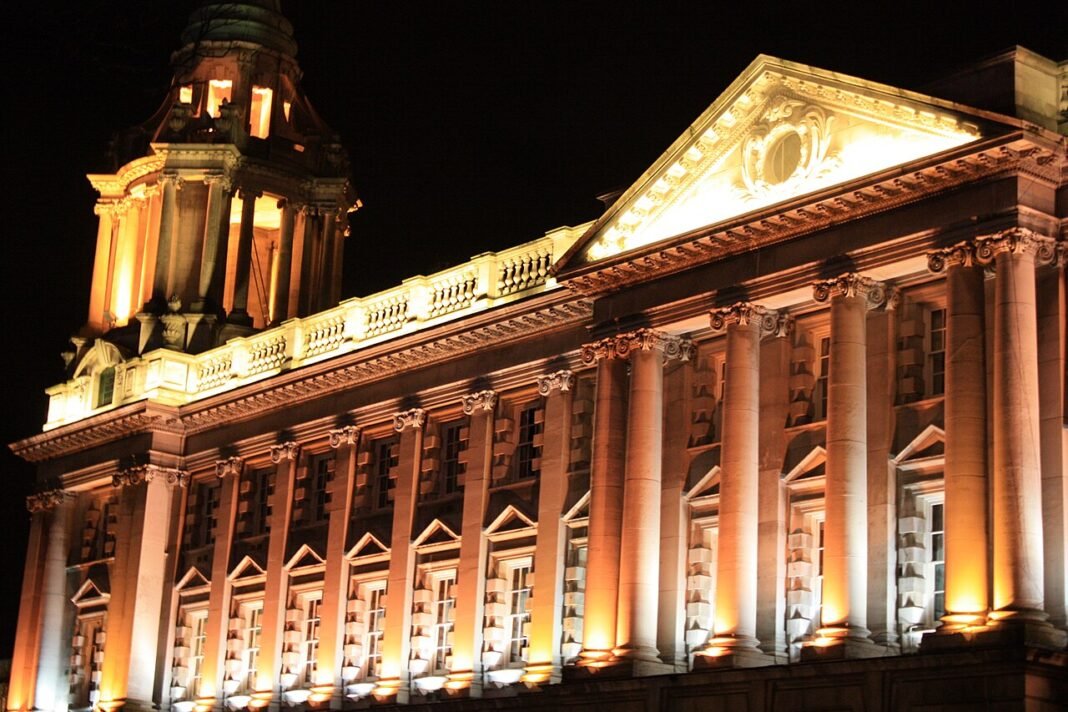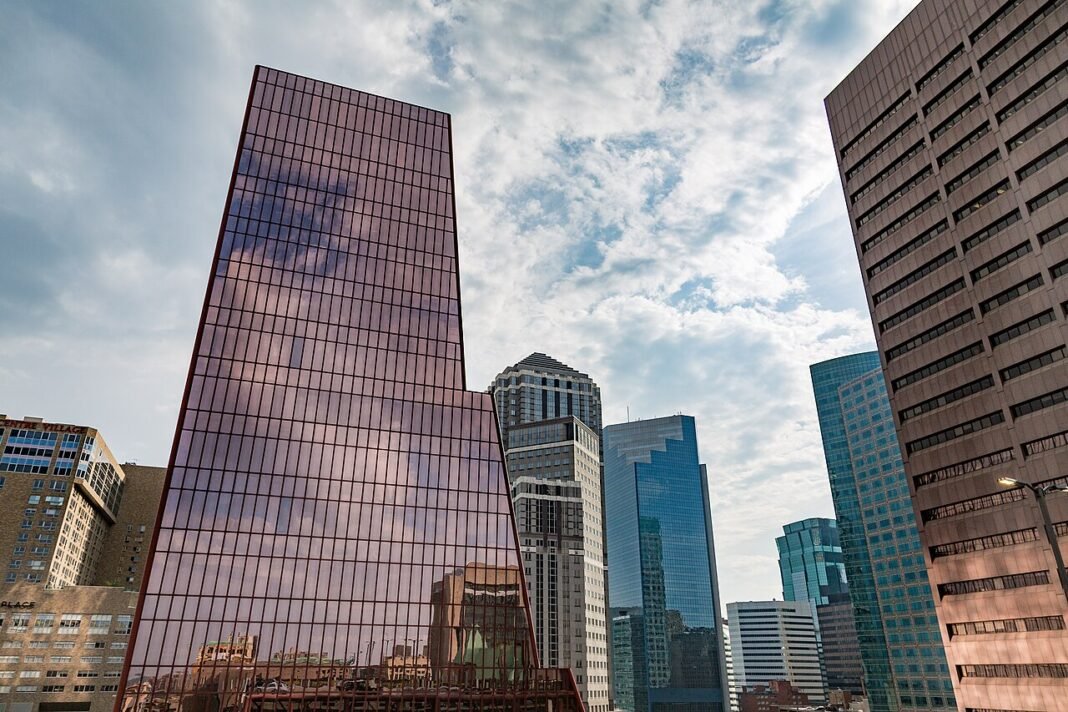
Minnesota rewards visitors who understand its specific character — a place where Scandinavian immigrant culture produced one of the highest literacy rates and most civic-minded populations in the country, where the Twin Cities of Minneapolis and St. Paul built arts and food scenes of genuine national standing, and where the wilderness of the Boundary Waters Canoe Area and the rugged North Shore of Lake Superior deliver outdoor experiences that rival anything in the Rocky Mountain West for travelers who prefer the intimacy of canoe country to the spectacle of mountain peaks. The state’s famous 10,000 lakes (actually 11,842 lakes of 10 acres or larger, by the Minnesota DNR’s official count), its long winter tradition of ice fishing and cross-country skiing, and the particular quality of summer light in the northern lake country — that golden evening light reflected on still water that defines a Minnesota summer — make it a place whose character is expressed through its natural environment as much as its cities.

Minneapolis: Arts Capital of the Midwest
Minneapolis carries a cultural weight that surprises visitors expecting a minor-league Midwestern city. The Minneapolis Institute of Art (Mia), one of the largest art museums in the country with a collection of more than 90,000 objects spanning 5,000 years, houses an exceptional Asian art collection, a deep decorative arts holding that traces European furniture and design from medieval to modern, and a contemporary American collection that mirrors the Twin Cities’ active arts scene. Admission to the permanent collection is free — among the most generous art-access policies of any major American museum.
The Walker Art Center, the city’s contemporary art museum, ranks among the country’s leading contemporary institutions. The adjacent Sculpture Garden — with its Spoonbridge and Cherry fountain (the most reproduced image in Minnesota tourism), 40 outdoor sculptures, and its setting beside Loring Park — draws more outdoor-art visitors than anywhere else in the region. The Walker’s programming, spanning film, performance, design exhibitions, and its Living Collections of contemporary works, reflects a curatorial ambition well beyond most American contemporary art museums of comparable size.
The music scene that produced Prince (who recorded at Paisley Park in suburban Chanhassen until his death in 2016) and Bob Dylan (Duluth-born, Hibbing-raised, and still claiming the Iron Range as his origin) lives on at the First Avenue club on Seventh Street downtown — the venue where Prince filmed Purple Rain and where the Twin Cities’ independent music scene has centered since 1970. The Dakota Jazz Club downtown, the Cedar Cultural Center in the Cedar-Riverside neighborhood (home to the country’s largest Somali-American community), and hundreds of smaller stages across the Twin Cities sustain a live-music culture as active as any city this size in the country.
.jpg?width=1280)
Boundary Waters Canoe Area Wilderness
The Boundary Waters Canoe Area Wilderness (BWCAW) is the most visited wilderness area in the United States — more than a million acres of boreal forest, granite ridges, and interconnected lakes along the Minnesota-Ontario border, reachable only by paddle and portage. The BWCAW’s permit system, required for all overnight entry, manages access to preserve the solitude that makes canoe country what it is: paddling through chains of lakes joined by short portages, camping on designated sites with fire rings and latrines but no other infrastructure, and navigating by map and compass through a landscape where the border with Ontario is marked only by international cairns on certain portage trails. The trip asks for paddling competence and wilderness camping skills, and returns a silence and completeness of immersion that few other accessible American wilderness areas can match.
The entry points cluster around the towns of Ely and Grand Marais, where outfitters have been kitting out canoe trippers for a century. Canoe and gear rental is available from multiple outfitters at each entry point, and guided trips serve parties without wilderness experience. Popular routes run five to seven days through the central BWCAW lake chains; Quetico Provincial Park in Ontario, accessible from Minnesota entry points, adds further canoe country with even lower use levels and no permit requirement for day travel. The BWCAW is a summer pursuit (ice-out typically arrives in early May, freeze-up in late October or November), and the June-through-August peak requires permits reserved months in advance through Recreation.gov.
The North Shore: Lake Superior’s Minnesota Coast
Minnesota’s North Shore — the 150-mile stretch of US Highway 61 from Duluth to the Canadian border at Grand Portage — ranks among the great drives of the Midwest, a two-lane road running between the rocky hills of the Sawtooth Mountains and the cold, clear horizon of Lake Superior. It threads a sequence of small communities (Two Harbors, Silver Bay, Tofte, Grand Marais) that serve as base camps for waterfalls, state parks, and the Gunflint Trail’s entry into the BWCAW. Split Rock Lighthouse, completed in 1910 atop a 130-foot cliff after the Mataafa Storm of 1905 wrecked dozens of Lake Superior freighters, is the Shore’s signature landmark, now preserved by the Minnesota Historical Society. Judge C.R. Magney State Park holds the Devil’s Kettle on the Brule River, where one channel drops into a pothole that long appeared bottomless; state hydrologists settled the riddle in 2017 by gauging flow above and below the falls — the water simply resurfaces in the river a short distance downstream. Gooseberry Falls State Park, nearest Two Harbors, offers the easiest waterfall hiking on the Shore, while Tettegouche State Park, built around the Baptism River gorge and its High Falls (the tallest waterfall entirely within Minnesota), is the most dramatic park along the coast.
Grand Marais, at the northern end of the North Shore’s developed corridor, is a town of about 1,300 that functions as the cultural anchor of the Shore — a cluster of galleries, restaurants, the North House Folk School (which teaches traditional Nordic crafts from boat building to weaving), and Superior Hiking Trail access that make it a destination rather than a pass-through. The Artists’ Point breakwater at the edge of the harbor, with its lighthouse and the view back toward the Sawtooth Mountains, is the quintessential North Shore scene.
Duluth: The Unexpected City
Few cities in the country are sited as dramatically as Duluth — about 88,000 residents climbing the hillside above Lake Superior’s western tip, with the aerial lift bridge connecting the city to Park Point (the world’s longest freshwater sandbar, seven miles long), the ore docks where taconite pellets from the Iron Range are loaded into Great Lakes freighters, and the Canal Park district where freighter traffic passes close enough to touch from the bridge. The Great Lakes Aquarium (one of the few US aquariums focused predominantly on freshwater habitats, built around the Great Lakes basin), the Lake Superior Railroad Museum (with its locomotives and railroad artifacts from Duluth’s role as the Iron Range’s shipping terminus), and the Canal Park breweries and restaurants have turned Duluth into a stop worth a night or two rather than a quick pass on the way to the North Shore. The Superior Hiking Trail, running 310 miles along the ridgeline above Lake Superior, has its southern reaches in Duluth, making the city a gateway to one of the region’s finest backpacking routes.
The Iron Range and Mining Heritage
The Iron Range — the arc of taconite-producing communities from Hibbing to Virginia in northeastern Minnesota — offers a cultural-tourism experience with few parallels in the upper Midwest. Hibbing’s Greyhound Bus Museum (the company was founded here), the Hull-Rust-Mahoning open pit mine overlook (one of the largest open pit iron mines in the world, near the Bob Dylan childhood-home neighborhood), and Soudan Underground Mine State Park (where visitors descend 2,341 feet underground in the original mine cage to take in the Iron Range’s geological and human history) sketch a portrait of extractive-industry heritage that is increasingly rare in American tourism. Bob Dylan’s childhood home in Hibbing, his early venues in Minneapolis, and the Zimmerman/Dylan geography of northern Minnesota have created a pilgrimage tourism that draws visitors from around the world to trace the landscape that shaped one of the most significant American cultural figures of the 20th century.
Frequently Asked Questions
What makes Minneapolis stand out as an arts and cultural destination?
Minneapolis carries a cultural weight that surprises visitors expecting a minor-league Midwestern city. The Minneapolis Institute of Art (Mia), with a collection of more than 90,000 objects spanning 5,000 years, houses an exceptional Asian art collection and a wide-ranging survey of American painting — and admission to the permanent collection is free. The Walker Art Center ranks among the country’s leading contemporary art institutions; its adjacent Sculpture Garden, with the Spoonbridge and Cherry fountain and 40 outdoor sculptures, draws more outdoor-art visitors than anywhere else in the region. The First Avenue club on Seventh Street downtown — where Prince filmed Purple Rain and where the Twin Cities’ independent music scene has centered since 1970 — is the living monument to a music legacy that includes both Prince and Bob Dylan. The Guthrie Theater, founded in 1963 as one of the first major regional theaters in the country, anchors a deep performing-arts tradition.
What is the Boundary Waters Canoe Area Wilderness?
The Boundary Waters Canoe Area Wilderness (BWCAW) is the most visited wilderness area in the United States — more than a million acres of boreal forest, granite ridges, and interconnected lakes along the Minnesota-Ontario border, reachable only by paddle and portage. The permit system, required for all overnight entry, manages roughly 250,000 visitor-days annually to preserve solitude in a wilderness within a day’s drive of most of Minnesota’s 5.8 million residents. Quota permits for the May 1–September 30 season are reserved through Recreation.gov, with the full season released at 9 a.m. Central on the last Wednesday of January and popular weekends booking months ahead. The classic trip runs five to seven days through lake chains connected by portages, camping on rock outcroppings above the water and fishing for walleye and smallmouth bass in motor-free lakes. The entry-point communities of Ely and Grand Marais provide complete outfitting for all experience levels, and the neighboring Quetico Provincial Park in Ontario adds further wilderness with even lower use levels — together the largest freshwater canoe wilderness in the world.
What makes Minnesota’s North Shore one of the great drives in the Midwest?
Minnesota’s North Shore — the 150-mile stretch of US Highway 61 from Duluth to the Canadian border at Grand Portage — runs between the rocky Sawtooth Mountains and the cold horizon of Lake Superior. The road passes through a sequence of small communities (Two Harbors, Silver Bay, Tofte, Grand Marais) that open onto waterfalls, state parks, and the Gunflint Trail’s entry into the BWCAW. Split Rock Lighthouse, completed in 1910 after the Mataafa Storm of 1905, is the Shore’s signature landmark. Judge C.R. Magney State Park holds the Devil’s Kettle, where one channel of the Brule River drops into a pothole; in 2017 state hydrologists measured flow above and below the falls and confirmed the water simply resurfaces downstream. Gooseberry Falls State Park offers the most accessible North Shore waterfall hiking, while Tettegouche State Park, with the High Falls of the Baptism River (the tallest waterfall entirely within Minnesota), is the most dramatic park along the coast. Grand Marais, at the northern end, serves as the Shore’s cultural anchor, with galleries, restaurants, the North House Folk School, and Superior Hiking Trail access.
What makes Duluth one of the most distinctive cities in the Midwest?
Duluth is among the most dramatically situated cities in the Midwest — about 88,000 residents climbing the hillside above Lake Superior’s western tip, with the aerial lift bridge connecting the city to Park Point (the world’s longest freshwater sandbar), ore docks loading taconite pellets into Great Lakes freighters, and Canal Park where freighter traffic passes close enough to touch from the bridge. The Great Lakes Aquarium is one of the few US aquariums focused predominantly on freshwater habitats, built around the Great Lakes basin. The Lake Superior Railroad Museum houses locomotives and railroad artifacts from Duluth’s role as the Iron Range’s shipping terminus. The Canal Park breweries and restaurants have made Duluth a stop worth a night or two rather than a quick pass on the way to the North Shore. The Superior Hiking Trail, running 310 miles along the ridgeline above Lake Superior, has its southern reaches in Duluth, making the city a gateway to one of the region’s finest backpacking routes.
What is the Bob Dylan and Iron Range cultural heritage of Minnesota?
The Iron Range — the arc of taconite-producing communities from Hibbing to Virginia in northeastern Minnesota — is the birthplace of Bob Dylan (born Robert Allen Zimmerman in Duluth in 1941, raised in Hibbing) and one of the most culturally distinctive regions in the Midwest. Hibbing’s Bob Dylan childhood home and the streets where he grew up have become pilgrimage sites for music travelers from around the world. The Greyhound Bus Museum in Hibbing (the company was founded here) and the Hull-Rust-Mahoning open pit mine overlook — one of the largest open pit iron mines in the world — provide industrial-heritage context for the landscape that shaped Dylan’s early years. Soudan Underground Mine State Park lets visitors descend 2,341 feet underground in the original mine cage. The connection between the Iron Range’s blue-collar immigrant community, the folk-music tradition, and Dylan’s emergence as a defining American cultural figure of the 20th century gives this region a cultural depth out of proportion to its population.