Outdoor Activities in Utah 2026: Ski the Greatest Snow, Hike the Red Rock
Utah’s outdoor recreation is defined by the extraordinary contrast between its northern and southern halves — the Wasatch Range’s world-class ski terrain (500+ inches of annual snowfall in the best years, the light champagne powder that Utah licenses as “the Greatest Snow on Earth”) and the Colorado Plateau’s red rock canyon country that contains five national parks and some of the most dramatic desert landscape on Earth. For residents of the Wasatch Front cities, both extremes are accessible within hours — skiing at world-class resorts in the morning and driving toward red rock canyon country in the afternoon is a lifestyle reality that defines Utah’s outdoor character. No state in the country offers this combination of alpine and desert recreation in such close proximity to its major population centers.
Wasatch Range Skiing: The Greatest Snow on Earth
Utah’s ski terrain is concentrated along the Wasatch Range east of Salt Lake City, with the major resorts organized into three geographic clusters:
Little Cottonwood Canyon holds Alta Ski Area (skiers-only; legendary powder skiing; average 500+ inches annually; expert terrain emphasis and some of the most demanding terrain in the American ski industry) and Snowbird (snowboarders welcome; 3,240 vertical feet — the largest in Utah; frequent 100-inch powder year totals and an aerial tram to the 11,000-foot summit). Big Cottonwood Canyon has Brighton (family-friendly; excellent terrain parks; one of the most affordable Utah season passes) and Solitude (less crowded than the Cottonwood neighbors; excellent intermediate terrain; a Nordic center connecting to the ridgeline). Park City area encompasses Park City Mountain (7,300 combined acres with Canyons; on the Ikon Pass; diverse terrain for all abilities) and Deer Valley (skiers-only; the finest grooming and service standards in North American skiing; the resort experience of choice for those who prioritize comfort alongside terrain quality).
Zion National Park: Angels Landing and The Narrows
Zion’s two signature hikes represent opposite experiences of the park’s extraordinary landscape. Angels Landing (5.4 miles RT, 1,488-foot elevation gain) ascends to a narrow fin of rock with sheer 1,000-foot drops on both sides — the final half-mile requires chains bolted into the rock and a permit (lottery system through Recreation.gov) to manage crowds. The reward is a summit view of the main Zion Canyon that ranks among the finest in the national park system. The Narrows (bottom-up approach, up to 9.4 miles RT) follows the Virgin River through a slot canyon where the river IS the trail — ankle-to-thigh-deep wading through cold water between walls that narrow to 20 feet while rising 2,000 feet overhead. The experience of standing in the narrowest section, with barely enough sky visible to cast light, is genuinely unlike anything else in North America.
Arches National Park: Stone Windows on the Desert
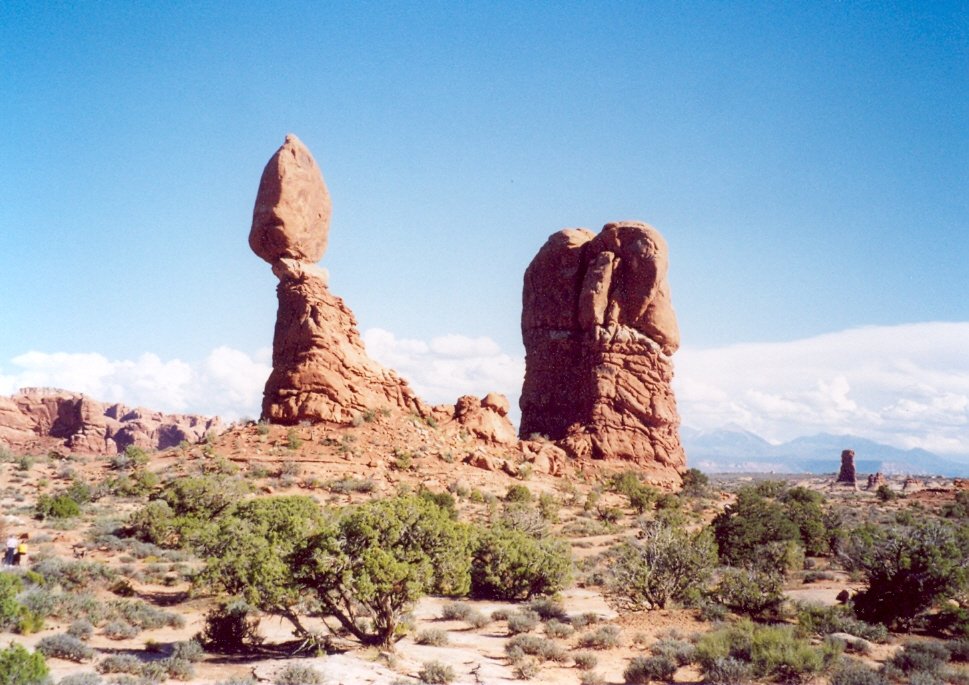
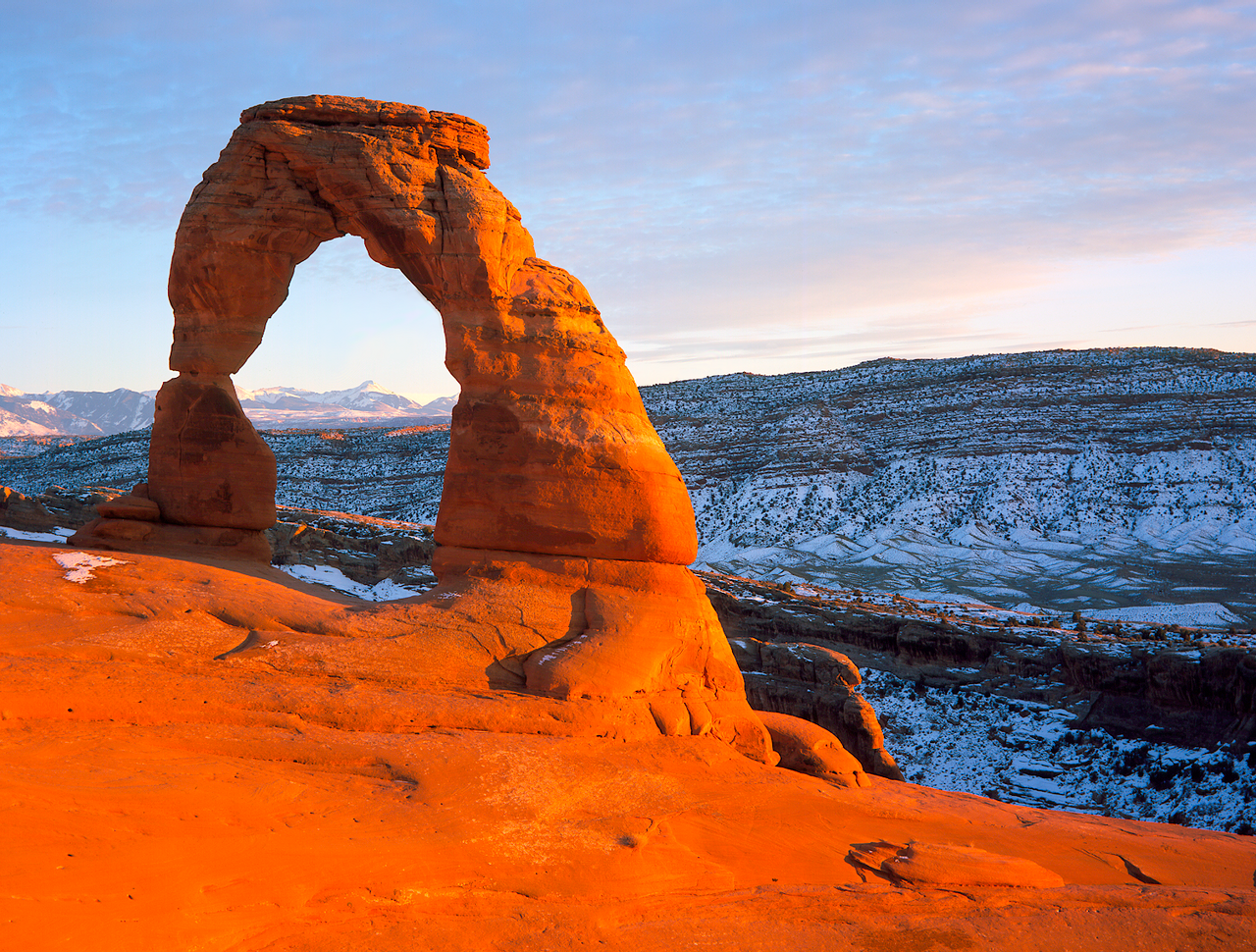
Arches contains more than 2,000 cataloged natural sandstone arches — the highest concentration in the world — ranging from small weathered holes in fins to massive freestanding structures. Delicate Arch (3 miles RT, moderate) is the iconic image on Utah’s license plates — a 65-foot freestanding arch at the rim of a slickrock bowl with views over the La Sal Mountains. The hike is deceptively exposed and sun-drenched; bring twice the water you think you need. Landscape Arch (the world’s longest natural arch at 290 feet, accessible via the Devils Garden trail, 1.6 miles RT) is equally spectacular. Timed entry reservations are required April through October — book 3–6 months in advance through Recreation.gov. Early morning entry (before 8am) or evening entry (after 4pm) often avoids the worst summer heat and crowds.
Canyonlands: The Wilderness Park
Canyonlands National Park is Utah’s largest and most wild — 337,598 acres divided by the Colorado and Green Rivers into three separate districts accessible only by different roads. Island in the Sky (the most accessible district, 32 miles from Moab) provides drive-up mesa top viewpoints 1,000 feet above the canyon floor with panoramas of the entire Colorado Plateau — Grand View Point overlooks a 100-mile sweep of canyon country that leaves most visitors speechless. The Needles district (75 miles from Moab) provides the best multi-day backpacking terrain in Utah — multi-day routes through the red and white banded sandstone spires require advance planning and backcountry permits but deliver solitude impossible in the more-visited parks.
Mountain Biking: Moab’s Legendary Trails
The Slickrock Trail near Moab is the most famous mountain bike trail in the world — a 10.5-mile loop on bare sandstone, marked with painted white dots, where the tire-gripping texture of the rock allows riding on grades that seem impossible on standard terrain. The trail’s combination of technical challenge and otherworldly desert scenery has made Moab the global mountain biking pilgrimage destination it has become. The surrounding canyon country provides hundreds of miles of additional trail for riders of all levels: the beginner-friendly Bar M Loop (8 miles, mostly flat through canyon country), the intermediate Klondike Bluffs trail (accessible dinosaur tracks included), and the technically demanding Whole Enchilada descent (26-mile point-to-point from La Sal Mountains to town, 7,000 feet of descending).
Hiking Beyond the National Parks
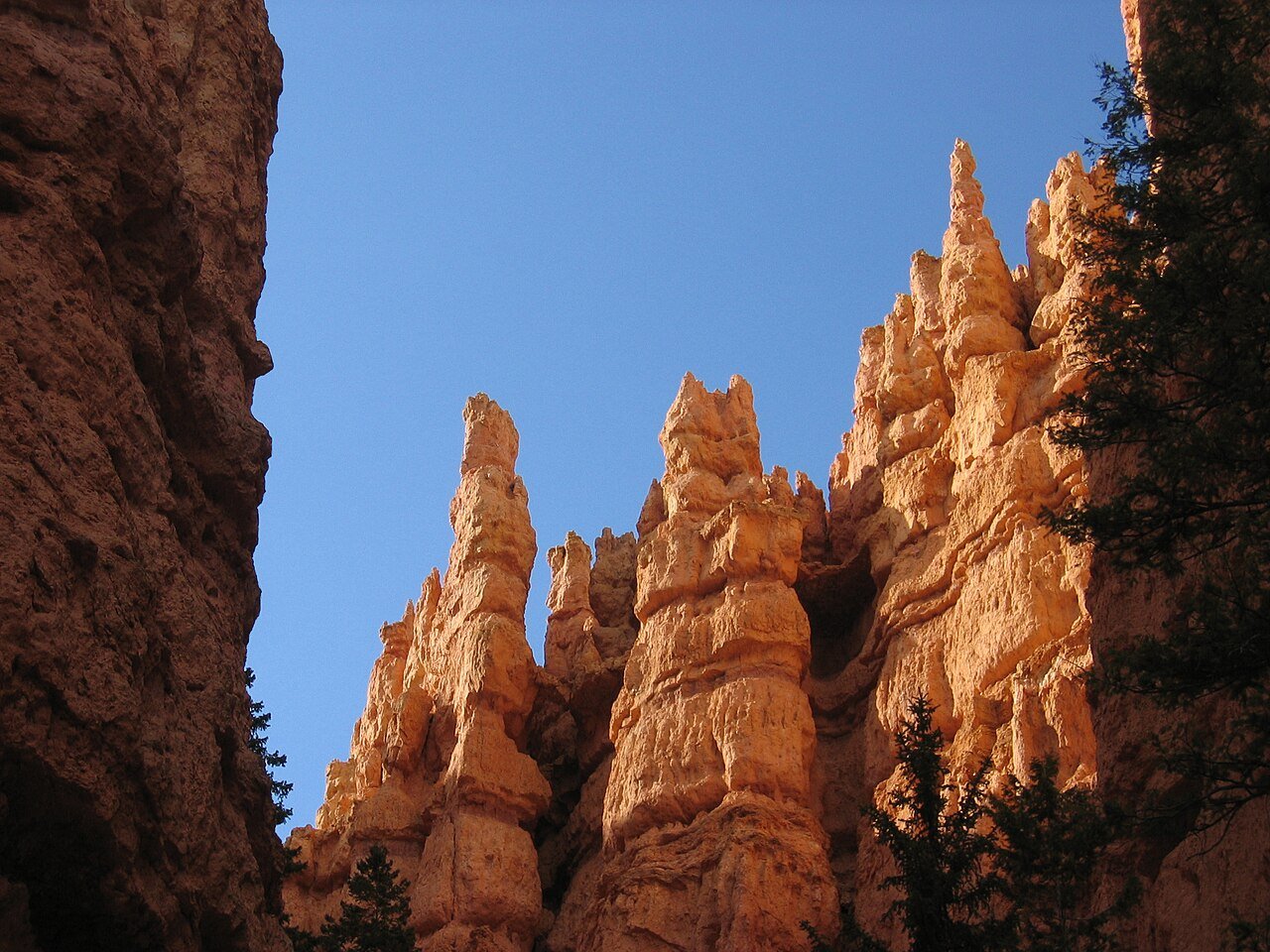
Utah’s outdoor opportunities extend well beyond the Mighty Five. Snow Canyon State Park near St. George provides red rock canyon hiking, lava tube exploration, and sand dunes at a fraction of the national park crowds. Goblin Valley State Park (between Capitol Reef and Moab) protects a valley of mushroom-shaped sandstone hoodoos that children and adults find endlessly fascinating. The Grand Staircase-Escalante National Monument (1.9 million acres) provides the most remote and wild hiking in the continental US — multi-day slot canyon routes (Coyote Gulch, Buckskin Gulch, The Wave in neighboring Arizona) that require permits, navigation skills, and genuine wilderness readiness. Utah’s 44 state parks collectively encompass extraordinary diversity, from the crimson cliffs of Red Fleet Reservoir to the ancient rock art of Nine Mile Canyon.