
Outdoor Activities in Missouri 2026: Ozark Rivers, Trails, and the Great Rivers
Missouri’s outdoor recreation is defined by its rivers — the Missouri, the Mississippi, the Meramec, the Gasconade, the Niangua, the Current, and the Jacks Fork, among dozens of others that drain the Ozark Plateau and the surrounding plains into the great river systems of the continent’s heartland. The Ozark Highland, that ancient plateau of chert-embedded limestone carved by thousands of springs into the state’s most distinctive landscape, provides the setting for Missouri’s best outdoor experiences: the spring-fed canoe rivers of the Ozark National Scenic Riverways, the trail systems of the Mark Twain National Forest, the shut-ins and waterfalls of the St. Francois Mountains, and the cave systems that honeycomb the Ozark limestone. Missouri’s outdoor culture is accessible and welcoming to beginners in ways that the dramatic landscapes of western states are not — the flat-water character of the Ozark rivers makes paddling accessible to families and beginners, and the trail systems of the state parks are well-maintained and clearly marked.
Ozark National Scenic Riverways: Missouri’s Crown Jewel
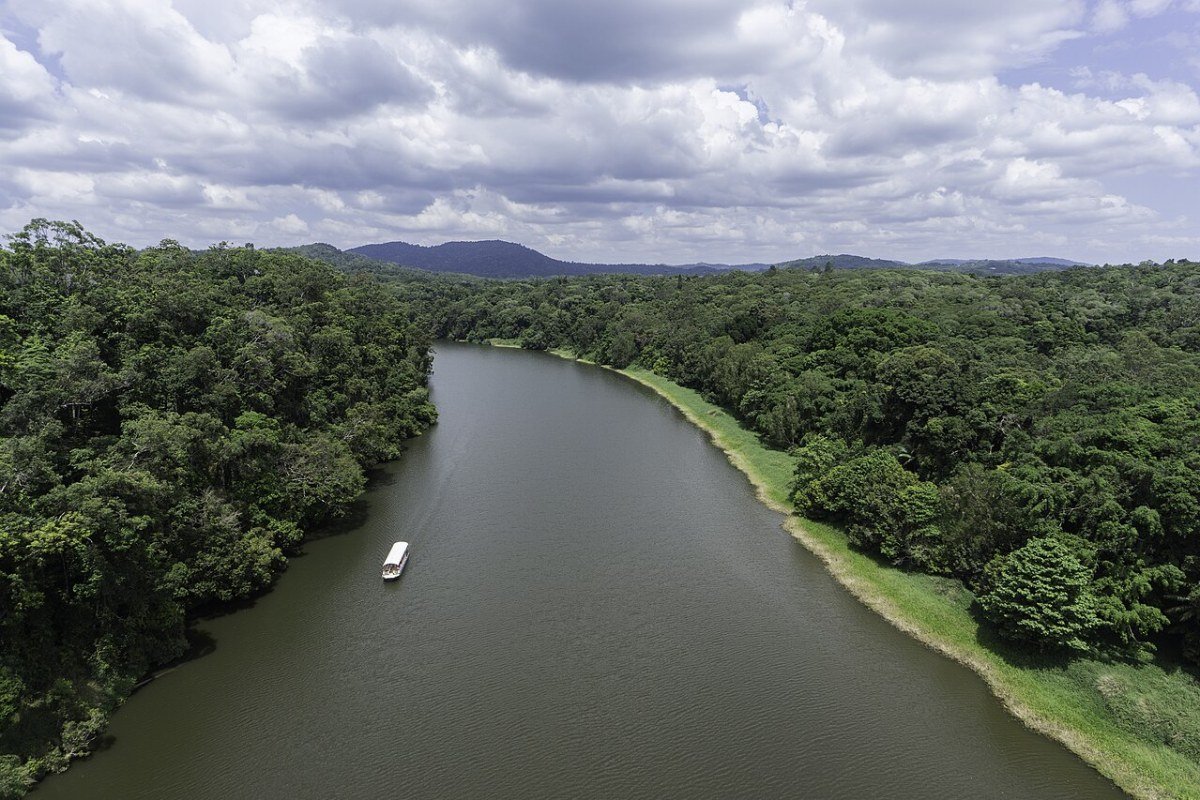
The Ozark National Scenic Riverways, protecting 134 miles of the Current and Jacks Fork Rivers in southeastern Missouri, is the most significant paddling destination in the Midwest and one of the finest in the country — spring-fed rivers that remain at 58–64°F year-round, run gin-clear over sand and gravel bars, and flow through forested Ozark hills without a single dam on their protected lengths. The Current River’s character changes from its upper reaches near Salem (shallow, fast-flowing through gravel riffles) to the lower reaches approaching Doniphan (wider, deeper, with the big springs emerging from the bluffs in spectacular fashion). Big Spring, near Van Buren, is the largest spring in Missouri and one of the largest in the country — a pool of turquoise water flowing 286 million gallons daily from an underground karst system that has been collecting water across a vast Ozark catchment area.
Multi-day canoe trips on the Current River are the defining Missouri outdoor experience for residents of both St. Louis and Kansas City — a 2–5 day float trip through the National Scenic Riverways, camping on the gravel bars that appear as the river’s level recedes after rainfall, provides a combination of accessible paddling (no technical whitewater, just the steady current of a healthy river) and genuine wilderness immersion within 2–3 hours of either major city. Jack’s Fork River, joining the Current at Two Rivers, provides a tributary paddling experience that is slightly more demanding (more riffles, narrower channel) and consistently rated among the most beautiful rivers in Missouri.
Meramec and Gasconade Rivers: St. Louis’s Backyard
The Meramec River, flowing west through the Mark Twain National Forest before joining the Mississippi south of St. Louis, is the metropolitan St. Louis canoe river — accessible from multiple put-in points within 45–60 minutes of downtown, offering 1–3 day paddling through wooded Ozark hills with small rapids, clear water (the upper Meramec in Gasconade County runs particularly clear), and the cave system access that the Ozark limestone provides. Meramec State Park, near Sullivan, preserves 30 miles of the upper Meramec and includes Fisher Cave (one of Missouri’s most accessible show caves) and a trail system of 30+ miles through the Ozark hills above the river.
The Gasconade River, joining the Missouri River in Gasconade County, is one of Missouri’s longest undammed rivers — a gentle Ozark stream with consistent character from its headwaters near Hartville to its mouth, passing through a mostly rural and forested corridor that sees far less traffic than the Meramec or the Current. The Gasconade’s relative obscurity makes it the preferred destination for experienced Missouri paddlers who want solitude — multi-day trips of 3–7 days through the lower Gasconade’s most pristine sections provide a wilderness experience that the more-visited rivers can’t match on peak summer weekends.

Hiking: Mark Twain National Forest and Taum Sauk
Missouri’s highest point is Taum Sauk Mountain (1,772 feet) in the St. Francois Mountains of the southeast Ozarks — a region of Precambrian rhyolite and granite that represents some of the oldest exposed rock in the continental interior and creates the state’s most dramatic topography. The Taum Sauk section of the Ozark Trail provides the best ridge-top hiking in Missouri, with views across the forested Ozark plateau from the summit and the descent to Mina Sauk Falls (the largest waterfall in Missouri, a multi-tiered 132-foot cascade over rhyolite ledges accessible by a 3-mile round trip from the Taum Sauk parking area).
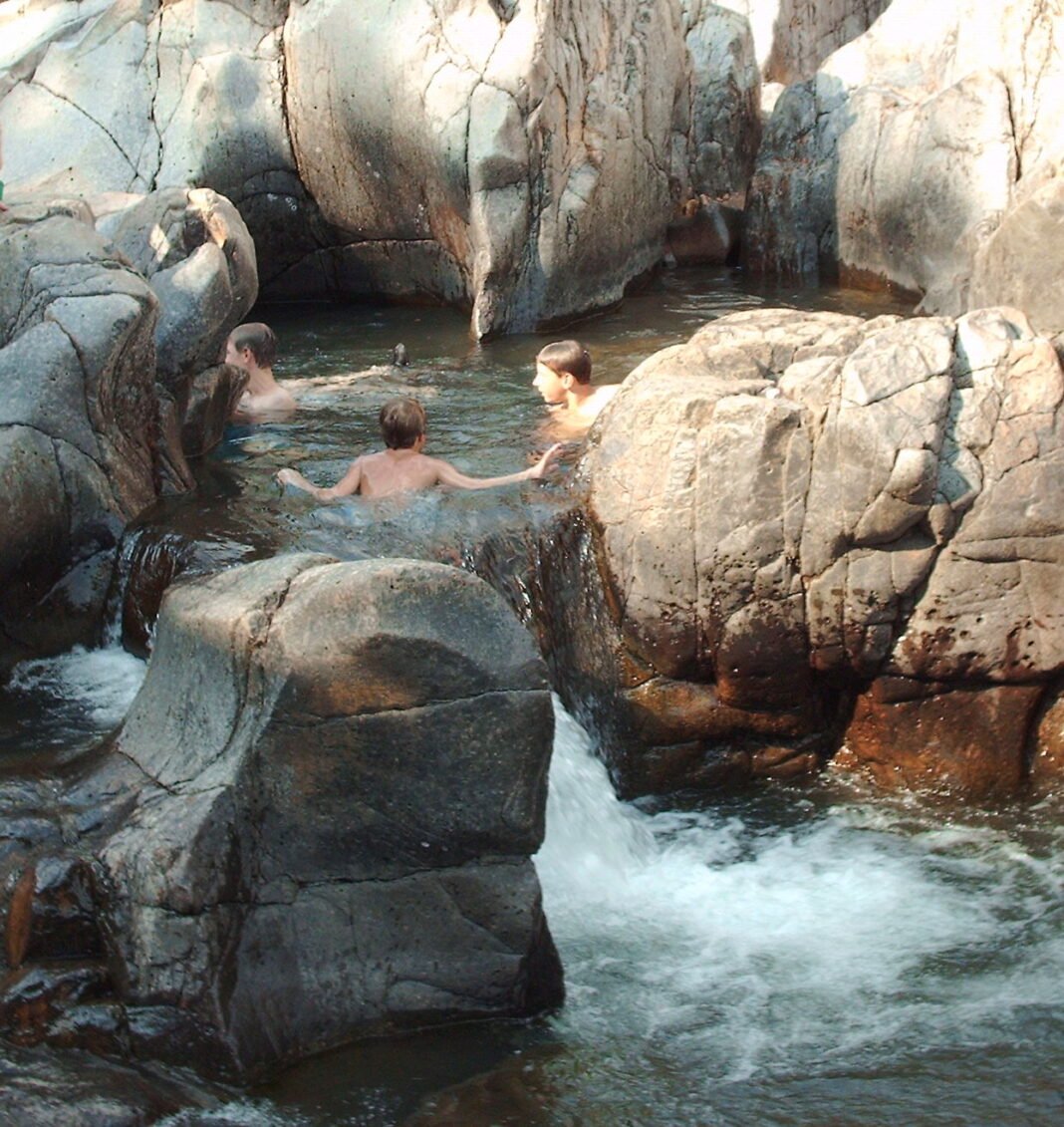
Johnson’s Shut-Ins State Park, 4 miles from Taum Sauk, is Missouri’s most popular state park — a geological spectacle where the East Fork Black River cuts through massive rhyolite boulders, creating a series of natural water slides and swimming holes (the “shut-ins” — where the river is “shut in” between the igneous rock walls) that draw tens of thousands of visitors on summer weekends. The park’s trail system connects to the Taum Sauk trail network for multi-day hiking through the St. Francois Mountains’ most scenic terrain.
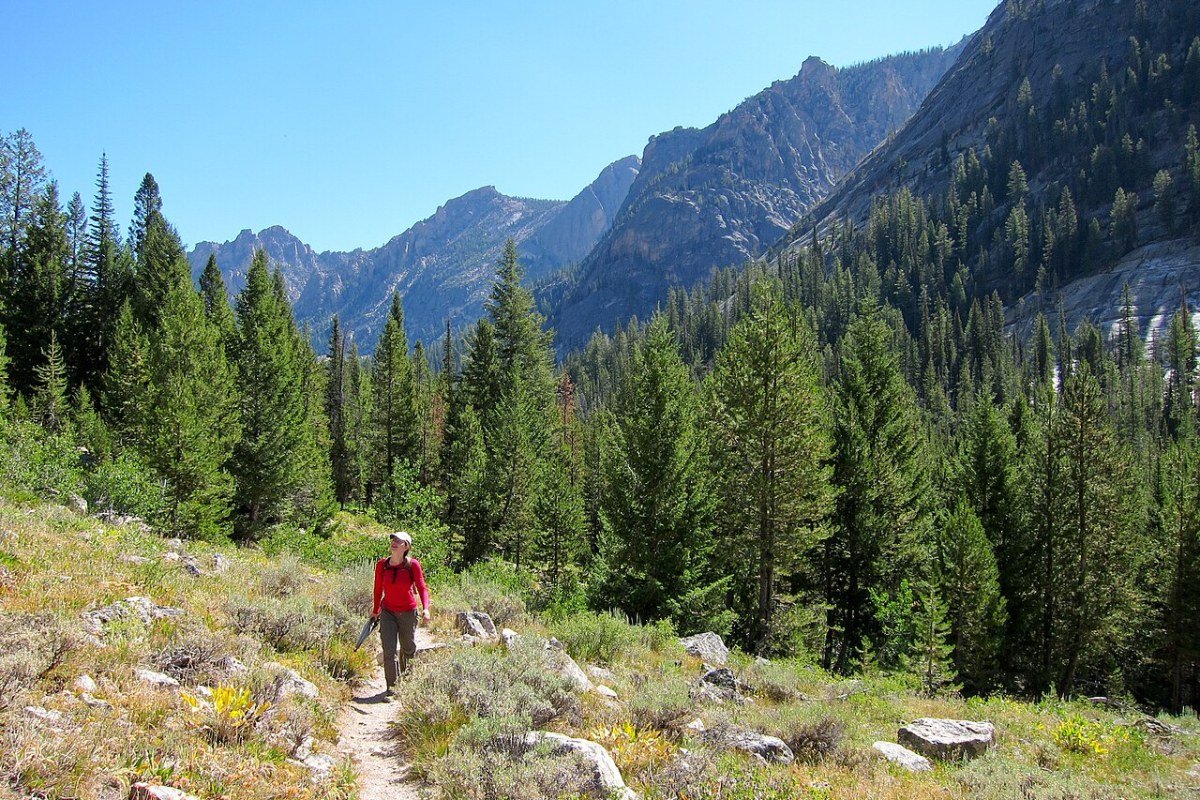
The Mark Twain National Forest encompasses 1.5 million acres across nine units in southern Missouri — the largest national forest in the Midwest — with trail systems including the 350-mile Ozark Trail (a long-distance hiking trail that will eventually run from St. Louis to the Arkansas border) and shorter trail systems at the Eleven Point National Scenic River area and the Hercules Glades Wilderness in the southwestern Ozarks. The Wilderness areas within the Mark Twain — including the Hercules Glades and Paddy Creek Wilderness — provide the most remote backpacking experiences available in Missouri.
Cave Country
Missouri is known as the “Cave State” for good reason — the Ozark limestone has been dissolved by groundwater into an extraordinary system of caves that includes more than 6,400 recorded caves, including several of the most significant show caves in the country. Meramec Caverns near Stanton (claimed by some to have been a Jesse James hideout, a claim the caverns have marketed enthusiastically if not always accurately) is Missouri’s most visited cave; Onondaga Cave in Meramec State Park is Missouri’s most geologically significant; and Marvel Cave beneath Silver Dollar City at Branson is among the largest cave systems accessible by show cave tour. For cavers who want to go beyond the show cave experience, the Missouri Speleological Survey coordinates access to wild caving throughout the Ozarks — the state’s cave system is extensive enough to sustain a significant caving community with constant new exploration.
Urban Outdoor Recreation
Forest Park in St. Louis — 1,371 acres of park, lakes, and trails in the center of the city — provides the finest urban outdoor recreation in Missouri and one of the finest in the country. The park’s 12.4-mile perimeter trail, the Grand Basin boating, the cross-country skiing on the golf courses in winter, and the running and cycling paths through the park’s varied terrain provide year-round outdoor access without leaving the city. The Missouri Botanical Garden, adjacent to the park, provides 79 acres of curated landscape including the Climatron (the first fully climate-controlled geodesic dome greenhouse in the world) and seasonal garden events. Kansas City’s Swope Park (1,769 acres in the southeastern metro) and the Blue River Parkway trail system provide comparable urban natural access for Kansas City residents.