
Outdoor Activities in Oregon 2026: Cascades, Coast, and High Desert
Oregon’s outdoor recreation is among the most geographically varied of any state in the American West — the state’s 300-mile east-west span crosses coastal rainforest, the Willamette Valley’s agricultural landscape, the Cascade Range’s volcanic peaks and alpine wilderness, and the high desert of the Columbia Plateau and Oregon Outback, creating outdoor environments as different from each other as separate regions of the country. For Portland residents in particular, the proximity of mountain, coast, river gorge, and wine country within day-trip distance creates a recreation geography that is genuinely exceptional. The state’s 254 state parks, 13 national forests, and 2 national parks (Crater Lake and the Oregon Dunes) provide trail infrastructure and campground access at a density that rewards year-round outdoor engagement.
Mount Hood: Year-Round Skiing and Alpine Access
Mount Hood, at 11,249 feet the highest peak in Oregon, provides the most accessible glacier-clad volcanic recreation in the country — Timberline Lodge, one of the finest examples of WPA-era craftsmanship in the United States, provides lodging and skiing at elevations above 8,000 feet, and the Palmer Snowfield above Timberline provides summer ski training that makes Mount Hood one of the few places in the world where skiers can train on snow in July. The mountain’s ring of trails includes the Timberline Trail, a 40-mile circumnavigation that passes through alpine meadows, glacier outwash streams, and old-growth forest. Key day-hike destinations include Mirror Lake (2.8 miles RT, views of the south face), Ramona Falls (7.1 miles RT, a spectacular columnar basalt waterfall on the Sandy River), and the summit crater rim via the South Side Route (accessible to non-technical climbers with crampons and ice axe from late April through July).
Oregon Coast: Beaches, Headlands, and Storm Watching
Oregon’s coast provides a four-season outdoor experience unlike any other Pacific coast — the summer season brings beach weather that draws crowds to Cannon Beach, Lincoln City, and Newport; the winter storm season (November through March) brings Pacific swells and atmospheric drama that draws visitors to the headland viewpoints and driftwood-strewn beaches. Cape Perpetua, jutting into the Pacific south of Waldport, provides the finest coastal viewpoints in Oregon from its 800-foot headland — the Thor’s Well sea cave, the spouting horn, and the tidal pools of the Marine Garden provide natural spectacle at any tide. The Oswald West State Park protects a wilderness coastal headland north of Cannon Beach where old-growth Sitka spruce forest meets a secluded surf beach accessible only by trail. The Oregon Dunes National Recreation Area, between Florence and Coos Bay, contains North America’s largest coastal sand dune system — open-sand terrain reaching 500 feet high that supports dune buggy recreation, hiking, and wildlife observation.
Bend’s Outdoor Hub: Three Sisters, Newberry, and Deschutes River
Bend’s position at the foot of the Cascades provides year-round outdoor access of extraordinary variety — the Three Sisters Wilderness (three adjacent volcanic peaks above 10,000 feet, surrounded by alpine lakes, lava fields, and old-growth forest) is accessible from trailheads 30 minutes from downtown. Newberry National Volcanic Monument (the largest shield volcano in the contiguous United States, with obsidian fields, lava tube caves, and the twin alpine lakes of Newberry Caldera) is 20 minutes south of the city. The Deschutes River, flowing through Bend’s downtown in a basalt canyon, provides Class III whitewater kayaking, fly fishing for brown and rainbow trout, and stand-up paddleboarding in the calmer sections. Mount Bachelor, 22 miles west of downtown, provides one of the most reliable snow seasons of any Cascade ski area, with typical operations from November through May and occasional summer skiing on upper lifts.
Crater Lake: Hiking the Rim
Crater Lake National Park’s outdoor recreation extends beyond the famous overlook views to include some of the finest high-country hiking in Oregon. The Garfield Peak Trail (3.4 miles RT, 1,000-foot gain) climbs to one of the finest views of the caldera from a high point on the eastern rim. The Mount Scott Trail (4.4 miles RT, 1,250-foot gain) climbs to the park’s highest point at 8,929 feet, with views extending to Mount Shasta on clear days. The Cleetwood Cove Trail (2.2 miles RT, 700-foot descent) is the only maintained trail to the lake shore and the boarding point for boat tours to Wizard Island — a strenuous descent that becomes a serious climb on the return. The rim’s summer wildflower meadows, accessible by short walks from the Rim Drive pullouts, are at peak from late July through mid-August.
Columbia River Gorge: Hiking and Wind Sports
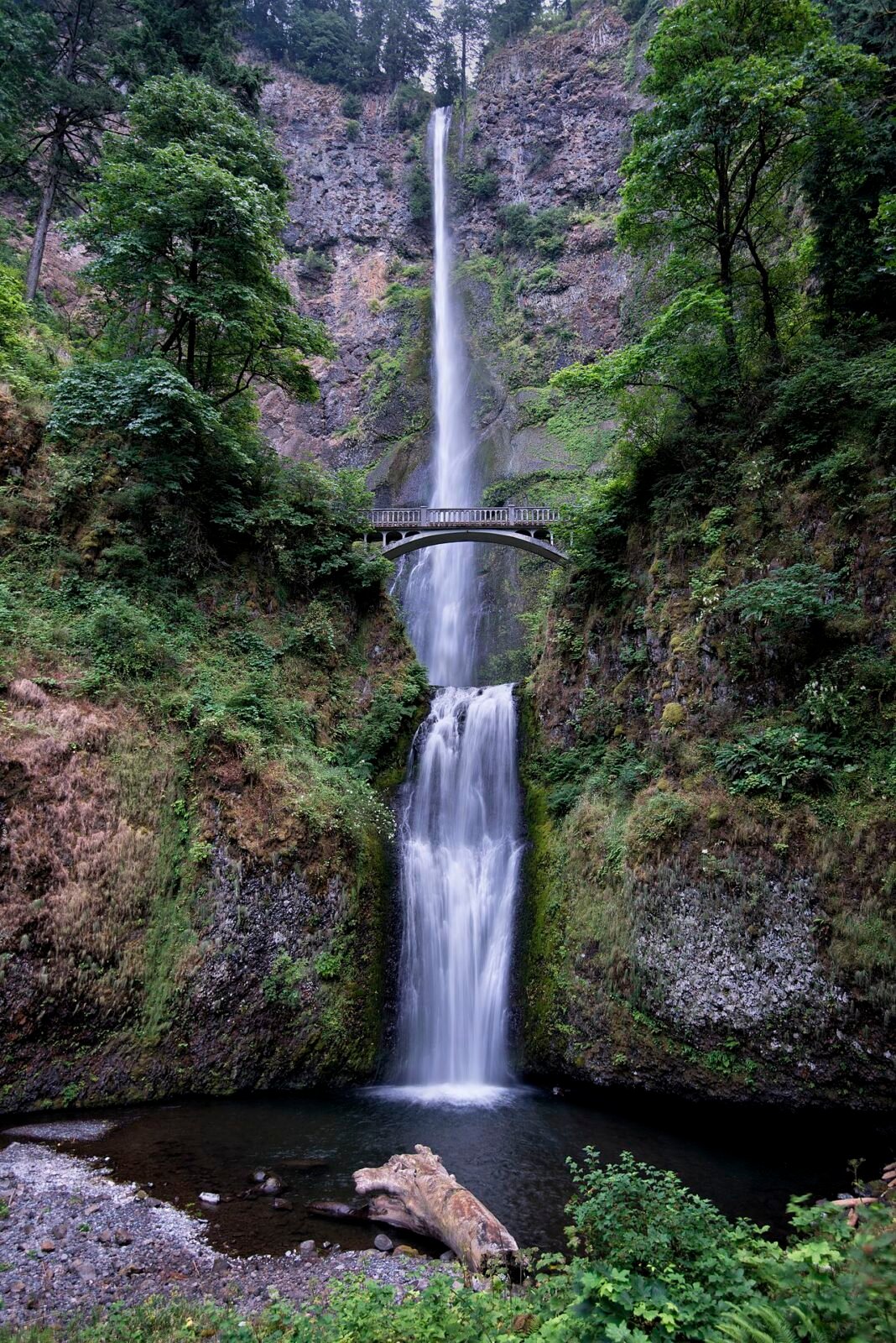
The Columbia River Gorge provides the most accessible wilderness from Portland — 30 miles east of the city, the Historic Columbia River Highway provides access to the waterfall corridor’s trail network. The Eagle Creek Trail (26 miles one-way but practical as an out-and-back of any distance) is one of the finest gorge hikes, passing behind curtain waterfalls and through basalt canyons carved by glacial floods. The Multnomah Falls trail climbs 1.2 miles to the top of the falls with views back over the gorge. The town of Hood River, at the gorge’s widest point, is the world capital of windsurfing and kiteboarding — the steady Columbia winds that make the gorge a global wind sports destination are reliable from May through August, and the Hood River waterfront hosts international-level competition. Mount Hood’s ski areas and the Hood River fruit loop (apple, pear, and cherry orchards open for pick-your-own in season) round out the gorge’s outdoor and agricultural recreation.
Rogue River and Southern Oregon
The Rogue River in southern Oregon provides two of the finest multi-day outdoor experiences in the Pacific Northwest. The Rogue River Trail — a 40-mile backpacking route along the Wild and Scenic section of the river between Grave Creek and Foster Bar — follows the river through old-growth forest and canyon country that can only be reached by foot or by the commercial whitewater rafts that float the same section. The 4-day river trip (Class III-IV rapids, commercially operated by outfitters out of Medford and Grants Pass) is considered one of the premier river journeys in the western United States. The Upper Rogue near Crater Lake provides fly fishing for wild steelhead and trout in blue-ribbon conditions. The nearby Umpqua River is Oregon’s premier steelhead fishery, drawing fly anglers from across the country for the summer-run fish that enter the river from June through October.