
Outdoor Activities in North Dakota 2026: Badlands, Prairie Wetlands, and the Missouri River
North Dakota’s outdoor recreation is built on the paradox of a state where the landscape’s apparent simplicity conceals extraordinary ecological richness and solitude that is genuinely rare in the lower 48 states. Theodore Roosevelt National Park provides the state’s marquee outdoor experience — badlands scenery, free-roaming bison, and the Roosevelt legacy in an accessible and uncrowded setting. The Prairie Pothole Region’s millions of acres of wetland habitat supports the most productive waterfowl breeding grounds in North America, drawing hunters and birders from across the continent. The Missouri River’s reservoirs — Lake Sakakawea and Lake Oahe, two of the largest man-made reservoirs in the country — provide boating, fishing, and water recreation on a scale that most visitors to North Dakota don’t anticipate. And the simple act of camping on the Northern Great Plains, under a sky of extraordinary star density, provides an experience that rewards visitors willing to engage with the quiet rather than resist it.
Theodore Roosevelt National Park: Badlands and Bison
Theodore Roosevelt National Park’s three units provide different outdoor experiences at different levels of access and commitment. The South Unit’s 36-mile scenic loop drive is accessible to any vehicle, with consistent bison sightings, prairie dog town viewpoints, and access to the Painted Canyon Visitor Center’s dramatic overlook. Hiking in the South Unit ranges from the short Ridgeline Nature Trail (0.6 miles) to the Petrified Forest Loop (10.5 miles) to the full backcountry traverse of the park. The North Unit, 70 miles from the South Unit on US-85, provides the park’s most dramatic badlands scenery and the best wildlife viewing — the North Unit bison herd is larger and more concentrated, and the Cannonball Concretions pullout (massive spherical rock formations exposed by erosion) provides a geological spectacle unique in the park system.
Hunting and Fishing: World-Class Prairie Resources
North Dakota is one of the premier hunting destinations in North America — pheasant, duck, goose, deer, and pronghorn hunting all draw significant out-of-state license revenue, and the state’s combination of public land access (particularly Waterfowl Production Areas managed by the US Fish & Wildlife Service) and landowner permission culture creates hunting access that comparable states in the West have largely lost. Walleye fishing on Lake Sakakawea and the Missouri River system is considered among the finest in the country, with the reservoir system supporting fish populations that benefit from the cold, nutrient-rich water of the northern Great Plains drainage.
Lake Sakakawea: Water Recreation on the Northern Plains
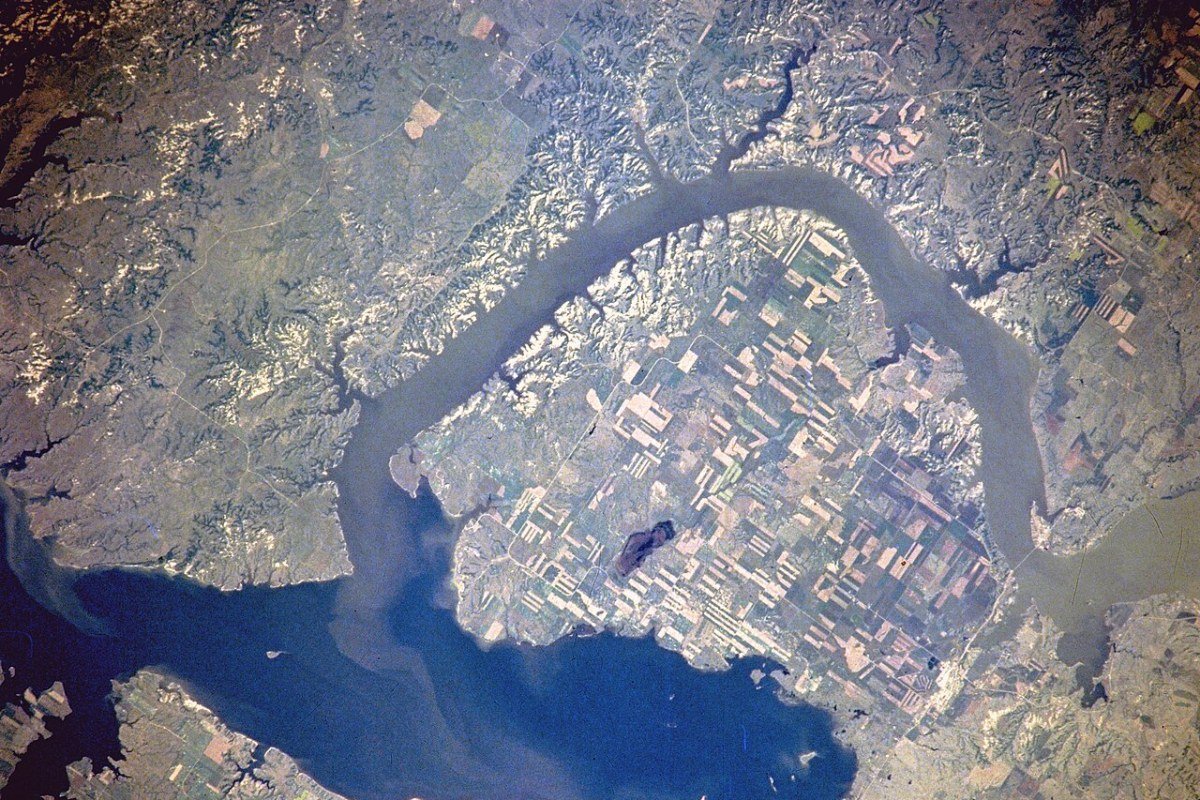
Lake Sakakawea, created by the Garrison Dam on the Missouri River, stretches 178 miles across north-central North Dakota and covers 368,000 acres — making it the third-largest man-made reservoir in the United States. The lake’s water recreation (boating, fishing, camping, swimming) is the primary summer outdoor activity for a large share of the state’s population, with state parks at Fort Stevenson and Sakakawea providing full-service camping and marina facilities. The Lake Sakakawea State Park and the surrounding shoreline provide a landscape of surprising beauty — river-carved bluffs, grassland prairies, and clear northern water that reflect the big sky in ways that many visitors find deeply compelling. Walleye, northern pike, salmon, and smallmouth bass make the lake a year-round fishing destination.
Prairie Pothole Region: Birding and Wetland Wildlife
The Prairie Pothole Region — a landscape of glacially formed wetland ponds covering much of central North Dakota — is the most productive waterfowl breeding habitat in North America, providing nesting habitat for 50–80% of North America’s migratory ducks during peak breeding years. The region’s Waterfowl Production Areas (managed by the US Fish & Wildlife Service) and national wildlife refuges (Des Lacs NWR, Lostwood NWR, Upper Souris NWR) provide public access to this ecological treasure. Birding in the Prairie Pothole Region in May and June, when breeding ducks, shorebirds, and grassland songbirds are at peak activity, is one of the finest birding experiences available in the interior of North America — comparable in richness and far less crowded than birding hotspots on the coasts.
Winter Outdoor Activities
North Dakota’s winters are not an obstacle to outdoor activity — they are a different outdoor season, and for households who embrace the full climate rather than retreating from it, the winter landscape provides experiences unavailable anywhere else. Ice fishing on the Missouri River reservoirs is a traditional North Dakota activity with dedicated communities and the infrastructure (ice shanties, snowmobiles, heated augers) to make it genuinely comfortable at temperatures that would stop less prepared anglers. Cross-country skiing and snowshoeing on the state forest trail systems provide winter trail access across multiple regions. The extraordinary clarity of winter stargazing on the dark-sky prairie — North Dakota has some of the least light pollution of any state in the lower 48 — rewards the visitor willing to bundle up and look up. The International Peace Garden maintains winter trails, and the Trestle Valley Cross-Country Ski Area near Bottineau provides lift-served groomed trails for skiers seeking more structure.
North Dakota’s outdoor recreation is defined by scale and solitude — the absence of crowds that characterizes even the most popular destinations here would be remarkable at comparable sites in more densely populated states. Visitors who approach the state’s outdoor resources with patience and the willingness to slow down to the pace that the landscape demands consistently discover that North Dakota’s apparent emptiness is in fact a richness of space, sky, and ecological diversity that the crowded outdoor destinations of the American West and Northeast cannot replicate. The Great Plains’ outdoor character is its own category, and North Dakota is the purest expression of it accessible to the American traveler.
Planning Your Outdoor Adventure
The outdoor experiences described in this guide reward practical preparation. For wilderness and protected areas, check trail conditions, permit requirements, and seasonal access with the relevant land management authority before departure — trail closures, fire restrictions, and entry quotas can change quickly, and many high-demand parks now require advance reservations that were not needed in previous years. Weather in North Dakota can change rapidly, particularly in mountain terrain and during shoulder seasons; a layered approach with a waterproof outer shell is advisable for most outdoor pursuits regardless of the season. For water-based activities — paddling, snorkeling, diving, surfing — check current conditions with local outfitters who will have the most accurate and up-to-date information. Leave No Trace principles apply throughout: pack out everything you bring in, stay on established trails, give wildlife space, and leave natural features undisturbed for the next visitor.