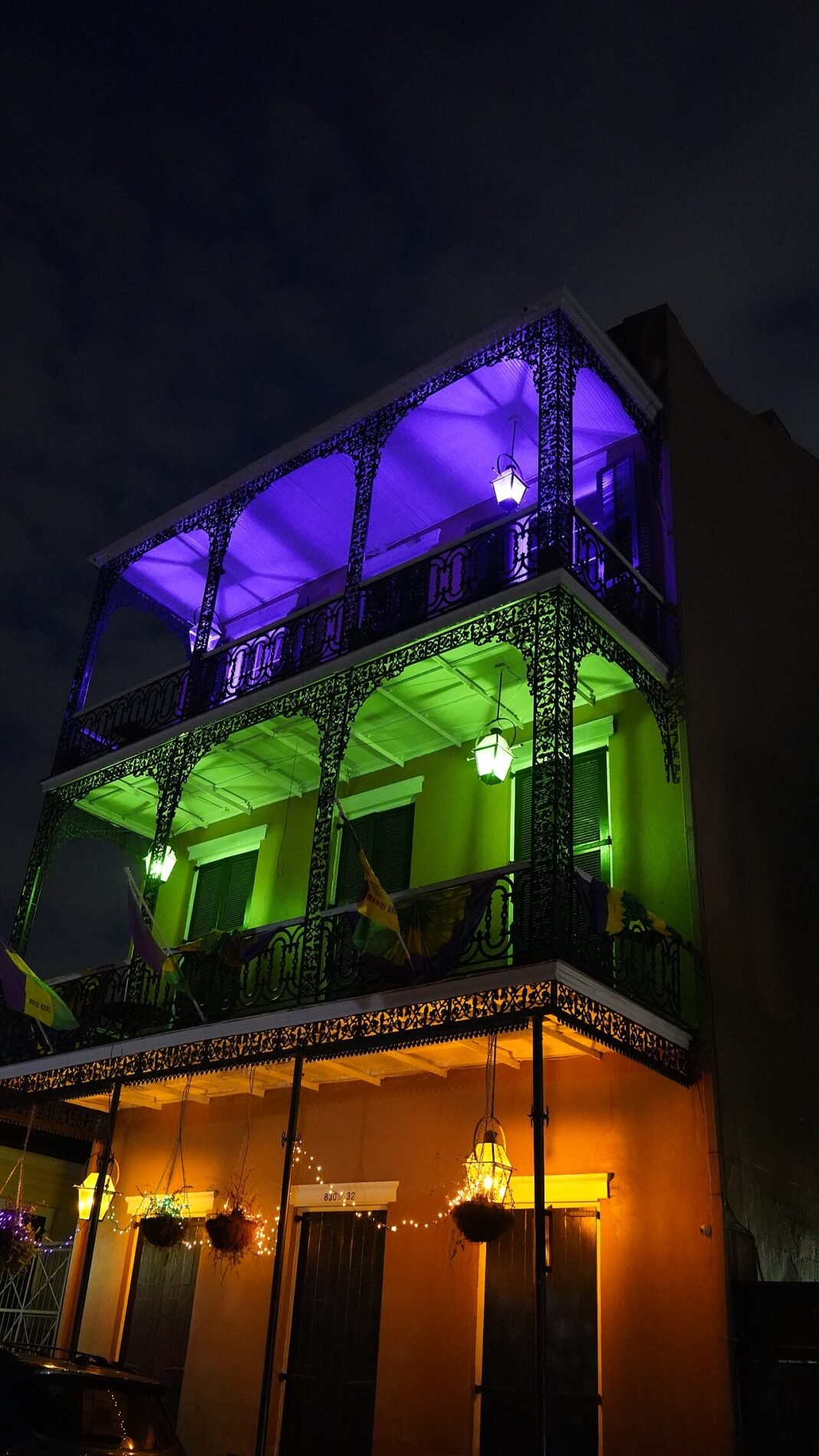
New Orleans is unlike any other city in the United States — and most cities in the world, frankly. The culture here wasn’t transplanted; it grew organically from centuries of French, Spanish, African, Creole, and Cajun influences layering on top of each other in a port city that was always more interested in pleasure than propriety. The food is extraordinary — some would argue it’s the most soulful and technically sophisticated regional cuisine in the country. The music is everywhere and deeply felt. The architecture in the historic neighborhoods is beautiful. And the city’s particular relationship with celebration, community, and mortality gives it an atmosphere that you simply cannot replicate anywhere else. Here’s how to experience it properly.
The Food: A Culinary Tradition Unlike Any Other
New Orleans cuisine is not a trend or a fusion experiment — it’s a living tradition shaped by centuries of cultural convergence, built around specific techniques and ingredients that exist nowhere else in quite the same form. A few essential dishes and where to find them at their best:
- Gumbo: A rich, dark stew built on a deeply cooked roux, thickened with okra, and filled with combinations of seafood, chicken, and andouille sausage. The darkness of the roux determines the flavor depth — a properly cooked dark roux takes 45 minutes of constant stirring and smells like roasted coffee. Dooky Chase’s on Oretha Castle Haley Boulevard — the restaurant Leah Chase ran for decades — is a pilgrimage site.
- Po’boys: Long French bread sandwiches stuffed with fried seafood (shrimp, oyster, catfish) or roast beef debris (the bits of meat that fall off a slow-roasted beef into the drippings). Domilise’s on Annunciation Street is the classic institution; Parkway Bakery & Tavern on Hagan Avenue is equally beloved and does a magnificent roast beef.
- Beignets: Deep-fried dough covered in a snowstorm of powdered sugar, best eaten fresh and hot at Café Du Monde in the French Quarter. The experience involves inevitably ruining your clothes with powdered sugar, which is part of the deal.
- Muffuletta: A round sandwich on Sicilian seeded bread with Italian cold cuts, provolone, and olive salad. Central Grocery on Decatur Street invented it in 1906 and still makes the definitive version.
- Crawfish étouffée: Crawfish smothered in a rich butter sauce with Cajun spices, served over white rice. Commander’s Palace and Galatoire’s do elevated versions; for a more neighborhood experience, try Dooky Chase’s or Willie Mae’s Scotch House (which also makes some of the best fried chicken in the South).
The Music: Where Jazz Was Born
Jazz was born in New Orleans, and the city takes this heritage with genuine seriousness — not as a museum piece but as a living art form. Frenchmen Street in the Marigny neighborhood is the real deal: a dozen clubs within walking distance of each other, with bands playing traditional jazz, contemporary jazz, brass band, funk, and R&B almost every night. The Spotted Cat Music Club and the Snug Harbor Jazz Bistro are two of the finest venues. No cover charges on most nights, tip the musicians generously.
Preservation Hall in the French Quarter is a pilgrimage for jazz fans — a small, unadorned hall with bench seats and one of the most authentic traditional jazz experiences in the world. The bands here play the original New Orleans repertoire with a commitment and skill that most “tribute” performances can’t approach. Shows typically run 45 minutes and there’s usually a line — arrive 30 minutes early. The New Orleans Jazz & Heritage Festival in late April/early May is one of the great music festivals in the world, covering not just jazz but gospel, blues, Cajun, zydeco, and R&B across multiple stages.
The French Quarter and Beyond
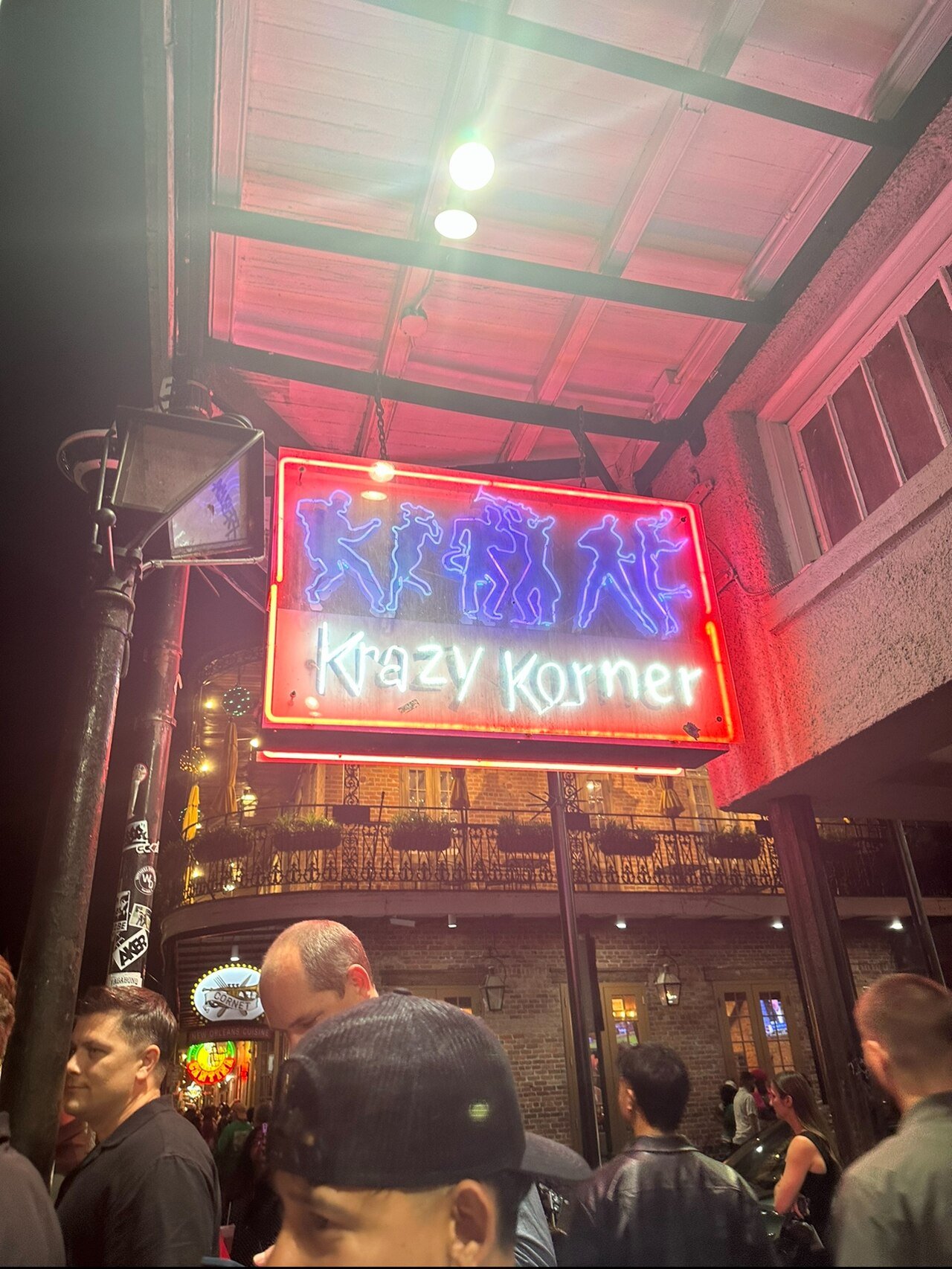
The French Quarter (Vieux Carré) is the historic heart of New Orleans — a 13-by-6 block grid of Spanish Colonial architecture (the current buildings are mostly Spanish, built after fires destroyed the French originals) that has been continuously occupied since 1718. Bourbon Street is the party street: loud, boozy, and relentless, built for bachelor parties and tourists who want spectacle. It’s worth walking once for the experience, but it’s not where the interesting New Orleans happens.
The interesting French Quarter is the quieter streets around Bourbon: Royal Street has excellent antique dealers and galleries; Decatur Street runs along the river with excellent bars and access to the French Market. Jackson Square is the living room of the French Quarter — street musicians, tarot readers, artists, and tourists all coexist around the equestrian statue of Andrew Jackson, with the St. Louis Cathedral providing the backdrop. The Cabildo and Presbytère museums facing the square are outstanding and often underattended.
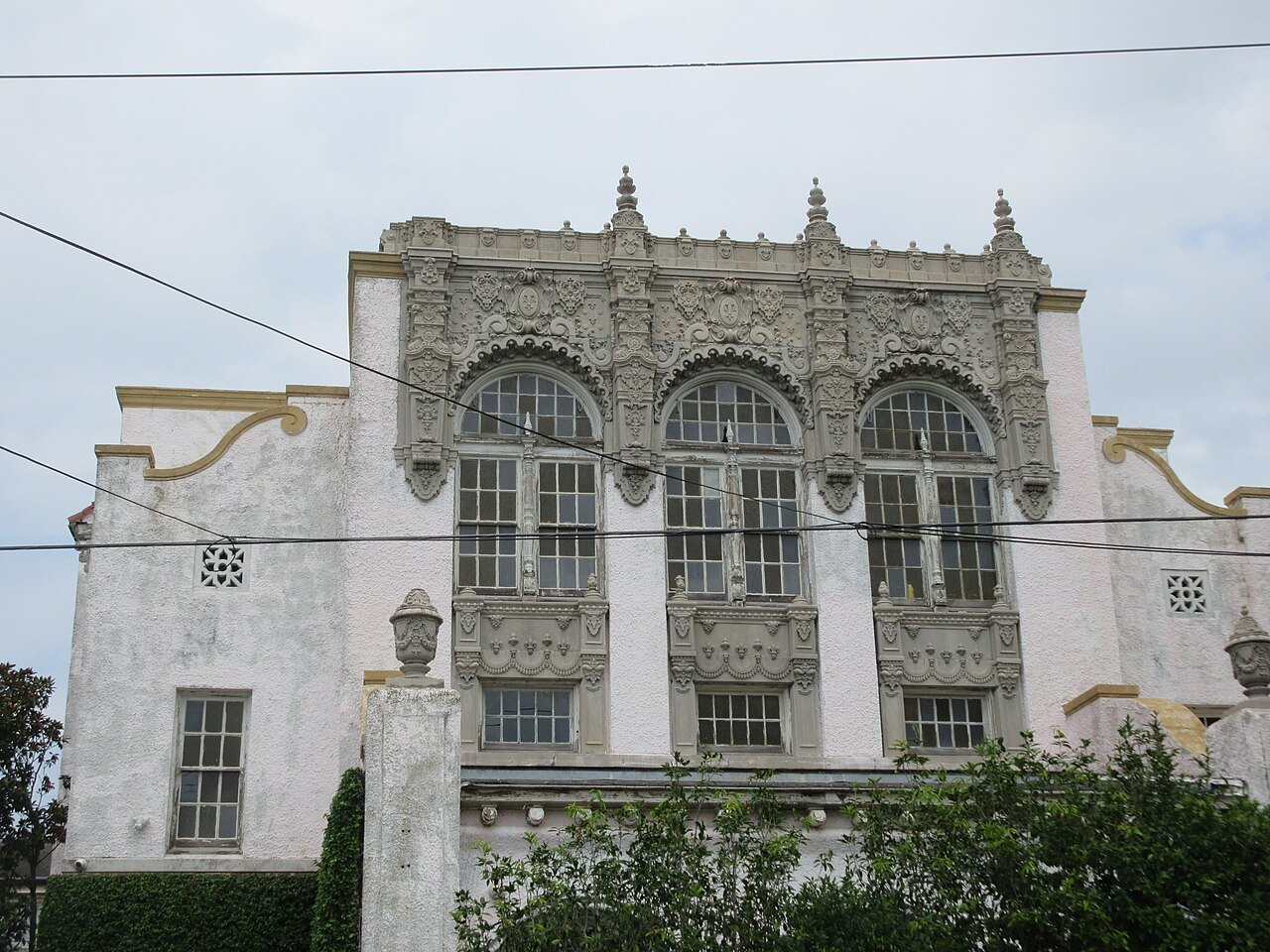
Beyond the Quarter, the Garden District — accessible by the historic St. Charles streetcar — has some of the most magnificent antebellum mansions in the South, including former homes of Anne Rice and various Louisiana governors. Magazine Street, running parallel to St. Charles, has blocks of independent boutiques, excellent restaurants, and coffee shops that feel genuinely local. The Bywater neighborhood, further east, is where New Orleans’ artists and young creatives have relocated — community gardens, live-work studios, and a handful of excellent small restaurants.
Mardi Gras: The World’s Greatest Street Party
Mardi Gras is a two-week season of parades, masking, and revelry culminating on Fat Tuesday (the day before Ash Wednesday). The dates change each year based on the Catholic calendar. If you’re planning to visit during Mardi Gras, book accommodation a full year in advance — prices triple and availability disappears months ahead. Avoid the tourist chaos of Bourbon Street during the main parade days and instead position yourself along the uptown parade routes on St. Charles or Napoleon Avenue, where the crowds are mostly local, the parade floats are more elaborately built, and the throws (beads, doubloons, stuffed animals, and sought-after specialty items) are more interesting and more generously given.
When to Visit (Beyond Mardi Gras)
October through April is the best time to visit New Orleans — temperatures are comfortable (60–75°F / 15–24°C), humidity drops to manageable levels, and the city’s full calendar of festivals and events is in full swing. October hosts the French Quarter Festival and the New Orleans Film Festival. November is excellent, often overlooked, and offers good hotel rates. Jazz Fest in late April/early May draws enormous crowds but is worth planning around if music is your priority.
Summer in New Orleans (June through August) is genuinely challenging: temperatures regularly exceed 95°F (35°C) with suffocating humidity, and afternoon thunderstorms are almost daily. That said, summer hotel rates drop significantly, and the city’s restaurant scene operates without the overcrowding of tourist season. Hurricane season runs June through November — travel insurance is essential if you’re visiting in fall, as a named storm can cancel everything.
Getting There and Getting Around
Louis Armstrong New Orleans International Airport (MSY) has direct flights to New Orleans from most major US cities and from some European hubs via connecting flights. The city’s streetcar system — the St. Charles line in particular — is a genuine pleasure to ride and covers the main neighborhoods, but it’s slow. The French Quarter and many major attractions are walkable. Rideshare is widely available and practical for neighborhoods the streetcar doesn’t reach. Don’t rent a car for a French Quarter-focused trip — parking is expensive and the Quarter itself is better navigated on foot.
For hotels in New Orleans, the French Quarter has the most atmosphere but also the most noise — rooms above Bourbon Street will have you up at 3 AM. The Garden District and Magazine Street area offer quieter options with excellent access to both the Quarter and uptown neighborhoods via the St. Charles streetcar. The Roosevelt New Orleans and the Hotel Monteleone (both in the Quarter) are historic landmarks worth splurging on if the budget allows. The International House Hotel and the NOPSI Hotel are excellent independent options in the Central Business District.