
Maryland Outdoor Activities 2026: Bay, Mountains, and Barrier Islands
Maryland’s outdoor recreation is defined by the Chesapeake Bay — the 200-mile estuary that creates 11,684 miles of tidal shoreline and provides sailing, kayaking, fishing, and wildlife access that is unmatched in the mid-Atlantic. Beyond the Bay, Maryland’s Appalachian Mountains in the western panhandle, the Catoctin Mountains of central Maryland, and the barrier island wilderness of Assateague Island provide outdoor environments of remarkable diversity within a geographically compact state. The C&O Canal towpath, the AT’s Maryland section, and the Bay’s water trail network together create a state-wide trail system that rewards the outdoor enthusiast at every experience level.
Chesapeake Bay: Sailing and Paddling
The Chesapeake Bay is the finest sailing water on the East Coast south of Narragansett Bay — a 200-mile-long estuary with consistent afternoon sea breezes, protected anchorages in hundreds of coves and river mouths, and the most active recreational sailing culture in America outside of New England. Annapolis is the center: the Wednesday evening races off the Naval Academy seawall, the Annapolis-Newport Race and other offshore events, and the boat charter and learn-to-sail schools concentrated in the Annapolis harbor provide access to the Bay’s sailing culture at every level of experience. The Bay’s shallow waters (average depth 21 feet) and protected geography make it forgiving for novice sailors learning in conditions that would be intimidating in open ocean.
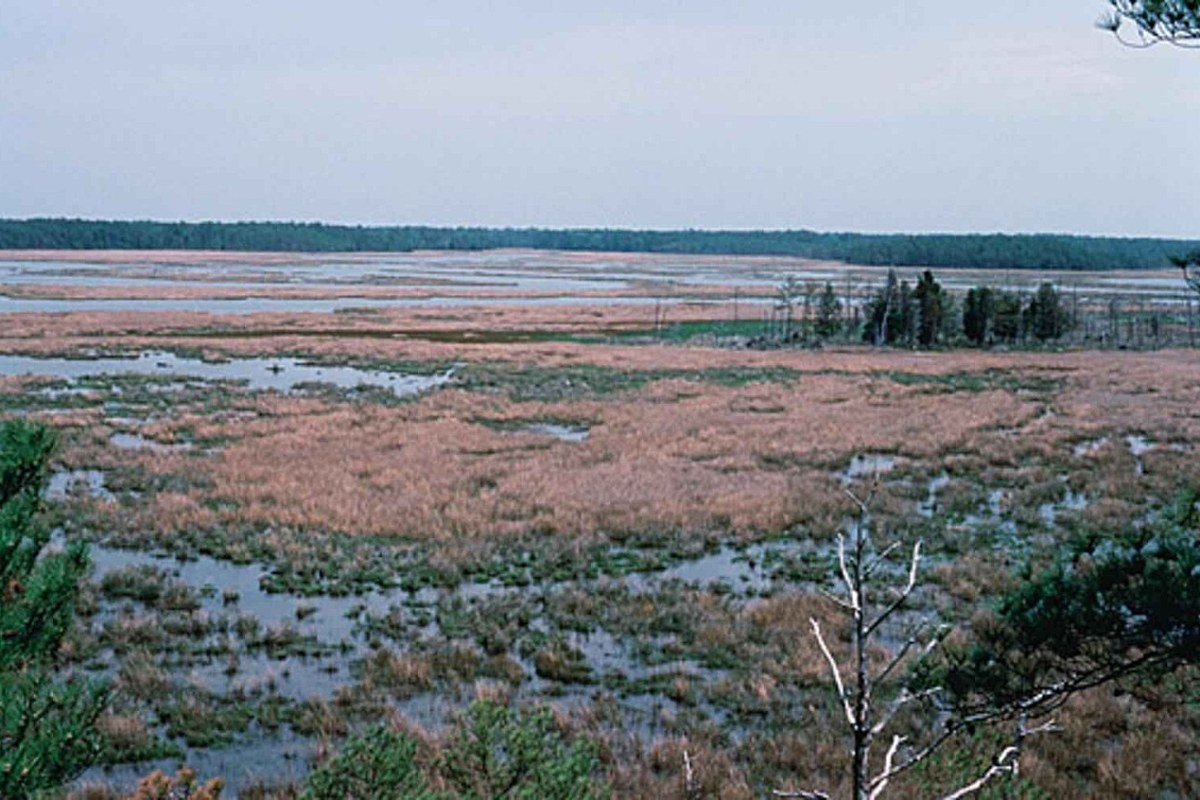
Sea kayaking on the Bay and its tributaries provides intimate access to the tidal ecosystems that the Bay sustains — the saltmarsh cordgrass of the Eastern Shore tidal creeks, the osprey nests on channel markers, the Great Blue Heron colonies on isolated marsh islands, and the bald eagle sightings that have become increasingly common as eagle populations have recovered from their 1970s low point. The Maryland Coastal Kayak Trail connects paddling routes along the Atlantic coastal bays behind Ocean City to the Bay’s tributaries, providing multi-day paddling options through some of the most ecologically rich tidal environments in the country.

C&O Canal Towpath: The Mid-Atlantic’s Premier Trail
The Chesapeake & Ohio Canal National Historical Park follows the Potomac River 184.5 miles from Georgetown in Washington D.C. to Cumberland, Maryland — a continuous flat trail on the original canal towpath that is the most-used multi-day cycling and hiking trail in the mid-Atlantic region. The towpath’s surface varies from smooth packed gravel near DC to rooted dirt in the less-maintained sections, but the overall character — a towpath built in the 1820s–1850s, passing through the Potomac River gorge at Great Falls (where the river drops 76 feet in less than a mile), through the small canal towns of Harpers Ferry and Hancock, and into the Appalachian valleys of western Maryland — is consistently compelling. Cyclists typically complete the full distance in 2–4 days; hikers 7–10 days. Lock houses along the canal have been converted to camping facilities and several overnight lodges serve long-distance travelers.
Appalachian Trail in Maryland
Maryland’s 41-mile section of the Appalachian Trail is the most accessible section of the entire 2,190-mile trail for the DC-Baltimore metro area — a day-trip distance that makes the Maryland AT one of the most-hiked sections nationally. The trail crosses South Mountain, a ridge of quartzite and sandstone that provides consistent ridge-top hiking with westward views across the Cumberland Valley. The Washington Monument State Park section passes the first monument built to honor George Washington (an 1827 stone tower still standing on the ridge) and provides the most historic context of any AT section within a major population area. Day hikes of 4–15 miles are accessible from multiple trailheads along US Route 40.
Deep Creek Lake and Western Maryland
Deep Creek Lake in Garrett County, Maryland’s westernmost county, provides freshwater recreation that contrasts entirely with the Chesapeake Bay’s tidal character. The 3,900-acre lake, created by a hydroelectric dam on Deep Creek, offers swimming at state park beaches, sailing and powerboating, fishing (largemouth bass, walleye, and trout), and the alpine environment of the surrounding Allegheny Plateau. Swallow Falls State Park, 6 miles from Deep Creek, provides the most dramatic waterfall hiking in Maryland — the Muddy Creek Falls loop passes four waterfalls including Maryland’s tallest. Herrington Manor State Park adjacent to Swallow Falls provides swimming and picnicking in a setting that the summer crowds of Ocean City and the Bay never reach.
Fishing: Striped Bass and Blue Crabs
Maryland’s recreational fishing is dominated by two species that are specific to the Chesapeake ecosystem: striped bass (rockfish, as Marylanders call them) and blue crabs. The spring and fall rockfish runs, when striped bass migrate through the Bay in concentrations that make them accessible from charter boats out of Annapolis, Rock Hall, and Chesapeake City, are the state’s primary sportfishing events — the Maryland record striped bass exceeds 67 pounds. Recreational crabbing by hand line and crab pot is a widespread Maryland summer activity practiced from almost every pier, dock, and tidal shoreline in the state; the experience of catching your own blue crabs and cooking them immediately is one of the most distinctly Maryland outdoor experiences available.
Maryland’s outdoor environment rewards residents and visitors who engage with its specific ecology: the Bay’s tidal rhythms, the spring waterfowl migration through the Eastern Shore marshes, the fall striped bass run, and the particular satisfaction of a summit view from South Mountain across the Potomac into West Virginia. These are Maryland’s own experiences, shaped by the specific geography of a state that spans ocean, estuary, piedmont, and mountains in one 12,400-square-mile package.
Getting the Most Out of Your Visit
A few practical points that will improve any trip to Maryland. Book accommodation and major attractions — particularly national parks, popular hiking trails, and well-known restaurants — as far in advance as possible; the most desirable options can fill weeks or months ahead, especially in peak season. Having a car provides the most flexibility for exploring beyond the main centers, and most of Maryland’s most rewarding experiences are in places not easily reached by public transport. The best local knowledge is often found in regional visitor centers, independent bookshops, and by talking to residents — the most memorable discoveries on any trip are rarely the ones in the guidebooks. Allocate more time than you think you need: Maryland consistently rewards travelers who slow down and explore in depth rather than trying to cover maximum ground in minimum time.