Las Vegas is the most audacious city in the United States — a place built in a desert valley where the philosophy is “why not?” rather than “is this reasonable?” Enormous hotels, world-class restaurants, spectacular shows, 24-hour gambling, and a climate of consequence-free enjoyment have been attracting visitors from around the world for decades. But Las Vegas in 2026 has evolved considerably from its casino-centric past. Today, the city is a legitimate food destination, a serious live entertainment hub, a gateway to extraordinary outdoor adventure, and, if you’re careful about where you spend your money, a surprisingly affordable trip. Here’s what you actually need to know.
The Strip: How to Navigate It Without Getting Destroyed
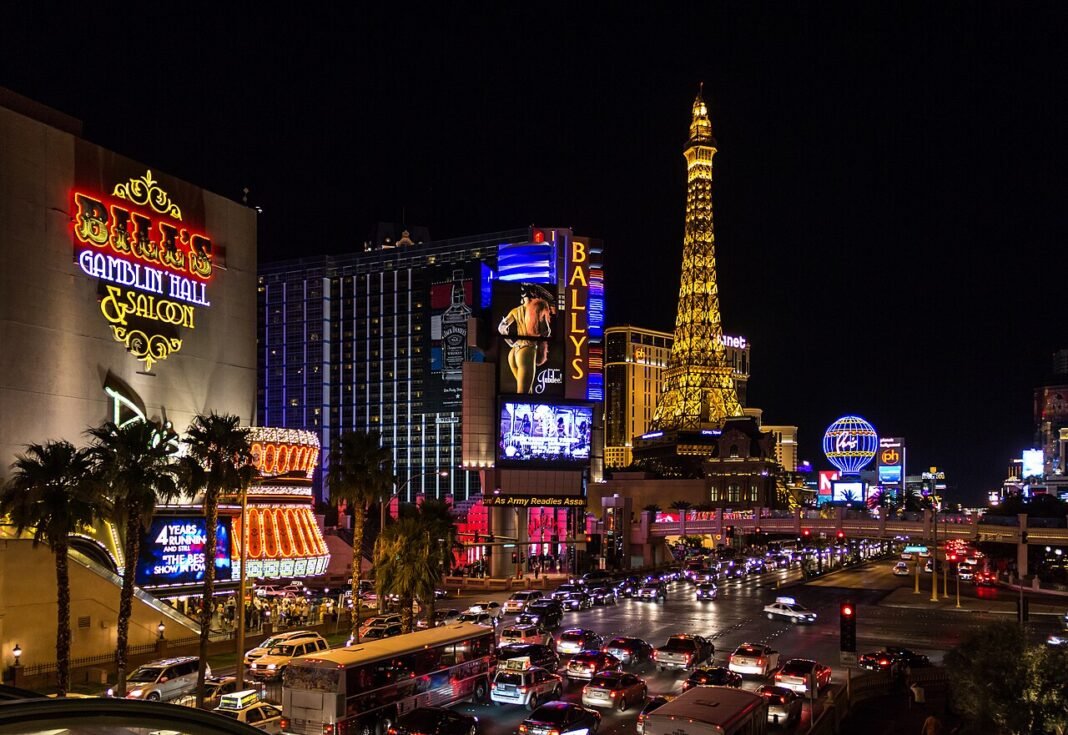
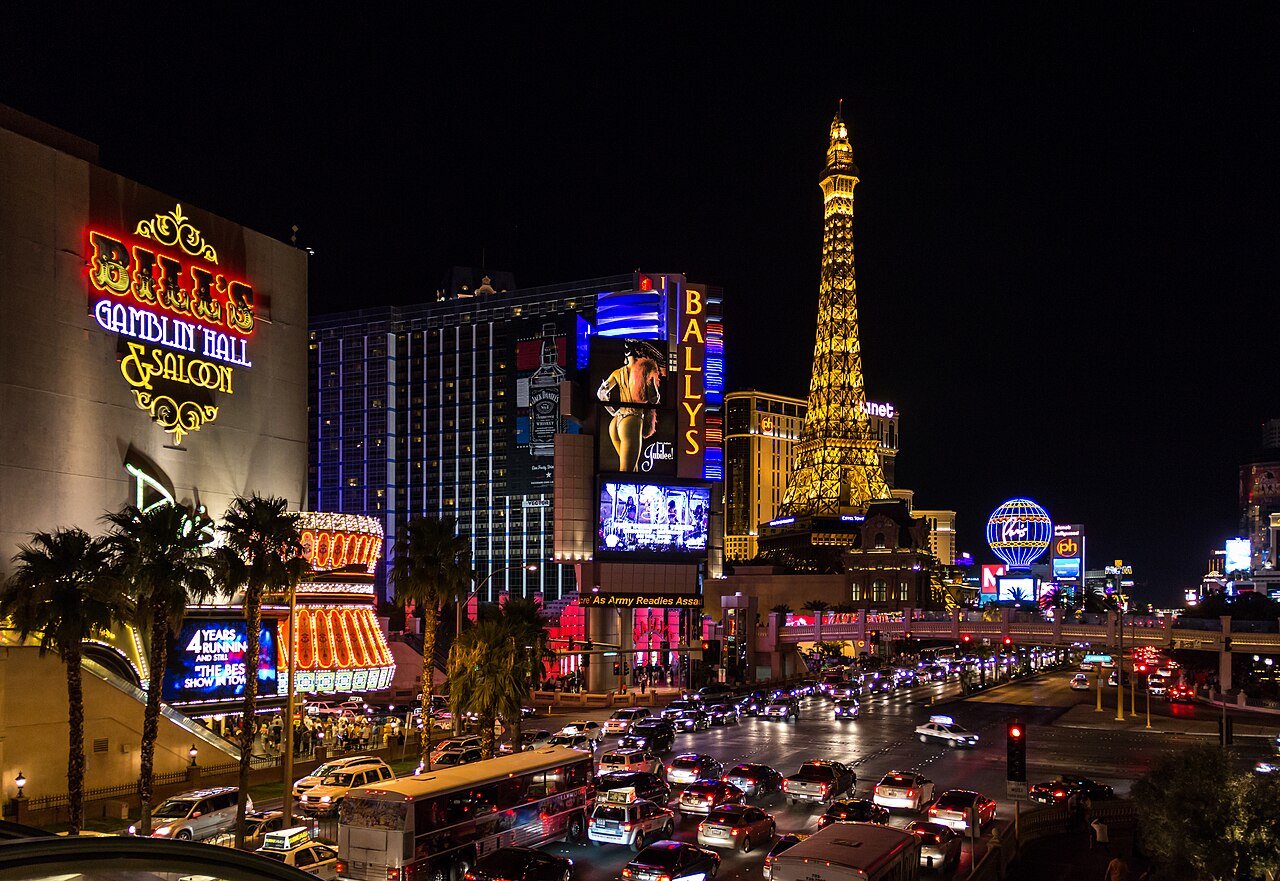
The Las Vegas Strip (Las Vegas Boulevard South) is a 4.2-mile stretch of the most extravagant hotels ever built, each competing to be more impressive than the last. Walking the entire Strip takes 2–3 hours and is genuinely interesting — the sheer ambition of the architecture, the people-watching, and the free spectacles (the Bellagio fountain show, the Mirage volcano eruption, the Fremont Street Experience light show) justify the walk even if you never step inside a casino.
A few key orientations: the Strip runs from the Mandalay Bay in the south (closer to the airport) to the Stratosphere/STRAT in the north. The densest concentration of top-tier hotels is in the middle, roughly from the Bellagio to the Wynn. Taxis and rideshares are plentiful; the Las Vegas Monorail runs on the east side of the Strip and is useful for quick point-to-point travel within the resort corridor. Note that the Strip’s casinos are not actually in Las Vegas city limits — they’re in Paradise, Nevada, an unincorporated township, which is why Nevada gambling laws apply but not Las Vegas city ordinances.
The Casinos: A Practical Introduction
If you’ve never gambled before, Las Vegas can be intimidating. It shouldn’t be. The lowest-stakes table games are typically $10–$15 minimum bets — you can sit at a blackjack table with $100 and, playing basic strategy (available free online and on casino apps), play for several hours. Slots range from penny machines to $100-per-spin machines; video poker (jacks or better with a good strategy chart) has some of the best odds of any machine game in the casino.
The casinos are designed, very deliberately, to keep you inside and disoriented — there are no clocks, no windows, and the layout is intentionally confusing. The free drinks flowing to active gamblers are not free if you calculate the hourly cost of the bets required to keep them coming. Set a gambling budget before you arrive, treat it as the cost of the entertainment, and never chase losses. The best odds in any Las Vegas casino are craps (pass line with max odds) and blackjack played with basic strategy, both around a 0.5% house edge.
Food: Las Vegas Has Become a Serious Dining Destination
The transformation of Las Vegas into a legitimate culinary destination has been one of the most significant developments in American food culture over the past two decades. The roster of chef-driven restaurants on the Strip now includes names that would anchor the dining scene of any major city: José Andrés (Bazaar Meat at the SLS), Gordon Ramsay (multiple properties), Thomas Keller (Bouchon at the Venetian), Nobu Matsuhisa (multiple locations), and Joël Robuchon (MGM Grand, the city’s most celebrated French fine dining experience).
For non-celebrity dining: Lotus of Siam in an unremarkable strip mall on East Flamingo is widely considered the best Thai restaurant in the United States (no exaggeration — food critics from New York regularly make pilgrimages). The Arts District has excellent independent restaurants that charge half what the Strip does for comparable quality. The Wicked Spoon at the Cosmopolitan runs a buffet so far above the traditional Las Vegas buffet concept that calling it a buffet is almost misleading. Breakfast at any of the major casino buffets ($20–$30) is genuinely good value — bring an appetite.
Shows and Entertainment
Las Vegas has the highest concentration of live entertainment of any city in the world. Cirque du Soleil maintains permanent residencies with multiple shows (O at the Bellagio, Mystère at Treasure Island, Michael Jackson ONE at Mandalay Bay); Penn & Teller are a must-see at the Rio; the Blue Man Group plays at the Luxor. Major touring music acts often add Las Vegas shows to their schedules — the Sphere at the Venetian, opened in 2023, is a 17,500-seat venue wrapped in the world’s largest LED screen (1.2 million square feet) and has already become one of the most talked-about concert experiences in the world.
For free entertainment: the Bellagio fountain show runs every 15–30 minutes and is spectacular — the choreography to Frank Sinatra and Celine Dion songs on a warm Las Vegas evening is legitimately one of the best free shows in the world. The Fremont Street Experience in downtown Las Vegas (not the Strip) offers a different side of the city — a covered pedestrian mall with a massive LED screen canopy, live music, and a grittier, more authentic 1990s Vegas atmosphere.

Day Trips: Las Vegas as an Outdoor Gateway
Las Vegas sits within an extraordinary concentration of natural landscapes, and the contrast between the Strip and the surrounding desert wilderness is one of the most remarkable transitions in American travel.
- Red Rock Canyon National Conservation Area (30 minutes west): A 13-mile scenic drive through dramatic red sandstone formations, with excellent hiking, rock climbing, and wildlife. The morning light on the canyon walls is extraordinary. Entrance fee: $15 per vehicle.
- Valley of Fire State Park (1 hour northeast): Nevada’s oldest state park, with fiery red Aztec sandstone formations, ancient petroglyphs, and some of the most otherworldly landscapes in the American West. The White Domes area and Fire Wave are particularly spectacular.
- Hoover Dam (45 minutes southeast): A genuine engineering marvel — 221 meters of curved concrete holding back Lake Mead, built during the Depression and still generating power for millions of homes. The dam tour is excellent; the powerplant tour is even better.
- Zion National Park (2.5 hours northeast): One of the great day trips from Las Vegas — leave early, do the Angels Landing hike or the Narrows, and return in the evening. Book a timed entry permit via recreation.gov well in advance for summer visits.
- Grand Canyon South Rim (4 hours east): Long for a day trip but doable — many visitors do a combination tour that includes the Hoover Dam, and some opt for a helicopter tour from the canyon rim, which can be booked from Las Vegas.
Practical Tips
When to visit: March–May and September–November offer the best combination of pleasant weather (70–85°F / 21–30°C) and manageable crowds. Summer is brutally hot (105–115°F / 40–46°C) but hotel rates plummet. December through February is cool and occasionally cold at night, but crowds are light and rates are low outside of holiday weekends.
Hotels on the Strip look expensive but often aren’t, due to a pricing model built around gambling revenue subsidizing rooms. Mid-week rates at major Strip hotels can be significantly lower than at a comparable hotel in New York or San Francisco. Resort fees (added at checkout, not included in quoted rates) are a significant irritant — typically $40–$65 per night. Book direct with the hotel rather than through third parties when possible, as direct bookings sometimes allow resort fee negotiation. Flights to Las Vegas from most US cities are well-served and competitive; from Los Angeles (4 hours by car), many visitors drive instead of fly.