

.jpg?width=1200)

Indiana Travel Guide 2026: Unexpected Highlights of the Hoosier State
Indiana is a state that surprises visitors who arrive with modest expectations. The prevailing image — flat Midwestern farmland, the Indianapolis Motor Speedway, basketball — is real but incomplete. Indiana contains a national park on Lake Michigan with dunes that rival coastal New England, a growing craft brewing and food culture in Indianapolis that competes with larger Midwestern cities, covered bridge country in the Parke County that preserves the largest collection of covered bridges in the United States, and the college-town dynamism of Bloomington that feels nothing like Indiana’s agricultural stereotype. This guide covers the state’s genuine travel highlights.
Indiana Dunes National Park
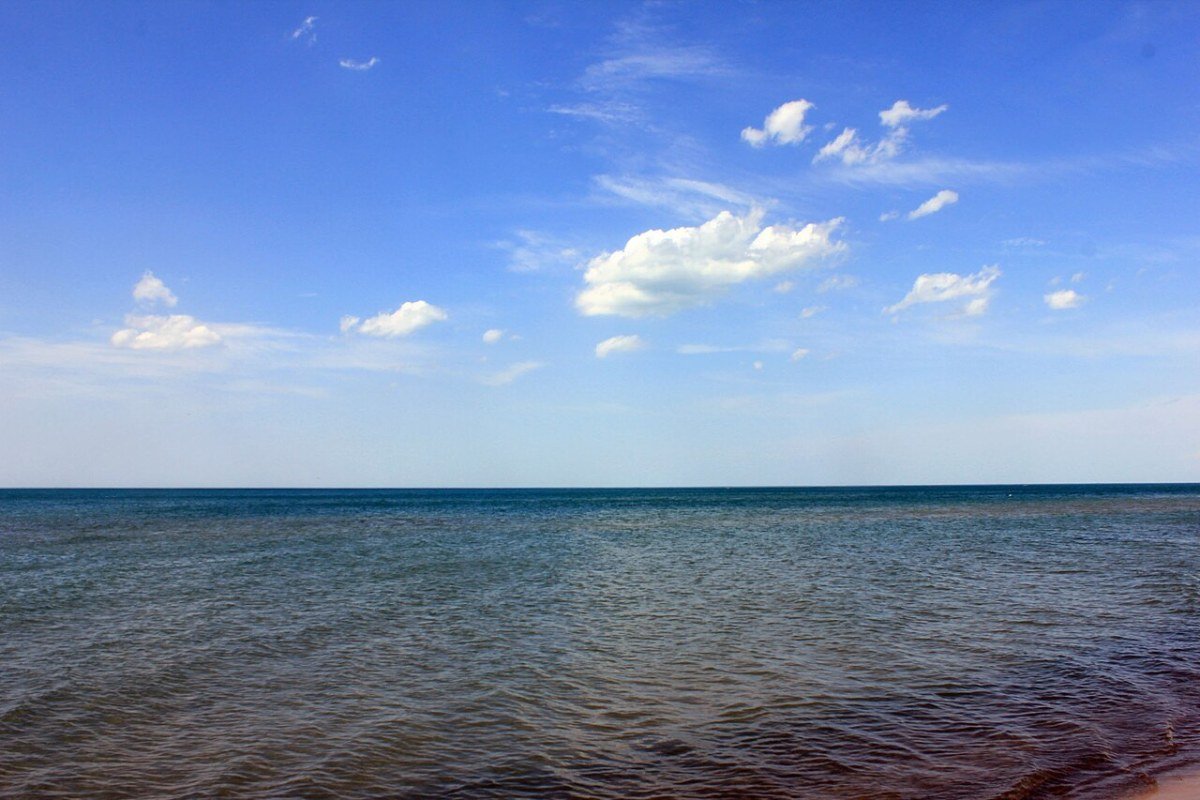
Indiana Dunes National Park, on the southern shore of Lake Michigan between Gary and Michigan City, is one of the most ecologically extraordinary national parks in the country — and one of the most undervisited relative to its quality. The park’s 15,000 acres encompass Lake Michigan shoreline beaches with fine quartz sand, active sand dunes (Mount Baldy, at 126 feet, is a living dune that migrates several feet annually), interdunal wetlands, black oak savannas, and remnant forest communities that together support the fourth-highest biodiversity of any national park by plant species count.
The dunes exist as an ecological anomaly: plant communities from arctic tundra, desert, prairie, and eastern deciduous forest coexist within a few acres because the dunes’ microclimates create habitat niches that exist nowhere else in the Midwest. Botanist Henry Cowles first described succession ecology here in 1899 — the concept that ecological communities develop in predictable sequences over time — making Indiana Dunes one of the birthplaces of modern ecology as a scientific discipline.
The Park’s trail system provides access to the full range of habitats: the Dune Succession Trail (0.9 miles) provides the most comprehensive ecological education of any short walk in the Midwest; the Cowles Bog trail (4.7 miles) passes through the interdunal wetlands where the plant communities are most diverse; the Heron Rookery trail follows the Little Calumet River through bottomland forest where Great Blue Herons nest in large numbers. Swimming is available at the park’s designated beaches from Memorial Day through Labor Day, with lifeguarded access at West Beach.
Indianapolis: A City Reinventing Itself
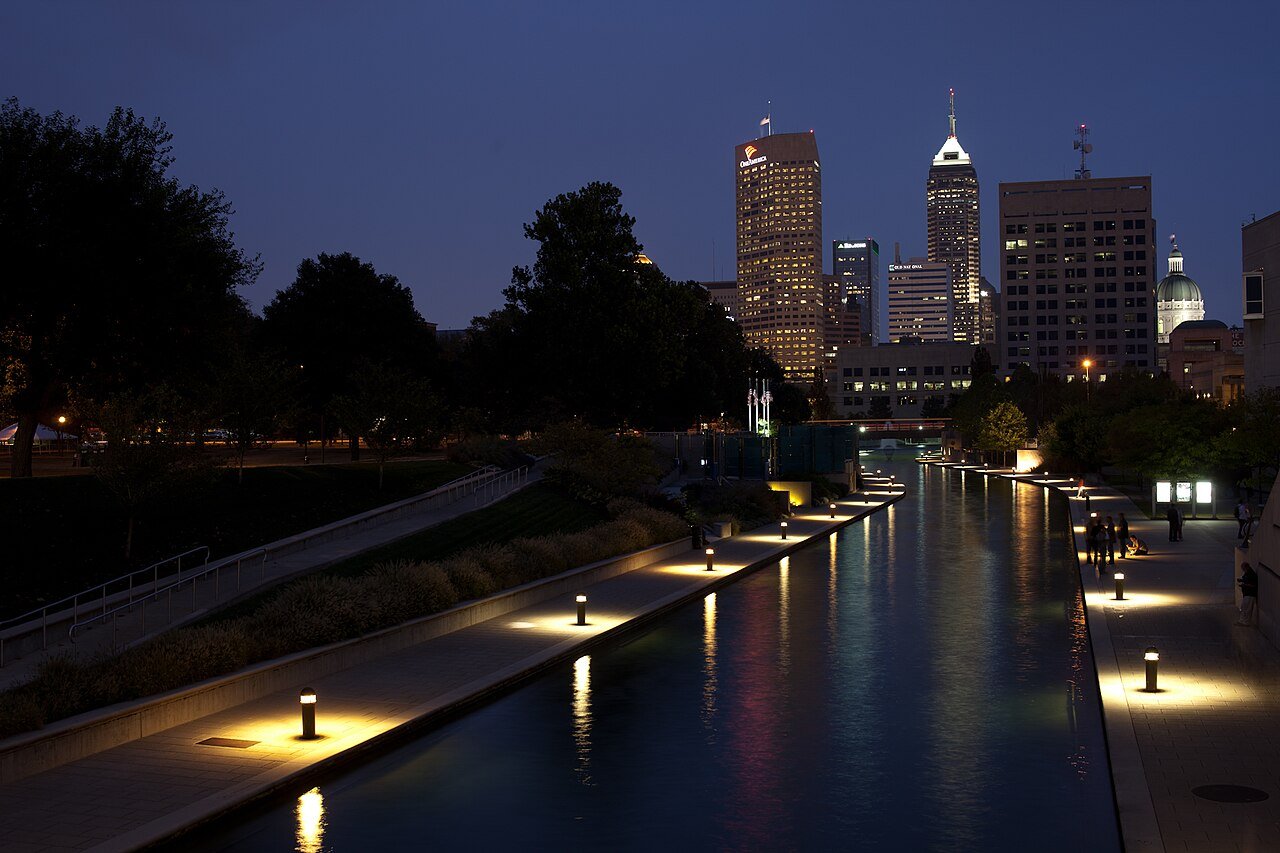
Indianapolis, Indiana’s capital and largest city with a metro population of 2.1 million, has undergone a significant transformation over the past two decades — from a city that closed after 5 p.m. to a legitimate urban destination with a downtown that generates significant weekend visitor traffic. The combination of the Indianapolis Cultural Trail (a 8-mile urban bike and pedestrian path connecting the city’s cultural districts), the Mass Ave arts and dining district, the Fountain Square neighborhood, and the Bottleworks District (a redevelopment of the historic Coca-Cola Bottling Plant into a hotel, food hall, brewery, and entertainment complex) has created an urban fabric that is more genuinely engaging than Indianapolis’s secondary-city reputation suggests.

The Indianapolis Museum of Art (now operating as Newfields), one of the largest encyclopedic art museums in the United States, houses a collection of 54,000 objects spanning 5,000 years of art history, including one of the country’s finest collections of Turner watercolors and a Lilly House historic estate with extensive formal gardens. The Children’s Museum of Indianapolis, the largest children’s museum in the world, provides a 472,000-square-foot institution with permanent galleries that engage visitors well beyond the under-12 demographic — the Dinosphere gallery’s dinosaur fossil collection and the immersive Space Quest planetarium are legitimate adult attractions.
The Indianapolis 500: The Greatest Spectacle in Racing
The Indianapolis Motor Speedway — the largest single-site sporting venue in the world, with a capacity of 257,325 — hosts the Indianapolis 500 on the Sunday before Memorial Day and the Brickyard 400 NASCAR race in late July. The Indy 500, run continuously since 1911 (except for World War II interruptions), is the world’s largest single-day sporting event by attendance — approximately 300,000 spectators fill the infield and grandstands on race day. The Indianapolis Motor Speedway Museum, open year-round, displays nearly a century of championship-winning race cars in one of the finest motorsports collections in the world. Tours of the track, including the famous yard-of-bricks finish line and the Pagoda timing tower, run daily throughout the year.
Brown County: Indiana’s Little Smoky Mountains
Brown County State Park, in the rolling hills of south-central Indiana near Nashville (Indiana’s Nashville, not Tennessee’s), is the largest state park in Indiana and the most-visited in the Midwest by some metrics. The park’s hardwood forest provides the color for what has become known as Indiana’s fall foliage season destination — the hills between Indianapolis and Bloomington reliably produce brilliant orange and red displays in mid-October that draw weekend visitors in numbers that clog the two-lane roads. Nashville, a small arts community adjacent to the park, provides craft galleries, restaurants, and lodging that sustain the autumn-leaf tourism economy.
Parke County Covered Bridges
Parke County, in western Indiana near Rockville, preserves 31 covered wooden bridges — the largest concentration of covered bridges in the United States in a single county. The bridges, most built between 1856 and 1920 to protect wooden bridge decks from weather damage, survive in a landscape of rolling agricultural countryside and creek valleys that has changed less than most of rural Indiana since their construction. The annual Parke County Covered Bridge Festival, held for ten days each October, draws visitors from across the Midwest for bridge tours, craft fairs, and agricultural exhibitions. Maps for self-guided bridge tours are available from the Parke County courthouse.
Indiana’s travel rewards are quieter than those of its neighbors but genuine: the ecological wonder of the dunes, the motorsport pilgrimage of the Speedway, the fall-color hills of Brown County, and the historic pastoral landscape of Parke County together compose a state that is more interesting than its national travel profile suggests. The visitor who allows Indiana its own terms — rather than measuring it against more famous Midwestern destinations — typically finds more than they expected.