

Illinois Outdoor Activities 2026: From Chicago Lakefront to Shawnee Wilderness
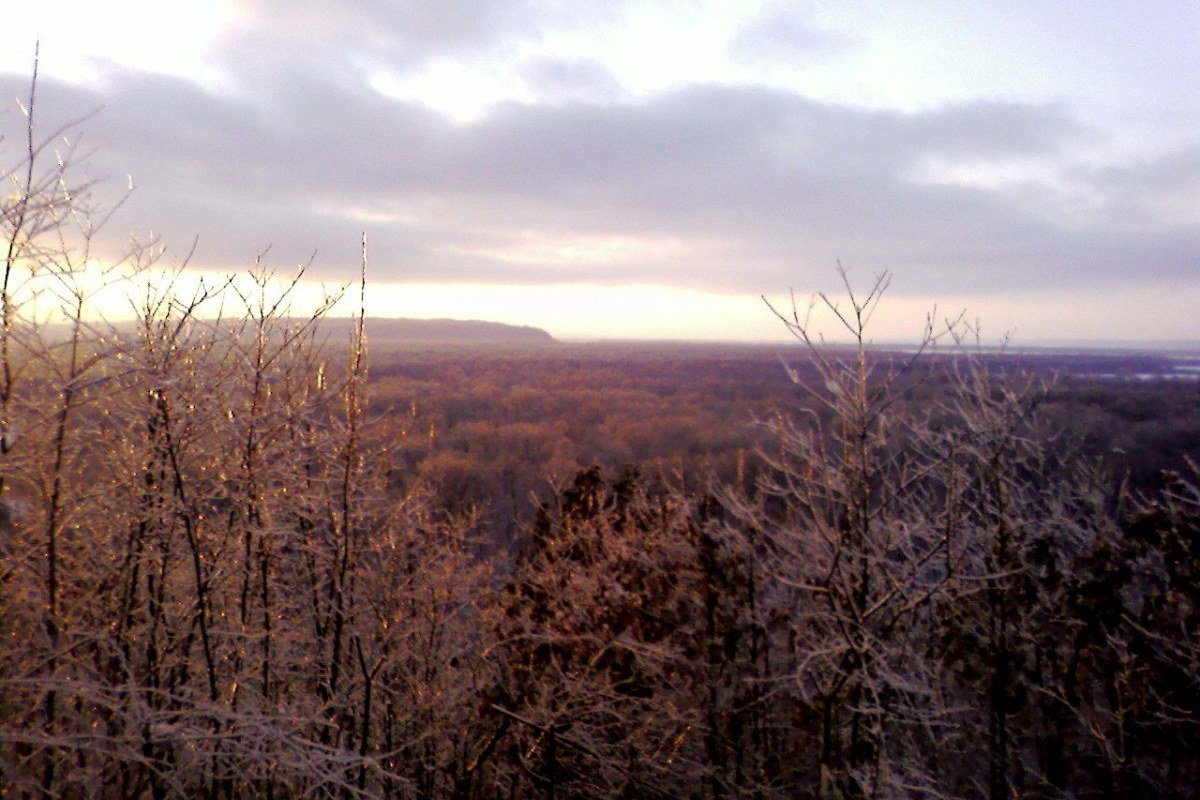
Illinois’s outdoor recreation is defined by a geographic paradox: the state most associated with flat agricultural prairie contains some of the Midwest’s most varied and rewarding natural environments. The 26 miles of Chicago’s lakefront parks — a continuous greenway from Hollywood Avenue on the north to South Shore on the south — constitute one of the finest urban outdoor recreation environments in any American city. The sandstone formations and forest canyons of Shawnee National Forest in the far south deliver an experience that is more reminiscent of the Ozarks or the mid-South than of the Midwest’s stereotype. Between these poles, Illinois’s rivers, state parks, and prairie preserves offer outdoor experiences that reward the resident or visitor willing to look past the agricultural monotony of I-55 and I-57.
Chicago Lakefront: Urban Outdoor Excellence
The Chicago lakefront trail is the busiest shared-use trail in the United States — a 18-mile continuous pathway along Lake Michigan that passes every Chicago lakefront park, beach, harbor, and cultural institution between Hollywood Avenue and 71st Street. On summer weekends, the trail sees over 100,000 users — cyclists, runners, rollerbladers, and walkers sharing what amounts to a linear park of extraordinary urban quality. The reconstruction of the section near Navy Pier and the Riverwalk extension have improved connectivity in recent years, and the city’s ongoing investment in lakefront infrastructure reflects recognition of the trail’s role as Chicago’s most-used outdoor amenity.
Chicago’s beaches — the 26 official Chicago Park District beaches from Juneway Terrace Beach on the far north to 63rd Street Beach on the south — open for swimming from June through Labor Day, with staffed lifeguard supervision from Memorial Day weekend. Montrose Beach, at the northern end of Montrose Harbor, provides the best combination of swimming, kite-flying, dog beach access, and naturalized habitat restoration. North Avenue Beach, in the heart of the Lincoln Park lakefront, is the most developed and most crowded, with volleyball courts, rentals, and a beach house restaurant. The beaches are free and open to all — one of Chicago’s most egalitarian public resources.
.jpg?width=1200)
Shawnee National Forest: The Illinois Surprise
Shawnee National Forest, in southernmost Illinois between the Ohio and Mississippi Rivers, encompasses 280,000 acres of forested hills, sandstone canyons, natural arches, cypress swamps, and rock formations that have no equivalent anywhere else in the state. The terrain — shaped by hundreds of millions of years of geological history that left sandstone deposits, river bluffs, and the remnants of ancient seas — is fundamentally different from the glaciated flatlands that dominate northern and central Illinois.
The Garden of the Gods Wilderness — a 3,300-acre designated wilderness area within Shawnee — contains the most dramatic formations in the forest. The Observation Trail (0.25 miles) provides access to the main sandstone towers (Camel Rock, Anvil Rock, and others) with minimal effort; the extended Buzzard Point Loop (4 miles) provides more extended ridge hiking with views across the Saline River valley. Burden Falls, accessible by a short trail near Eddyville, drops 50 feet over a sandstone ledge in a forest setting that surprises visitors expecting nothing but flat Illinois farmland.
The Bell Smith Springs area, in the center of Shawnee, offers the forest’s most diverse short hiking: natural bridges, canyon pools, stream crossings, and the Beaver Pond loop through bottomland forest that supports migratory waterfowl and resident Great Blue Herons. Spring wildflower season (mid-April through May) produces extraordinary displays of trillium, mayapple, bloodroot, and wild ginger throughout the forest understory — making spring the optimal season for Shawnee hiking.
Illinois State Parks: Best Options
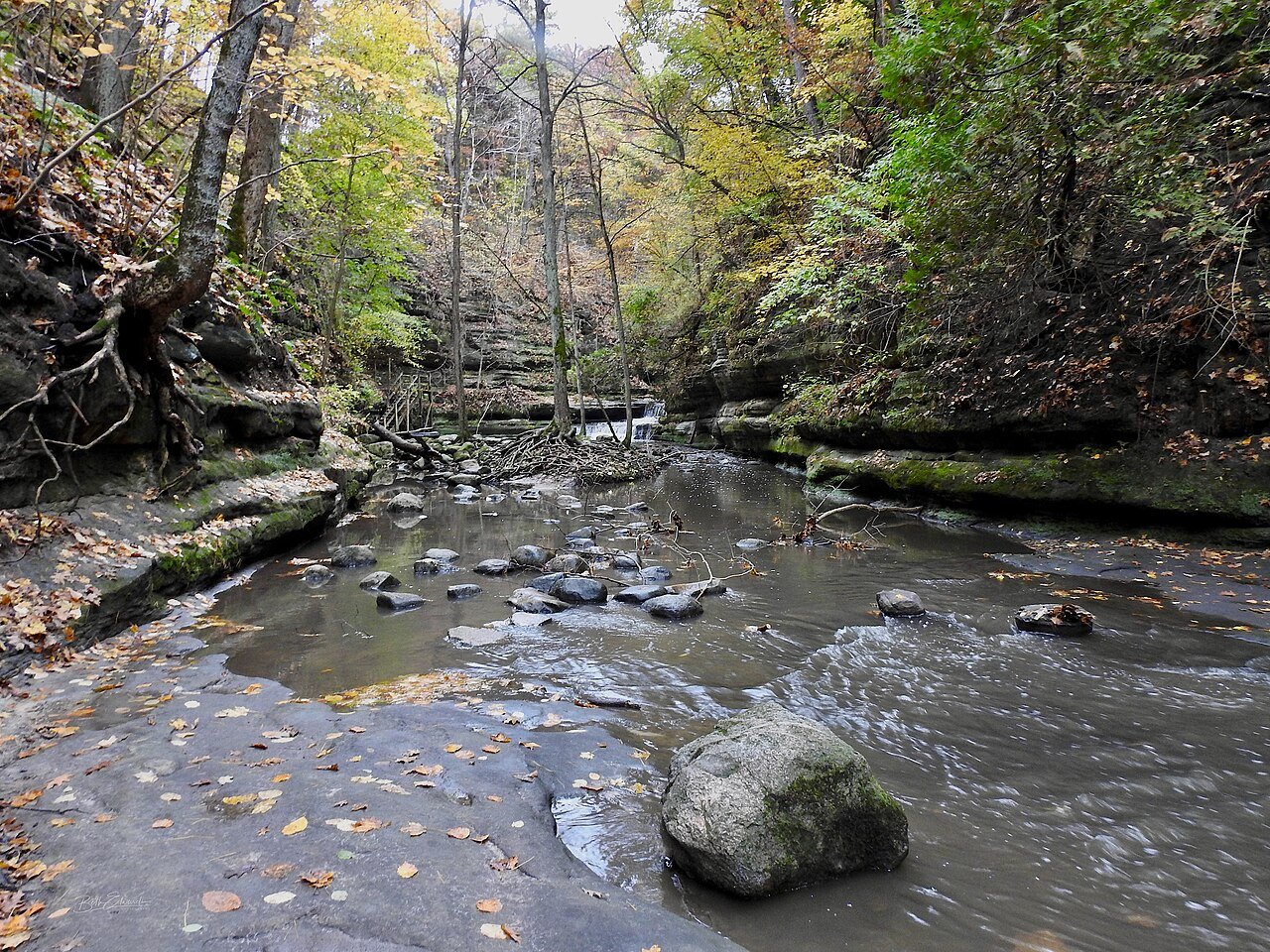
Starved Rock State Park, 90 miles southwest of Chicago in LaSalle County, is the most visited state park in Illinois — a combination of 18 canyons carved by post-glacial meltwater into the St. Peter Sandstone bedrock, waterfalls (best in spring and after rain), and canyon hiking on the Illinois River bluffs that provides a visually dramatic experience within easy reach of Chicago. The park’s trails vary from accessible boardwalk paths to canyon-floor routes requiring stream crossings; the Dells Canyon and Wildcat Canyon are the most spectacular destinations on the trail system.
Matthiessen State Park, adjacent to Starved Rock, provides similar canyon geology with significantly fewer visitors — an excellent option for those who find Starved Rock’s summer crowds overwhelming. The Dells area of Matthiessen, with its tiered travertine falls and sandstone canyon walls, is among the most photogenic natural settings in northern Illinois.
Giant City State Park in southern Illinois, near Carbondale, provides “streets” of sandstone bluffs (the natural rock formations that give the park its name) and access to Little Grassy Lake — hiking, equestrian trails, and rappelling opportunities in a landscape that is geologically distinct from the Shawnee Forest formations to the east.
Cycling: Prairie Trails and the Great River Road
Illinois’s relatively flat terrain and extensive rail-trail conversion network make it one of the Midwest’s better cycling states. The Illinois & Michigan Canal Trail follows the historic canal corridor from Chicago’s Bridgeport neighborhood to LaSalle-Peru — 61 miles of gravel trail through a historically significant corridor that connects urban Chicago to the Illinois River valley and Starved Rock. The Great River Road (US Route 84) along the Illinois side of the Mississippi from Galena to Cairo traces one of the continent’s great rivers through agricultural bottoms, limestone bluffs, and historic river towns with a cycling character that rewards multi-day touring. The Hennepin Canal Parkway State Park provides 104 miles of waterside trail along the historic canal — completely flat, shaded by mature trees, and largely free of motor vehicle conflict.
Birding: One of the Midwest’s Best
Illinois sits at the convergence of the Central and Mississippi flyways, making it one of the most productive birding states in the Midwest during spring and fall migration. Montrose Point Bird Sanctuary in Chicago — a 15-acre naturalized peninsula in Lake Michigan that funnels migrating songbirds in spring — is one of the most famous migration concentration points in the eastern United States. The Magic Hedge, a dense shrub planting on the point, attracts extraordinary concentrations of warblers, vireos, and flycatchers during the May migration peak. Crane Meadows Nature Center near Mason City provides access to Greater Sandhill Cranes during their fall staging, when thousands of birds gather on the Illinois River floodplain before continuing their migration south.
Illinois’s outdoor recreation rewards are real and more substantial than the state’s flat-state reputation suggests. The lakefront, the canyons, the forests, and the rivers together provide a range of outdoor experiences that keeps Illinois residents engaged outdoors across all four seasons — including winter, when cross-country skiing at Matthiessen and Starved Rock, ice fishing on the inland lakes, and the austere beauty of the frozen lakefront offer outdoor rewards that are specific to the northern Illinois winter that first-time residents alternately dread and, eventually, come to appreciate.