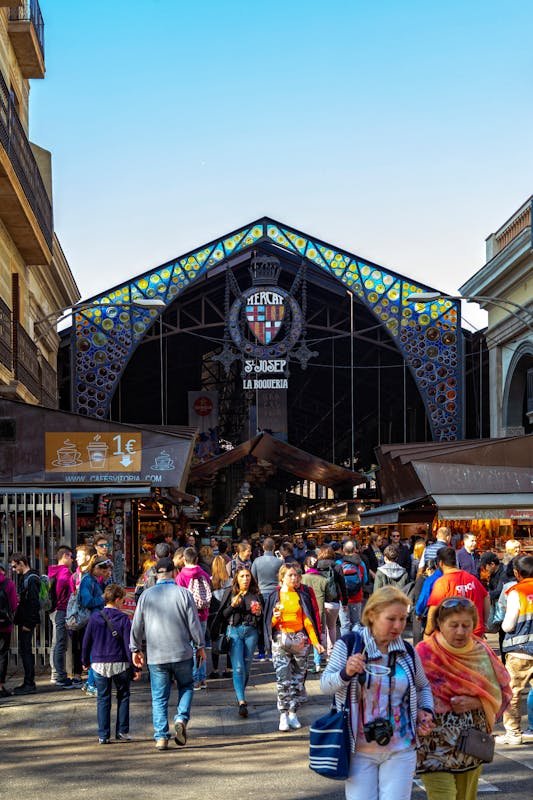
Tourist traps are everywhere — overpriced restaurants next to major sights, taxi drivers who “conveniently” know a great shop along the route, gem investment scams, fake monks collecting donations, switched price menus, and attractions with long queues that deliver a mediocre experience. Avoiding them isn’t about being cynical or paranoid — it’s about making better choices that give you more authentic, enjoyable experiences at lower cost.
The Restaurant Trap
The most universal tourist trap is the overpriced, mediocre restaurant positioned near the major attraction. The restaurant on the main square, the café directly opposite the Eiffel Tower, the sushi bar next to the Tsukiji Fish Market — all are typically worse value and lower quality than restaurants one or two blocks away where locals actually eat. Rules to avoid bad restaurants:
- Walk one or two streets from any major tourist sight before choosing where to eat.
- Avoid any restaurant with a host outside actively recruiting customers.
- Look for restaurants with handwritten menus in the local language (or both languages) rather than glossy picture menus in English only.
- Restaurants that are full of local people at lunchtime are almost always better quality and better value.
- Use Google Maps reviews with skepticism — focus on recent reviews and look for mention of local patronage versus tourist crowds.
The Taxi Trap
Unofficial taxis, airport “fixers,” and cabs without meters are a global problem. Solutions: Use rideshare apps (Uber, Grab, Lyft, Bolt, Didi) wherever available — they show the price before booking, the driver’s identity is registered, and the trip is tracked. For official taxis, insist on the meter or agree a price before getting in. At airports, use only the official taxi stand or pre-book a transfer. In countries where rideshare apps aren’t available, use hotel/guesthouse recommendations for transport.
Common Scams to Know
- The friendship bracelet/ring: Someone approaches and ties a bracelet on your wrist before you can stop them, then demands payment. Walk away — you don’t owe them anything.
- The fake petition: Someone approaches with a clipboard for you to sign, then demands a donation. It’s a distraction — the petition means nothing, and sometimes the clipboard is cover for pickpockets working nearby.
- The gem/investment scam: A friendly local tells you about a special way to make money by buying gems (or anything) cheaply here and selling at home. It’s always a scam.
- The switched menu: You order from one menu and receive a bill with different (higher) prices. Always confirm prices before ordering and check the itemized bill carefully.
- The closed attraction: A helpful stranger tells you your intended destination is closed today (for whatever reason) and offers to take you to an alternative. Always verify closure information at the actual entrance.
Shopping Traps and Overpriced Souvenirs
Souvenir shopping near major attractions is reliably the worst value at any destination — the same item will cost 30–70% less two or three streets from the tourist zone, and often considerably less at local markets away from the center. Specific patterns to avoid:
- “Made locally” claims: At most tourist destinations, the vast majority of souvenir items are manufactured in the same factories regardless of where they’re sold. Items sold as “authentic” or “locally made” in airport shops or tourist-area boutiques are generally neither. Markets where local artisans sell their own work (look for visible workshop spaces, uneven handmade characteristics, the seller who made the item) are the exception.
- Guided tour shopping stops: Budget tours that include “free” stops at specific shops are subsidized by the shops, which pay commissions to the tour company. The prices at these stops are elevated to cover the commission. Feel free to browse; buying is optional regardless of any social pressure from the guide.
- Currency confusion: Sellers in high-traffic tourist areas may present prices in ways designed to create confusion — quoting in one currency, receiving payment in another, or providing change in smaller-denomination bills that don’t add up correctly. Count change carefully before leaving any transaction.
- Airport duty-free: Genuine duty-free savings exist for some categories (alcohol, tobacco, specific cosmetics), but many items marketed as “duty-free” in airports are priced at or above street prices in the destination city. Check prices on items you’re considering before your flight.
Overrated vs. Worth the Hype
Not every famous attraction is a trap — some genuinely deserve their reputation. The Sistine Chapel, Machu Picchu, the Northern Lights, and the Grand Canyon are extraordinary. But some famous attractions disappoint: the Mona Lisa is surprisingly small and seen from behind a crowd behind barriers; the Little Mermaid statue in Copenhagen is a bronze figure of modest size surrounded by hundreds of tourists with cameras; the Leaning Tower of Pisa is impressive but requires significant travel from anywhere useful. Research specific attractions rather than visiting everything famous as a matter of routine — your time is limited and should be spent on what will genuinely matter to you.
How to Find Authentic Experiences Instead
The antidote to tourist traps is the same approach that made the trap possible in the first place: research. The difference is where you look and who you ask:
- Ask your accommodation staff: “Where do you go for [local dish]?” or “What’s the neighborhood people in [city] actually live in?” are questions that produce genuinely useful answers from guesthouse and hotel staff who want you to have a good experience. They know what’s nearby and what’s good.
- Reddit destination communities: Every major travel destination has an active subreddit (r/paris, r/tokyo, r/bali) where locals and experienced travelers answer specific questions. A search for “tourist trap” or “avoid” in these communities will return years of honest advice from people with no commercial interest in your decisions.
- Go where the attraction is free: Street food markets, neighborhood parks, local beaches, public festivals, and neighborhood commercial streets that serve residents rather than tourists are where authentic experiences are concentrated. They’re also almost always better value.
- Travel in the shoulder season: The most crowded, most tourist-trap-saturated experience of any destination is in peak summer. The same destination in April or October has shorter queues, lower prices, more local presence, and often better weather than the August peak.

The Best Advice: Talk to Other Travelers and Locals
The most reliable source of current, practical advice about tourist traps is other travelers who have just been to your destination. Hostel common rooms, online travel forums (Reddit’s r/travel is particularly valuable), and Facebook groups for specific destinations are full of recent, specific information about what to avoid and what’s genuinely worth doing. Local tourism workers — guesthouse staff, tour guides, cafes staff — can also be excellent sources of honest advice if you ask them directly: “Where do you actually eat?”