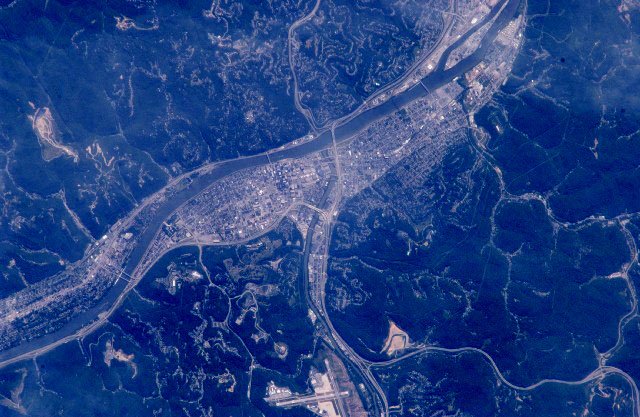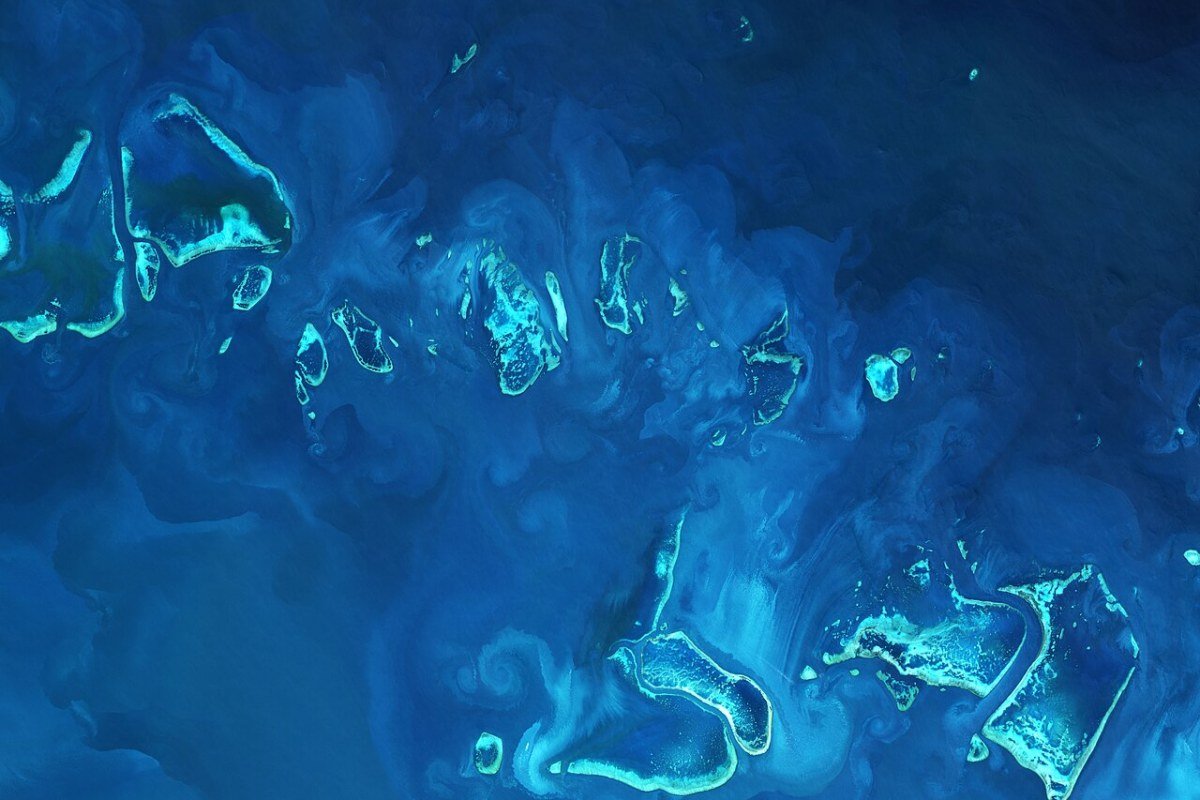
The Great Barrier Reef is the world’s largest living structure — a complex of more than 2,900 individual reefs and 900 islands stretching 2,300 kilometers along the Queensland coast, visible from space. It contains an estimated 1,500 species of fish, 4,000 species of mollusc, 240 species of bird, 6 species of sea turtle, 30 species of whale and dolphin, and more forms of coral than most people know exist. It is also, by any honest assessment, in serious trouble — repeated mass coral bleaching events driven by ocean warming have damaged 50% or more of the reef’s coral cover since 2016. The choice to visit is not a simple one, but for those who come with awareness and care, the Great Barrier Reef remains one of the most extraordinary experiences on earth. Here’s how to do it responsibly and memorably.
How to Access the Reef: The Best Gateways
The reef is accessed via day boats and liveaboard dive vessels from several Queensland ports, each offering different experiences:
- Cairns: The most popular gateway, with dozens of day boat and liveaboard options. The outer reef is about 90 minutes by fast catamaran. Operators range from large budget boats (60+ passengers, lower cost) to premium small-group vessels (12–30 passengers, better sites, higher cost). The sheer volume of Cairns reef traffic means some sites near Cairns are heavily visited — choose operators with exclusive site permits for a less crowded experience.
- Port Douglas (70km north of Cairns): Generally considered a better base for the outer reef, with less-trafficked dive sites and the beautiful Low Isles (a coral cay with excellent snorkeling reachable in 30 minutes by boat) as an alternative for non-swimmers. Operators like Wavelength and Calypso are well-regarded.
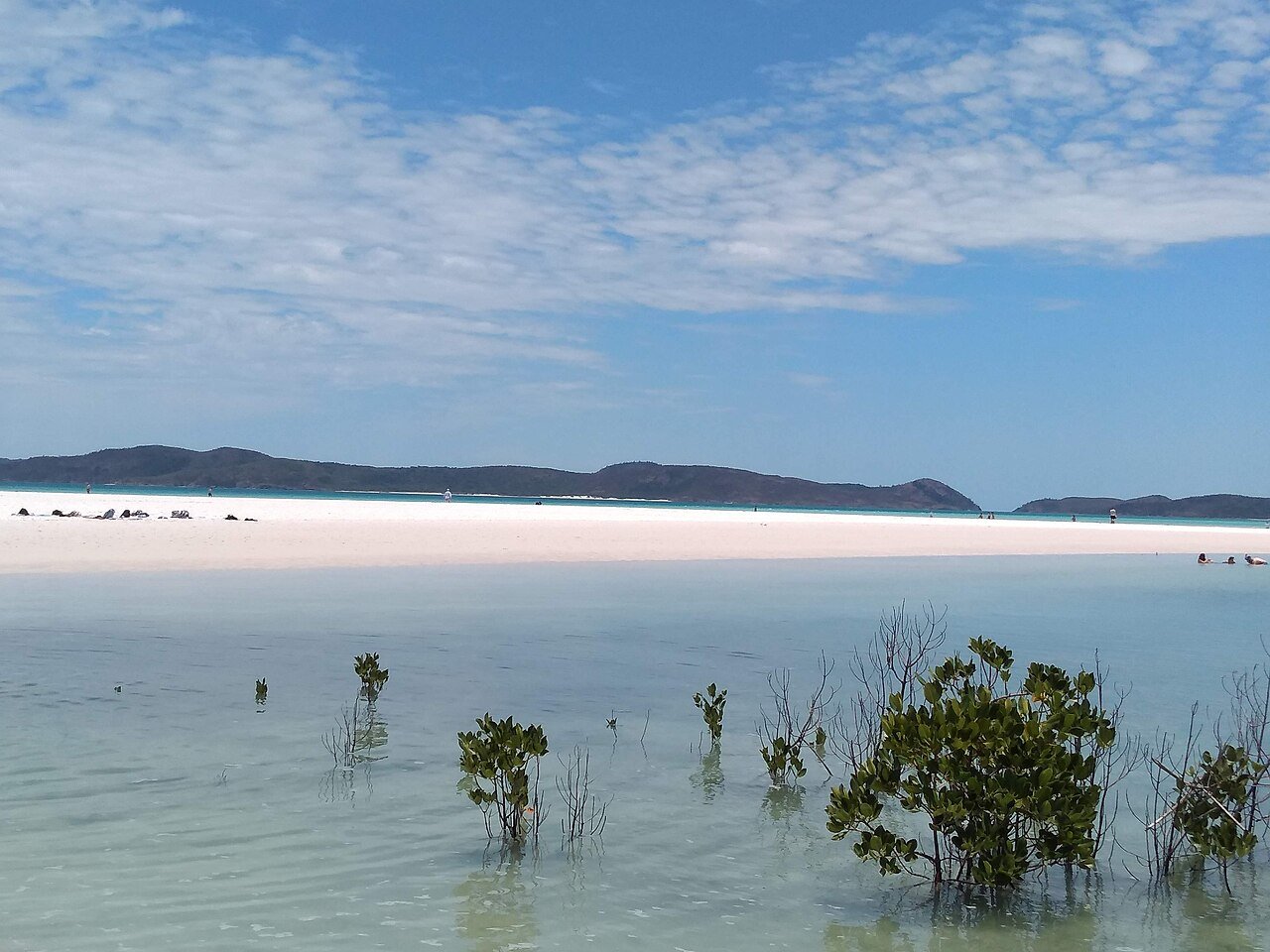
- Airlie Beach and the Whitsundays: Access to the Whitsunday Islands — 74 islands between the reef and the coast — and Bait Reef on the outer reef. Whitehaven Beach (9km of silica-white sand, one of the finest beaches in Australia) is the headline attraction. The Heart Reef (a naturally occurring heart-shaped coral formation, best viewed from a scenic flight) is iconic.
- Townsville: Less visited and better for serious divers — the SS Yongala, a 110-meter passenger steamship that sank in a cyclone in 1911, is one of the world’s greatest wreck dives, encrusted with extraordinary coral and inhabited by huge grouper, bull sharks, sea turtles, manta rays, and eagle rays. Accessible from Townsville on liveaboard or day boats.
- Lady Elliot Island (southernmost point of the reef, off Bundaberg): A coral cay eco-resort and the best place in the world to swim with manta rays — they aggregate here year-round in numbers unmatched elsewhere on the reef.
Snorkeling vs. Diving: Which is Right for You?
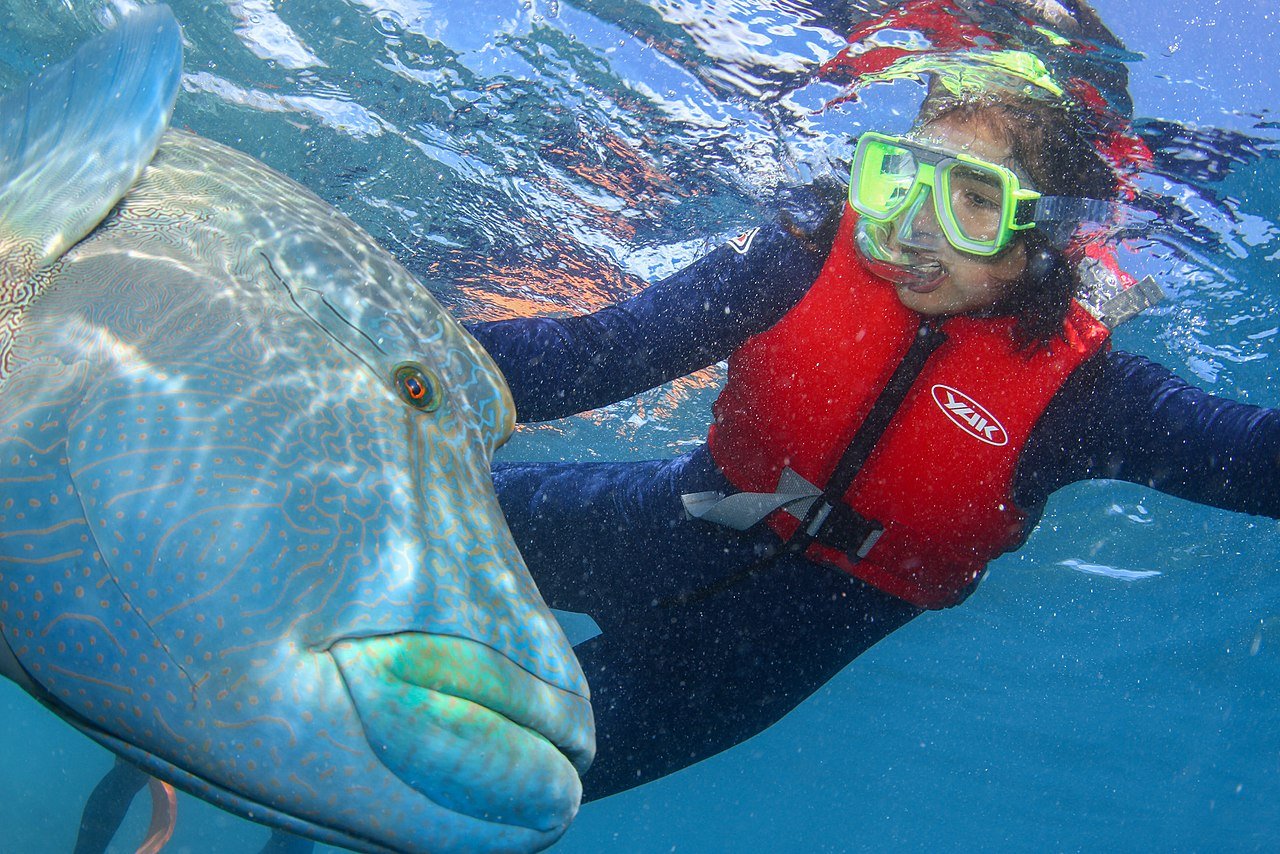
You don’t need to be a certified diver to experience the reef’s wonders — snorkeling from the surface gives excellent views of shallow coral gardens and their inhabitants in many locations, particularly on the inner reef. The outer reef has deeper, clearer water and is generally better for diving, but the upper 3–5 meters still provide exceptional snorkeling visibility where the coral is healthy. Most day boats include snorkeling equipment in their base price. Most also offer introductory dives for complete beginners (no certification required, under constant supervision from an instructor) for an additional $80–$150 — this is widely considered the single best way for a non-diver to experience the reef properly. Certified divers should book dedicated dive boats (rather than snorkeling boats that also offer diving) for the best site selection and instructor ratio. PADI Open Water certification (3–4 days, available in Cairns) provides full access to the outer reef’s finest sites and is one of the best investments for anyone planning more than one day on the reef.
What You’ll See
The marine life of the healthy sections of the Great Barrier Reef is extraordinary. Green sea turtles are commonly encountered — large, gentle, entirely unconcerned by snorkelers and divers who maintain respectful distances. Reef sharks (whitetip, blacktip, and grey reef sharks) patrol the outer reef edges — common, entirely non-threatening to careful divers. Manta rays (up to 7 meters wingspan) glide through the water column with a grace that is difficult to describe. Maori wrasse (Napoléon wrasse) — massive, prehistoric-looking fish with a distinctive hump on the forehead — are the friendliest large fish on the reef, often approaching divers out of curiosity. The coral gardens themselves, where healthy, are of extraordinary beauty: brain corals, plate corals, staghorn corals, fan corals, and table corals in vivid purples, oranges, pinks, and greens provide a backdrop for endless schools of parrotfish, surgeonfish, angelfish, butterflyfish, and clownfish.
The Reef’s Health: An Honest Assessment
The Great Barrier Reef has experienced five mass coral bleaching events since 1998, with 2016, 2017, and 2022 causing the most extensive damage. Bleaching occurs when ocean temperatures rise above the coral’s tolerance threshold — the coral expels the symbiotic algae (zooxanthellae) that give it both color and nutrition, turning white. If temperatures return to normal quickly, coral can recover; if elevated temperatures persist, the coral starves and dies. The northern sections of the reef (between Cairns and Cape York) have been most severely affected; the southern reef around the Whitsundays and Capricorn-Bunker Group remains healthier. The Australian Institute of Marine Science’s annual coral reef surveys monitor the situation in detail and their reports are publicly available for specific planning. The reef is worth visiting now — for its own extraordinary remaining beauty, and because understanding what’s at stake makes the conservation case more vivid than any documentary can.
Responsible Visiting
- Never touch, stand on, or collect coral — even brief contact can kill coral polyps that have grown for decades.
- Use only reef-safe sunscreen (zinc oxide-based) — oxybenzone and octinoxate in conventional sunscreen are documented to damage coral DNA and promote bleaching at very low concentrations.
- Choose operators with the Advanced Eco Certification from the Great Barrier Reef Marine Park Authority — these operators contribute to ongoing reef monitoring.
- Never feed fish or touch marine wildlife — it disrupts natural behaviors and can cause harm to both animals and divers.
- If you see crown-of-thorns starfish (a major predator of coral, naturally occurring but periodically at epidemic population levels), report sightings to the Marine Park Authority’s CoTS control program.