

Arkansas: America’s Natural State Delivers More Than You Expect
Arkansas carries a reputation gap — the distance between what most people assume about it and what they actually find when they go. The Natural State, as its license plates proclaim, is one of the most ecologically diverse places in the South: the Ozark Mountains in the north, the Ouachita Mountains in the west, the Mississippi Delta lowlands in the east, and river systems of extraordinary clarity threading through all of it. The state is also home to Crystal Bridges — a world-class art museum that any major American city would be proud to claim — built in the unlikely setting of Bentonville, a Walmart headquarters town in the northwest corner of the state that has quietly reinvented itself as a cultural destination.
Arkansas rewards the traveler who approaches it without assumptions. Here is what the state actually offers.
Buffalo National River: America’s First National River
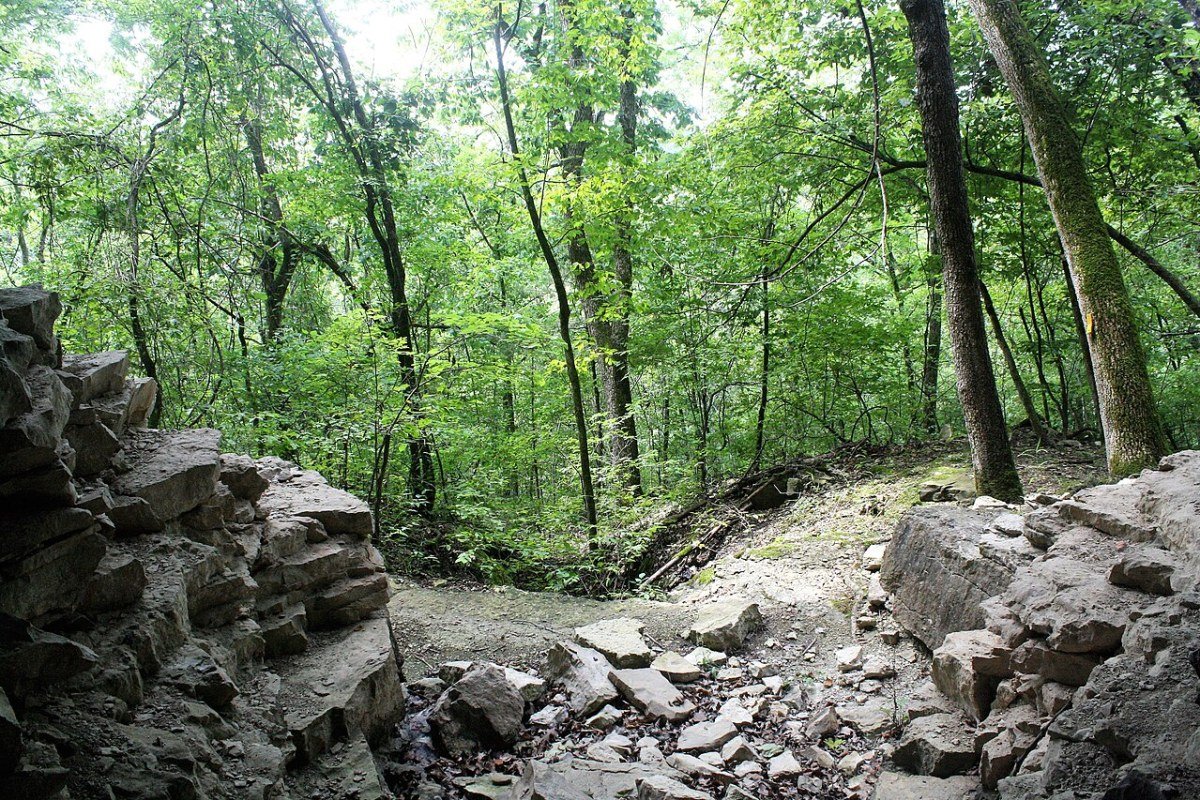
The Buffalo River was designated America’s first national river in 1972, protecting 135 miles of free-flowing water through the heart of the Arkansas Ozarks. The Buffalo is extraordinary by any measure: its water clarity rivals the best streams in Appalachia or the Ozarks, its limestone bluffs rise hundreds of feet above the river channel in places, and the riparian corridor it runs through supports an ecosystem that has been largely protected from development for half a century.
The most popular activities on the Buffalo are float trips by canoe or kayak. The upper river (from Boxley Valley to Pruitt) is steeper, more technical, and most rewarding in spring when water levels are higher. The middle river (Pruitt to Highway 14) offers the most dramatic bluff scenery and is navigable at moderate water levels through most of the year. The lower river is calmer and wider, excellent for family floats. Outfitters in Jasper, Marshall, and Gilbert offer canoe and kayak rentals with shuttle service.

Hiking in the Buffalo National River area is excellent. The Goat Trail/Centerpoint Trail loop in the Ponca Wilderness offers the most dramatic scenery: the trail traverses the face of Big Bluff — a 550-foot vertical limestone wall above the river — along a narrow ledge that rewards hikers with views that have no peer in the Ozarks. The Lost Valley Trail near Ponca leads to a canyon with a waterfall and a small cave — one of the best short hikes in the state.
Crystal Bridges Museum of American Art (Bentonville)
Crystal Bridges opened in 2011, funded entirely by Alice Walton (Walmart heiress) with an endowment that has been estimated at over $1.2 billion. The museum’s permanent collection spans five centuries of American art, from colonial portraiture to contemporary installations, with particular depth in 19th and early 20th century American painting. The collection includes works by Thomas Hart Benton, John Singer Sargent, Georgia O’Keeffe, Winslow Homer, and Norman Rockwell at a level of quality that is genuinely comparable to major national institutions — the kind of collection you would expect to find in Chicago or Washington, D.C., not a town of 50,000 in northwest Arkansas.
The building itself — designed by Moshe Safdie — integrates into a natural ravine with ponds and creek-side trails connecting gallery buildings through a forested landscape. Admission is free for the permanent collection, making it accessible in a way that major metropolitan art museums rarely are. The Walmart Art Collection, which rotates through the museum, brings significant contemporary works to Bentonville on a regular basis.
Eureka Springs: Victorian Mountain Town
Eureka Springs, tucked into the Ozark hills near the Missouri border, is Arkansas’s most idiosyncratic destination — a Victorian resort town built around medicinal springs in the 1880s that has survived into the 21st century with its eccentric, winding streets, steep hillsides, and concentration of boutique hotels, galleries, and restaurants largely intact. The entire downtown historic district is listed on the National Register of Historic Places.
The town draws an artsy, progressive crowd that is unusual for rural Arkansas — its annual blues festival, Pride celebration, and arts scene reflect a community that has cultivated a distinctive identity. The Crescent Hotel, built in 1886 and reputed to be among the most haunted hotels in America, offers historic accommodation with a ghost tour component that has become one of the more entertaining tourist experiences in the Ozarks.

Hot Springs National Park
Hot Springs is one of the most unusual national parks in the system — the park protects 47 thermal springs that produce 700,000 gallons of 143°F water daily, and it sits entirely within the city of Hot Springs rather than in a remote wilderness setting. Bathhouse Row, the park’s historic centerpiece, is a National Historic Landmark containing eight neoclassical bathhouses built between 1892 and 1923 when Hot Springs was a major destination for wealthy visitors seeking therapeutic bathing.
Two bathhouses still operate for bathing: the Buckstaff, which has been continuously operating since 1912, offers traditional thermal bathing services in its original early 20th-century format. The Quapaw Baths and Spa, renovated in the 21st century, offers contemporary spa experiences in a beautifully restored historic building. Several other bathhouses have been converted to other uses — the Fordyce houses the park visitor center with an excellent interpretation of the park’s cultural history.
Outdoor Recreation: Ozarks and Ouachitas
Beyond the Buffalo River, Arkansas’s outdoor recreation scene spans two major mountain ranges with genuinely excellent trails, rivers, and lakes. The Ouachita National Forest covers 1.8 million acres across western Arkansas and eastern Oklahoma, making it the largest national forest in the South. The Ouachita Trail — 223 miles from Talimena State Park in Oklahoma to Pinnacle Mountain State Park near Little Rock — is one of the premier long-distance trails in the central United States, traversing ridgelines and valleys through terrain with little human development.
Lake Ouachita, at 40,000 acres the largest lake entirely within Arkansas, is consistently ranked among the clearest lakes in the eastern United States and offers excellent bass fishing, scuba diving in unusually clear water, and camping at lakeside sites accessible only by boat. Cossatot River State Park contains some of the most demanding whitewater in the Midwest during high-water conditions — a Class IV and V stretch that draws experienced kayakers from across the region.
Arkansas is genuinely one of America’s most underrated travel destinations — a state where world-class art, extraordinary river scenery, Victorian resort towns, and some of the best paddling and hiking in the South coexist with crowds and prices that haven’t yet caught up with the experience on offer.