Canada is the second-largest country on earth, stretching from the Atlantic Ocean to the Pacific and up into the Arctic — a distance of over 5,500 kilometers coast to coast. Within that enormous area lies an extraordinary variety of landscapes: the fjords and iceberg-dotted waters of Newfoundland, the pastoral beauty of Prince Edward Island, the sophisticated cities of Montreal and Toronto, the jaw-dropping mountain scenery of the Rockies, the rainforests and wildlife of British Columbia, and the vast, remote wilderness of the Yukon and Northwest Territories. Here are the twelve places that best represent Canada’s remarkable diversity.
1. Banff and the Canadian Rockies
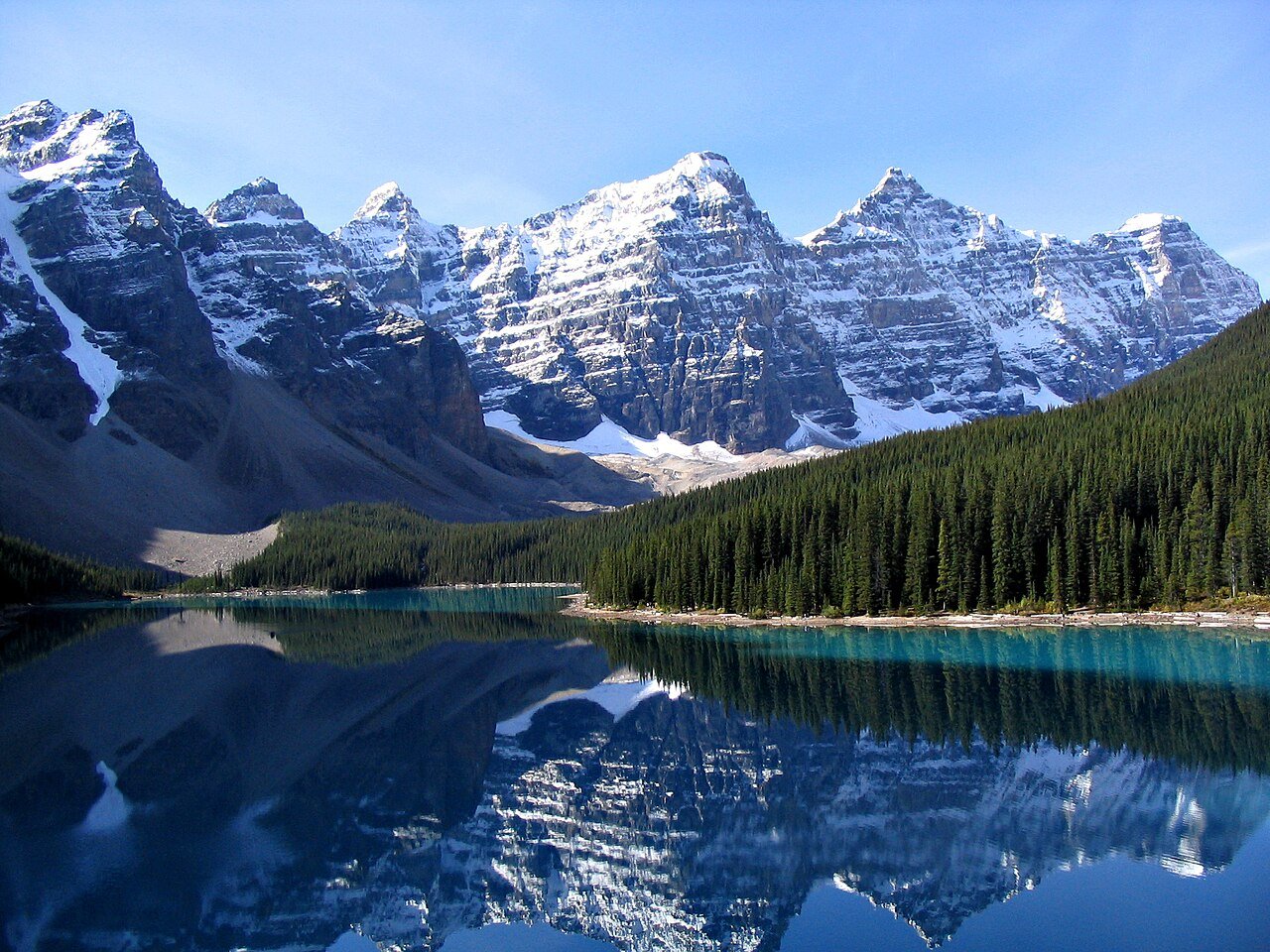
The Canadian Rockies are among the most spectacular mountain landscapes on earth. Banff National Park — Canada’s oldest — is the crown jewel, with turquoise glacially-fed lakes (Moraine Lake and Lake Louise are genuinely as beautiful as they look in photographs), dramatic mountain peaks, excellent hiking, world-class ski resorts, and an abundant wildlife population including grizzly and black bears, elk, bighorn sheep, and mountain goats. The Icefields Parkway (Highway 93) between Banff and Jasper is frequently listed as one of the world’s most scenic drives.
2. Vancouver
Vancouver is consistently ranked among the most liveable cities in the world, and a visit quickly reveals why. The combination of extraordinary natural setting (mountains to the north, ocean to the west, the islands of the Georgia Strait offshore), excellent food and culture, mild climate (by Canadian standards), and outdoor recreation opportunities within minutes of downtown is genuinely remarkable. Stanley Park (1,000 acres of forest and seawall on a peninsula in Burrard Inlet), Granville Island Public Market, the Capilano Suspension Bridge, and the world-class food scene in the Richmond area’s “Golden Village” are all highlights.
3. Quebec City
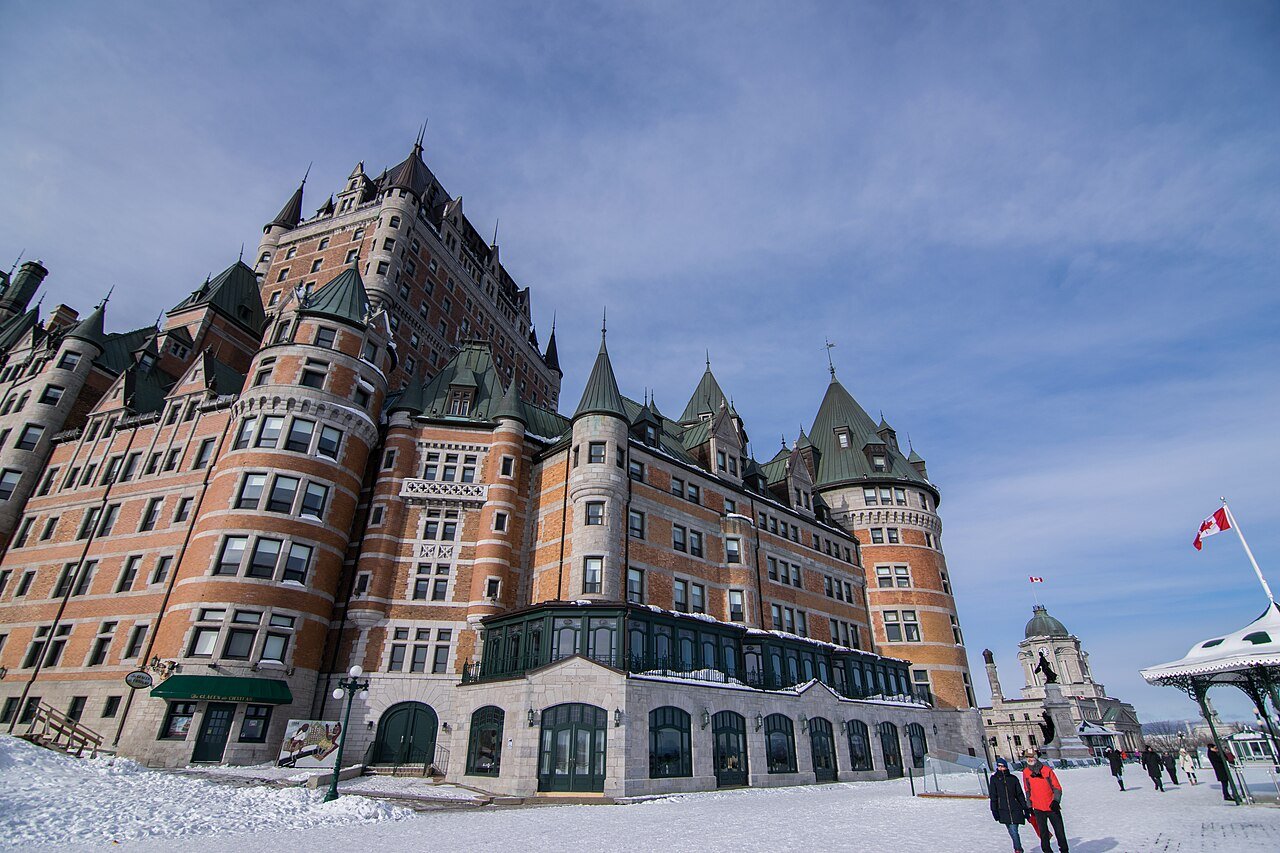
Quebec City is North America’s only walled city north of Mexico — a UNESCO World Heritage Site that feels more like a European city than anything else on the continent. The Old Town (Vieux-Québec) is divided into Upper Town (Haute-Ville), dominated by the Château Frontenac hotel, and Lower Town (Basse-Ville), with its restored 17th- and 18th-century buildings around Place Royale. The city is determinedly French-speaking, with remarkable food (tourtière, poutine, maple syrup-based everything) and a joie de vivre that is entirely authentic.
4. Toronto
Toronto is Canada’s largest city and one of the most ethnically diverse cities in the world — over half its population was born outside Canada. This diversity drives an extraordinary food scene: Little Italy, Chinatown (multiple), Little Portugal, Greektown, Little India, and Koreatown are all distinct, vibrant neighborhoods each with their own character. The CN Tower, the Royal Ontario Museum, and the Art Gallery of Ontario are the major tourist attractions, but the neighborhoods — Kensington Market, Distillery District, Queen West — are where Toronto’s true character lives.
5. Montreal
Montreal is perhaps the most distinctively European city in North America — a bilingual metropolis (French and English coexist, often within the same sentence) with extraordinary food, vibrant nightlife, world-class festivals (the Jazz Festival in June, Just for Laughs in July, Osheaga in August), and a cultural confidence that is uniquely Québécois. Old Montreal (Vieux-Montréal) has 17th-century stone buildings and excellent restaurants; the Plateau-Mont-Royal and Mile End neighborhoods are where the city’s creative class has settled.
6. Niagara Falls
Niagara Falls is one of the most famous natural wonders in the world — three waterfalls (the Horseshoe Falls, the American Falls, and the Bridal Veil Falls) where the Niagara River drops over the Niagara Escarpment between Lake Erie and Lake Ontario. The Canadian side (in Ontario) offers the best views of the more impressive Horseshoe Falls. The Maid of the Mist boat tour takes you directly into the mist below the falls. Beyond the falls, the Niagara-on-the-Lake area has excellent wineries and the excellent Shaw Festival theatre company.

7. Cape Breton Island, Nova Scotia
Cape Breton is the northern part of Nova Scotia, connected to the mainland by a causeway. The Cabot Trail — a 298-kilometer loop around the highlands — is considered one of the world’s most scenic coastal drives, with views of the Gulf of St Lawrence and the Atlantic from dramatic clifftops, with moose and bald eagles commonly spotted along the route. The Celtic traditions brought by Scottish Highland emigrants are still alive in the music, dance, and Gaelic language communities of Cape Breton.
8. Churchill, Manitoba
Churchill on the western shore of Hudson Bay is one of the best places in the world to see polar bears in the wild — the bears congregate near the town each October and November waiting for the bay to freeze. The town is also a prime location for viewing the Northern Lights in winter and beluga whales in summer. It’s one of the world’s great wildlife destinations — remote, expensive to reach, but completely unforgettable.
9. Prince Edward Island
Prince Edward Island (PEI) is Canada’s smallest province and one of its most charming — an island of red soil, pastoral farmland, and some of the finest seafood in the country. The island is the home of Lucy Maud Montgomery’s Anne of Green Gables, and the literary heritage is celebrated throughout the province. The beaches on the north shore (Cavendish, Greenwich) are warm (by Atlantic Canadian standards), beautiful, and backed by dramatic red sandstone dunes. PEI lobster, served at the roadside lobster suppers that appear throughout the island in summer, is exceptional.

10. Jasper National Park
Jasper, north of Banff on the Icefields Parkway, is larger, wilder, and less crowded than its famous neighbor. The Athabasca Glacier — the most visited glacier in North America — is accessible by foot or glacier tour vehicle. The Jasper Dark Sky Preserve is one of the world’s largest, making the town an excellent stargazing destination. Wildlife is abundant: Jasper has the highest density of grizzly bears of any national park in the Canadian Rockies.
11. Victoria, British Columbia
Victoria, on the southern tip of Vancouver Island, is a beautifully preserved British colonial city — afternoon tea at the Fairmont Empress Hotel, the elaborate Butchart Gardens (one of the world’s great private gardens), whale watching in the Strait of Juan de Fuca, and an excellent array of local craft breweries. The city has a mild, relatively dry climate (shielded from the worst of BC’s rain by the Olympic Mountains) that makes it particularly pleasant in spring, when the cherry blossoms are extraordinary.
12. Newfoundland
Newfoundland is Canada’s most recent province (it joined Confederation only in 1949) and one of its most distinctive — a rugged Atlantic island with a culture shaped by centuries of fishing, its own unique dialect and music, and a landscape of fiords, sea stacks, and icebergs that drifts down the Labrador Current each spring. L’Anse aux Meadows, on the northern tip of the Great Northern Peninsula, is the site of the only confirmed Norse settlement in North America (approximately 1000 AD) and a UNESCO World Heritage Site. Gros Morne National Park is extraordinary — a UNESCO World Heritage Site with fjords, ancient mountain plateaus, and geological formations that have contributed significantly to our understanding of plate tectonics.