
Best Places to Live in West Virginia 2026: Morgantown, Lewisburg, and Fayetteville
West Virginia’s residential landscape offers something increasingly rare in the United States — genuinely affordable living in beautiful natural settings, with a pace of life and community character that larger, more expensive states cannot replicate. The state’s best residential communities are not large: Morgantown (30,000 permanent residents + 30,000 WVU students), Lewisburg (4,000 residents in the Greenbrier Valley), Fayetteville (3,000 residents at the New River Gorge National Park gateway), and Charleston (the capital at 50,000, large by West Virginia standards). The choice between them is primarily about employment and lifestyle — WVU’s employment anchor in Morgantown versus the outdoor recreation identity of the gorge country versus the agricultural and arts character of the Greenbrier Valley. For remote workers, all three offer the combination of natural beauty, authentic community, and cost structure that makes West Virginia a legitimate relocation destination for households with income independence.
1. Morgantown: West Virginia’s Most Dynamic City
Morgantown is West Virginia’s most economically dynamic community — WVU’s 30,000 students and the university’s research and medical programs (WVU Medicine/Ruby Memorial Hospital employs 10,000+) provide an employment and cultural base that generates the most active restaurant, arts, and nightlife scene in the state. The downtown (High Street) concentrates bars, restaurants, and independent shops within walking distance of campus; the Monongalia Arts Center and WVU’s Creative Arts Center provide cultural programming at a level unusual for a city of Morgantown’s size. The Mon River Trail (48 miles of rail-trail along the Monongahela River) and access to the nearby Coopers Rock State Forest (30+ miles of hiking and mountain biking) provide exceptional outdoor recreation from an urban base. Housing median $280,000–$360,000 with significant rental stock serving the university population.

2. Lewisburg: The Greenbrier Valley Gem
Lewisburg, in the Greenbrier Valley, is the most architecturally and culturally compelling small city in West Virginia — a National Register Historic District of antebellum homes and commercial buildings on a compact walkable grid, with a Carnegie Hall arts center (one of only five Carnegie Halls built in the US, now an active performing arts venue), independent restaurants, bookstores, and galleries that punch far above the city’s 4,000-resident scale. The proximity to the Greenbrier resort (10 minutes), the Greenbrier River Trail (77 miles of rail-trail through the mountains), and the Seneca Rocks area (90 minutes) provides outdoor recreation access across the full range. The Lewisburg Farmers Market, the West Virginia State Fair (held annually in Lewisburg), and the Greenbrier Valley Theatre’s professional productions give the community a cultural calendar that sustains year-round engagement. Home prices $220,000–$320,000 for renovated historic properties.
3. Fayetteville: National Park Gateway
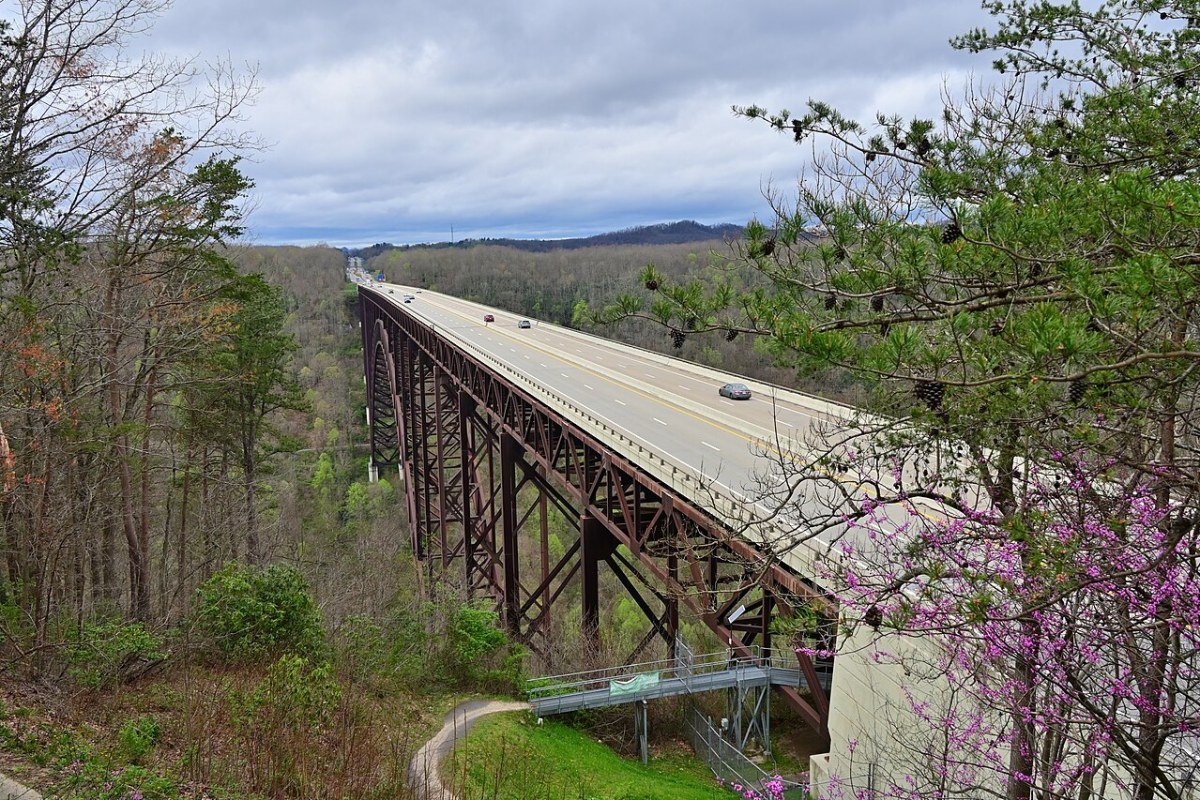
Fayetteville, the county seat of Fayette County and the primary gateway community for New River Gorge National Park, has been transformed by the park’s 2020 designation into one of the fastest-growing small communities in the state. Court Street’s concentration of outdoor outfitters, restaurants, and craft beer taprooms (Cathedral Cafe, Pies & Pints, Bridge Brew Works) reflects the community’s complete embrace of the adventure tourism identity. The proximity to New River whitewater (20 minutes), rock climbing (15 minutes to the gorge crags), and the Gauley River (40 minutes) makes Fayetteville the best outdoor recreation residential address in West Virginia. Home prices have appreciated from historically very low levels to $180,000–$280,000 for the most desirable properties — still exceptional value by national standards for the outdoor access provided.
4. Charleston: Capital City Stability
Charleston, the state capital and largest city, provides West Virginia’s most complete urban amenity — the Clay Center for the Arts and Sciences (the state’s premier art museum and performing arts venue), the Appalachian Power Park (minor league baseball), a revitalized Capitol Market in a former railroad station, and the WV State Capitol building (the Italian Renaissance dome larger than the US Capitol) anchor a downtown that is modest in scale but genuine in character. State government employment (20,000+ state employees) provides stability. The surrounding Kanawha County has some of the state’s most accessible outdoor recreation: Kanawha State Forest (9,300 acres with 25 miles of trails) within 5 miles of downtown. Housing median $150,000–$220,000 makes Charleston the most affordable state capital residential market in the United States.
5. Harpers Ferry: History at the Confluence
Harpers Ferry, at the confluence of the Shenandoah and Potomac Rivers where West Virginia, Virginia, and Maryland meet, occupies the most dramatic geographic setting of any town in West Virginia — a lower town of historic buildings preserved as Harpers Ferry National Historical Park (site of John Brown’s 1859 raid) perched on a narrow peninsula between two rivers with Jefferson Rock’s panoramic view above. The community (permanent population under 300) functions more as a tourism and outdoor recreation destination than a conventional residential community, but the surrounding Jefferson County communities (Shepherdstown, Charles Town) provide affordable residential options with the same scenic and recreational access. The Appalachian Trail crosses the Potomac at Harpers Ferry, and the C&O Canal towpath provides car-free cycling to Washington D.C. 65 miles downstream.
Who West Virginia Is Right For
West Virginia rewards honest self-assessment about lifestyle priorities. The state is an exceptional fit for remote workers with established income who value outdoor recreation, affordability, and authentic community over urban amenity and employment density — the combination of the Ascend WV cash grant, housing prices 50–70% below national averages, and immediate access to world-class whitewater, climbing, and hiking creates a quality-of-life package that is genuinely difficult to replicate elsewhere. It is a poor fit for households dependent on local employment in tech, finance, or professional services (the state simply does not have these jobs at scale), or households who prioritize proximity to major metropolitan cultural infrastructure. The state’s residents know this about themselves and have made peace with it — West Virginia’s authentic Appalachian character is a feature, not a bug, for the right demographic.