Best Places to Live in Virginia 2026: Arlington, Richmond, Charlottesville, and Beyond
Virginia’s residential geography spans an extraordinary range — from the dense, transit-connected Arlington neighborhoods where the Metro runs beneath your feet and Amazon’s new headquarters reshapes the skyline, to the Blue Ridge foothills communities where vineyards occupy former tobacco land and fiber broadband has made remote work viable in settings that would have been unimaginable as professional addresses a decade ago. The state’s combination of federal government stability, a growing private tech sector, excellent public universities, genuine four-season landscape, and moderate overall tax burden makes it consistently attractive for household relocations from both the Northeast and the Southeast. Choosing where in Virginia to live involves balancing employment access (concentrated in Northern Virginia), lifestyle priorities (coastal, mountain, or urban), and budget realities (the gradient from NorVa to the Shenandoah Valley is dramatic).
1. Arlington: Transit-Oriented DC Suburb
Arlington County, immediately across the Potomac from Washington D.C., is the most urban and transit-connected community in Virginia — five Metro lines (Orange, Silver, Blue, Yellow, and the newly extended Silver Line extension) provide car-free access to D.C. and the broader regional job market. The Rosslyn-Ballston corridor (a linear urban development following the Orange/Silver line) concentrates high-density mixed-use development in a form that is unusual in Virginia’s otherwise suburban landscape; Amazon’s HQ2 at National Landing (Crystal City/Pentagon City) is driving the next generation of development. Neighborhoods including Clarendon, Lyon Village, and Westover offer Victorian-era housing stock alongside newer condominiums at medians of $750,000–$950,000. Arlington consistently ranks among the wealthiest counties in the United States by median household income.

2. Alexandria: Old Town Elegance
Alexandria’s Old Town neighborhood — 18th and 19th-century brick townhouses on a grid of cobblestone streets above the Potomac waterfront — is among the most beautiful historic neighborhoods in the eastern United States. The waterfront’s renovation has created a new mixed-use district alongside the existing King Street restaurant and retail corridor; the Metro’s Yellow and Blue lines provide D.C. access in 15 minutes. Old Town’s residential market ($700,000–$1.2M+ for townhouses) reflects the premium for historic character and waterfront access; Del Ray and Rosemont neighborhoods provide more accessible entry points at $550,000–$750,000 with the same Metro access and a neighborhood character defined by independent businesses on Mount Vernon Avenue.
3. Richmond: Fan District and Scott’s Addition
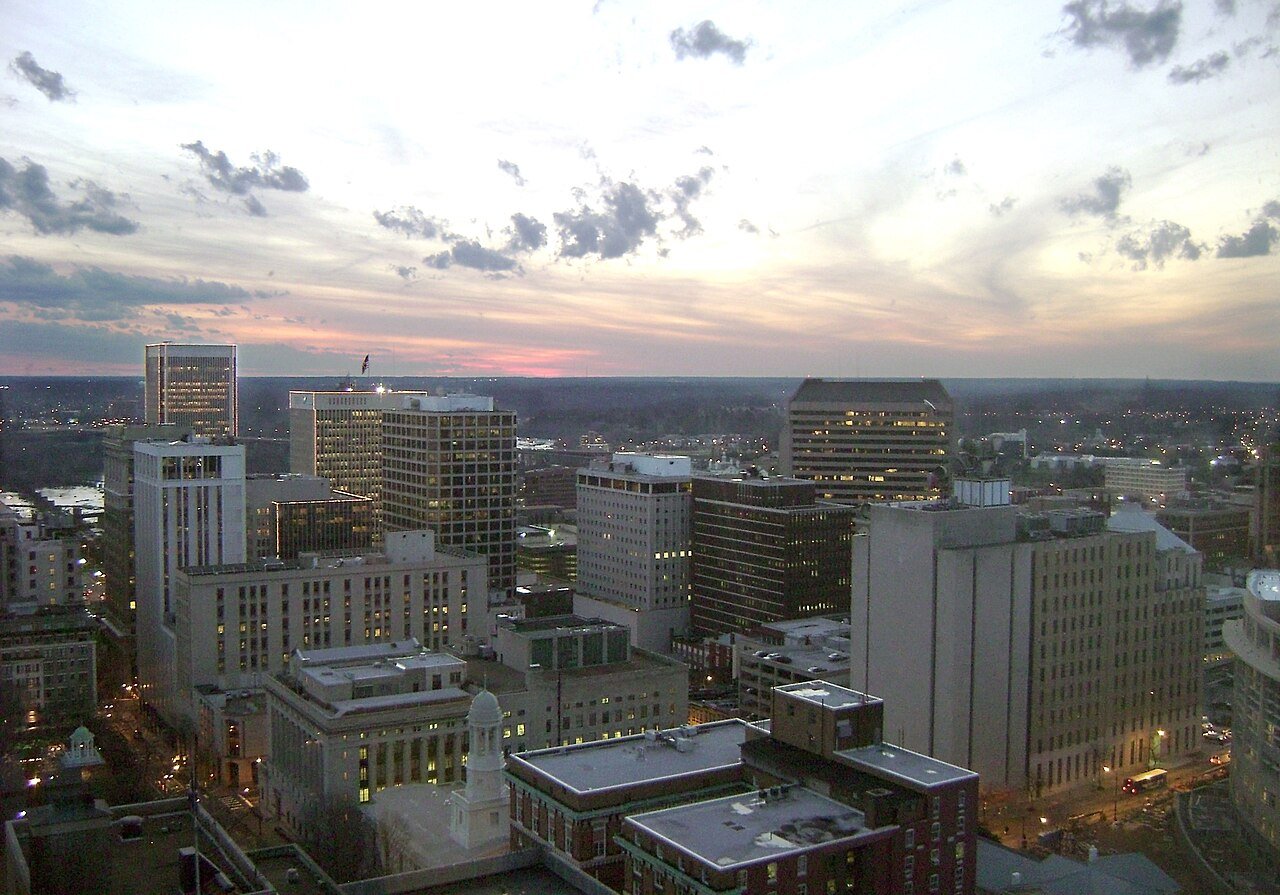
Richmond’s most vibrant residential neighborhoods reflect the city’s transformation from former Confederate capital to one of the South’s most creative mid-sized cities. The Fan District (named for its fan-shaped street grid radiating west from Monroe Park) is one of the largest intact Victorian neighborhoods in the country — three miles of Queen Anne and Colonial Revival rowhouses, grand porches, and tree-lined boulevards within walking distance of VCU, the Virginia Museum of Fine Arts, and Carytown’s independent retail. Scott’s Addition, the former industrial warehouse district north of the Fan, has been converted over the past decade into the brewery and residential district that defines Richmond’s current moment — craft beer taprooms, converted loft apartments, and a density of young professional energy that has made it the most written-about neighborhood in Virginia outside Northern Virginia. Median prices in the Fan run $350,000–$550,000; Scott’s Addition condos $280,000–$450,000.
4. Charlottesville: UVA and the Vineyard Life
Charlottesville’s residential appeal combines the walkable downtown (the Downtown Mall, a seven-block pedestrianized street that hosts the city’s independent restaurants, bookstores, and music venues under arching trees) with proximity to the wine country of the Monticello Wine Trail (40+ wineries within 30 miles). The Belmont neighborhood (affordable craftsman cottages south of the Downtown Mall, rapidly appreciating) and Fry’s Spring (established neighborhood near the UVA hospital) anchor the residential market at $380,000–$520,000. The University of Virginia’s employment base (the university and the UVA Health System are the dominant employers) provides stability; the Rivanna Trail system (25 miles of hiking and biking trails around the city’s perimeter) provides outdoor access that is exceptional for a city of Charlottesville’s size.
5. Roanoke: Star City Value
Roanoke, at the southern end of the Shenandoah Valley where the Blue Ridge Parkway meets the Appalachian Trail, is Virginia’s best value residential market for households prioritizing outdoor access — the Roanoke Valley has 500+ miles of hiking and mountain biking trails (including Explore Park, Carvins Cove Natural Reserve, and the Dragon’s Back trail network), a revitalized downtown (the Market Building farmers market, the Taubman Museum of Art’s Frank Gehry-inspired building, the emerging Grandin Village arts scene), and median home prices of $230,000–$310,000 that provide exceptional purchasing power. The city’s proximity to the Blue Ridge Parkway (entrance points within 15 minutes of downtown) makes it one of the finest outdoor lifestyle residential values in the eastern United States.
6. Virginia Beach: Coastal Living
Virginia Beach, with 35 miles of Atlantic coastline and a population of 460,000 (the largest city in Virginia), offers the full range of coastal residential options — from oceanfront condominiums on Atlantic Avenue to quiet suburban neighborhoods in the Princess Anne corridor and the rural farmland and nature preserves of the city’s rural western reaches. The Resort Beach District, Hilltop, and Alanton are the most in-demand residential neighborhoods, anchored by beach access and proximity to Town Center (the city’s urban commercial core). Military employment at Naval Station Norfolk (the world’s largest naval station) and Langley Air Force Base provides stable employment anchor; the Virginia Beach and Norfolk economies are among the most military-dependent in the country. Median home prices of $340,000–$420,000 offer coastal living at costs well below comparable Atlantic markets in the Northeast.
Making Your Decision
Choosing where to live in Virginia comes down to honestly matching your priorities with what each city and community genuinely delivers. Budget, career opportunities, access to outdoor recreation, climate preferences, and community character all weigh differently depending on your life stage and values — and no ranking can substitute for that personal assessment. The cities and towns profiled in this guide represent the strongest overall options, but Virginia has smaller communities that offer compelling alternatives for those willing to trade urban convenience for affordability, quieter living, or closer access to natural landscapes. If possible, spend at least a long weekend in your shortlisted communities before committing — the practical factors matter enormously, but so does the less quantifiable sense of whether a place simply feels right for where you are in life.