
Best Places to Live in South Carolina 2026: Charleston, Greenville, and More
South Carolina’s residential landscape has been transformed in the past decade by the Charleston metro’s emergence as a nationally recognized destination city, the Upstate’s Greenville achieving recognition as one of the most livable mid-sized cities in the Southeast, and a broader coastal appreciation that has made communities from Hilton Head to Pawleys Island among the most coveted retirement and remote-work destinations in the country. The state offers something genuinely rare in American real estate: a range of community types — urban, coastal, university town, mountain foothills — within a single state, all at price points below the national equivalents in comparable markets.
1. Charleston: The Holy City
Charleston is the most complete city in South Carolina — a historic port city with an architectural heritage that rivals Savannah and Annapolis, a culinary scene of national standing, a waterfront setting on the confluence of the Ashley and Cooper Rivers, and a cultural density (museums, theaters, music venues, the Spoleto Festival USA arts festival) that punches well above its population of 150,000. The trade-off is cost: Charleston’s appreciation has been dramatic, and the peninsula’s most desirable addresses now carry prices that require either significant equity from a previous sale or a high-income local employment situation.
- South of Broad: The peninsula’s most historic and prestigious address; single-family homes $800K–$3M+
- Harleston Village: Walking distance to MUSC and College of Charleston; $500K–$900K
- Mount Pleasant: The preferred suburb for families; excellent schools, Shem Creek waterfront; $450K–$650K
- West Ashley: More affordable peninsula-adjacent suburb; $320K–$480K
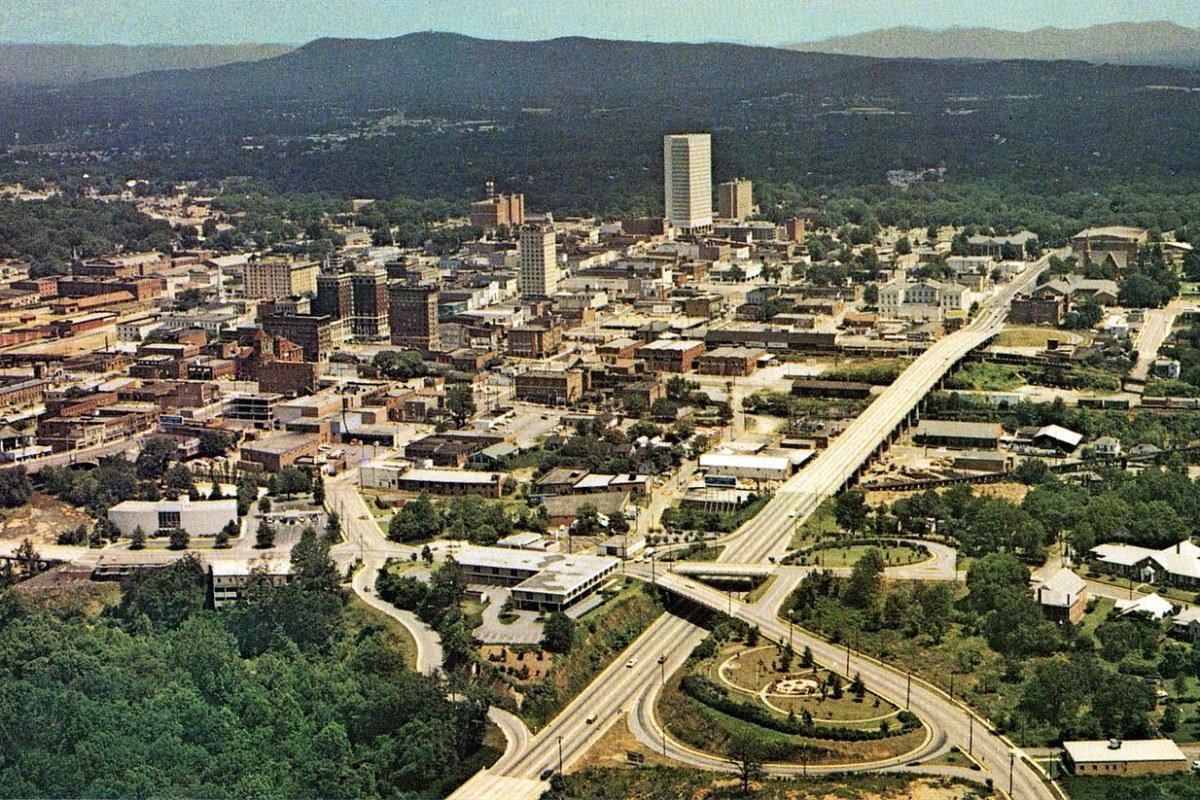
2. Greenville: The Upstate Overachiever
Greenville is South Carolina’s most surprising city — a former textile town in the Upstate’s Blue Ridge foothills that has reinvented itself through downtown revitalization, an anchor manufacturing economy (BMW’s largest global production plant is 30 minutes away in Spartanburg), and a quality-of-life investment that has made it one of the most cited “best places to live” in the Southeast. The Main Street corridor, anchored by Falls Park on the Reedy (a 32-acre urban park where a waterfall tumbles under a pedestrian suspension bridge through a downtown canyon), provides walkable restaurants, independent retail, and cultural venues in a setting that most visitors find genuinely impressive.

- Augusta Road: Tree-lined streets, walkable restaurants, historic bungalows; $350K–$550K
- North Main: Established residential adjacent to downtown; $300K–$500K
- Travelers Rest: Mountain foothills suburb with trail access; $280K–$420K
- Five Forks: Premier suburban school district area; $350K–$500K
3. Columbia: Affordable Capital City
Columbia, the state capital and home to the University of South Carolina’s flagship campus, provides a different value proposition — a mid-sized capital city with genuine urban amenities (the Vista entertainment district, Five Points university neighborhood, the Riverbanks Zoo, and the South Carolina State Museum) at housing costs significantly below Charleston or Greenville. The USC presence drives a food, arts, and nightlife culture disproportionate to the city’s non-student residential population, and the state government employment provides a recession-resistant employment base that stabilizes the housing market through economic cycles. Median prices of $220,000–$260,000 make Columbia one of the most affordable capital cities in the country.
4. Beaufort: Low Country Charm
Beaufort, on Port Royal Sound between Charleston and Savannah, is the essence of Low Country South Carolina — a small city of 15,000 with an antebellum historic district of live-oak-draped streets, a waterfront that has been featured in dozens of films and television productions, and a cultural complexity that reflects the Gullah Geechee heritage of the sea islands. The Beaufort County school district has developed a strong reputation, and the proximity to the Marine Corps Air Station Beaufort gives the local economy stability. Median prices of $340,000–$450,000 represent significant value for the character and coastal setting provided.
5. Hilton Head Island: Resort Living Year-Round
Hilton Head Island’s planned resort development creates a residential experience distinct from any other South Carolina community — a sea island of 40,000 year-round residents (swelling to 250,000 in summer) with the infrastructure of a resort (maintained roads, abundant recreational facilities, a strict tree canopy protection ordinance) and the character of an established community. The 12 miles of beach, 24 golf courses, and 50-mile bike path network provide amenities that make Hilton Head uniquely suitable for households prioritizing recreational quality.
6. Bluffton / Sun City: The Retirement Corridor
Bluffton, on the mainland between Hilton Head Island and Savannah, has grown dramatically in the past two decades as the more affordable alternative to Hilton Head Island’s premium prices — a community of master-planned developments, the Old Town Bluffton historic district along the May River, and the proximity to both Hilton Head’s amenities and Savannah’s cultural resources. Sun City Hilton Head, the largest active adult community in the eastern United States with over 16,000 residents, anchors a retirement community infrastructure that has made the Bluffton area the most concentrated retirement destination in South Carolina. Median prices of $320,000–$420,000 provide the best value in the Low Country coastal corridor.
For households weighing the full South Carolina residential landscape, the strategic insight is that the state’s various communities serve genuinely different household profiles with little overlap. Charleston is for households who want urban cultural density and historical character and are prepared to pay for it. Greenville is for households who want downtown energy and mountain access at moderate cost. Columbia is for households who want capital city access and university town culture at maximum affordability. Beaufort and the coastal communities are for households seeking the specific Low Country lifestyle. No community adequately substitutes for another, which makes the initial community selection the most important decision in a South Carolina relocation.
Making Your Decision
Choosing where to live in South Carolina comes down to honestly matching your priorities with what each city and community genuinely delivers. Budget, career opportunities, access to outdoor recreation, climate preferences, and community character all weigh differently depending on your life stage and values — and no ranking can substitute for that personal assessment. The cities and towns profiled in this guide represent the strongest overall options, but South Carolina has smaller communities that offer compelling alternatives for those willing to trade urban convenience for affordability, quieter living, or closer access to natural landscapes. If possible, spend at least a long weekend in your shortlisted communities before committing — the practical factors matter enormously, but so does the less quantifiable sense of whether a place simply feels right for where you are in life.