Best Places to Live in Rhode Island 2026: Providence, Newport, and the Ocean State’s Hidden Communities
Rhode Island’s residential landscape is more varied than the state’s diminutive size suggests — the 39 cities and towns that cover 1,214 square miles provide distinct community characters ranging from Providence’s urban intellectual energy to Newport’s sailing and Gilded Age character to the beach communities of South County and the quiet agricultural towns of the northwest. The state’s size is a practical advantage for residents: almost everything is accessible within a 45-minute drive, which means that households can live in a quiet South County beach town and access Providence’s restaurants and cultural institutions without the commute times that equivalent rural-to-urban distances impose elsewhere.
1. College Hill / East Side, Providence — The Intellectual Heart
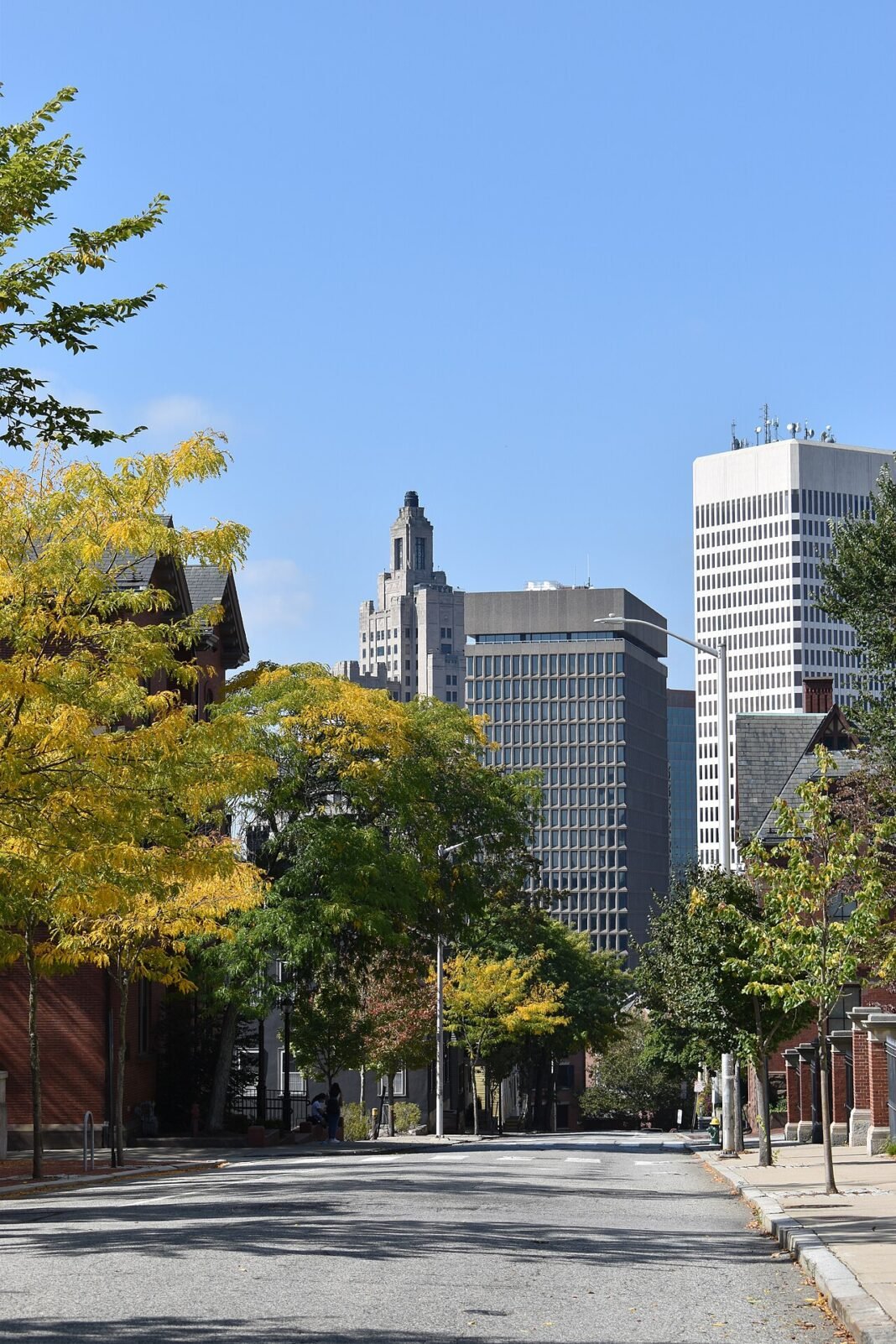
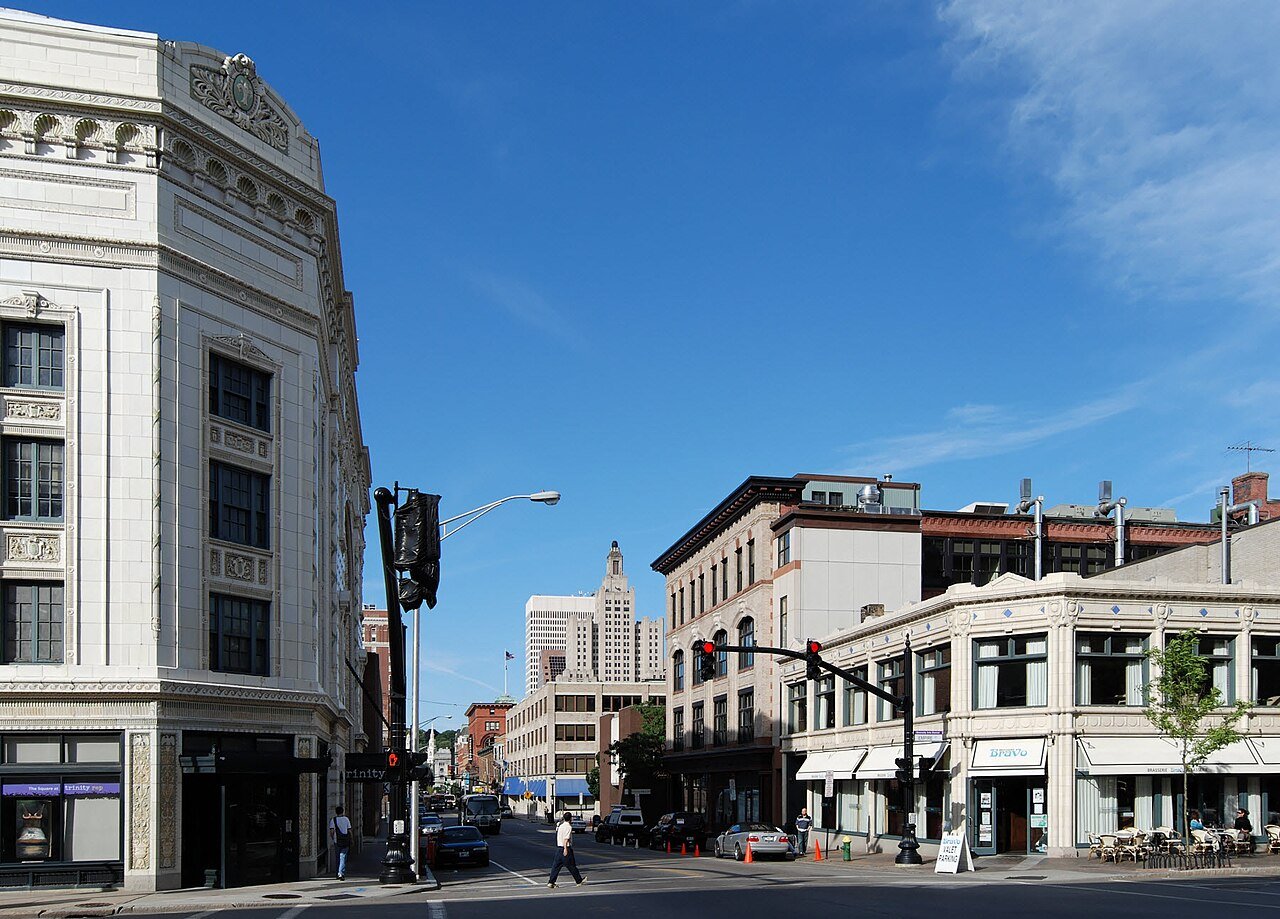
College Hill, rising east of Providence’s downtown above the Providence River, is the city’s most historically significant and intellectually vibrant neighborhood — Brown University and RISD occupy the hilltop, Benefit Street’s “Mile of History” (a continuous stretch of colonial and Federal-period buildings that is the most architecturally intact 18th-century street in New England) descends the hill, and the concentration of students, faculty, artists, and professionals creates a walkable urban neighborhood of genuine distinction. The Thayer Street commercial district serves the university community with bookstores, restaurants, and coffee shops that give College Hill the density of a much larger city. Housing ranges from $450,000–$750,000 for the Victorian and Federal homes that line the east side streets.
2. Federal Hill, Providence — La Sfoglia di Providence
Federal Hill, just west of Providence’s downtown, is the city’s Italian-American neighborhood — entered through the DePasquale Square arch topped with a pignolo, a landscape of espresso bars, Italian markets, and restaurants that has made it one of the most distinctive ethnic dining neighborhoods between New York and Boston. The neighborhood has attracted young professionals and artists drawn by the food culture and the affordability of the triple-decker housing stock. Median prices for the triple-deckers run $400,000–$550,000, providing ownership opportunities with rental income that can substantially reduce carrying costs.
3. Newport — The Sailing City
Newport provides a residential experience unlike any other small city in New England — a historically significant colonial and Gilded Age city on a peninsula in Narragansett Bay, where the sailing culture (Newport is the home of the America’s Cup and the Sail Newport recreational sailing organization), the Cliff Walk, the mansion district, and the concentrated architecture of colonial America create an environment that attracts households willing to pay significant premiums. Year-round residents benefit from the off-season quiet that returns after Labor Day — the tourism crowds recede, the restaurants offer reservations without three-week waits, and the city returns to the scale of a 25,000-person community. The trade-off is cost: Newport housing starts around $600,000 and scales significantly upward.
4. Narragansett / South Kingstown — Beach Town Living
Narragansett and South Kingstown, in the South County coastal corridor, provide the beach town residential experience that attracts households seeking ocean access at the most affordable price points the Rhode Island coast offers. Narragansett Town Beach anchors a community of beach-oriented households, and the University of Rhode Island’s Kingston campus (in South Kingstown) provides a university-town dimension that adds cultural activity to a primarily residential and recreational community. Median prices run $450,000–$600,000 for the coastal communities, rising toward $700,000+ for oceanfront or direct beach access.
5. Barrington / East Greenwich — The South County Suburbs
Barrington and East Greenwich, east and south of Providence respectively, provide the metro’s most consistently sought-after suburban communities — school districts with strong reputations, established neighborhood character with mature trees and colonial-era house stock, and proximity to Narragansett Bay that gives both communities water access from residential neighborhoods. Barrington’s East Bay Bike Path (14.5 miles from Providence to Bristol, following the old Seekonk Valley Railroad right-of-way) provides the finest recreational cycling infrastructure in the state. Both communities attract families seeking quality public schools, and median home prices run $500,000–$750,000 for the established single-family homes. East Greenwich’s historic downtown on Main Street provides independent dining and retail that distinguishes it from purely residential suburban alternatives.
6. Bristol — The Historic Town
Bristol, at the tip of the Mount Hope peninsula between Narragansett Bay and Mount Hope Bay, is one of the most historically intact towns in New England — a waterfront community of Federal and Victorian houses built by the merchants and sea captains of the colonial maritime trade, with a downtown that has retained enough of its 19th-century fabric to provide a genuine sense of historical continuity. Roger Williams University anchors an academic presence. The Bristol Fourth of July parade is the oldest continuous Fourth of July celebration in the United States (since 1785). Housing in Bristol runs $350,000–$550,000 for well-maintained historic homes, making it one of the most affordable communities with genuine historic character on Narragansett Bay.
For households weighing Rhode Island communities, the practical reality of the state’s small size means that the community choice is primarily about lifestyle character and school district quality rather than employment access — most Rhode Island and greater Boston employment centers are accessible from any part of the state within an hour by car or Amtrak. The state’s most important residential differentiator is the school district: Barrington, East Greenwich, Cumberland, and South Kingstown provide the strongest public school systems and command the corresponding premium; Providence’s school districts serve a more challenged population with more variable outcomes. Families with school-age children should use Rhode Island’s publicly available school performance data as a primary filter before choosing a community, while households without children have more flexibility to optimize for character, lifestyle, and cost.
Making Your Decision
Choosing where to live in Rhode Island comes down to honestly matching your priorities with what each city and community genuinely delivers. Budget, career opportunities, access to outdoor recreation, climate preferences, and community character all weigh differently depending on your life stage and values — and no ranking can substitute for that personal assessment. The cities and towns profiled in this guide represent the strongest overall options, but Rhode Island has smaller communities that offer compelling alternatives for those willing to trade urban convenience for affordability, quieter living, or closer access to natural landscapes. If possible, spend at least a long weekend in your shortlisted communities before committing — the practical factors matter enormously, but so does the less quantifiable sense of whether a place simply feels right for where you are in life.