
Best Places to Live in New Mexico 2026: Santa Fe to Las Cruces
New Mexico’s residential choices are more varied than the state’s limited population (2.1 million) might suggest — the contrast between Santa Fe’s resort-economy affluence and Albuquerque’s working-city affordability defines the primary choice for households moving to the state, with Taos providing an artist-colony alternative, Las Cruces offering a university-town option at the state’s southern border, and the smaller cities of the state providing deep affordability for households whose employment is location-flexible. The state’s cultural richness — the three-culture confluence of Native American, Hispanic, and Anglo traditions that is most visible in northern New Mexico — creates a residential environment unlike any other in the United States and that rewards engagement and genuine curiosity about the traditions that have shaped the landscape and community life.
1. Santa Fe — The Art Capital
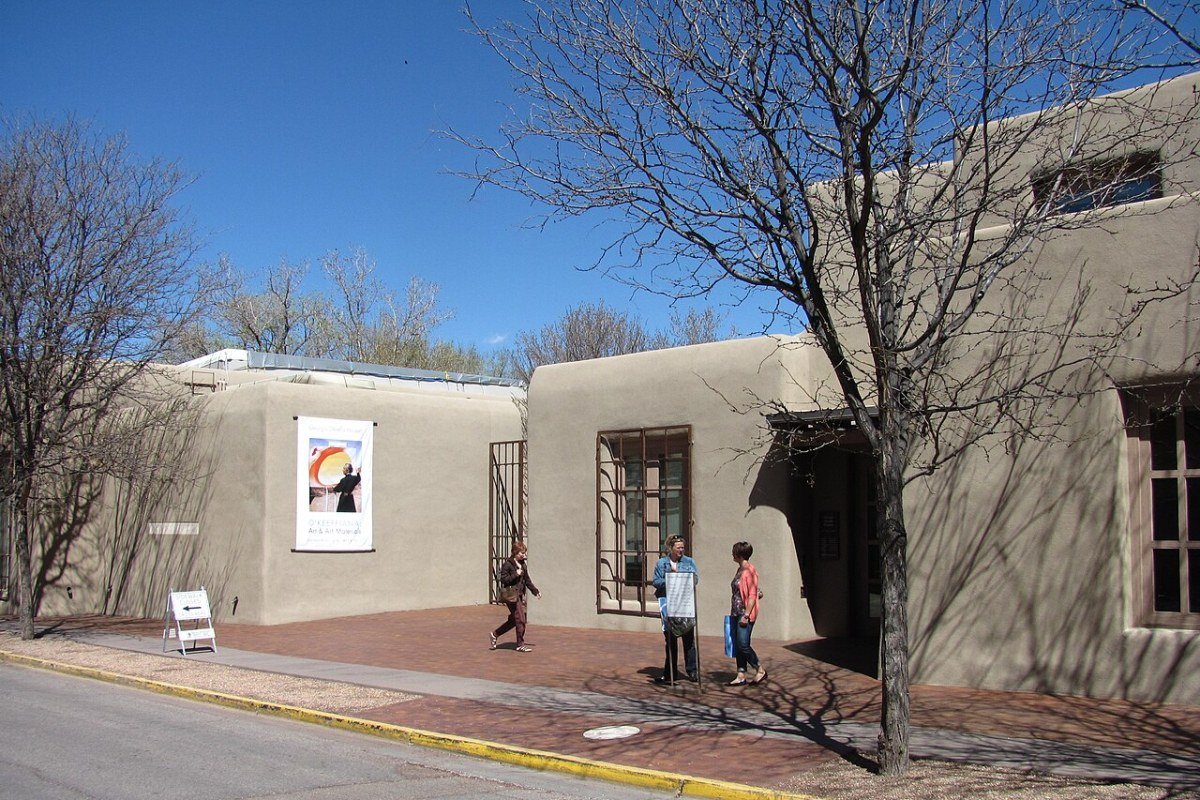
Santa Fe, the state capital and cultural center of northern New Mexico, is one of the most distinctive small cities in the United States — a community where the combination of UNESCO-recognized historic architecture, extraordinary museum infrastructure, a gallery scene of international significance, and the outdoor recreation access of the surrounding Sangre de Cristo Mountains creates a quality of life that justifies housing prices well above what local employment incomes would support. The city attracts artists, retirees, remote workers, and second-home buyers from across the country who find in Santa Fe a combination of intellectual stimulation, aesthetic environment, and climate (over 300 days of sunshine annually at 7,000 feet elevation, with mild summers and manageable winters) that coastal alternatives cannot match at equivalent prices.
Santa Fe’s neighborhoods offer distinct characters within the city’s broad Pueblo Revival framework. The Eastside — the historic residential neighborhoods east of the Plaza stretching toward the foothills — contains the city’s most historic adobe compounds, with prices of $700,000–$2 million for the most desirable properties. The Guadalupe district, southwest of the Plaza and adjacent to the Railyard Arts District, provides a more urban and walkable character with galleries, restaurants, and the Santa Fe Farmers Market in the historic Railyard building. The Southside communities (Tierra Contenta, Bellamah, the Casa Solana neighborhood) provide more affordable owner-occupied housing at $280,000–$450,000 for households who want Santa Fe access without the full historic district premium.
2. Albuquerque’s Northeast Heights — The Family Choice
Albuquerque’s Northeast Heights — the residential zone between Montgomery Boulevard and the Sandia Mountain foothills, stretching from the Tramway Boulevard east to the mountain base — is the city’s most established and family-oriented residential community, characterized by mid-20th-century ranch homes, good public school performance relative to city averages, and direct access to the Sandia Mountain hiking trails and the Sandia Peak Aerial Tramway. The Academy corridor (Academy Road, Comanche, and the adjacent streets) provides the most walkable neighborhood character in the Northeast Heights; the Sandia Heights subdivision at the mountain base provides the most dramatic views and trail access at prices of $400,000–$700,000.
Albuquerque’s North Valley, along the bosque (the cottonwood forest corridor along the Rio Grande), provides a more rural character within the city — large-lot properties with horses, traditional New Mexico agricultural irrigation, and the acequia system (the historic irrigation ditch network inherited from Spanish colonial water management) at prices of $300,000–$600,000. The North Valley’s character — quieter, more agricultural, with deep Hispanic cultural roots in the farming families who have worked this land for generations — provides an experience of New Mexico that the planned subdivisions of the Northeast Heights cannot replicate.

3. Taos — The Artist Colony
Taos, 70 miles north of Santa Fe in the Sangre de Cristo Mountains at 6,969 feet elevation, provides New Mexico’s most artistically concentrated residential community — a town of 6,000 permanent residents (with a broader community of several thousand more in the surrounding county) where the artistic heritage of the Taos Society of Artists and the literary tradition of D.H. Lawrence, Georgia O’Keeffe, and Mabel Dodge Luhan continue to attract painters, sculptors, writers, and filmmakers seeking the landscape and cultural richness that made Taos famous. The Taos Plaza — the central square of the Spanish colonial town, adjacent to the historic Kit Carson Home (now a museum) and surrounded by galleries, restaurants, and the Taos Inn (a 1936 hotel built around a former hacienda) — provides the social and commercial center of a community that functions year-round rather than only in tourist season.
Taos Ski Valley — one of the premier ski resorts in New Mexico, with 110 runs across 1,294 acres and some of the most challenging terrain in the Southwest — provides winter employment and recreation that sustains the community through the lower-traffic months. The Taos Valley community stretches from the Pueblo on the north to the El Prado and Ranchos de Taos communities to the south, with residential properties ranging from historic adobe homes in the Taos Historic District ($350,000–$700,000) to more affordable manufactured housing and newer construction in the outlying areas ($200,000–$350,000). The median household income in Taos County is well below the state average, reflecting the service-economy character of a community where many residents work in the tourism, arts, and recreation sectors.
4. Las Cruces — The Southern Alternative
Las Cruces, New Mexico’s second-largest city with 115,000 residents in the Mesilla Valley at the southern edge of the Rio Grande, is one of the most underappreciated residential destinations in the Southwest — a university city (New Mexico State University, founded 1888, employs thousands and brings the cultural and intellectual infrastructure of a land-grant research university) at the intersection of New Mexico, Texas, and Mexico that provides the state’s most affordable major-city housing (medians of $200,000–$300,000), 300+ days of sunshine annually, and proximity to the Organ Mountains-Desert Peaks National Monument and White Sands National Park. The historic Mesilla Village (La Mesilla), adjacent to Las Cruces on the original El Camino Real, preserves the Spanish colonial plaza and architecture of the pre-Gadsden Purchase (1853) era in a community where the Billy the Kid history (he was convicted at the Mesilla courthouse and sentenced to hang before his escape in 1881), the New Mexico Farm and Ranch Heritage Museum, and the chile pepper agricultural heritage of the Hatch Valley create a distinctive regional identity.
Las Cruces attracts retirees from Texas, California, and the Northeast who find its combination of affordability, climate (warmer winters than northern New Mexico but still distinct seasons), and university-town amenities compelling. The proximity to El Paso, Texas (45 minutes) adds the cultural and commercial infrastructure of a major Texas city to Las Cruces’s residential appeal — including the El Paso International Airport, major retail, and the larger entertainment and dining options that a 700,000-person city provides. NMSU’s employment base (including the adjacent White Sands Missile Range, which employs thousands of civilian and contractor personnel) provides economic stability unusual in New Mexico’s smaller cities.
5. Silver City — Remote and Authentic
Silver City, a historic mining town of 10,000 residents in the Mogollon Mountains of southwestern New Mexico at 5,900 feet elevation, has emerged as one of the most authentic and affordable small-city alternatives in the Southwest — a community with a genuine arts scene (the Western New Mexico University gallery, the Silver City Arts Center, and the historic downtown murals program), the outdoor recreation access of the Gila National Forest (which contains the Gila Wilderness, the first designated wilderness area in the US, established 1924), and housing prices of $175,000–$300,000 that make homeownership accessible for artists, writers, and remote workers who choose quality of life over economic opportunity. The Gila Cliff Dwellings National Monument (44 miles north of Silver City), the Whitewater Baldy hike in the Mogollon Range, and the Gila River box canyon provide outdoor recreation of national quality within a day’s drive of town.