.jpg?width=1200)
Best Places to Live in Michigan 2026: Detroit Metro to Northern Michigan
Michigan’s residential landscape is defined by three distinct market zones: the Detroit metropolitan area (where the majority of the state’s employment and population is concentrated), the university communities of Ann Arbor and East Lansing (which operate on their own demand logic separate from the broader Michigan economy), and the northern Michigan resort corridor (where lifestyle amenity drives housing decisions more than employment proximity). Each zone offers distinct trade-offs between cost, employment access, and quality of life — and the best choice depends entirely on the household’s specific priorities.
1. Ann Arbor — Michigan’s Premier City
Ann Arbor is consistently ranked among the best places to live in the Midwest — a walkable, progressive university city that combines the resources of a major research institution (the University of Michigan is one of the top public universities in the world) with a sophisticated restaurant and arts scene, extensive cycling infrastructure, and an innovation economy that has diversified beyond the university into biotechnology, software, and autonomous vehicle technology (Waymo, May Mobility, and numerous automotive technology startups have offices in Ann Arbor). The city’s downtown — centered on Liberty Street and Main Street, with the Michigan Theater, a density of excellent restaurants, independent bookstores, and the Saturday farmers market at Kerrytown — provides genuine urban quality in a city of 120,000.
The University of Michigan’s medical complex (Michigan Medicine), its sports culture (Michigan Stadium holds 107,000 people — the largest stadium in the US — and college football Saturdays transform the city), and its research enterprise create a permanent base of high-income employment that sustains the city’s amenity level through economic cycles that affect the broader Michigan market. Median home prices of $380,000–$550,000 are Michigan’s highest but remain dramatically below comparable university cities in coastal states. The Burns Park, Kerrytown, and Old West Side neighborhoods provide the most walkable residential environments; the neighborhoods near the university medical campus are particularly sought by healthcare professionals who can walk to work.
2. Birmingham — The Detroit Metro’s Best Suburb
Birmingham, in Oakland County 20 miles north of Detroit on Woodward Avenue, is the most urbane suburban community in Michigan — a city of 20,000 with a walkable downtown that functions more like an urban neighborhood than a traditional suburb. The Woodward Avenue commercial corridor through Birmingham hosts a concentration of independent restaurants, art galleries, specialty retail, and the boutique hotels that have made Birmingham a dining destination for the entire Detroit metropolitan area. The Sunday farmers market, the Birmingham Museum, and the regular events on Shain Park give the community genuine civic life beyond its commercial character.
Birmingham’s residential neighborhoods — grid-patterned streets of Craftsman bungalows, Colonial Revivals, and mid-century contemporaries with mature tree canopy — provide the kind of architectural quality that the outer Detroit suburbs (built primarily in the postwar ranch-house era) cannot match. Median prices of $450,000–$700,000 for single-family homes reflect the premium for walkability, school quality (Birmingham City Schools is among the highest-rated public school districts in Michigan), and the overall desirability of a community that has maintained its character through Michigan’s economic cycles. For the Detroit metro’s professional class, Birmingham represents the definitive quality-of-life choice when budget allows.
3. Royal Oak — Urban Value in Oakland County
Royal Oak, immediately south of Birmingham on Woodward Avenue, provides a more affordable version of Birmingham’s urban character — a city of 60,000 with a walkable downtown (Main Street and Washington Avenue) containing a comparable density of restaurants, bars, music venues, and independent retail at prices 20–30% below Birmingham’s. The Royal Oak Music Theatre hosts national touring acts; the Farmers Market provides Saturday community gathering; the city’s street grid of bungalows and capes runs $280,000–$480,000 — dramatically more accessible than Birmingham while providing many of the same urban amenities.
Royal Oak’s demographics skew younger than Birmingham’s — it has been a destination for Detroit-area millennials who want walkable urban living without city taxes and services — and its bar and restaurant scene reflects this energy. Ferndale, immediately east of Royal Oak, provides similar urban character at slightly lower prices and with a particularly strong independent restaurant scene. For households entering the Detroit metro housing market who want urban walkability at accessible prices, Royal Oak and Ferndale represent the best value propositions in Oakland County.

4. Midtown Detroit — Urban Rebirth
Midtown Detroit — the neighborhood centered on the Detroit Institute of Arts, Wayne State University, and the Detroit Medical Center — has undergone the most dramatic residential transformation of any Detroit neighborhood in the past decade. The Midtown Detroit Inc. managed commercial district along Woodward Avenue (Detroit’s main north-south artery) has developed a concentration of restaurants, coffee shops, and retail that would not have existed here fifteen years ago. The availability of historic apartment buildings (many in Art Deco style from the 1920s and 1930s) and the development of new mixed-use buildings have created a rental market that attracts Wayne State graduate students, medical residents, artists, and young professionals who want the urban Detroit experience at prices well below any comparable coastal market.
Buying in Midtown — particularly the Victorian-era side streets of Cass Corridor, the historic New Center area to the north, or the Charlotte and Prentis street corridors — offers detached homes in the $150,000–$350,000 range that represent some of the most affordable urban homeownership in any major American city. The trade-offs (ongoing neighborhood revitalization that has not yet reached all blocks, the emotional complexity of living in a city still recovering from decades of disinvestment, the Detroit Public Schools situation for families with children) are real and require honest assessment. But for households whose employment is in the Wayne State/Detroit Medical Center/downtown Detroit corridor who want to minimize commuting and maximize urban experience, Midtown is Michigan’s most compelling residential value.
5. Traverse City — Northern Michigan’s Capital
Traverse City has emerged as one of the most in-demand small cities in the Midwest for remote workers, retirees, and households who prioritize lifestyle over employment proximity. The city of 15,000 at the southern end of Grand Traverse Bay has developed cultural and culinary resources — the National Writers Series, the Traverse City Film Festival, a restaurant scene anchored by the chefs who have moved north to access local agricultural products, and the farmers markets that reflect a community of serious food producers — that belong in a much larger city. Skiing at Crystal Mountain (45 minutes south) and Boyne Highlands (90 minutes north), sailing on Grand Traverse Bay, cycling the TART Trail network, and wine touring on the Leelanau and Old Mission peninsulas provide year-round recreational access that is among the best in the Midwest.
Median home prices of $350,000–$600,000 (with waterfront properties reaching $1 million and above) reflect the resort premium and the demand from the remote-work migration that has accelerated since 2020. The trade-offs are real: winters are serious (Traverse City averages 120 inches of snowfall annually from Lake Michigan effect), summer traffic from tourists can be disruptive, and the local job market is limited primarily to tourism, healthcare, and retail outside the university hospital presence. But for households with location-independent income who want a four-season outdoor lifestyle in a culturally rich small city, Traverse City offers one of the best packages in the Midwest.
6. Grand Rapids — West Michigan’s Rising City
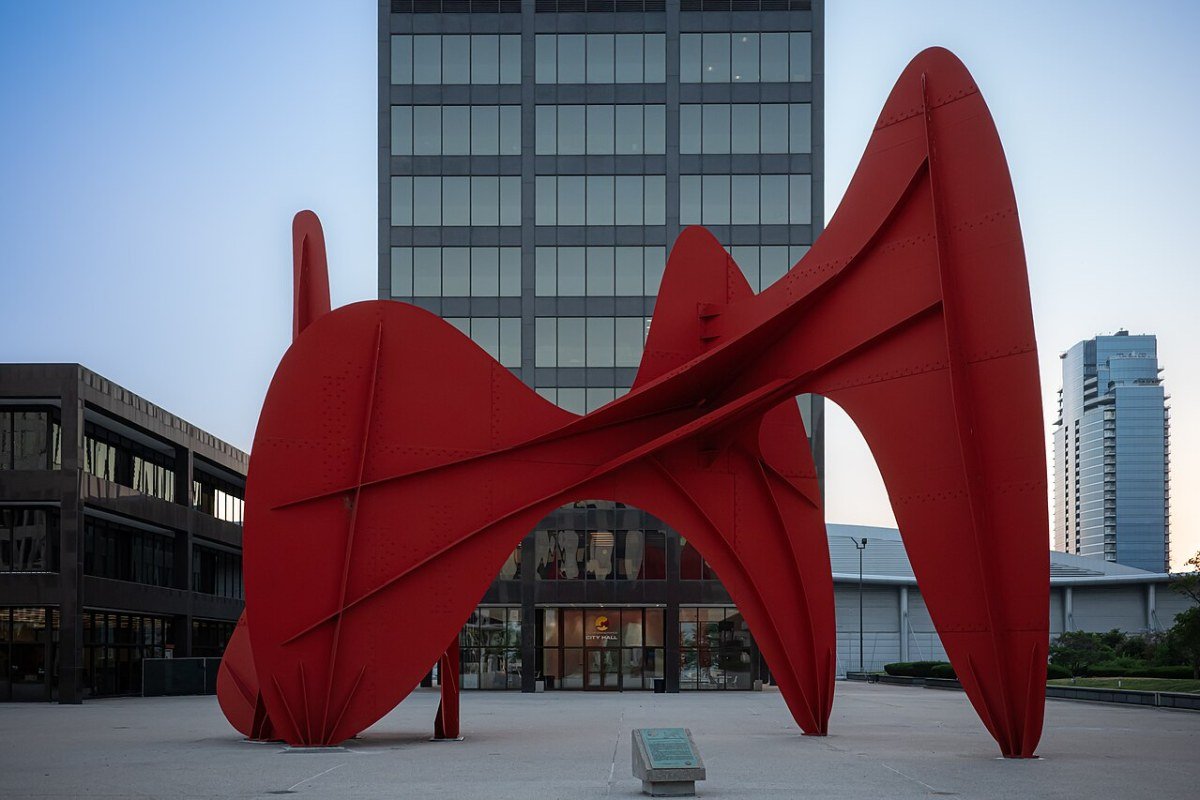
Grand Rapids, Michigan’s second-largest city with 200,000 residents on the west side of the state, has developed into one of the Midwest’s most underrated urban destinations — a city with a world-class art museum (the Grand Rapids Art Museum, renovated and expanded in 2007, is the first LEED-certified art museum in the world), a craft beer culture that has placed it consistently among the top beer cities in the country (Founders Brewing Company, Brewery Vivant, and Mitten Brewing are among the most recognized Michigan craft brewers), a growing restaurant scene anchored by the Fulton Street Farmers Market, and a downtown revitalization driven by the medical mile of research hospitals along Michigan Street. Median home prices of $240,000–$380,000 in Grand Rapids proper and $280,000–$450,000 in the surrounding communities of East Grand Rapids, Forest Hills, and Ada represent the best combination of urban amenities and housing affordability in western Michigan.