Best Cities in Scotland 2026: Edinburgh, Glasgow, Aberdeen, Inverness, and Where to Live
Scotland’s urban geography is dominated by the Central Belt — the corridor between Edinburgh and Glasgow that contains 75% of Scotland’s 5.5 million residents and most of its economic activity. Beyond the Central Belt, Aberdeen anchors the northeast’s oil economy, Inverness serves as the Highland capital, and the island capitals of Stornoway (Western Isles), Lerwick (Shetland), and Kirkwall (Orkney) maintain their island distinctiveness. Each Scottish city has a character shaped not just by economics and history but by the specific landscape it inhabits: Edinburgh by its volcanic crag and Firth of Forth; Glasgow by the Clyde and the Victorian industry it launched; Aberdeen by the granite and the North Sea; Inverness by the Great Glen and the Highlands that begin at its doorstep.
Edinburgh: The Festival City
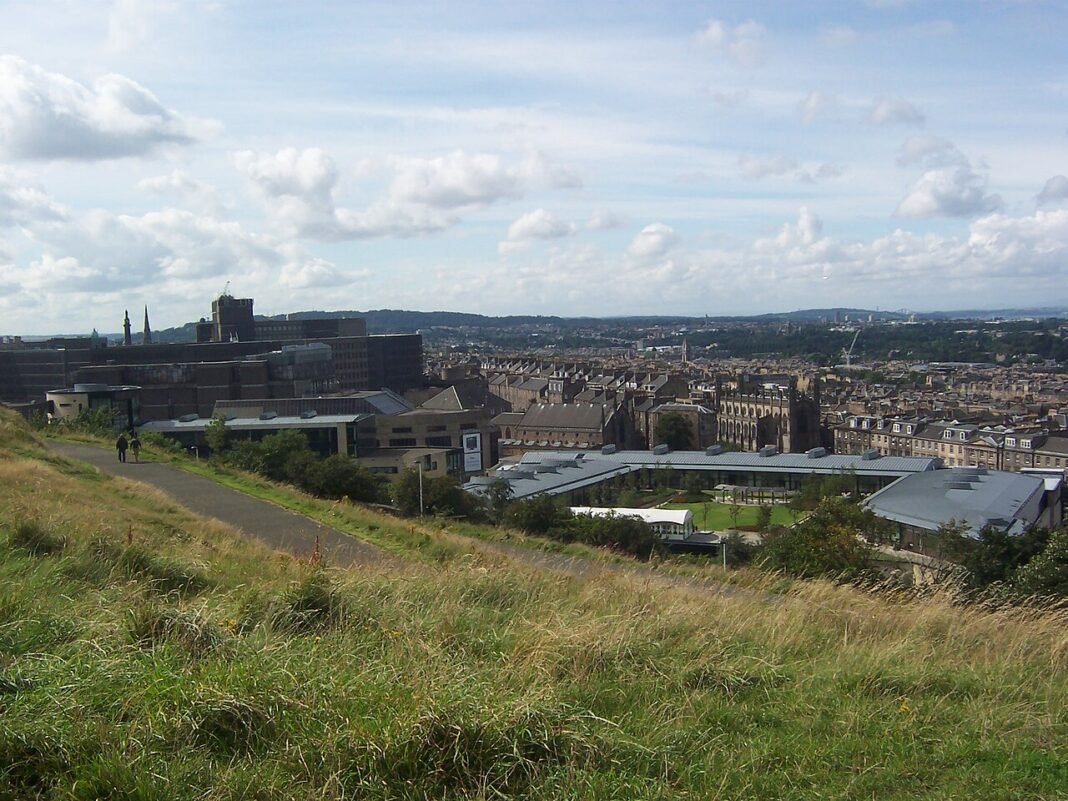
Edinburgh (550,000 residents) is one of the world’s most beautiful cities — the combination of the medieval Old Town (the Royal Mile, Castle Rock, the closes and wynds of the historic city), the Georgian New Town (the planned 18th-century extension, now Edinburgh’s most prestigious residential and commercial district), and the natural drama of Arthur’s Seat and the Pentland Hills creates a cityscape of global significance. As Scotland’s capital, Edinburgh houses the Scottish Parliament, the main financial sector, the tourism industry, the universities (University of Edinburgh, Heriot-Watt, Napier), and the August Festival infrastructure that for three weeks transforms the city into the world’s largest arts festival.
- Best neighbourhoods: The New Town (Georgian elegance, expensive, central); Stockbridge (independent shops, village atmosphere, close to the city centre); Marchmont and Bruntsfield (south Edinburgh’s Victorian tenements, popular with young professionals and families); Leith (the port district, regenerated from deprivation to one of Edinburgh’s trendiest areas, with the Shore restaurant strip and the best seafood in Scotland)
- Character: Edinburgh can feel formal and reserved compared to Glasgow — the New Town’s Georgian propriety and the presence of the financial and legal establishment give the city a certain gravity. But the Festival transforms it annually into something more joyful; the Leith food scene, the underground club culture, and the university community add layers of informality beneath the surface
- Why Edinburgh: UNESCO World Heritage status; Scotland’s best employment market for financial services, technology, and professional services; the August Festival; the landscape; the walkable city centre. Against: Scotland’s highest housing costs; the August tourist crowds; the November-February weather (grey, cold, and wet)
Glasgow: Scotland’s Heart
Glasgow (650,000 residents) is Scotland’s largest city and by many measures its most interesting — a city that built much of the Victorian world’s industrial infrastructure (ships, locomotives, bridges) and then survived deindustrialisation to emerge with one of the UK’s most vibrant cultural scenes, the finest collection of Charles Rennie Mackintosh architecture in the world, and a friendliness and directness of character (the Glaswegian warmth is famous) that makes it one of the most welcoming cities in Britain.
- Best neighbourhoods: The West End (Hillhead, Partick, Finnieston — Glasgow’s cultural and social hub, with Byres Road’s restaurants and bars, the Botanic Gardens, the university, and an excellent pub scene); Merchant City (the regenerated 18th-century merchant district in the city centre, now gallery cafés and upscale apartments); Southside (Shawlands, Queens Park — affordable family neighbourhoods with strong community character and excellent independent food scenes)
- Cultural highlights: The Kelvingrove Art Gallery and Museum (free entry, Scotland’s most visited attraction); the Glasgow School of Art (Mackintosh’s masterwork); the Riverside Museum (Zaha Hadid’s transport museum on the Clyde, free entry); the Burrell Collection (free entry, in Pollok Country Park); the SEC Armadillo and SSE Hydro concert venues (Glasgow’s event infrastructure is the UK’s best outside London)
- Why Glasgow: More affordable than Edinburgh (housing 20-30% cheaper); more culturally diverse and energetic; better music and arts scene; warmer social culture. Against: deindustrialisation legacy areas; the weather (Glasgow is wetter than Edinburgh, which is saying something)

Aberdeen: The Oil Capital
Aberdeen (230,000 residents) on the North Sea coast is Scotland’s third city — the Granite City, built from the local grey granite that gives the city its characteristic silver shimmer in sunlight and its austere character in overcast weather (which is frequent). Aberdeen’s economy has been dominated by the North Sea oil and gas industry since the 1970s; the city is Europe’s offshore energy capital, housing the headquarters of the major North Sea operators, the Robert Gordon University’s energy engineering programmes, and the support service industry for the platforms 200km east in the North Sea. The energy transition to renewable energy has added offshore wind to Aberdeen’s industrial portfolio; the city’s Harbour and the Aberdeen South Harbour expansion (one of the UK’s largest harbour development projects) reflect Aberdeen’s ongoing port importance.
- Cultural highlights: The Aberdeen Art Gallery (recently refurbished, with a strong permanent collection); Marischal College (the second-largest granite building in the world, now the Aberdeen City Council headquarters); Hazlehead Park; the Union Street commercial strip
- Why Aberdeen: Strong employment market for engineers, geoscientists, and energy professionals; lower housing costs than Edinburgh; direct flights to London Heathrow (1h15m), Amsterdam, Bergen, and other key oil industry destinations. Against: the weather (the North Sea creates a grey, windy climate that residents either adapt to or find wearing); limited cultural scene compared to Edinburgh and Glasgow
Inverness: Gateway to the Highlands
Inverness (65,000 residents, on the Beauly Firth at the head of the Great Glen) is Scotland’s Highland capital — the northernmost city in the UK, the administrative centre of the Highland Council, and the gateway to the Cairngorms, Loch Ness, the Black Isle, the North Coast 500 (the NC500, Scotland’s most celebrated scenic driving route), and the vast wilderness of Sutherland and Caithness. Inverness has grown significantly since the 1990s, driven by public sector expansion (NHS Highland, Highland Council, University of the Highlands and Islands) and the tourism economy; the city’s infrastructure — the Eastgate Shopping Centre, the newly expanded Raigmore Hospital, the Concert Hall on the River Ness waterfront — belies its relatively modest size.
- Why Inverness: The Highland landscape begins at the city outskirts; the NC500 and Loch Ness are within 30 minutes; quality of life is high and cost of living lower than the Central Belt. Against: job market thinner than Edinburgh/Glasgow; the A9 (the main south road) is among Scotland’s most dangerous roads
St Andrews: The Kingdom of Fife’s Gem
St Andrews (20,000 residents, Fife) is one of Scotland’s most distinctive small cities — the home of golf (the Old Course, the Royal and Ancient Golf Club, the British Golf Museum), one of Scotland’s oldest universities (University of St Andrews, founded 1413, where Prince William and Kate Middleton met), and a remarkably well-preserved medieval town plan with cathedral ruins on the cliff above the North Sea. St Andrews punches well above its population weight in global recognition; its combination of golf, university prestige, and coastal beauty makes it Scotland’s most cosmopolitan small city.