

Best Cities to Live in Georgia: A Realistic 2026 Guide
Georgia’s urban diversity encompasses the South’s largest city, one of America’s most beautiful small cities, a rapidly growing tech suburb, the nation’s most significant HBCU hub, and a collection of smaller cities that offer genuine quality of life at prices that make the coastal alternatives seem absurd. Understanding what each Georgia city delivers — and for whom — is the key to making the right choice.
1. Atlanta — The South’s Undisputed Capital
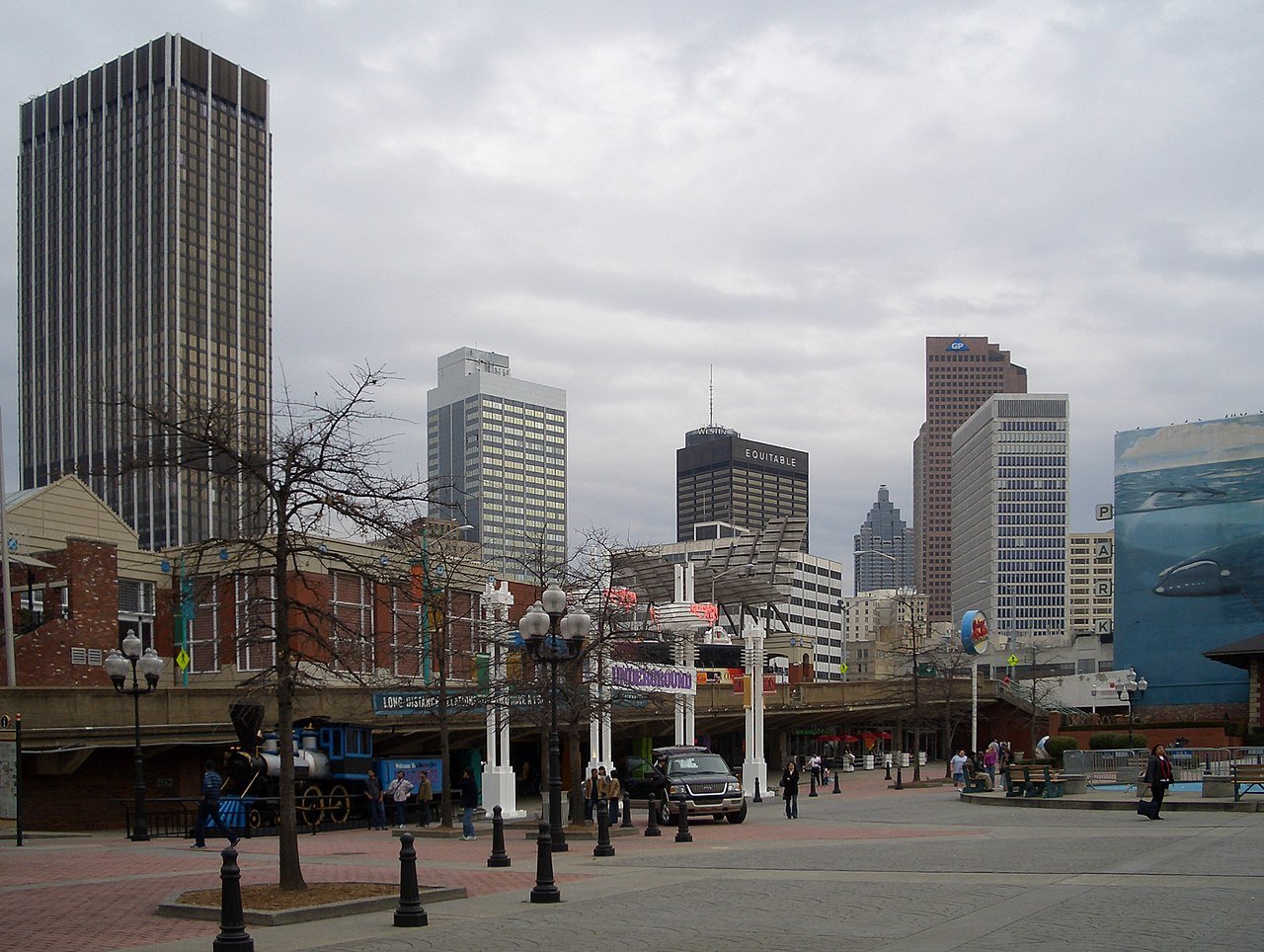
Atlanta is the economic, cultural, and aspirational capital of the American South — a global city whose influence extends well beyond Georgia in terms of corporate headquarters concentration, cultural output (the city has produced Outkast, Lil Wayne, Usher, and dozens of other significant musical artists, and the “Atlanta sound” has shaped American popular music for 30 years), and the civil rights heritage that makes it a place of genuine historical and moral significance.
Atlanta’s job market is one of the most diverse and dynamic in the Southeast. The combination of major corporate headquarters (Coca-Cola, Delta, Home Depot, UPS, CNN — headquartered or major presence), a booming film and TV production industry (Georgia’s generous tax incentives have made it one of the busiest film states in the country, with productions including “The Walking Dead,” “Stranger Things,” and multiple Marvel films), and a growing technology sector makes the metro’s employment landscape genuinely broad.
The intown neighborhoods — Virginia-Highland, Candler Park, Kirkwood, Edgewood, Grant Park, and the rapidly developing Old Fourth Ward (where the Atlanta BeltLine’s Eastside Trail has driven one of the most significant urban transformations in the American South) — offer walkable, dense, architecturally interesting urban living that is genuinely competitive with comparable neighborhoods in Chicago or Washington, D.C., at a significant cost discount.

2. Savannah — The Most Livable Small City in the South
Savannah’s quality of life is extraordinary relative to its cost: median home prices of $300,000–$380,000 in the historic district and surrounding walkable neighborhoods, combined with one of the finest urban designs in the United States, a food scene that has earned national recognition, and a Savannah College of Art and Design (SCAD) presence that drives creative industry employment and a vibrant arts scene, makes it arguably the best value in the American urban landscape for people who can work remotely or in Savannah’s growing industries.
The Port of Savannah — the third-busiest container port in the United States — anchors a logistics and international trade economy that provides stable blue-collar and logistics management employment. The adjacent Bryan County growth corridor has attracted manufacturing from companies including Hyundai’s first US electric vehicle plant (opened in 2024), creating a manufacturing employment cluster that is reshaping Georgia’s coastal economy.
3. Alpharetta — Georgia’s Tech Suburb
Alpharetta, in Fulton County north of Atlanta, has positioned itself as the “Technology City of the South” with some justification — over 700 technology companies have operations in Alpharetta, including Microsoft, Dell, Oracle, NCR Voyix, and a dense ecosystem of fintech, cybersecurity, and software companies. The city’s combination of a well-educated workforce (one of the highest concentrations of college degrees per capita in Georgia), excellent schools (Fulton County Schools’ Alpharetta cluster is among the strongest in the state), and suburban quality of life has made it the preferred location for technology professionals who want suburban character and family amenities without city-center prices and density.
Housing in Alpharetta runs $450,000–$700,000 for family-size homes in desirable school zones — elevated by Georgia standards but representing excellent value relative to equivalent technology-sector suburbs in California, Washington, or Massachusetts.
4. Athens — Georgia’s Best College Town
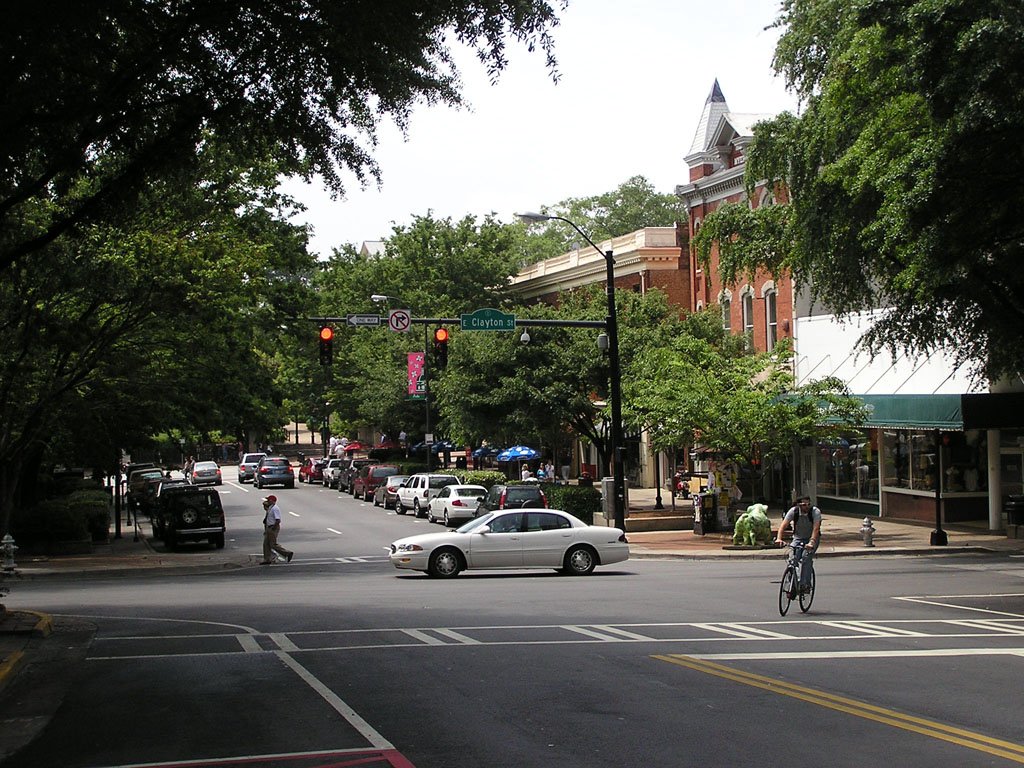
Athens is the home of the University of Georgia (38,000+ students, one of the Southeast’s flagship public universities) and has one of the most vibrant music scenes of any small city in the country — R.E.M. and the B-52s both formed here, and the Athens music ecosystem has been generating national acts since the late 1970s. The combination of downtown bars and music venues (the 40 Watt Club is one of the most historically significant small venues in American rock music), excellent restaurants, and the cultural energy of a major research university gives Athens a vitality that cities three times its size frequently lack.
Housing in Athens is accessible ($200,000–$320,000 for single-family homes in good neighborhoods) and the combination of UGA’s healthcare system, Athens-Clarke County government, and a small but growing tech presence provides reasonable employment stability. For people whose income allows location flexibility, Athens offers an extraordinary quality of life per dollar spent.
5. Augusta — Golf Capital and Growing Tech Hub
Augusta is internationally known for the Masters Tournament (the most prestigious golf event in the world, held annually at Augusta National Golf Club) but is developing an identity beyond golf. The Fort Eisenhower (formerly Fort Gordon) military installation — the Army’s premier cyber operations and signal intelligence base — has made Augusta one of the most significant cybersecurity employment centers in the country, with civilian contractor employment growing dramatically alongside the military mission. The Augusta University and Medical Center provides healthcare employment anchoring.
Housing in Augusta is among the most affordable in Georgia ($180,000–$260,000 for single-family homes) — making it attractive for military families, federal contractors, and healthcare professionals who value cost efficiency over urban amenities. The city’s downtown has seen meaningful investment and revitalization around the Augusta Riverwalk and the Morris Museum of Art.
Making Your Decision
Choosing where to live in Georgia in comes down to honestly matching your priorities with what each city and community genuinely delivers. Budget, career opportunities, access to outdoor recreation, climate preferences, and community character all weigh differently depending on your life stage and values — and no ranking can substitute for that personal assessment. The cities and towns profiled in this guide represent the strongest overall options, but Georgia in has smaller communities that offer compelling alternatives for those willing to trade urban convenience for affordability, quieter living, or closer access to natural landscapes. If possible, spend at least a long weekend in your shortlisted communities before committing — the practical factors matter enormously, but so does the less quantifiable sense of whether a place simply feels right for where you are in life.